





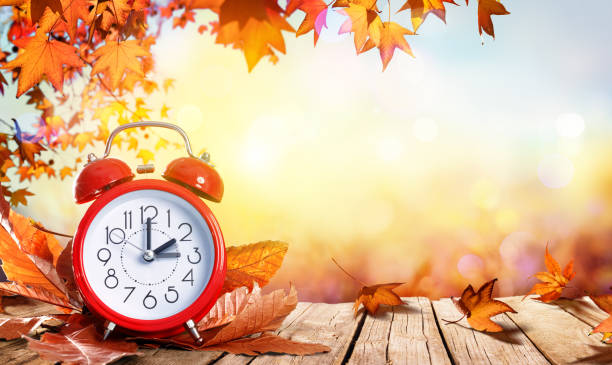

Welcome to your complete guide on the horario de invierno! You’ve likely heard the phrase “spring forward, fall back,” but what does it really mean? The shift to winter time, or horario de invierno, is more than just changing the clocks. It’s a practice that affects our daily schedules, our energy levels, and even the economy. In this guide, we will explore everything you need to know about this twice-a-year adjustment. We’ll cover its history, its impact on your health, and how different countries around the world handle this time change.
Whether you’re curious about why we do it or just want to make sure you’re not late for work, you’ve come to the right place. We’ll break down the pros and cons, share tips for adjusting smoothly, and answer all your burning questions about the annual switch to horario de invierno.
Key Takeaways
- What is Horario de Invierno? It refers to the period when clocks are set back one hour, marking the end of Daylight Saving Time (DST) and a return to standard time.
- Historical Context: The concept was introduced to save energy, particularly during times of war, though its modern-day energy-saving benefits are widely debated.
- Health Implications: The time change can disrupt our internal body clock, or circadian rhythm, leading to sleep issues, mood changes, and other health concerns.
- Global Perspective: Not all countries observe the horario de invierno. Many nations, especially those near the equator, do not change their clocks.
- Permanent DST Debate: There is an ongoing global discussion about whether to make Daylight Saving Time permanent and eliminate the biannual clock change.
What Exactly Is Horario de Invierno?
The term horario de invierno is Spanish for “winter schedule” or “winter time.” It specifically refers to the period of the year when countries that observe Daylight Saving Time (DST) revert to their standard time. This typically happens in the autumn. The main event is setting the clocks back by one hour. For example, when the clock strikes 2:00 AM, it is changed back to 1:00 AM, giving everyone an “extra” hour of sleep that day.
This adjustment marks the end of DST, which is the practice of setting clocks forward by one hour during the warmer months to extend daylight in the evenings. Consequently, the horario de invierno means that the sun will rise earlier in the morning and set earlier in the evening compared to the DST period. The goal is to align waking hours more closely with natural daylight. For people who have to wake up early for work or school, this means less time spent in the dark before sunrise, which can feel more natural and be safer for commuters.
The Return to Standard Time
Standard time is the local time in a country or region when Daylight Saving Time is not in use. The horario de invierno is essentially a return to this baseline. The specific dates for this change vary by country, but in the United States, it currently occurs on the first Sunday in November. This transition is often seen as a signal of the changing seasons, heralding the shorter days and longer nights of winter. While many enjoy the extra hour of sleep on the day of the change, the subsequent earlier sunsets can be a difficult adjustment for some.
Horario de Invierno vs. Daylight Saving Time
It’s easy to get the two concepts confused, but they are opposites. Think of it this way:
|
Feature |
Daylight Saving Time (DST) |
Horario de Invierno (Standard Time) |
|---|---|---|
|
Clock Change |
Spring forward one hour |
Fall back one hour |
|
Time of Year |
Spring and Summer |
Autumn and Winter |
|
Effect on Daylight |
More daylight in the evening |
More daylight in the morning |
|
Common Phrase |
“Spring forward” |
“Fall back” |
|
Purpose |
To extend evening daylight |
To align with natural sunrise |
Understanding the distinction is key. Daylight Saving Time is the “special” time, while the horario de invierno represents a return to the “normal” or standard schedule for the colder, darker half of the year.
A Brief History of Changing the Clocks
The idea of adjusting our clocks to make better use of daylight is not new. While ancient civilizations adjusted their daily schedules to the sun’s rhythm, the modern concept of Daylight Saving Time is often credited to a few key figures. One popular (though slightly inaccurate) story points to Benjamin Franklin. In 1784, while serving as an American envoy in Paris, he wrote a satirical essay suggesting that Parisians could save on candles by waking up earlier to use natural sunlight. However, he never proposed changing the clocks.
The real push for what would become DST came from George Hudson, a New Zealand entomologist, in 1895. He wanted more daylight in the evening to collect insects after his shift work, so he proposed a two-hour time shift. A few years later, in 1907, an English builder named William Willett independently came up with a similar idea to prevent the waste of daylight in the mornings. He campaigned tirelessly, but the British government did not adopt his plan. It wasn’t until World War I that the concept was finally implemented.
Wartime Energy Savings
Germany and its allies were the first to adopt DST in 1916. The goal was to conserve coal and other fuel for the war effort by reducing the need for artificial lighting in the evenings. The United Kingdom and many other European nations quickly followed suit. The United States adopted Daylight Saving Time in 1918. After the war, the practice was largely abandoned in the U.S. but became popular again during World War II for the same energy-saving reasons. Following the war, there was no federal law about it, leading to a chaotic system where different towns and states could start and end DST on whatever dates they chose. This confusion is what led to the Uniform Time Act of 1966.
The Uniform Time Act of 1966
To bring order to the chaos, the U.S. Congress passed the Uniform Time Act in 1966. This law established a standardized system for Daylight Saving Time across the country. It set the dates for the time changes and allowed states to opt out entirely but did not permit them to create their own unique schedules. Today, most of the United States observes DST, and therefore also the annual switch to horario de invierno. The only states that do not participate are Arizona (with the exception of the Navajo Nation) and Hawaii. Several U.S. territories, including Puerto Rico, Guam, and the U.S. Virgin Islands, also stick to standard time year-round.
The Impact of Horario de Invierno on Health
While an extra hour of sleep might sound great, the transition to horario de invierno can have a noticeable impact on our health. Our bodies run on an internal 24-hour cycle called the circadian rhythm. This “body clock” regulates many physiological processes, including our sleep-wake cycle, hormone release, and body temperature. It is highly sensitive to light exposure. When we abruptly change our clocks by an hour, we throw this delicate system out of sync.
This disruption is similar to experiencing a mild form of jet lag. For a few days, or even up to a week, you might feel groggy, have trouble falling asleep at the new time, or wake up feeling unrested. The earlier sunsets associated with the horario de invierno can also affect our mood. Less exposure to sunlight in the late afternoon and evening can lead to lower levels of serotonin, a neurotransmitter that helps regulate mood. For some individuals, this can trigger or worsen symptoms of Seasonal Affective Disorder (SAD), a type of depression related to the changing seasons.
Sleep Disruption and Its Consequences
The most immediate effect of the switch to horario de invierno is on our sleep. Even though we “gain” an hour, our internal clock doesn’t reset instantly. This can lead to:
- Difficulty falling asleep: Your body may not feel ready for bed an hour earlier according to the clock.
- Waking up too early: Your internal alarm might still go off at the old time, causing you to wake before you’ve had enough rest.
- Fragmented sleep: The overall quality of your sleep can decrease as your body struggles to adapt.
This sleep disruption, although temporary for most, can have ripple effects. It can lead to decreased alertness, reduced cognitive performance, and an increased risk of accidents, particularly in the days immediately following the time change.
Increased Health Risks?
Some studies have pointed to more serious health risks associated with the biannual time changes. While the “spring forward” transition in March is often linked to a more significant spike in heart attacks and strokes, the “fall back” to horario de invierno is not without its own concerns. Research has found an increase in hospital admissions for certain conditions in the weeks following the time change. The disruption to our circadian rhythm is a physiological stressor that can exacerbate underlying health issues. The link between time changes and health outcomes is a major reason why many experts and lawmakers are advocating for an end to the practice of switching clocks.
How to Adjust Smoothly to Horario de Invierno
The good news is that there are several things you can do to make the transition to horario de invierno easier on your body and mind. The key is to help your internal clock adapt gradually to the new schedule. Don’t wait until the day of the time change to think about it. A little preparation can make a big difference and help you avoid that jet-lagged feeling.
1. Adjust Your Schedule Gradually
Instead of shifting your entire schedule by an hour overnight, try making small adjustments in the days leading up to the change. About a week before the switch to horario de invierno, start going to bed and waking up 10-15 minutes later each day. By the time the clocks officially fall back, your body will already be close to the new schedule.
2. Prioritize Light Exposure
Light is the most powerful signal for your circadian rhythm. On the Sunday of the change and for the following few days, make it a priority to get outside for some sunlight as early as possible in the morning. This will help reset your internal clock and tell your brain that it’s time to be awake and alert. Conversely, try to reduce your exposure to bright lights, especially blue light from screens, in the evening.
3. Stick to a Consistent Routine
Even with the time change, try to keep your daily routines as consistent as possible. This includes mealtimes, exercise, and your bedtime ritual. Having a relaxing wind-down routine—such as reading a book, taking a warm bath, or listening to calming music—can signal to your body that it’s time to sleep. Try to avoid heavy meals, caffeine, and alcohol close to bedtime, as they can interfere with sleep quality.
4. Be Patient with Your Body
Remember that it’s normal to feel a bit off for a few days after the time change. Be kind to yourself and don’t expect to feel 100% right away. If you feel tired during the day, a short 20-minute nap can be beneficial, but try to avoid long naps, especially late in the afternoon, as they can make it harder to sleep at night. Continuing your research on how time affects our bodies can be fascinating; you can find interesting perspectives on platforms like https://siliconvalleytime.co.uk/.
The Global Perspective on Horario de Invierno
While many people in the United States and Europe are accustomed to changing their clocks twice a year, this practice is far from universal. In fact, only about 70 countries worldwide observe Daylight Saving Time, meaning the majority of the world’s population does not experience the switch to horario de invierno. The decision to adopt DST often depends on a country’s geography and economic needs.
Countries located near the equator, for example, have little reason to change their clocks. They experience roughly 12 hours of daylight and 12 hours of darkness year-round, so there is no significant amount of “daylight” to be saved. This is why you’ll find that most countries in Africa, South America, and Southeast Asia do not observe DST. Similarly, large countries like China and India have chosen to stick with a single standard time zone year-round to promote national unity and simplicity.
Who Stays on Standard Time?
- Asia: The vast majority of Asian countries, including China, Japan, South Korea, and India, do not observe DST.
- Africa: Nearly all African nations remain on standard time throughout the year.
- South America: While a few countries have experimented with it in the past, most of South America, including Brazil and Argentina, have recently abolished DST.
- Australia: The practice is decided by individual states and territories. Queensland, the Northern Territory, and Western Australia do not change their clocks.
This global patchwork of timekeeping practices can make coordinating international business and travel complex. It highlights that the debate over the usefulness of DST and the horario de invierno is not just a local issue, but a global one with varying solutions.
The Debate: Should We Abolish the Time Change?
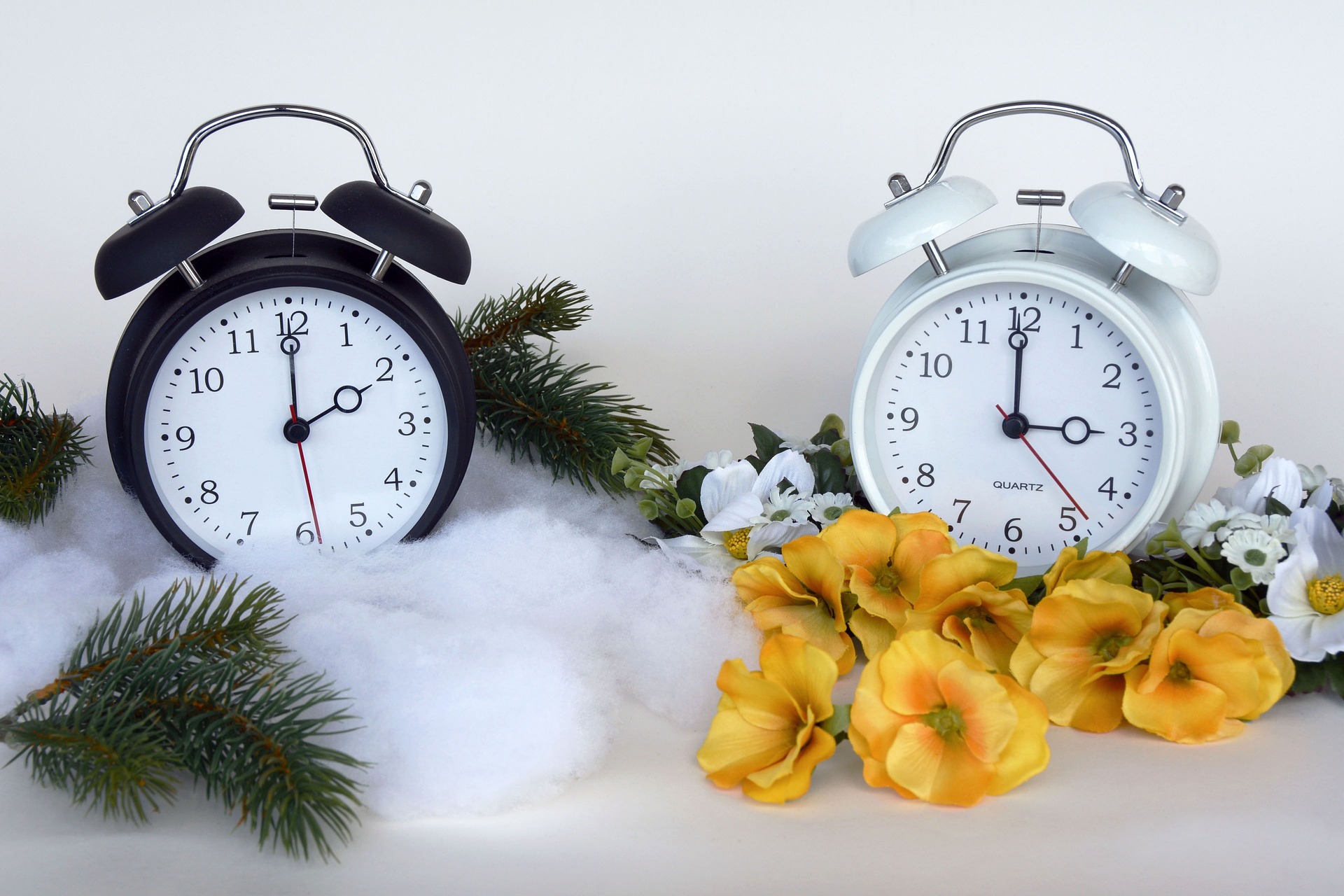
In recent years, the debate over whether to get rid of the biannual clock change has intensified. Critics argue that the original reason for DST—energy savings—is no longer significant in our modern, 24/7 society. Some studies even suggest that the time change might increase energy consumption. The arguments against switching clocks typically center on three main points: health, safety, and convenience.
Opponents point to the health problems discussed earlier, such as sleep disruption and increased risk of heart issues. They also highlight safety concerns, noting a rise in traffic accidents in the days following the time changes as drivers adjust to new light conditions and potential drowsiness. Finally, there’s the simple inconvenience. Forgetting to change clocks can lead to missed appointments and general confusion. The economic costs associated with adjusting schedules and software can also be substantial.
The Sunshine Protection Act
In the United States, the push to end the time change has gained significant political momentum. The Sunshine Protection Act, a piece of legislation that would make Daylight Saving Time permanent year-round, has been introduced in Congress multiple times. If passed, it would mean that Americans would no longer have to “fall back” into horario de invierno each November. The clocks would be set forward one last time and then stay there.
Proponents of permanent DST argue that it would provide more evening daylight throughout the year, which could boost the economy by encouraging more shopping and recreational activities after work. They also claim it could reduce crime rates and traffic accidents by having better visibility during the evening commute. However, there are also strong arguments against permanent DST. Critics worry that it would mean very dark mornings in the winter, which could be dangerous for children walking to school and for morning commuters. This is the main argument for returning to standard time, or horario de invierno, during the winter months. The debate is complex, with valid points on both sides.
Conclusion
The annual switch to horario de invierno is a long-standing tradition for many, marking a return to standard time and heralding the arrival of winter. It is a practice born from a desire to save energy, but its modern-day relevance is the subject of a fierce and ongoing debate. From its historical roots in wartime conservation to its noticeable effects on our health and daily routines, changing the clocks is more than just a minor inconvenience.
As we have seen, the disruption to our circadian rhythms can lead to sleep problems and other health concerns. Globally, the majority of the world has opted out of this system, choosing the stability of a single, year-round time. In the United States and Europe, the movement to end the biannual time change is growing stronger, with proposals like the Sunshine Protection Act bringing the issue to the forefront of public discussion. Whether the future holds permanent Daylight Saving Time, permanent standard time, or a continuation of the current system, understanding the complexities of the horario de invierno helps us all navigate this peculiar tradition. For now, the best we can do is prepare our bodies for the change and enjoy that extra hour of sleep when it comes.
Frequently Asked Questions (FAQ)
Q1: What does “horario de invierno” mean?
A1: Horario de invierno is a Spanish phrase that translates to “winter time” or “winter schedule.” It refers to the period when clocks are set back one hour from Daylight Saving Time to return to standard time, typically during the autumn and winter months.
Q2: Do all countries observe the horario de invierno?
A2: No, most countries do not. Only about 70 countries, primarily in North America and Europe, practice Daylight Saving Time and therefore switch back to standard time. Countries near the equator, as well as major nations like China and India, do not change their clocks.
Q3: When does the horario de invierno start in the United States?
A3: In the United States, the switch to horario de invierno (standard time) occurs on the first Sunday in November. Clocks are set back one hour at 2:00 AM local time.
Q4: Is the time change bad for my health?
A4: The abrupt one-hour shift can disrupt your body’s internal clock, or circadian rhythm. This can lead to temporary sleep problems, grogginess, and mood changes. Some studies suggest a link to more serious health issues, which is a major reason for the debate around abolishing the practice.
Q5: What is the Sunshine Protection Act?
A5: The Sunshine Protection Act is proposed legislation in the United States that would make Daylight Saving Time permanent. If it were to become law, Americans would no longer need to set their clocks back for the horario de invierno each fall. The debate is whether to adopt permanent DST or permanent standard time.
Ready for that “extra” hour of sleep? The annual switch to horario de invierno, or winter time, is just around the corner! 😴
But have you ever wondered why we still do it? This twice-a-year tradition affects more than just our clocks—it impacts our health, our schedules, and even our economy.
We’re breaking it all down in our new guide. Discover:
- The surprising history behind changing the clocks.
- How the time change really affects your body.
- The global debate on whether we should stop doing it for good.
Get all the facts and learn how to adjust smoothly. Read the full article here! [Link to Article]
#HorarioDeInvierno #TimeChange #FallBack #DaylightSaving



