








Welcome to a complete guide on how to make lean work for you and your organization. Many people hear the term “lean” and think it means cutting staff or resources. However, the true essence of lean is about maximizing value while minimizing waste. It’s a powerful methodology for improving efficiency, quality, and customer satisfaction. This article will break down the core principles and provide actionable steps on how to make lean a reality in your business. By understanding and applying these concepts, you can create smarter, more effective processes that lead to sustainable growth and a stronger competitive edge.
Key Takeaways
- Lean is about Value, Not Just Cuts: The primary goal is to enhance value for the customer by systematically eliminating waste from processes.
- The 8 Wastes are Key: Identifying and removing the eight wastes (Defects, Overproduction, Waiting, Non-utilized Talent, Transportation, Inventory, Motion, Extra-processing) is central to lean implementation.
- Kaizen is Continuous Improvement: Lean is not a one-time fix but a culture of ongoing, incremental improvements involving everyone in the organization.
- Tools Drive Implementation: Methods like 5S, Kanban, and Value Stream Mapping are practical tools that help visualize workflows, reduce clutter, and streamline operations.
- Leadership is Crucial: Successful lean transformation requires strong, committed leadership to guide the cultural shift and empower employees.
Understanding the Core Philosophy of Lean
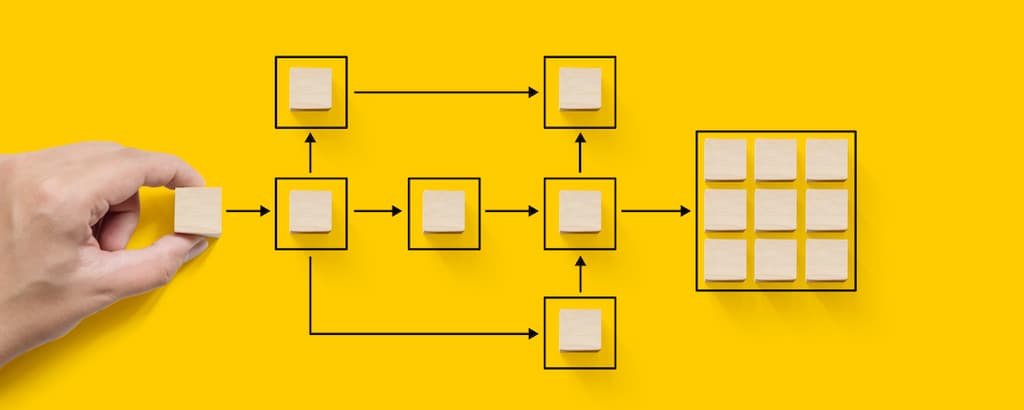
Before diving into the practical steps of how to make lean happen, it’s essential to grasp its underlying philosophy. At its heart, lean is a customer-centric methodology. Every action, process, and decision is evaluated based on a single question: Does this add value for the customer? If the answer is no, it’s considered waste and targeted for elimination. This focus on value is what separates lean from simple cost-cutting. Instead of indiscriminately slashing budgets, lean thinking surgically removes inefficiencies, which naturally reduces costs while often improving quality and speed.
This philosophy originated with Toyota’s manufacturing system but has since been adapted by countless industries, from healthcare and software development to government and finance. The goal is to create a culture of continuous improvement, or Kaizen, where every employee is empowered to identify and solve problems. It’s about building a learning organization that is agile, responsive, and relentlessly focused on delivering what the customer truly wants. Understanding this mindset is the first and most critical step in your journey.
The 5 Principles of Lean Thinking
The Lean Enterprise Institute outlines five core principles that provide a roadmap for implementation. Following these steps in sequence will guide you on how to make lean a structured and successful initiative.
- Specify Value: Define value from the customer’s perspective. What are they willing to pay for?
- Map the Value Stream: Identify all the steps in the process required to deliver that value, highlighting areas of waste.
- Create Flow: Make the value-creating steps occur in a tight, uninterrupted sequence.
- Establish Pull: Let customer demand pull products or services through the process. Avoid making things before they are needed.
- Seek Perfection: Continuously pursue improvement by repeating the cycle.
These principles are not just theoretical; they are an actionable framework. By defining value first, you ensure all subsequent efforts are aimed at the right target. Mapping the value stream gives you the visibility needed to see the waste, and creating flow and pull helps you eliminate it systematically. Finally, the pursuit of perfection ensures that lean becomes an integral part of your company’s culture, not just a temporary project.
Identifying the 8 Wastes (DOWNTIME)
A crucial part of learning how to make lean effective is becoming an expert at spotting waste. In lean methodology, waste (or Muda) is any activity that consumes resources but does not create value for the customer. The original seven wastes identified by Toyota have been updated to eight, often remembered by the acronym DOWNTIME.
- Defects: Products or services that are out of spec, requiring rework or scrapping. This is one of the most obvious forms of waste, as it directly costs time and materials.
- Overproduction: Producing more than is needed or producing it before it is needed. This leads to excess inventory, storage costs, and potential obsolescence.
- Waiting: Idle time created when processes are not synchronized. This could be waiting for materials, approvals, or the completion of a previous step.
- Non-Utilized Talent: Failing to use the skills, knowledge, and creativity of your team. This happens when employees are disengaged or micromanaged.
- Transportation: Unnecessary movement of products, materials, or information between processes. Every move adds risk of damage or delay without adding value.
- Inventory: Holding more materials, work-in-progress, or finished goods than necessary. Excess inventory ties up capital and hides other problems in the process.
- Motion: Unnecessary movement by people. This includes walking to get a tool, searching for a file, or excessive clicking in a software application.
- Extra-Processing: Performing work that is not valued by the customer. This includes over-designing, excessive reviews, or creating reports that no one reads.
Learning to see these wastes in your daily work is a skill. Encourage your team to become “waste hunters” and celebrate every piece of waste that is identified and eliminated.
How to Make Lean with Value Stream Mapping (VSM)
Value Stream Mapping is one of the most powerful tools in the lean toolkit. It is a visualization technique used to analyze and improve the flow of materials and information required to bring a product or service to a customer. A VSM helps you see not just the individual process steps, but the entire system, from start to finish. This high-level view is critical for identifying the sources of waste that are often hidden within departmental silos.
Getting Started with VSM
To create a value stream map, you typically start by mapping the current state. This involves walking the actual process (a practice called Gemba walk), talking to the people who do the work, and collecting real data on cycle times, wait times, and inventory levels. You visually represent each step, the flow of information, and the timeline. This process alone often reveals surprising inefficiencies. Once the current state map is complete, the team can begin to envision a future state—a leaner, more efficient process with much of the waste removed. This future state map becomes the blueprint for your improvement efforts.
From Mapping to Action
A VSM is not just a drawing; it’s a call to action. The gaps between the current and future state maps highlight the specific areas that need improvement. From there, you can launch targeted Kaizen events or projects to close those gaps. For example, if your map shows a long delay waiting for an approval, you can initiate a project to streamline the approval process. For those looking for deeper insights into process optimization, resources like those found at https://siliconvalleytime.co.uk/ can offer valuable perspectives on business technology and efficiency. VSM provides the clarity and focus needed to make strategic improvements rather than random tweaks.
The 5S System: Organizing for Efficiency
You can’t have an efficient process in a chaotic environment. The 5S system is a lean methodology for workplace organization that provides a foundation for all other improvement efforts. Its name refers to five Japanese words that describe the steps for creating a clean, organized, and high-performance workspace. Knowing 5S is fundamental to knowing how to make lean sustainable.
|
5S Step |
Japanese Term |
Meaning |
|---|---|---|
|
Sort |
Seiri |
Remove all unnecessary items from the workspace. |
|
Set in Order |
Seiton |
Arrange necessary items so they are easy to find, use, and return. |
|
Shine |
Seiso |
Clean the workspace and equipment regularly. |
|
Standardize |
Seiketsu |
Create standards and procedures to maintain the first three S’s. |
|
Sustain |
Shitsuke |
Make 5S a habit and part of the company culture. |
Implementing 5S in Your Workspace
Start with a “red tag” event for the Sort phase. Go through an area and place a red tag on every item you are unsure about. If the item isn’t used after a set period (e.g., 30 days), it gets removed. For Set in Order, think “a place for everything, and everything in its place.” Use labels, shadow boards, and designated storage areas. Shine is not just about aesthetics; it’s a form of inspection. While cleaning, you can often spot leaks, cracks, or other potential problems. Standardize ensures that improvements stick by creating visual guides and checklists. Finally, Sustain is the hardest part. It requires leadership commitment, regular audits, and recognition to keep the system from degrading back to its old state.
Kanban: Visualizing Workflow and Limiting Work-in-Progress
Kanban is a visual management system that helps teams visualize their workflow, limit work-in-progress (WIP), and maximize flow. Originally developed for manufacturing, it has been widely adopted in knowledge work, particularly software development. A simple Kanban board can be a powerful tool for anyone learning how to make lean principles tangible.
A basic Kanban board has three columns: To Do, In Progress, and Done. Tasks (represented by cards) move from left to right as they progress through the workflow. This simple visualization makes it immediately clear where bottlenecks are occurring. If the “In Progress” column is overflowing with cards, it’s a sign that the team is trying to do too much at once.
The Power of WIP Limits
The real magic of Kanban comes from setting Work-in-Progress (WIP) limits. A WIP limit is a rule that caps the number of tasks that can be in a particular stage of the workflow at any given time. For example, you might set a WIP limit of 3 on your “In Progress” column. This means the team cannot start a new task until one of the current three tasks is completed. This simple constraint has a profound effect. It forces the team to focus on finishing work rather than just starting it. It improves flow, reduces lead times, and exposes process problems that were previously hidden by multitasking.
Kaizen: The Culture of Continuous Improvement
Kaizen is the Japanese word for “continuous improvement,” and it is the cultural bedrock of any successful lean organization. It is the belief that everything can be improved and that small, incremental changes made over time will lead to significant results. Kaizen is not about top-down directives; it’s about empowering every employee, from the front lines to the executive suite, to be a problem-solver.
Running a Kaizen Event
While Kaizen is an ongoing mindset, it can be jump-started with a structured Kaizen event (also known as a Kaizen blitz). This is an intense, focused workshop, typically lasting 3-5 days, where a cross-functional team gathers to make rapid improvements to a specific process. The team maps the current process, brainstorms solutions, implements changes, and measures the results—all within a single week. The goal is to make tangible improvements immediately, not to write a long report. This hands-on approach builds momentum and demonstrates the power of focused, collaborative problem-solving. It’s a highly effective method for showing people how to make lean deliver real results quickly.
Fostering a Kaizen Culture
Beyond events, fostering a true Kaizen culture requires a shift in management style. Leaders must move from being directors to being coaches. They need to create a safe environment where employees feel comfortable pointing out problems without fear of blame. They should encourage experimentation, celebrate small wins, and provide teams with the time and resources they need to work on improvements. When everyone in the organization is constantly asking, “How can we make this better?” you have achieved a true culture of continuous improvement.
The Role of Leadership in a Lean Transformation
A lean transformation cannot succeed without active and unwavering support from leadership. This is perhaps the most critical factor in determining whether an organization’s efforts to implement lean will thrive or fail. Leaders must do more than simply approve the initiative; they must become its most visible champions and practitioners. They set the tone, define the vision, and allocate the resources needed for success.
Leading by Example
Leaders must be willing to learn and apply lean principles themselves. This includes participating in Gemba walks, joining Kaizen events, and using visual management tools to run their own meetings. When employees see their leaders actively engaging with the lean process, it sends a powerful message that this is not just another “flavor of the month” initiative. Leadership’s role is to remove barriers, provide coaching, and empower their teams. They must resist the urge to dictate solutions and instead learn to ask probing questions that guide teams to discover their own answers. This coaching style is fundamental to building a self-sufficient, problem-solving culture.
Measuring Success: Key Lean Metrics
To know if your lean efforts are working, you need to measure them. Lean metrics focus on process efficiency and customer value, moving beyond traditional financial-only reporting. Tracking the right key performance indicators (KPIs) will help you quantify your improvements and maintain momentum.
Important Metrics to Track
- Lead Time: The total time it takes for a product or service to go through the entire value stream, from customer order to delivery. This is a key indicator of overall process speed and responsiveness.
- Cycle Time: The time it takes to complete one specific task or process step. Reducing cycle times is a primary focus of Kaizen events.
- Takt Time: The rate at which you need to complete a product to meet customer demand. It’s calculated as Available Production Time / Customer Demand. Takt time helps synchronize the pace of production with the pace of sales.
- First Time Through (FTT) / First Pass Yield (FPY): The percentage of units that are completed through a process without any rework, scrap, or correction. This is a direct measure of quality.
- Overall Equipment Effectiveness (OEE): A metric that measures manufacturing productivity by combining three factors: Availability (uptime), Performance (speed), and Quality.
By tracking these metrics, you can create a clear picture of your operational performance and prove the business case for your lean initiatives.
Avoiding Common Pitfalls in Lean Implementation
Many organizations attempt to implement lean, but not all succeed. Learning how to make lean successful also means understanding the common pitfalls and how to avoid them. Foreknowledge of these challenges can help you navigate them more effectively.
One of the biggest mistakes is treating lean as a tool-based project rather than a cultural transformation. Teams might implement 5S or Kanban boards but fail to adopt the underlying philosophy of continuous improvement. This leads to short-term gains that are not sustainable. Another common error is a lack of leadership commitment. If leaders are not fully engaged, the initiative will lose momentum and be seen as optional.
Finally, poor communication can doom a lean effort. Employees may see it as a threat to their jobs if the “why” behind the changes is not clearly explained. It is crucial to communicate that lean is about eliminating waste, not people, and that its goal is to make their work easier and more valuable.
Conclusion
Embarking on a lean journey is a commitment to a new way of thinking and working. It’s a path that requires patience, persistence, and a genuine desire to create value for your customers. By understanding the core philosophy, mastering the key principles, and diligently applying tools like Value Stream Mapping, 5S, and Kanban, you can transform your organization. The journey begins with learning to see the waste that is all around you and then empowering your entire team to eliminate it. Remember, knowing how to make lean work is not about a single project; it’s about fostering a culture of continuous improvement that drives sustainable success for years to come.
Frequently Asked Questions (FAQ)
Q1: Is lean only for manufacturing companies?
No, absolutely not. While lean originated in manufacturing at Toyota, its principles have been successfully applied across a wide range of industries, including healthcare, software development, government, finance, and logistics. Any process that has steps, inputs, and outputs can be improved using lean thinking.
Q2: Does “going lean” mean I have to fire employees?
This is a common misconception. The true goal of lean is to eliminate waste, not people. By improving processes, you free up employees’ time from non-value-added tasks, allowing them to focus on more creative, problem-solving, and value-creating work. A core principle of the Toyota Production System is respect for people, which includes employment stability.
Q3: How long does it take to see results from lean?
You can see tangible results very quickly, often within days, by using focused tools like a Kaizen event or implementing a simple Kanban board. These initial wins are important for building momentum. However, achieving a full lean transformation and embedding a culture of continuous improvement is a long-term journey that can take several years.
Q4: Can a small business benefit from lean?
Yes, small businesses can benefit immensely from lean. In many ways, they are more agile and can implement changes faster than large corporations. Lean principles can help small businesses maximize their limited resources, improve cash flow by reducing inventory, and compete more effectively against larger players. The core ideas of how to make lean work are scalable to any size organization.
Q5: What is the single most important factor for a successful lean implementation?
While many factors are important, most experts agree that sustained, visible, and active leadership commitment is the single most critical element. Without leadership driving the change, providing resources, and modeling the desired behaviors, a lean transformation is very unlikely to succeed in the long run.



