





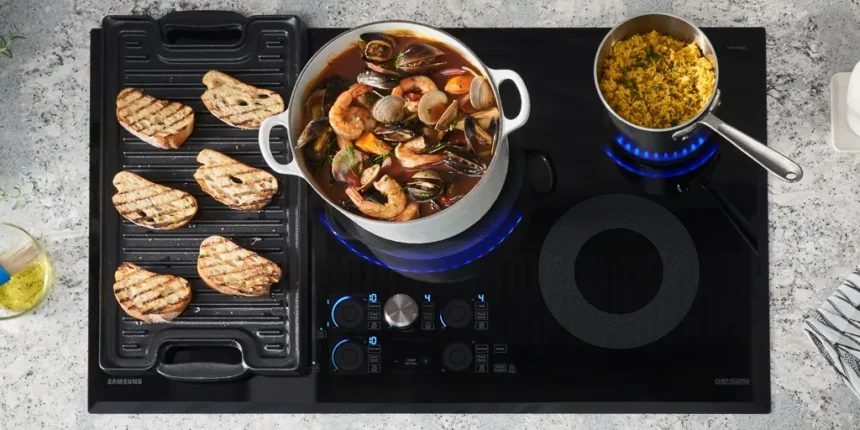

Cooking technology has changed a lot over the years. We started with wood fires, moved to gas, then to electric coils, and now, many people are talking about the induction stove. If you have walked through an appliance store lately or watched a home renovation show, you have probably seen these sleek, glass-top cooktops. They look futuristic, but are they actually better than what you are using right now?
This guide is designed to help you understand exactly what an induction stove is and why it might be the best choice for your next kitchen upgrade. We aren’t just talking about boiling water faster (though it does that too); we are looking at safety, energy bills, and how it changes the way you cook. By the end of this article, you will be an expert on induction cooking.
Key Takeaways
- Speed: An induction stove boils water significantly faster than gas or traditional electric.
- Safety: The surface stays relatively cool, reducing burn risks.
- Efficiency: It uses electromagnetic energy to heat the pan directly, wasting less heat.
- Cookware: You need magnetic pots and pans (cast iron or stainless steel).
- Cleaning: The smooth glass surface is incredibly easy to wipe down.
What Exactly Is an Induction Stove?
When you look at a standard electric cooktop and an induction stove, they might look identical. Both usually have a flat, black glass surface. However, the technology hidden underneath the glass is completely different. A traditional electric stove uses a metal coil that gets hot. That hot coil heats up the glass, and the hot glass heats up your pot. It’s a chain reaction of heat transfer.
An induction stove skips the middleman. Instead of using a heating element to get hot, it uses copper coils to create a magnetic field. When you place a magnetic pot on the cooking zone, that magnetic field creates electric currents directly inside the metal of the pot. This friction creates heat instantly. So, the stove doesn’t actually heat up; the pot heats itself up. This is a fundamental shift in how we think about cooking.
Because the heat is generated inside the cookware, the glass surface of the stove stays much cooler than a traditional electric or gas stove. This technology isn’t brand new, but it has become much more affordable and popular in the United States over the last decade. It offers a level of precision that professional chefs love, combined with safety features that parents appreciate.
How Does an Induction Stove Work?
The science behind an induction stove is fascinating but simple to understand. It relies on electromagnetism. Underneath that smooth ceramic glass top, there are coils of copper wire. When you turn on the burner, an alternating electric current flows through that coil. This creates an invisible, oscillating magnetic field. If there is no pot on the burner, nothing happens. No heat is produced because there is no metal to react with the magnetism.
However, the moment you place a compatible pan (one made of magnetic material like iron or steel) on that zone, the magic happens. The magnetic field induces swirling electric currents, known as “eddy currents,” inside the bottom of the pan. These currents encounter resistance within the metal, and that resistance generates heat very quickly.
This is why you can turn on an induction stove, put your hand on the burner, and not get burned (though the glass might be warm from a hot pot sitting on it previously, the stove itself isn’t generating heat). This direct transfer of energy is incredibly efficient. On a gas stove, a lot of heat escapes up the sides of the pan into the air. On an induction unit, almost all that energy goes right into your food.
The Major Benefits of Owning an Induction Stove
Unmatched Speed and Efficiency
One of the first things new owners notice is the speed. An induction stove can boil a large pot of water in roughly half the time of a standard gas burner. Because the energy goes directly into the cookware, you aren’t waiting for the burner to heat up, then the grate, and finally the pot. It is instantaneous. This speed can actually change your cooking workflow. You can’t walk away to chop vegetables while the water heats up—it will be boiling before you know it.
Precise Temperature Control
Gas stoves were long considered the king of control, but induction has taken the crown. When you turn down an induction stove, the change is immediate. There is no lag time while a coil cools down or a grate loses heat. You can go from a rolling boil to a gentle simmer in a second. This precision allows for delicate tasks, like melting chocolate or making sauces, without the fear of scorching them.
Enhanced Safety Features
Safety is a huge selling point. Since there is no open flame and no red-hot electric coil, the risk of accidental burns is much lower. If you turn on a burner by mistake but don’t put a pot on it, the induction stove won’t get hot. Also, most models have auto-shutoff features. If you remove the pan, the heating stops instantly. This is a game-changer for households with curious children or pets.
Easy Cleaning
Cleaning a gas stove involves removing heavy grates and scrubbing burner caps. Cleaning an electric coil stove involves dealing with drip pans. Cleaning an induction stove is as simple as wiping a counter. Since the surface doesn’t get scorching hot, spilled food doesn’t bake onto the glass instantly. You can usually just wipe up spills with a damp cloth right after cooking.
The Drawbacks: Why Isn’t Everyone Using One?
The Initial Cost
While prices have dropped, an induction stove is generally more expensive to buy upfront than a basic electric or gas model. You are paying for advanced technology. However, many users find that the energy savings over time and the improved cooking experience make up for the initial price tag.
Cookware Compatibility
This is the big hurdle for many people. You cannot use just any pot or pan. Aluminum, copper, and glass cookware will not work on an induction stove unless they have a special magnetic layer added to the bottom. You need cast iron, enameled cast iron, or stainless steel. A simple test is to take a magnet from your fridge and see if it sticks firmly to the bottom of your current pots. If it sticks, they will work.
The Learning Curve
Switching to induction requires a slight adjustment in habits. Because it heats so fast, you have to be prepped and ready to cook. You also might notice some noises. Sometimes, the magnetic connection can cause a quiet buzzing or humming sound, especially at high power settings. It isn’t loud, but it is different from the silent heat of a standard electric coil or the whoosh of gas.
Is Induction Cooking Safe?
When people hear about magnetic fields, they sometimes worry about health effects. The good news is that cooking on an induction stove is very safe. The electromagnetic fields created are extremely localized—they only exist effectively within an inch or two of the burner surface. They do not radiate far into the room.
The biggest safety advantage is the lack of indoor air pollution. Gas stoves release nitrogen dioxide, carbon monoxide, and other particulates into your kitchen air, which can aggravate asthma and other respiratory issues. An induction stove produces zero emissions. This makes for a much healthier indoor environment, especially in newer, tightly insulated homes where ventilation might be an issue.
Furthermore, the risk of grease fires is reduced. Since the surface around the pan stays cool, grease splatters don’t hit a hot surface and ignite. The “hot surface” indicators on induction cooktops are also very helpful, letting you know exactly when the glass is safe to touch after the residual heat from the pot has dissipated.
Induction vs. Gas: The Great Debate
|
Feature |
Induction Stove |
Gas Stove |
|---|---|---|
|
Speed |
Extremely Fast |
Fast |
|
Efficiency |
85-90% Efficient |
40-55% Efficient |
|
Cleaning |
Easy (Flat Glass) |
Difficult (Grates/Burners) |
|
Safety |
No flame, cool surface |
Open flame, gas leak risk |
|
Air Quality |
Zero Emissions |
Releases Indoor Pollutants |
|
Cookware |
Must be Magnetic |
Any Cookware |
|
Cost |
Higher Upfront |
Lower Upfront |
For decades, professional chefs swore by gas because of the visual feedback of the flame. However, the tide is turning. Many top restaurants are switching to induction because it keeps the kitchen cooler. A gas stove pumps a lot of heat into the room, making a commercial kitchen incredibly hot. An induction stove puts the heat in the food, keeping the ambient temperature comfortable.
For the home cook, the choice often comes down to preference and infrastructure. If you love using copper pans or round-bottom woks, gas might still be your preference (though there are induction woks now). But for boiling pasta, searing steaks, and general daily cooking, induction is objectively faster and more efficient.
Understanding Wattage and Power Requirements
Before you buy an induction stove, you need to look at your kitchen’s electrical setup. Induction cooktops are powerful appliances. Most full-size induction ranges require a 220-240 volt outlet, similar to an electric dryer or a standard electric oven. They usually need a dedicated circuit with a 40 or 50-amp breaker.
The “wattage” tells you how powerful a burner is. A large burner on an induction stove might go up to 3,700 watts when using a “power boost” feature. This is a massive amount of energy delivered instantly to your food. In contrast, a small simmer burner might operate at around 1,200 to 1,400 watts.
If you are replacing a gas stove, you might need an electrician to install the correct outlet. If you are replacing a standard electric stove, you likely already have the correct voltage, but you should always check the amperage requirements of the new unit against your electrical panel to be safe.
The Right Cookware for Your Induction Stove
As mentioned earlier, your cookware is the engine of your induction stove. If the magnet doesn’t stick, the heat doesn’t happen.
What Works:
- Cast Iron: The classic choice. It is highly magnetic and retains heat well. Just be careful not to scratch the glass surface with rough bottoms.
- Enameled Cast Iron: (Like Le Creuset or Dutch ovens). These work perfectly and are often smoother on the bottom.
- Stainless Steel: Most high-quality stainless steel pans are induction-compatible. Look for “clad” or “multi-ply” cookware where a magnetic steel layer is on the exterior.
- Carbon Steel: Similar to cast iron but lighter; excellent for induction.
What Usually Doesn’t Work:
- Aluminum: Unless it has a special steel plate bonded to the bottom.
- Copper: Unless it is specifically manufactured for induction.
- Glass/Ceramic: Pyrex or CorningWare won’t work on the stovetop.
- 100% Stainless Steel: Some cheaper stainless steel is not magnetic due to high nickel content. Always do the magnet test.
Installation and Maintenance Tips
Installing an induction stove is generally similar to installing a standard electric smooth-top range. However, because of the electronics inside, ventilation is key. Induction units have fans underneath to keep their internal components cool. You must ensure there is proper airflow clearance below the cooktop if you are installing a drop-in unit into a counter.
Maintenance is surprisingly low. The most important rule is to avoid abrasive cleaners. Do not use steel wool or gritty scrubbing powders on the glass surface. They can create micro-scratches that weaken the glass over time. Use a cleaner specifically designed for ceramic glass cooktops or simple soapy water.
Also, try to avoid sliding rough pans across the surface. While the glass is tough ceramic-glass (often distinct brands like Schott Ceran), it isn’t invincible. Lift your heavy cast iron skillet rather than dragging it to prevent scratches on your beautiful new induction stove.
Troubleshooting Common Issues
While reliable, you might encounter a few quirks with an induction stove.
The Stove Won’t Turn On:
Usually, this is a safety feature. If the pan isn’t on the burner, or if the pan isn’t magnetic, the controls might flash, and the unit won’t heat. Check your cookware first.
Clicking or Humming Sounds:
This is normal. The humming is the sound of the magnetic energy vibrating the layers of metal in your pan. The clicking is often the sound of the electronics cycling on and off to maintain a specific temperature (especially at lower settings). Heavier, higher-quality cookware often buzzes less than lightweight pans.
Uneven Heating:
This is rarely the fault of the stove and usually the fault of the pan. If your pan is warped or has a bottom that isn’t perfectly flat, it won’t make good contact with the sensor or the magnetic field. Use flat-bottomed, high-quality cookware for the best results.
Environmental Impact of Switching to Induction
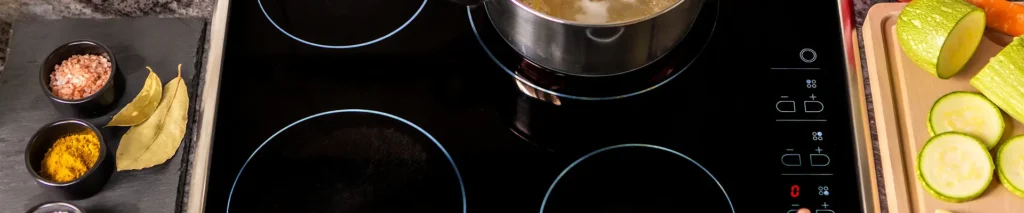
We are all looking for ways to be greener, and swapping to an induction stove is a significant step. Because they are roughly 85-90% efficient, you are using less electricity to cook the same amount of food compared to a standard electric coil (which is about 70% efficient).
Compared to gas, the environmental win is even bigger. Moving away from burning fossil fuels (natural gas) in the home reduces your carbon footprint. As the electrical grid becomes greener with more solar and wind power, your induction stove becomes a zero-carbon way to cook.
Furthermore, there is the efficiency of your home’s cooling system. In the summer, cooking on a gas stove heats up your kitchen, forcing your air conditioner to work harder. Induction puts less waste heat into the room, saving you money on cooling bills during hot months.
Smart Features and Modern Tech
Modern appliances are getting smarter, and the induction stove is leading the pack. Many high-end models now come with Wi-Fi connectivity. You can monitor your cooktop from your phone, checking to make sure you turned all the burners off after you left the house.
Some models feature “chef assist” or “guided cooking” modes. You tell the stove what you are cooking (like a steak or rice), and it automatically adjusts the temperature to the perfect setting. There are even “freedom” cooktops where there are no defined circles. You can place up to four or five pots anywhere on the surface, and the stove detects exactly where they are and heats only those spots.
Another cool feature is “pot detection.” If you move a pot from one burner to another, some smart stoves will ask if you want to transfer the settings to the new spot, so you don’t have to reprogram the temperature.
Induction Stove Myths Debunked
There is a lot of misinformation out there. Let’s clear up some myths about the induction stove.
- Myth 1: You need special electricity.
-
- Fact: You just need the standard 240V outlet that most electric stoves use. You don’t need a “special” type of electricity, just the right voltage.
- Myth 2: It interferes with pacemakers.
-
- Fact: While the British Heart Foundation suggests keeping a distance of 2 feet implies extreme caution, most modern research shows that at normal cooking distances, induction units are safe for those with pacemakers. However, consulting your doctor is always the best path if you have specific medical devices.
- Myth 3: The glass breaks easily.
-
- Fact: The ceramic glass is incredibly strong and designed to hold heavy pots. Unless you drop a heavy cast iron skillet from a height directly onto it, it is unlikely to break.
- Myth 4: It’s hard to control.
-
- Fact: This is a holdover from old electric stoves. Induction is actually more responsive and controllable than gas.
Key Factors for Buying
When you are ready to shop, keep these factors in mind:
- Size: Do you need a 30-inch or 36-inch width?
- Burner Layout: Do you need a large “bridge” element for a griddle pan?
- Controls: Do you prefer touch controls or physical knobs? (Some people hate tapping glass with wet fingers).
- Power Boost: Look for models with a “boost” function for ultra-fast boiling.
- Trim: Some have a metal rim (protection against chips) while others are frameless (easier to clean).
Conclusion
Making the switch to an induction stove is a significant upgrade for any kitchen. It offers a blend of speed, safety, and efficiency that other technologies simply cannot match. While the need for magnetic cookware and the initial cost are valid considerations, the long-term benefits of energy savings, easier cleaning, and precise cooking control usually outweigh the downsides.
Whether you are a master chef looking for the perfect simmer or a busy parent who just needs to get pasta on the table in 10 minutes, induction technology has something to offer. It is cleaner for the air in your home and gentler on the planet. As we move toward more electrified homes, induction is clearly the future of cooking.
If you are interested in how technology is reshaping our daily lives beyond just the kitchen, be sure to visit Silicon Valley Time for more insights into the latest tech trends.
For even more technical details on the history and physics behind this amazing appliance, you can check out this resource on the induction stove.
Frequently Asked Questions (FAQ)
1. Can I use a wok on an induction stove?
Yes, but a flat-bottomed wok works best. Round-bottom woks require a special induction concave burner or a wok ring designed to transfer the magnetic field.
2. Does induction cooking taste different?
No. Heat is heat. The method of generating the heat does not change the flavor of the food. However, because you have better control, you might burn food less often!
3. Will an induction stove scratch easily?
The glass is durable, but salt or sugar granules trapped under a pan can cause scratches if you slide the pan. Always lift pans to move them.
4. How long do induction cooktops last?
The average lifespan is about 10,000 cooking hours, which translates to roughly 10 to 15 years depending on usage. This is comparable to standard electric cooktops.
5. Is it safe for children?
Yes, it is one of the safest options. The surface doesn’t get as hot as gas or electric radiant, and there is no open flame. Many models also feature a “child lock” button that disables the controls.



