







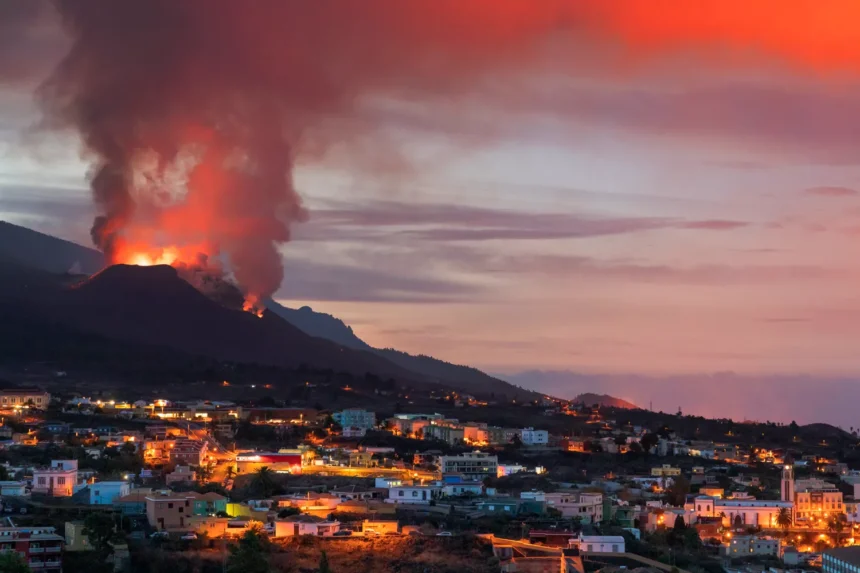

Welcome to the ultimate guide to La Palma, one of the most stunning and unspoiled gems in the Canary Islands. Often called “La Isla Bonita” (The Beautiful Island), this destination offers a world of dramatic landscapes, from lush green forests to stark volcanic craters. It’s a place where you can hike above the clouds, gaze at one of the clearest night skies on Earth, and wander through charming, colorful towns. This article will take you on a journey through everything that makes La Palma an unforgettable destination, perfect for adventurers, nature lovers, and anyone looking to escape the ordinary. We will explore its unique geography, rich culture, and the countless activities that await you.
Key Takeaways
- La Palma is known as “La Isla Bonita” for its breathtaking natural beauty, diverse landscapes, and status as a UNESCO Biosphere Reserve.
- It is a world-renowned destination for stargazing, home to the Roque de los Muchachos Observatory, one of the most important astronomical sites in the Northern Hemisphere.
- The island has a network of well-maintained hiking trails, including the famous Ruta de los Volcanes, offering treks through volcanic landscapes and ancient forests.
- Recent volcanic activity, like the 2021 eruption, has reshaped parts of the island, creating new land and highlighting its dynamic geological nature.
- The culture of La Palma is a vibrant mix of Spanish traditions and unique local customs, evident in its festivals, cuisine, and architecture.
What Makes La Palma So Special?
Unlike some of its more crowded neighbors in the Canary Islands, La Palma offers a sense of tranquility and raw, untouched nature. The entire island was declared a UNESCO Biosphere Reserve in 2002, a testament to its successful efforts in preserving its unique environment. The island’s geography is a study in contrasts. In the north, you’ll find dense, misty laurel forests that feel like a scene from a prehistoric movie. In the south, the landscape is dominated by the dramatic, dark terrain of recent volcanic eruptions.
This diversity is what draws visitors from all over the world. You can spend your morning hiking through the verdant Caldera de Taburiente National Park and your afternoon relaxing on a black sand beach. The commitment to environmental protection means that development is carefully controlled, preserving the island’s authentic charm. This focus on sustainability makes a trip to La Palma feel both refreshing and responsible, allowing you to connect with nature in a profound way. The island’s small towns, with their traditional Canarian architecture and friendly locals, add to its unique and welcoming atmosphere.
A Stargazer’s Paradise: The Skies of La Palma
One of the most famous aspects of La Palma is its exceptionally clear and dark night sky. The island is considered one of the best places in the world for astronomy, both for professionals and amateurs. This is thanks to the “Ley del Cielo” (Sky Law), a set of regulations that controls light pollution, air traffic routes, and radio wave emissions to protect the pristine conditions for stargazing. These strict rules ensure that the views of the cosmos are absolutely breathtaking.
At the highest point of the island, 2,426 meters (7,959 feet) above sea level, sits the Roque de los Muchachos Observatory. This world-class facility is home to some of the most advanced telescopes on the planet, including the Gran Telescopio Canarias (GTC), which is currently the largest single-aperture optical telescope in the world. While the professional observatories are generally for scientific research, the island offers plenty of opportunities for visitors to enjoy the stars. There are designated astronomical viewpoints (miradores astronómicos) scattered across La Palma, and several tour companies offer guided stargazing experiences with powerful telescopes and expert guides who can point out constellations, planets, and distant galaxies. It’s a truly humbling and magical experience.
Exploring the Volcanic Heart of La Palma
La Palma is, at its core, a volcanic island, and its landscape is a living record of its fiery past and present. The island was formed by countless eruptions over millions of years, creating a dramatic and fascinating terrain that is perfect for exploration.
The Ruta de los Volcanes (Volcanoes Route)
For avid hikers, the Ruta de los Volcanes is an absolute must-do. This famous trail runs along the southern spine of the island, taking you on a journey through a series of volcanic craters and cones. The trek is about 17.5 kilometers (11 miles) long and offers some of the most spectacular views on the island. As you walk, you’ll see a stunning palette of colors in the volcanic rock, from deep reds and oranges to jet blacks. The path leads you through pine forests and across barren lava fields, showcasing the incredible resilience of nature. The sense of walking on a landscape that was forged by immense power is both exhilarating and awe-inspiring. On a clear day, you can see the neighboring islands of Tenerife, La Gomera, and El Hierro from the trail.
The 2021 Cumbre Vieja Eruption
In September 2021, the world turned its attention to La Palma when the Cumbre Vieja volcano erupted after 50 years of dormancy. For nearly three months, lava flowed across the Aridane Valley, creating a new peninsula (known as a fajana) and dramatically altering the landscape. While the eruption was a destructive event for many residents, it also offered a powerful reminder of the island’s dynamic geology. Today, the area is slowly recovering, and the newly formed lava fields stand as a stark and powerful monument to the creative and destructive forces of nature. Visiting the affected area (from safe, designated viewpoints) provides a unique opportunity to witness the earth’s geology in action and understand the profound impact of volcanic activity on the island and its people.
Caldera de Taburiente National Park
At the heart of La Palma lies the Caldera de Taburiente National Park, a massive erosion crater that is approximately 10 kilometers (6 miles) across and up to 2 kilometers (1.2 miles) deep. This is not a volcanic crater in the traditional sense; it was formed over millions of years by erosion and massive landslides. Today, it is a protected national park and a paradise for hikers and nature lovers. The interior of the caldera is a lush world of Canary Island pine forests, deep ravines, and freshwater streams.
There are numerous trails within the park, ranging from easy walks to challenging all-day treks. A popular route is the trail that descends into the heart of the caldera to the Cascada de los Colores, a beautiful waterfall stained with vibrant hues of orange, yellow, and green from the iron and mineral deposits in the water. The park’s main viewpoint, Mirador de la Cumbrecita, offers breathtaking panoramic views into the massive crater. Due to the park’s popularity and to protect its delicate ecosystem, access to some areas, like La Cumbrecita, requires booking a parking spot in advance.
The Enchanting Forests of La Palma

Beyond the volcanic landscapes, La Palma is home to some of the most enchanting forests in the Canary Islands. These green havens provide a cool and refreshing contrast to the sun-drenched coasts and barren volcanic peaks.
Los Tilos: A Prehistoric Laurel Forest
In the northeastern part of the island lies the forest of Los Tilos, a core part of the UNESCO Biosphere Reserve. This is one of the most important laurel forests (laurisilva) in the Macaronesian region (a collection of four archipelagos in the North Atlantic Ocean). Walking through Los Tilos feels like stepping back in time. The dense canopy of ancient laurel and linden trees creates a perpetually misty, humid environment where giant ferns and moss-covered trees thrive. The air is cool and fragrant with the smell of damp earth and vegetation. There are several well-marked trails, including a short, family-friendly circular path and more challenging hikes that take you deeper into the forest’s heart.
Charming Towns and Rich Culture
The culture of La Palma is as vibrant and colorful as its landscapes. The island’s towns and villages are filled with historical charm, traditional architecture, and a welcoming atmosphere.
Santa Cruz de La Palma: The Historic Capital
The island’s capital, Santa Cruz de La Palma, is widely regarded as one of the most beautiful towns in the Canary Islands. Its historic center is a beautifully preserved collection of Renaissance-era buildings, cobblestone streets, and traditional Canarian houses with ornate wooden balconies. The main street, Avenida Marítima, is famous for its row of these balconies, adorned with colorful flowers. A stroll through the city will take you past charming plazas, historic churches, and the Museo Naval, a museum housed in a life-sized replica of Christopher Columbus’s ship, the Santa María. The city has a relaxed, unhurried pace, making it a wonderful place to simply wander, enjoy a coffee at a sidewalk café, and soak in the history.
Tazacorte: Sun and Color by the Sea
Located on the sunny west coast, the municipality of Tazacorte boasts more hours of sunshine than anywhere else in Spain. The town itself is a charming cluster of colorful houses, while its port, Puerto de Tazacorte, offers a lovely black sand beach and some of the best seafood restaurants on the island. It was here that the Spanish conquerors first landed in 1492. Today, it’s a peaceful place to enjoy the sun, swim in the Atlantic, and watch the fishing boats come and go. The combination of its sunny climate, beautiful beach, and excellent dining makes Tazacorte a favorite spot for both locals and visitors.
The Unique Beaches of La Palma
The beaches of La Palma are as unique as the rest of the island. Forget endless stretches of golden sand; here, the volcanic nature of the island is on full display. The beaches are composed of fine, black volcanic sand that sparkles in the sun.
|
Popular Beaches on La Palma |
Location |
Key Features |
|---|---|---|
|
Puerto Naos |
West Coast |
Large, popular beach with a promenade and amenities. |
|
Charco Verde |
West Coast |
Small, sheltered cove known for its calm waters. |
|
Playa de Nogales |
North Coast |
Wild, dramatic beach set against towering cliffs. |
|
Piscinas de La Fajana |
North Coast |
Natural swimming pools protected from ocean waves. |
|
Playa de Echentive |
South Coast |
A newer beach formed by the 1971 eruption. |
Puerto Naos and Charco Verde on the west coast are popular choices, offering calm waters and full facilities. For a more wild and dramatic experience, head to Playa de Nogales on the northern coast, a stunning black sand beach backed by massive green cliffs. Access requires a walk down a steep path, but the scenery is well worth the effort. In the south, near the Fuencaliente lighthouse, you can visit Playa de Echentive, a beach created by the 1971 eruption of the Teneguía volcano, where you can also find natural thermal pools. Another fantastic option, especially for families, is the Piscinas de La Fajana in the north, a set of natural saltwater swimming pools protected from the open ocean.
Cuisine: A Taste of La Isla Bonita
The food of La Palma is simple, rustic, and delicious, relying on fresh, locally sourced ingredients. The island’s cuisine is a highlight of any visit and reflects its agricultural heritage.
A cornerstone of Canarian cuisine is papas arrugadas (“wrinkly potatoes”), small local potatoes boiled in salt water and served with a zesty mojo sauce. There are two main types of mojo: mojo rojo (red), made with peppers and paprika, and mojo verde (green), made with cilantro and parsley. Other local specialties include goat cheese (queso de cabra), often smoked or served fresh, and gofio, a type of flour made from roasted grains that has been a staple in the Canarian diet for centuries. Given its location, fresh fish and seafood are abundant. You can enjoy grilled parrotfish (vieja), sea bream, and other local catches. For those interested in digital trends and business insights while traveling, resources like the articles on a site such as https://siliconvalleytime.co.uk/ can offer interesting reads.
Conclusion
La Palma is truly a world apart. It is an island that invites you to slow down, connect with nature, and marvel at the power of the universe. From the fiery heart of its volcanoes to the starlit canopy of its night sky, it offers an experience that is both deeply grounding and incredibly inspiring. Whether you are an adventurer seeking challenging hikes, an astronomer chasing dark skies, or simply someone looking for a peaceful escape into nature, La Palma delivers on all fronts. Its commitment to preserving its natural and cultural heritage ensures that the “Beautiful Island” will remain a special destination for generations to come. A visit here is more than just a vacation; it’s an opportunity to witness a world of incredible diversity and raw, untamed beauty.
Frequently Asked Questions (FAQ)
Q1: What is the best time of year to visit La Palma?
A1: La Palma is a year-round destination thanks to its mild climate. The best time depends on your interests. For hiking, spring (April-June) and autumn (September-October) offer pleasant temperatures. For beach-goers, the summer months (July-August) are warmest. Stargazing is excellent all year, but the winter months offer longer nights and views of different constellations.
Q2: Do I need to rent a car on La Palma?
A2: Renting a car is highly recommended. While there is a public bus system (called guaguas), having a car gives you the freedom and flexibility to explore the island’s many remote viewpoints, trailheads, and hidden gems at your own pace. The roads are well-maintained but can be steep and winding, so be prepared for some scenic driving.
Q3: Is La Palma safe to visit after the 2021 volcanic eruption?
A3: Yes, La Palma is completely safe to visit. The eruption ended in December 2021, and life on the island has largely returned to normal. The affected areas are concentrated on a specific part of the west coast, while the vast majority of the island was untouched. You can safely visit designated viewpoints to see the new lava flows.
Q4: What language is spoken on La Palma?
A4: The official language is Spanish. In tourist areas, hotels, and restaurants, you will often find people who speak English and German. However, learning a few basic Spanish phrases is always appreciated by the locals and will enhance your experience.
Q5: Is La Palma a good destination for families?
A5: Absolutely. La Palma offers many family-friendly activities. Children will love the black sand beaches, the natural swimming pools, and the shorter, easier trails in places like Los Tilos. The island is safe, clean, and has a relaxed atmosphere, making it a great choice for a family holiday focused on nature and outdoor activities.



