





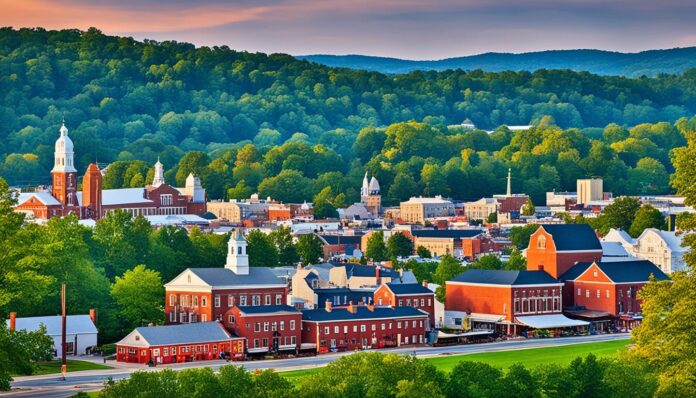

Welcome to Lancaster! This name might bring a few different places or historical events to mind, and for good reason. It’s a name shared by cities, historical royal houses, and even famous aircraft. In this guide, we’ll take a deep dive into the most well-known Lancaster in the United States—Lancaster, Pennsylvania—a city where rich history meets modern vibrancy. We will also touch on other notable Lancasters to give you a full picture. From its deep roots in American history to its bustling arts scene and beautiful countryside, there’s so much to explore. This article will guide you through its past, present, and what makes it such a special place to visit or call home.
Key Takeaways
- Lancaster, Pennsylvania, is one of the oldest inland towns in the United States, with a history that includes serving as the nation’s capital for one day.
- The city is a central hub in Lancaster County, often associated with the Pennsylvania Dutch and the Amish community, offering a unique cultural experience.
- Modern Lancaster boasts a thriving arts scene, a diverse culinary landscape, and a growing economy with opportunities in healthcare, manufacturing, and technology.
- Beyond Pennsylvania, the name “Lancaster” is significant in England, California, and World War II history, each with its own unique story.
- The region offers a high quality of life with a blend of urban amenities and scenic, rural landscapes, making it attractive to families, young professionals, and retirees.
The Rich History of Lancaster, Pennsylvania
To truly understand Lancaster, you have to look back at its incredible history. Founded in 1729, Lancaster is one of the oldest inland cities in the United States. Its central location made it a crucial hub during the colonial era. The city was named after Lancaster, England, by its founder, John Wright. During the American Revolutionary War, the city played a pivotal role. It served as a safe haven for the Continental Congress, which met here on September 27, 1777. This makes Lancaster a former capital of the United States, even if it was just for a single day! This brief but important moment cemented its place in American history.
Throughout the 18th and 19th centuries, Lancaster grew into a prosperous center for trade and craftsmanship. It was known for producing superior goods, including the famous Conestoga wagon, which was essential for westward expansion, and the Pennsylvania long rifle, a key tool for frontiersmen. The city’s Central Market, established in 1730, is the oldest continuously operated public farmers’ market in the country, a living testament to its long-standing agricultural and commercial heritage. This deep history is not just in books; it’s visible in the city’s well-preserved architecture and historic sites.
Lancaster’s Role in American History
Lancaster’s contribution to the nation’s story extends beyond its one day as capital. The city was a significant munitions center during the Revolution, supplying the Continental Army with weapons and supplies. Its strategic location, away from the British-occupied coast but close enough to the action, made it an ideal location for industry and political meetings. Figures like George Ross, a signer of the Declaration of Independence, called Lancaster home. The city’s spirit of independence and ingenuity has been a core part of its identity for centuries, shaping it into the resilient and forward-thinking community it is today.
Exploring the Heart of Pennsylvania Dutch Country
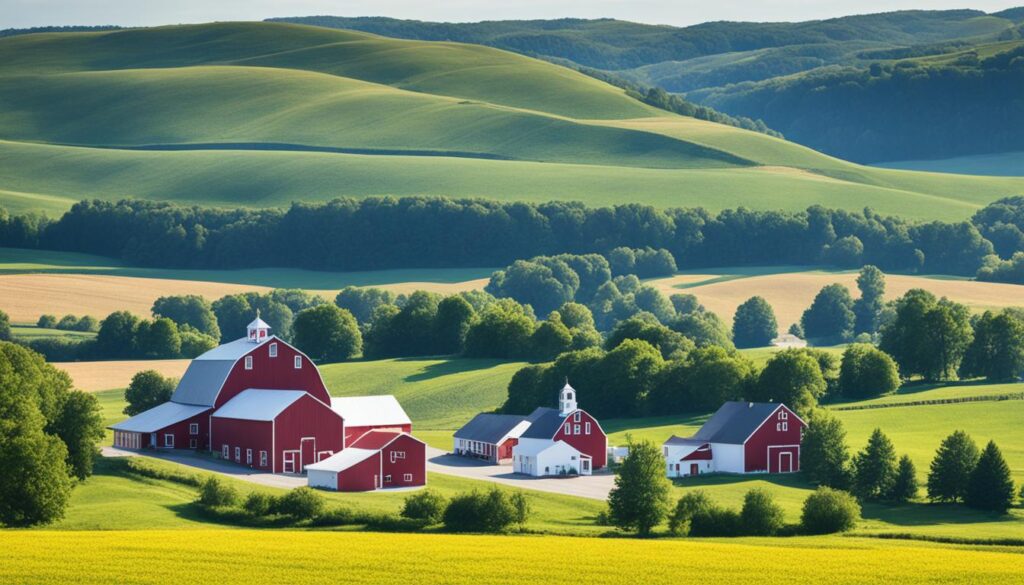
When many people hear the name Lancaster, they immediately think of the surrounding Lancaster County and its famous Pennsylvania Dutch and Amish communities. This region offers a unique window into a way of life that prioritizes simplicity, faith, and community over modern conveniences. A trip through the rolling hills and picturesque farmlands reveals horse-drawn buggies sharing the road with cars, immaculate farms with towering silos, and communities living in a manner that has changed little over the centuries. This cultural landscape is one of the biggest draws for tourists, offering a peaceful and fascinating contrast to the hustle and bustle of modern life.
Visiting this area provides an opportunity to learn about the Amish and Mennonite cultures directly. You can take guided tours of Amish farms, visit traditional workshops to see crafts being made, and shop for handmade quilts, furniture, and delicious baked goods. This isn’t a theme park; it’s a real, thriving community. It’s important for visitors to be respectful of their culture and privacy. The experience is both educational and humbling, providing insight into a deeply held set of values that have sustained these communities for generations.
The Amish and Mennonite Communities
The Old Order Amish and Mennonite groups in Lancaster County are Anabaptists, meaning they believe in adult baptism. Their ancestors came to Pennsylvania from Europe in the 18th century seeking religious freedom. They are known for their plain dress, their rejection of modern technologies like public-grid electricity and cars, and their commitment to a rural, agrarian lifestyle.
- Family and Community: The family is the most important social unit, and communities are tight-knit and supportive.
- Simplicity: Their lifestyle is a conscious choice to live simply and separate themselves from the temptations of the modern world.
- Craftsmanship: They are renowned for their high-quality craftsmanship, including furniture making, quilting, and farming.
- Language: Many speak a dialect of German known as Pennsylvania Dutch (or Pennsylvania German) at home.
Understanding their culture is key to a respectful and enriching visit to the region.
The Modern and Vibrant City of Lancaster
While its history and the surrounding countryside are major attractions, the city of Lancaster itself is a buzzing, modern hub. Downtown Lancaster has undergone a remarkable revitalization over the past two decades. It is now home to a flourishing arts scene, an array of independent shops, and a culinary landscape that rivals much larger cities. The city has managed to preserve its historic charm while embracing a progressive and innovative spirit. This unique blend makes it an exciting place to live and visit.
The heart of this vibrancy is Penn Square, where the iconic Central Market and the grand Soldiers and Sailors Monument stand. From here, you can explore blocks of historic buildings that now house art galleries, boutique hotels, and world-class restaurants. First Friday, a monthly celebration of the arts, sees galleries and shops stay open late, with live music and performances filling the streets. This event showcases the city’s creative energy and strong sense of community. Lancaster proves that a city can honor its past while eagerly building its future.
Arts, Culture, and Entertainment
The arts are truly alive in Lancaster. The city is home to the Ware Center and the Fulton Theatre, a National Historic Landmark and one of the oldest continuously operating theaters in the country. These venues host everything from Broadway tours and symphony orchestras to independent films and avant-garde performances.
Gallery Row on the first and second blocks of North Prince Street is the epicenter of the visual arts scene, featuring dozens of galleries and studios. The city’s commitment to public art is also evident in its many murals and sculptures that add color and character to its streets. This creative pulse attracts artists and art lovers from all over, contributing to the city’s dynamic atmosphere. For more on how technology and culture intersect, you might find interesting insights at resources like https://siliconvalleytime.co.uk/, which explores global innovation trends.
Culinary Scene: A Food Lover’s Paradise
Lancaster’s dining scene is a delightful surprise for many visitors. It has evolved far beyond its traditional Pennsylvania Dutch roots, though you can certainly still find whoopie pies and shoofly pie. Today, the city is a true foodie destination. You’ll find a diverse range of options, from farm-to-table restaurants that take advantage of the region’s agricultural bounty to international cuisine, craft breweries, and cozy coffee shops. Many talented chefs have been drawn to the city, creating innovative dishes that have earned Lancaster national recognition. The city’s many farmers’ markets, especially the historic Central Market, provide direct access to fresh, local ingredients, inspiring both professional chefs and home cooks.
Famous Lancaster Foods
|
Food Item |
Description |
|---|---|
|
Shoofly Pie |
A traditional molasses-based pie with a crumb topping. It’s a classic Pennsylvania Dutch dessert. |
|
Whoopie Pies |
Two soft, cake-like chocolate cookies with a creamy white filling in between. |
|
Chow-Chow |
A tangy pickled relish made from a mix of vegetables, often including peppers, onions, and cabbage. |
|
Scrapple |
A loaf made from pork scraps, cornmeal, and spices, which is sliced and pan-fried. |
Other Notable Lancasters Around the World
While Lancaster, PA, is a focal point, the name holds significance elsewhere. Understanding these other Lancasters adds depth to the name’s global footprint.
Lancaster, England: The Original
The city in Pennsylvania gets its name from Lancaster, England. This historic city in northwest England is the county town of Lancashire. It has a rich history that dates back to Roman times. Its most prominent landmark is Lancaster Castle, which has served as a fortress, a court, and a prison over its thousand-year history. The city was also the center of the House of Lancaster, a royal dynasty that vied for the English throne during the Wars of the Roses in the 15th century. This historical conflict between the House of Lancaster (symbolized by the red rose) and the House of York (the white rose) is a major chapter in English history.
Lancaster, California: A Desert City
On the other side of the United States, you’ll find Lancaster, California. Located in the Antelope Valley in Southern California’s Mojave Desert, this city has a very different character. Incorporated in 1977, it’s a much younger city focused on aerospace and technology. It’s part of a region with deep ties to the aviation industry, being close to Edwards Air Force Base. Lancaster, CA, is also known for its commitment to renewable energy, particularly solar power. Its sunny, arid climate makes it an ideal location for large-scale solar projects. The city even has a street named The BLVD, which has been revitalized into a vibrant downtown destination with shopping, dining, and cultural events.
The Avro Lancaster: A Famous Warplane
The name Lancaster also soars into the sky as the Avro Lancaster, a British heavy bomber used by the Royal Air Force during World War II. This iconic aircraft was the backbone of the RAF’s nighttime bombing campaign against Germany. Known for its large bomb bay, it could carry some of the heaviest bombs of the war. The Lancaster was flown in thousands of missions and is remembered for its role in several famous raids, including the “Dambusters” raid. It remains a powerful symbol of British resilience and ingenuity during the war, and beautifully preserved examples can be seen in museums today.
Why Lancaster, PA, is a Great Place to Live
Many people who visit Lancaster, PA, find themselves drawn to the idea of living there. The region offers a high quality of life that is hard to match. It provides a unique balance between urban and rural living. You can enjoy the amenities of a sophisticated city—great food, arts, and culture—while being just minutes away from peaceful countryside and outdoor recreation. The cost of living is generally more affordable than in major metropolitan areas on the East Coast, like Philadelphia or New York City, yet those cities are still easily accessible by train or car.
The area is also known for its excellent healthcare systems and strong sense of community. The economy is diverse, with major employers in healthcare, manufacturing, tourism, and professional services. For families, the region offers good schools and plenty of family-friendly activities. Whether you are a young professional, a growing family, or a retiree, Lancaster provides a welcoming and enriching environment.
Economic and Educational Opportunities
The economy in Lancaster is robust and growing. While agriculture remains important, the county has a diverse economic base. Major industries include:
- Healthcare: Lancaster General Health (part of the University of Pennsylvania Health System) is a major employer and a leading healthcare provider.
- Manufacturing: The county has a strong manufacturing sector, producing everything from food products to advanced electronics.
- Tourism: The unique cultural heritage and beautiful landscape attract millions of visitors each year, supporting a thriving hospitality industry.
- Technology: A growing tech scene is emerging, with startups and established companies finding a supportive ecosystem in the city.
In terms of education, the area is home to several colleges and universities, including Franklin & Marshall College, a prestigious liberal arts school, and Millersville University. These institutions contribute to the intellectual and cultural life of the city and provide a skilled workforce.
Conclusion
The name Lancaster resonates with history, culture, and innovation across the globe. From the ancient castles of England to the desert skies of California, it’s a name with many stories. However, for many in the United States, Lancaster, Pennsylvania, stands out. It’s a place where the past is not just remembered but is a living part of the present. It offers a rare blend of historic charm and modern energy, a place where you can explore a centuries-old market in the morning and attend a contemporary art show at night. Whether you’re interested in its pivotal role in American history, the unique culture of the Pennsylvania Dutch country, or its vibrant modern city life, Lancaster is a destination that offers something for everyone. It is a true American treasure, continually reinventing itself while holding fast to the values that have defined it for centuries.
Frequently Asked Questions (FAQ)
Q: What is Lancaster, PA, most famous for?
A: Lancaster, PA, is most famous for being the heart of Pennsylvania Dutch Country, home to one of the largest Amish communities in the United States. It’s also known for its rich colonial history, including serving as the nation’s capital for one day in 1777, and for having the country’s oldest continuously operating farmers’ market.
Q: Is Lancaster, PA, a good place to visit with kids?
A: Absolutely. Lancaster offers many family-friendly activities. You can visit the Hands-on House Children’s Museum, take a ride on the Strasburg Rail Road, explore Dutch Wonderland amusement park, or visit a working farm. The mix of history, culture, and fun makes it an excellent destination for all ages.
Q: How far is Lancaster from other major cities?
A: Lancaster is conveniently located. It’s about a 1.5-hour drive from Philadelphia, a 2-hour drive from Baltimore, and about a 3-hour drive from both New York City and Washington, D.C. It is also well-connected by Amtrak train service.
Q: What is the best time of year to visit Lancaster?
A: The fall is a particularly popular time to visit Lancaster due to the beautiful autumn foliage, harvest festivals, and pleasant weather. However, summer is also great for enjoying outdoor activities and farmers’ markets, while the spring brings blooming flowers and new life to the farms. The holidays in winter are also magical, with special events and decorations.
Q: What does “Pennsylvania Dutch” mean?
A: “Pennsylvania Dutch” is a term for the German-speaking immigrants who came to Pennsylvania in the 17th and 18th centuries and their descendants. The “Dutch” is a corruption of the German word “Deutsch,” which means “German.” The group includes various religious denominations, including the Amish and Mennonites.



