




Key Takeaways
- Subtle Enhancement: A lip flip uses Botox to relax the upper lip muscle, making it flip slightly outward for a fuller appearance without adding volume.
- Affordability: This procedure is significantly cheaper than dermal fillers, often costing between $80 and $150.
- Minimal Downtime: Recovery is almost immediate, though full results take about a week to appear.
- Temporary Results: Unlike fillers that last months or years, a lip flip typically lasts 3 to 4 months.
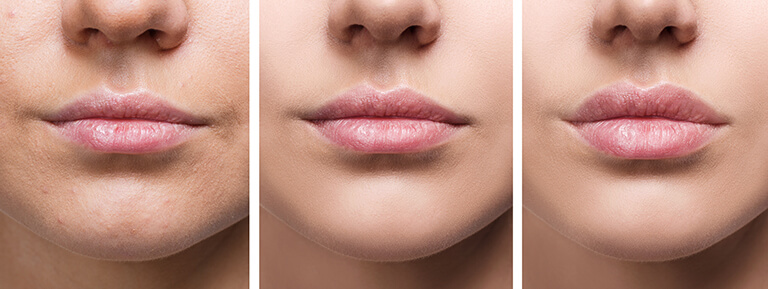
- Natural Look: The “lip flip before and after” photos usually show a subtle change that enhances your smile without looking “done.”
What Is a Lip Flip and Why Is Everyone Talking About It?
If you have been scrolling through social media lately, you have probably seen countless posts about lip enhancements. While lip fillers have been the gold standard for years, a newer, more subtle contender has entered the chat: the lip flip. This procedure has gained massive popularity because it offers a natural look that doesn’t scream “I just had work done.” Essentially, a lip flip involves injecting a small amount of neuromodulator, such as Botox, into the muscle just above your upper lip. This relaxes the muscle, causing the lip to roll slightly outward.
The primary reason everyone is buzzing about the lip flip before and after results is the cost-effectiveness and low commitment level. Unlike fillers, which can be expensive and last for a long time, a lip flip is a quick, affordable way to test out a fuller look. It’s perfect for people who feel their upper lip disappears when they smile or for those who want to correct a “gummy smile.” Because it uses Botox rather than a gel filler, it doesn’t actually add volume; it just rearranges the volume you already have to make it more visible.
Furthermore, the procedure is incredibly fast. It is often referred to as a “lunchtime procedure” because you can literally get it done on your lunch break and go right back to work. There is almost no recovery time, and the side effects are minimal compared to more invasive cosmetic treatments. For many, the appeal lies in the subtlety. You look like yourself, just with a slightly poutier upper lip. It’s the kind of enhancement that makes people ask, “You look great, did you change your makeup?” rather than “Who is your injector?”
Understanding the Anatomy: How the Lip Flip Works
To truly appreciate the transformation you see in lip flip before and after photos, it helps to understand a little bit about facial anatomy. The star of the show here is the orbicularis oris muscle. This is the circular muscle that surrounds your mouth. It is responsible for all the movements your lips make, like puckering, whistling, and closing your mouth. When this muscle is tight or overactive, it can curl the upper lip inward, making it look thinner than it actually is.
During a lip flip procedure, a provider injects small units of a neuromodulator (like Botox or Dysport) into specific points along the upper border of the lip, also known as the vermilion border. The goal isn’t to freeze the lip completely—you still need to be able to talk and eat! Instead, the goal is to relax the superficial layers of the muscle just enough so that it loses the tension that keeps the lip rolled in. Once that tension is gone, the lip naturally relaxes and flips outward.
This creates the illusion of a fuller lip. It creates more “pink show,” which is the visible part of the lip. This is distinct from fillers, which physically pump a substance like hyaluronic acid under the skin to expand the tissue. With a lip flip, you aren’t changing the size of your lip; you are changing its shape and positioning. This anatomical difference is why the lip flip before and after looks so natural. It is working with your existing features rather than adding foreign volume to them.
Comparing Lip Flip vs. Lip Fillers: Which is Right for You?
One of the most common questions people ask when researching lip enhancements is about the difference between a lip flip and fillers. It can be confusing because both treatments aim to improve the appearance of the lips, but they do it in completely different ways. Lip fillers involve injecting a gel-like substance (usually hyaluronic acid) directly into the lip tissue to add physical volume. If you want significantly bigger lips, fillers are the way to go.
On the other hand, a lip flip uses Botox to relax the muscle. It creates the illusion of fullness by flipping the lip out. If you already have decent volume but your lip disappears when you smile, a lip flip is the better choice. The lip flip before and after effect is much more subtle than filler. Fillers can also address lines on the lips and hydration, whereas a lip flip strictly addresses the positioning of the upper lip.
Another major difference is longevity and cost. Fillers are an investment; they can cost anywhere from $500 to $1,000 per syringe and last for 6 to 12 months. A lip flip is much cheaper, usually around $100, but it only lasts about 3 to 4 months. For many first-timers, the lip flip is a great “gateway” treatment because it’s low risk and temporary. If you don’t like it, it wears off quickly.
|
Feature |
Lip Flip |
Lip Fillers |
|---|---|---|
|
Substance Used |
Neuromodulator (Botox, Dysport) |
Dermal Filler (Hyaluronic Acid) |
|
Mechanism |
Relaxes muscle to flip lip outward |
Adds physical volume to tissue |
|
Results |
Subtle, more “pink show” |
increased volume and shape definition |
|
Longevity |
3-4 months |
6-12 months |
|
Cost |
$80 – $150 |
$500 – $1,000+ |
|
Downtime |
Minimal |
Swelling/bruising for a few days |
The Ideal Candidate: Who Should Get a Lip Flip?
Not everyone is the perfect candidate for this procedure. The best candidates are usually those who are looking for a subtle change rather than a dramatic transformation. If you look in the mirror and feel like your upper lip is thin, or if you notice that your upper lip curls under and vanishes every time you smile, you are likely a great candidate. This curling phenomenon is exactly what the procedure is designed to fix, leading to those impressive lip flip before and after comparisons.
It is also an excellent option for people who want to treat a “gummy smile.” A gummy smile is when a significant amount of gum tissue is visible above your top teeth when you smile. By relaxing the muscle that lifts the upper lip, the lip doesn’t rise as high, covering more of the gums and creating a more balanced smile. However, you need to have realistic expectations. If you want distinct volume or a change in the actual structure of your lips, you might be disappointed with just a lip flip.
Conversely, there are people who should avoid it. If you rely heavily on your lips for your profession—for example, if you are a trumpet player, a singer, or a public speaker who requires very precise pronunciation—you might want to skip this. Because the muscle is relaxed, it can make certain movements, like whistling or drinking through a straw, slightly more difficult. While these side effects are usually temporary and mild, they can be bothersome for people who need full muscle strength in their mouths.
Preparing for Your Appointment: Do’s and Don’ts
Getting ready for a lip flip is relatively straightforward, but there are a few things you should do to ensure the best possible results and minimize any potential bruising. First and foremost, you need to find a reputable provider. Even though it is a quick procedure, it requires a deep understanding of facial anatomy. Injecting too much or in the wrong spot can lead to a droopy smile or difficulty speaking. Always look for “before and after” photos from the specific injector you plan to visit.
In the week leading up to your appointment, you should avoid blood-thinning medications and supplements if possible (and approved by your doctor). This includes aspirin, ibuprofen, fish oil, and Vitamin E. Avoiding these helps reduce the risk of bruising at the injection sites. You should also avoid alcohol for at least 24 hours before your treatment, as alcohol can also thin the blood and increase the likelihood of bruising.
On the day of the appointment, come with a clean face. Your injector will clean the area thoroughly, but it helps if you aren’t wearing heavy foundation or lipstick. Being hydrated is also a good idea. If you have a history of cold sores, let your provider know, as the needle stick could potentially trigger an outbreak. They might prescribe an antiviral medication for you to take beforehand. By following these simple steps, you set yourself up for a smooth recovery and a great lip flip before and after result.
The Procedure: What Happens During the Treatment?
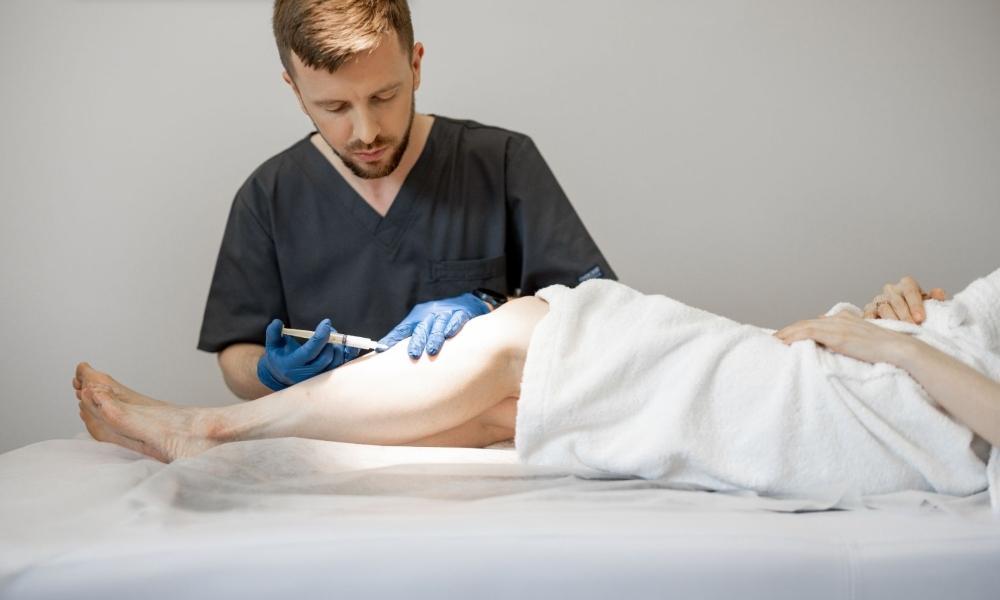
The actual appointment for a lip flip is incredibly quick—so quick that you might be surprised when it’s over. Once you arrive and check in, your provider will consult with you to discuss your goals. This is the time to show them examples of the lip flip before and after look you are hoping to achieve. They will examine your facial muscle movement to determine exactly where to place the injections.
You will sit in a comfortable chair, and the provider will clean the skin around your mouth with alcohol or an antiseptic solution. They usually do not use a numbing cream for a lip flip because the injections are so quick and shallow, and the numbing cream takes longer to work than the procedure itself. However, if you are very sensitive to pain, you can ask for ice or a topical numbing agent beforehand.
The injector will then use a very tiny needle to inject small amounts of Botox into the orbicularis oris muscle. Typically, they will do about four to six injections along the upper lip border. You might feel a tiny pinch or a sting, comparable to a mosquito bite or plucking a hair. The whole injection process takes less than two minutes. Once they are done, they might apply a little pressure to the area to prevent bruising, and then you are good to go!
Pain Management and Comfort Levels
One of the biggest fears people have regarding cosmetic procedures is pain. The good news is that the lip flip is widely considered to be very tolerable. On a pain scale of 1 to 10, most patients rate it at about a 2 or a 3. The needle used is extremely fine, often the same size used for insulin injections, so it causes minimal trauma to the skin.
Because the injections are placed superficially into the muscle and not deep into the tissue or bone, the sensation is fleeting. It is a quick “poke” and then it is over. The area above the lip is sensitive, certainly more so than the forehead, but the discomfort is manageable for almost everyone. The anticipation is usually worse than the actual poke.
If you are particularly anxious about needles, let your provider know. They can use distraction techniques, ice packs to numb the area immediately before the injection, or vibration tools that confuse the nerve endings so you don’t feel the poke as sharply. Remember, the goal is to get that beautiful lip flip before and after result, and a few seconds of mild discomfort is a small price to pay for months of a perfected pout.
Immediate Aftercare: The First 24 Hours
Once you leave the clinic, your lip flip journey has officially begun, but your behavior in the first 24 hours is crucial. You want the Botox to settle exactly where it was placed and not migrate to other muscles. The general rule is: don’t touch it! Avoid rubbing or massaging your upper lip for the rest of the day. You don’t want to spread the product to muscles that control your nose or the corners of your mouth.
You should also stay upright for at least four hours after the injections. This means no lying down for a nap immediately after your appointment. Avoid intense exercise for 24 hours as well. Exercise increases blood flow and heart rate, which could potentially metabolize the product too quickly or cause it to move. It also increases the risk of bruising.
Be mindful of how you eat and drink. Avoid drinking through a straw for the first day or two, as the puckering motion puts stress on the muscle. Smoking is also a big “no” for the same reason. Stick to easy-to-eat foods and try not to wipe your mouth aggressively with a napkin. Following these simple rules ensures that your lip flip before and after photos will show a symmetrical, beautiful result rather than complications.
The Recovery Timeline: When Will You See Results?
Patience is key when it comes to a lip flip. Unlike fillers, which offer instant gratification, neuromodulators like Botox take time to work. Immediately after the procedure, you might see tiny red bumps where the needle entered the skin. These usually disappear within 20 to 30 minutes. You might also have a tiny bit of swelling, but it is typically unnoticeable to anyone else.
For the first few days, you won’t notice any changes in your lip shape. You might feel like the procedure didn’t work, but don’t panic! This is normal. Around day 3 or 4, you might start to feel the upper lip becoming slightly weaker or more relaxed. It might feel a bit strange to rub your lips together or apply lip balm. This is a sign that the toxin is starting to take effect on the muscle.
Full results are usually visible around 10 to 14 days post-treatment. This is when you should take your own lip flip before and after selfie. At the two-week mark, the muscle is fully relaxed, and the lip has flipped outward to its maximum extent. If you feel like your results are uneven or not noticeable after two full weeks, that is the appropriate time to call your provider for a follow-up or a touch-up.
Understanding the “Weird” Phase
Between day 3 and day 10, some patients experience what is affectionately known as the “weird phase.” As the muscle begins to relax, your mouth might feel different when you talk or eat. You might find it hard to pronounce letters like “P” or “B” with your usual force. Drinking from a water bottle or spitting out toothpaste might require a little more concentration than usual.
This sensation can be alarming if you aren’t expecting it, but it is actually a sign that the treatment is working. The muscle is relaxing, which means it isn’t gripping as tight as it used to. Your brain will quickly adjust to this new feeling. Most people adapt within a few days and stop noticing the difference in function, enjoying the aesthetic benefits instead.
It is important to remember that these functional changes are temporary. As the Botox wears off over the coming months, full muscle strength will return. The “weird phase” is usually very mild, but being aware of it helps manage anxiety during the recovery process. It’s all part of the journey toward that perfect lip flip before and after transformation.
Lip Flip Before and After: Analyzing the Visual Differences
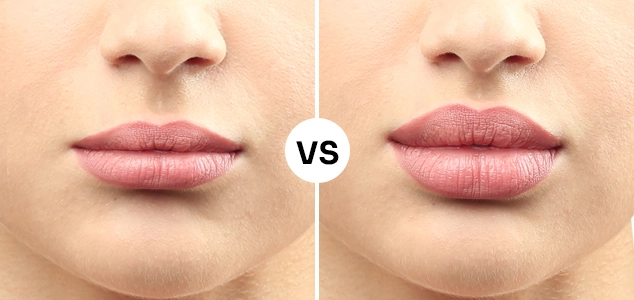
When you look at lip flip before and after photos, the changes are distinct but often hard to pinpoint if you don’t know what to look for. In the “before” photos, you will typically see a thinner upper lip, especially when the person is smiling. The lip might look like a straight line, or it might curl inward so much that the vermilion (the pink part) is barely visible. The distance between the nose and the lip (the philtrum) might appear longer.
In the “after” photos, the most immediate difference is the amount of pink lip showing. The upper lip looks taller and more defined. The Cupid’s bow (the dip in the center of the upper lip) often looks more pronounced and elegant. When the person smiles in the “after” photo, the lip stays visible rather than disappearing. It creates a softer, more youthful appearance around the mouth.
However, note that the projection of the lip hasn’t changed. From a side profile, the lip won’t stick out more than it did before. This is the key difference from fillers. The volume is the same; the visibility is different. The result is a relaxed, pouty look that appears effortless. It is the “your lips but better” effect that so many people desire today.
Potential Side Effects and Risks
While the lip flip is considered a safe, low-risk procedure, it is not without potential side effects. The most common side effect is mild bruising or swelling at the injection site, which usually resolves within a few days. You can cover this with makeup after the initial 24-hour period.
More specific to the lip flip are functional side effects. Because you are weakening the muscle that controls the mouth, you might experience difficulty whistling, drinking through a straw, or pronouncing certain words. In rare cases, if too much Botox is used, patients might have trouble keeping fluids in their mouth when drinking, or their smile might look asymmetrical or crooked. This is why going to an experienced injector is non-negotiable.
Another potential risk is a “droopy” lip if the injection is placed too low or spreads to the wrong muscles. Fortunately, because Botox is temporary, any unwanted side effects will wear off over time. Unlike fillers, which can be dissolved if you hate them, Botox just has to be waited out. Understanding these risks helps you make an informed decision about your lip flip before and after expectations.
Longevity: How Long Does a Lip Flip Last?
One downside to the lip flip, compared to fillers, is that it doesn’t last very long. Because the mouth is a high-movement area—we are constantly talking, eating, and expressing ourselves—the body metabolizes the Botox faster here than it does in the forehead. Typically, a lip flip lasts between 3 and 4 months.
For some people with very fast metabolisms, it might start wearing off as early as 8 weeks. For others, it might stretch to 5 months. You will know it is wearing off when you regain full mobility of your upper lip. You will be able to whistle easily again, and your lip will start to curl under when you smile.
Because of the short duration, maintenance is required if you want to keep the look. Most patients schedule their appointments every 3 to 4 months. The good news is that the procedure is affordable, so maintaining it throughout the year is often still cheaper than one syringe of high-quality lip filler. Keeping up with appointments ensures your lip flip before and after look remains consistent.
Cost Breakdown: Is It Worth the Money?
When discussing the lip flip before and after, cost is a huge factor in its popularity. In the United States, the cost usually depends on how many units of Botox are used and the geographical location of the clinic. A lip flip typically requires only 4 to 6 units of Botox. At an average price of $12 to $15 per unit, the medication cost is low. However, many clinics have a minimum fee for appointments.
Generally, you can expect to pay between $80 and $150 for a lip flip. Some luxury med-spas in major cities like New York or Los Angeles might charge upwards of $200. Compared to lip fillers, which average $600 to $800 per syringe, the lip flip is a bargain.
Is it worth it? For the right candidate, absolutely. If your main concern is a disappearing upper lip or a gummy smile, $100 is a small price to pay for a solution that works. It is also a low financial risk if you just want to “try on” a new look. If you decide it’s not for you, you haven’t wasted a significant amount of money.
Combining Treatments: Lip Flip Plus Fillers
For those chasing the ultimate pout, combining a lip flip with dermal fillers can produce stunning results. This is often called the “lip flip plus.” While the lip flip addresses the rolling of the muscle, the filler addresses the actual volume and hydration of the lips. Doing both can give you the best of both worlds: projection and height.
Usually, providers recommend doing the lip flip first or at the same time as the filler. By relaxing the muscle, the filler can settle beautifully without being compressed by a tight orbicularis oris muscle. This combination can extend the lifespan of the aesthetic result, although the Botox portion will still wear off faster than the filler.
If you look at lip flip before and after photos that look incredibly dramatic and voluminous, chances are the patient had a combination treatment. It is important to discuss this with your injector. They can tailor a plan where you get filler once a year and maintain the shape with a lip flip every few months. This customized approach often yields the most satisfying and long-lasting outcomes.
Finding a Qualified Provider
The skill of your injector makes or breaks your lip flip before and after result. Never bargain hunt for cosmetic procedures. “Cheap Botox” often leads to poor placement, diluted product, or unsanitary conditions. You want a licensed medical professional—a nurse injector, physician assistant, or dermatologist—who has specific training in this area.
Look for reviews online, specifically mentioning the lip flip. Check their Instagram or website for a portfolio of their work. You want to see consistent, natural-looking results. During your consultation, ask how many lip flips they perform weekly. You want someone who does this day in and day out.
Also, pay attention to the consultation itself. A good provider will be honest with you. If they think you won’t get good results from a lip flip and need filler instead, listen to them. They are the experts in anatomy. Trusting a qualified professional ensures your safety and satisfaction. For more insights on lifestyle and trends, you can check out https://siliconvalleytime.co.uk/.
Tips for Maintaining Your Results
While you cannot stop the Botox from wearing off eventually, there are small things you can do to potentially extend the life of your lip flip. The most important thing is to take care of your skin. Keeping your lips hydrated with high-quality balms keeps them looking plump and healthy, which enhances the aesthetic effect.
Sun protection is also vital. UV rays break down collagen and can degrade treatments faster. Use a lip balm with SPF whenever you are outside. Additionally, try to manage stress. High stress produces cortisol, which can negatively impact the skin and potentially speed up the breakdown of neuromodulators.
Zinc supplements have been anecdotally reported by some patients to help Botox last longer, though scientific evidence is mixed. Taking a zinc supplement a few days before your treatment might be worth a try. Ultimately, the best maintenance is simply scheduling your next appointment before the effects completely wear off, so you never lose that perfect lip flip before and after look.
Conclusion
The lip flip is a fantastic option for anyone looking for a subtle, affordable, and low-commitment enhancement to their smile. It effectively addresses a disappearing upper lip and a gummy smile without the added volume or cost of dermal fillers. By relaxing the muscle around the mouth, it creates a natural, flipped-out appearance that enhances your existing beauty.
While the results are temporary, lasting 3 to 4 months, the low cost makes it easy to maintain. Understanding the recovery process, potential side effects, and realistic expectations is crucial for a happy outcome. Whether you use it as a standalone treatment or combine it with fillers, the lip flip before and after transformation can be a huge confidence booster. It’s a small tweak that makes a big difference.
If you are ready to take the plunge, do your research, find a great provider, and get ready to love your smile even more. For more information on neuromodulators, you can read more here.
FAQs
1. Does a lip flip hurt?
Most patients report very minimal pain. It feels like a quick pinch or a mosquito bite. The procedure is over in seconds, and no numbing cream is usually needed.
2. Can I kiss after a lip flip?
You should avoid putting pressure on your lips for at least 24 hours to prevent the Botox from moving. After that first day, you can resume normal activities, including kissing.
3. Will I look different immediately?
No, Botox takes time to work. You won’t see changes for 3 to 4 days, with full results visible around 2 weeks after the injection.
4. Can a lip flip ruin my smile?
If performed incorrectly or with too much dosage, it can cause a crooked smile or make it hard to smile widely. This is temporary but underscores the importance of choosing a skilled injector.
5. Is a lip flip cheaper than filler?
Yes, significantly. A lip flip usually costs between $80 and $150, while fillers can cost $600 to $1,000 per syringe.
6. Can I get a lip flip if I already have fillers?
Yes, many people combine both treatments. The lip flip helps with the shape and positioning, while the filler helps with volume.
7. What happens if I don’t like the results?
The good news is that the results are temporary. The effects will wear off completely in 3 to 4 months, returning your lips to their natural state.
Find a link from https://www.wikipedia.org/ related to this keyword “Botulinum toxin” and add it to the last paragraph of the article, which will naturally appear as part of the article. For a deeper scientific understanding of the substance used in this procedure, you can read more about Botulinum toxin on Wikipedia.