







Imagine a place where the ocean is so clear it looks like glass, and the history is as deep as the waters surrounding it. Welcome to the Lucipara islands. These tiny specks of land in the middle of the vast Banda Sea in Indonesia might not be famous worldwide, but they hold secrets that travelers, divers, and history buffs dream about. If you have been looking for an off-the-beaten-path destination that feels like a true adventure, learning about Lucipara is your first step.
This article isn’t just a travel guide; it’s a deep dive into everything that makes this archipelago unique. We will explore the geography, the incredible marine life below the surface, and the fascinating history that touched these shores. Whether you are a scuba diver looking for your next big trip or just someone who loves learning about remote corners of the world, we have got you covered.
Key Takeaways:
- Location: Lucipara is a remote group of islands located in the Banda Sea, Indonesia.
- Marine Life: It is famous for its steep drop-offs, massive sponges, and unexpected sightings of rare sea snakes.
- Diving: It is considered a world-class, though remote, diving destination often reached by liveaboard boats.
- History: The islands have a rich maritime history connected to the spice trade and colonial exploration.
Where in the World is Lucipara?
To understand the magic of lucipara, you first have to find it on a map. These islands are part of the Maluku province in Indonesia, often referred to as the “Spice Islands.” They sit right in the middle of the Banda Sea, far away from the busy tourist hubs of Bali or Jakarta. Because of their isolation, they have remained pristine and largely untouched by modern development. This isolation is exactly what protects the vibrant ecosystems that thrive there.
Getting there isn’t easy, which adds to the allure. Most people visit lucipara as part of a longer journey, typically on a boat crossing the Banda Sea. The islands themselves are small, uninhabited for the most part, and surrounded by deep oceanic waters. This geographic position means they are exposed to currents that bring nutrient-rich water, feeding the incredible life below the waves. It feels like reaching the edge of the world.
The Geography of the Archipelago
The lucipara archipelago consists of a few small islets, usually divided into the Mai and Penyu groups. These are not large volcanic mountains like you might see in Hawaii; instead, they are lower-lying islands often surrounded by extensive reef systems. The sand is white and powdery, contrasting sharply with the deep blue of the surrounding ocean.
Because they are so remote, the weather patterns here are dictated by the open ocean. The islands act as a sanctuary for seabirds and marine life. When you approach lucipara by boat, the first thing you notice is the isolation. There is nothing but horizon for miles around, making the sudden appearance of green islands and turquoise lagoons feel almost miraculous.
The Underwater Wonderland of Lucipara
For most visitors, the real treasure of lucipara lies beneath the surface. Scuba divers consider this area a “must-dive” location, specifically for those who love pelagic action (big fish) and pristine coral reefs. The walls here drop down thousands of meters into the abyss, creating dramatic underwater landscapes.
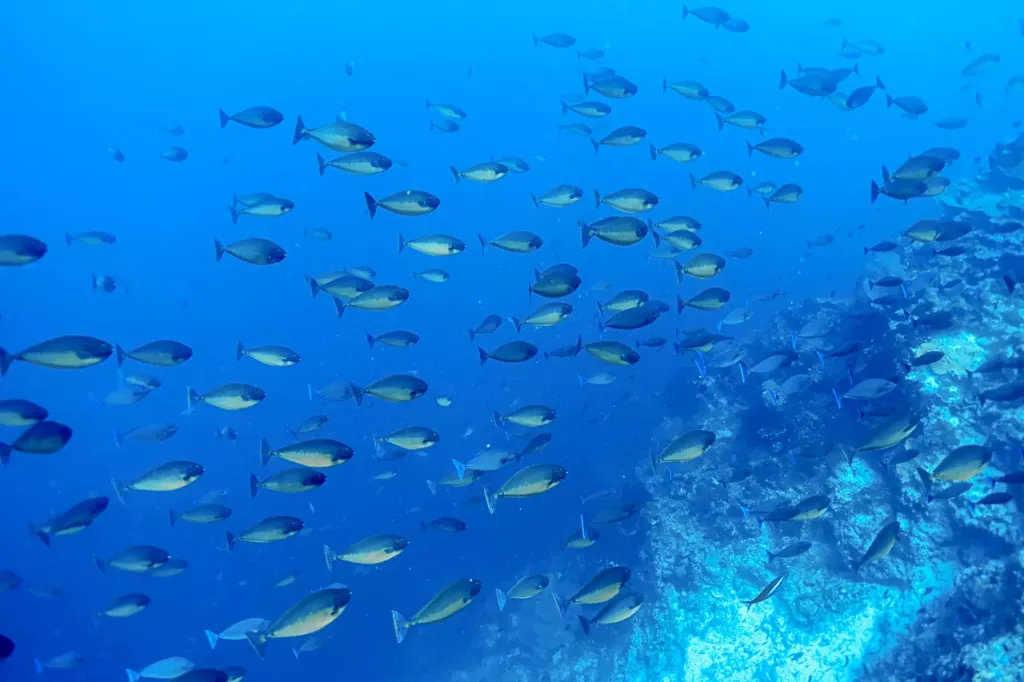
What makes lucipara special is the sheer density of marine life. Because it is a protected area in the middle of nowhere, the fish populations are healthy and abundant. You aren’t just seeing one or two fish; you are seeing schools that block out the sun. The coral is vibrant, healthy, and covers almost every inch of the rock structure.
Famous Diving Sites
There are several specific spots around lucipara that divers rave about. While names of dive sites can change depending on who is guiding you, the general areas around the main islands offer spectacular wall dives.
Top Features of Lucipara Diving:
- Vertical Walls: Steep drop-offs covered in soft corals and massive barrel sponges.
- The Seascape: The visibility is often excellent, sometimes reaching 30 meters (100 feet) or more.
- Currents: The currents can be strong, which is great for drift diving but requires some experience.
The Legend of the Sea Snakes
One of the most unique things about diving in lucipara is the presence of sea snakes. Specifically, the Olive Sea Snake is often spotted here in large numbers. Unlike in other parts of the world where you might be lucky to see one, here you might see dozens on a single dive.
Don’t worry, though! These snakes are generally very passive and curious rather than aggressive. They are often seen hunting in the reef crevices or swimming to the surface for air. Seeing them wind their way through the coral is a hypnotic experience that you can only get in places as wild as lucipara.
Biodiversity: What Lives in Lucipara?
The biodiversity in lucipara is staggering. It sits within the Coral Triangle, which is the global epicenter of marine biodiversity. This means there are more species of coral and fish here than almost anywhere else on Earth.
Scientists and marine biologists are constantly fascinated by the resilience of the reefs here. Despite global warming affecting reefs worldwide, the isolation and deep waters around lucipara seem to offer some protection.
|
Category |
Common Sightings |
Rare/Highlight Sightings |
|---|---|---|
|
Pelagics |
Tuna, Barracuda, Jacks |
Hammerhead Sharks, Whale Sharks |
|
Reef Fish |
Butterflyfish, Angelfish, Surgeonfish |
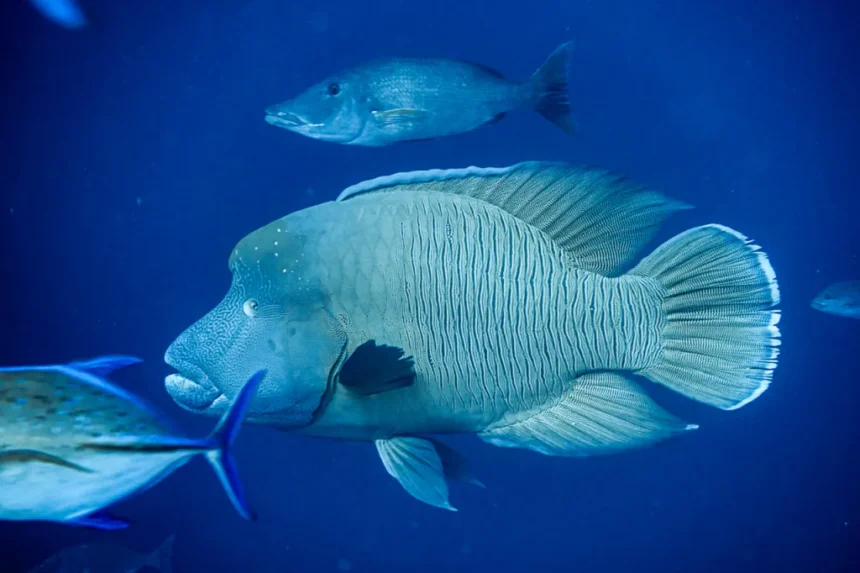
Napoleon Wrasse, Bumphead Parrotfish |
|
Critters |
Nudibranchs, Crabs, Shrimps |
Pygmy Seahorses, Blue-Ringed Octopus |
|
Corals |
Hard Corals, Massive Gorgonian Fans |
Huge Barrel Sponges (human-sized) |
The Giant Barrel Sponges
One thing you cannot miss when exploring the waters of lucipara is the size of the sponges. The Giant Barrel Sponges here grow to enormous proportions. Some are big enough for a diver to curl up inside (though you should never touch them!).
These sponges are indicators of a healthy ecosystem. They filter massive amounts of water, keeping the ocean clean and providing habitats for smaller creatures. Seeing a field of these ancient giants is a humbling reminder of how long this reef has been growing undisturbed.
How to Get to Lucipara
Reaching lucipara is an adventure in itself. You cannot just book a flight to an airport on the island because there isn’t one. The primary way to visit is via a “liveaboard.”
A liveaboard is a boat that acts as a floating hotel. You sleep, eat, and dive from the boat for several days or weeks. Trips that include lucipara often depart from Ambon or Banda Neira and cross the Banda Sea. These crossings happen during specific seasons, usually when the winds are calmest (often September to November and March to April).
Planning Your Trip
If you want to visit lucipara, you need to plan well in advance. These liveaboard trips are popular and fill up quickly.
- Choose the Right Season: The Banda Sea can get rough, so timing is crucial.
- Check Certification: If you are diving, you likely need an Advanced Open Water certification due to the depth and currents.
- Pack for Remoteness: There are no shops. Bring everything you need, from batteries to medication.
The History of the Spice Trade Route
While today we value lucipara for its natural beauty, this region of the world was once the center of global commerce. The surrounding islands—the Moluccas—were the only source of nutmeg and cloves in the world. European powers like the Portuguese, Dutch, and British fought wars to control these waters.
Ships sailing between the spice islands often navigated the treacherous waters of the Banda Sea. Lucipara would have been a landmark, a hazard, or a temporary shelter for these historical vessels.
Colonial Influence
You can still see traces of colonial history in the nearby islands of Banda Neira, where old forts and colonial houses still stand. While lucipara itself doesn’t have grand forts, it is part of the same historical narrative. The sailors who mapped these waters centuries ago were the first to document the existence of these isolated reefs.
Understanding this history adds a layer of depth to your visit. When you look out at the horizon, you are seeing the same view that explorers saw 400 years ago as they searched for spices worth more than gold.
Conservation Efforts in the Banda Sea
Preserving places like lucipara is critical. The ocean faces threats from overfishing, plastic pollution, and climate change. Fortunately, the remoteness of these islands offers a natural buffer, but that isn’t enough.
Conservation groups and the Indonesian government are working to establish and maintain Marine Protected Areas (MPAs) in the region. These zones restrict fishing and regulate tourism to ensure that the coral reefs remain healthy for future generations.
Responsible Tourism
As a visitor to lucipara, you play a role in conservation. Responsible tourism means leaving no trace.
- Do not touch the coral.
- Do not take shells or sand.
- Use reef-safe sunscreen.
- Follow the guidelines of your dive guides.
By being a respectful visitor, you help prove that eco-tourism is a viable alternative to destructive fishing practices.
Why Lucipara is a Photographer’s Dream
If you are into photography, lucipara offers endless opportunities. Above water, the stark contrast of white sand, green vegetation, and blue water is perfect for landscape shots and drone photography. The sunsets in the middle of the Banda Sea are legendary, setting the sky on fire with oranges and purples.
Underwater, the wide-angle opportunities are spectacular. The visibility allows for crisp shots of the reefscapes. Macro photographers (those who take photos of tiny things) will also find plenty of subjects hiding in the corals.
Tips for Underwater Photography here
- Bring Wide Angle Lenses: For the massive schools of fish and giant sponges.
- Bring Macro Lenses: For the nudibranchs and tiny crustaceans.
- Watch Your Buoyancy: To get the perfect shot without damaging the reef.
- Use Strobes: The colors at depth need artificial light to really pop.
Exploring Nearby: The Banda Islands
A trip to lucipara is usually combined with a visit to the Banda Islands (Banda Neira). This is where the cultural heart of the region lies.
Banda Neira is a fascinating place where time seems to have stopped. You can walk through streets lined with colonial ruins, visit nutmeg plantations, and hike the volcano, Gunung Api. It provides a perfect cultural counterbalance to the wild nature of lucipara.
The Ring of Fire
This entire region sits on the “Ring of Fire,” a path along the Pacific Ocean characterized by active volcanoes and frequent earthquakes. This geological volatility is what created the islands and the deep trenches of the Banda Sea. It creates a dramatic backdrop of volcanic peaks rising straight out of the deep blue ocean.
Comparison: Lucipara vs. Raja Ampat
Many travelers debate whether to visit Raja Ampat or the Banda Sea (including lucipara). Both are incredible, but they offer different experiences.
|
Feature |
Lucipara / Banda Sea |
Raja Ampat |
|---|---|---|
|
Accessibility |
Harder, requires liveaboard |
Easier, has resorts and homestays |
|
Crowds |
Very few boats |
More popular, more divers |
|
Marine Life |
Big pelagics, sea snakes, deep walls |
Highest biodiversity, mangroves, reefs |
|
Season |
Strictly seasonal (Mar-Apr, Sep-Nov) |
Year-round (best Oct-Apr) |
|
Vibe |
Open ocean adventure |
Jungle islands and bays |
Both destinations are world-class, but lucipara feels more like an expedition into the unknown.
What to Expect on a Liveaboard Trip
Since a liveaboard is the main way to see lucipara, it helps to know what that life is like. It is a communal experience. You share meals and stories with fellow travelers from around the world.
Daily Routine
- 6:00 AM: Light breakfast
- 7:00 AM: Dive 1
- 9:00 AM: Full Breakfast
- 11:00 AM: Dive 2
- 1:00 PM: Lunch
- 3:00 PM: Dive 3
- 7:00 PM: Dinner
- 8:00 PM: Night Dive (sometimes)
It is a cycle of “Eat, Sleep, Dive, Repeat.” It sounds exhausting, but it is remarkably relaxing because you are disconnected from the internet and the stress of daily life.
The Climate and Best Time to Visit
The weather in lucipara is tropical, meaning it is hot and humid year-round. However, the sea conditions determine when you can visit.
During the monsoon seasons, the waves in the Banda Sea can be huge, making the crossing dangerous and uncomfortable. The “transitional” months are the sweet spot.
- March to April: Calm seas, great visibility.
- September to November: Often considered the peak season for Hammerhead sharks and calm waters.
Outside of these windows, most boats move to other areas like Komodo or Raja Ampat.
Safety Tips for Remote Travel
Traveling to a place as isolated as lucipara requires some safety precautions.
- Travel Insurance: Ensure it covers diving and medical evacuation. You are far from a hospital.
- Health: Bring motion sickness medication. The open sea can get choppy.
- Hydration: It is hot, and diving dehydrates you. Drink more water than you think you need.
- Listen to Crew: The boat crew knows the ocean better than anyone. Trust their judgment on weather and dive sites.
The Future of Lucipara Tourism
As more people seek out unique travel experiences, places like lucipara are becoming more known. This brings both opportunities and challenges. Increased interest can bring money for conservation, but it also puts pressure on the ecosystem.
The hope is that lucipara remains a destination for eco-conscious travelers who value preservation over exploitation. By visiting responsibly, we can ensure that the “Amazon of the Seas” remains vibrant.
Why You Should Visit Lucipara Now
If you are hesitating, here is why you should book that trip to lucipara sooner rather than later. The world is changing fast. Coral reefs are fragile. Seeing a reef system as healthy as this one is becoming a rare privilege.
It is an adventure that changes your perspective on the planet. To float in the middle of the deep blue sea, miles from civilization, is a feeling of freedom that is hard to find in the modern world.
For more insights on tech and travel destinations that are off the radar, you might find interesting reads at https://siliconvalleytime.co.uk/.
Frequently Asked Questions (FAQ)
Here are some common questions people have about visiting lucipara.
Q1: Do I need to be an expert diver to visit Lucipara?
Not necessarily an expert, but you should be comfortable in the water. An Advanced Open Water certification is highly recommended because the walls are deep and currents can be strong.
Q2: Is there phone signal in Lucipara?
No. Once you leave the port at Ambon or Banda Neira, you will likely lose signal. Some luxury boats have satellite internet, but it is slow and expensive. Enjoy the digital detox!
Q3: Can I snorkel in Lucipara?
Yes! While diving gets you closer to the deep stuff, the reefs often start very shallow. Snorkelers can see amazing coral gardens and plenty of fish right from the surface.
Q4: Are the sea snakes dangerous?
The Olive Sea Snakes found in lucipara are highly venomous, but they are extremely docile. They are not aggressive toward divers or snorkelers unless provoked. Just give them space.
Q5: How long does it take to get there?
It depends on where your boat departs from, but it is usually an overnight journey from the nearest major port. It is not a day trip!
Conclusion
The lucipara archipelago is more than just a spot on a map; it is a living, breathing testament to the beauty of our natural world. From the vertical walls dropping into the abyss to the historical echoes of the spice trade, it offers a multi-layered experience for any traveler brave enough to make the journey.
Whether you are there to photograph the unique sea snakes, marvel at the giant sponges, or simply disconnect from the noise of modern life, lucipara delivers an unforgettable experience. It reminds us that there are still wild places left to explore. If you are planning a trip to Indonesia, look beyond the usual spots and consider the adventure of a lifetime in the Banda Sea. For a broader geographical context on the region, you can view this entry on the archipelago from https://www.wikipedia.org/wiki/Lucipara_Islands which provides additional data on the location.



