







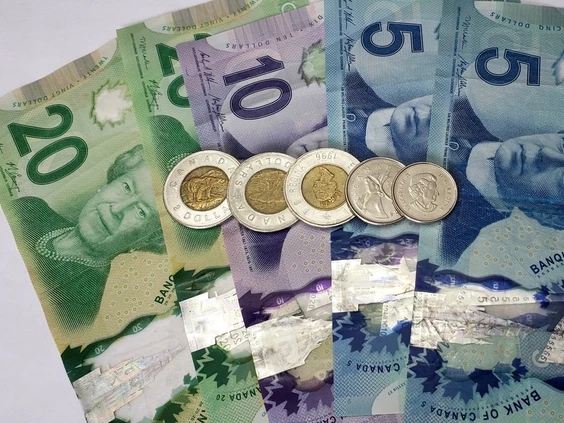

British Columbia is known for its stunning mountains, vibrant cities like Vancouver, and a bustling economy. If you are a business owner looking to hire in this Canadian province, or a worker curious about your paycheck, understanding the rules around pay is crucial. Specifically, keeping track of the minimum wage bc standards is essential for legal compliance and fair treatment. The rules change often, and staying updated helps everyone avoid confusion.
In this comprehensive guide, we will break down everything you need to know about the minimum wage in British Columbia. We will look at the current rates, how they compare to the past, and what specific rules apply to different types of jobs. Whether you are an employee just starting out or a seasoned employer, this article is designed to give you clear, easy-to-understand information.
Key Takeaways
- The general minimum wage bc is tied to inflation rates to help workers keep up with the cost of living.
- Recent increases have placed British Columbia among the provinces with the highest minimum wages in Canada.
- Special rules apply to certain professions like farm workers and resident caretakers.
- Employers must pay at least the minimum rate for all hours worked, with very few exceptions.
- Understanding these laws protects businesses from penalties and ensures workers get fair pay.
What Is the Current Minimum Wage in BC?
The concept of a minimum wage is simple: it is the lowest hourly pay rate that an employer can legally pay an employee. In British Columbia, the government reviews this rate regularly. As of June 1, 2024, the general minimum wage bc increased to $17.40 per hour. This was a jump from the previous year, reflecting the government’s commitment to tying wage increases to the average annual inflation rate.
This rate applies to most employees across the province, regardless of whether they work full-time, part-time, or casual hours. It is designed to ensure that even entry-level workers earn a baseline income that reflects the economic reality of living in BC. If you are working in retail, hospitality, or general labor, this is likely the number you need to see on your pay stub.
However, it is important to note that this rate is a “floor,” not a ceiling. Many employers choose to pay more than the minimum wage bc mandates to attract better talent and retain staff in a competitive market. If an employee is receiving a salary, that salary must equal at least minimum wage when divided by the hours worked in a pay period.
The Link to Inflation
One of the most significant changes in recent years is how the BC government decides on wage hikes. Instead of random increases, the minimum wage bc is now adjusted based on the average annual inflation rate. This provides stability and predictability for businesses while helping workers manage rising costs.
When the cost of groceries, gas, and rent goes up, the minimum wage is supposed to follow suit. This policy aims to prevent the purchasing power of lowest-paid workers from eroding over time. While no system is perfect, this linkage attempts to make the economic landscape fairer for everyone involved.
Comparison with Federal Minimum Wage
It is easy to get confused between provincial and federal rules. The federal minimum wage in Canada applies only to federally regulated industries, such as banking, telecommunications, and interprovincial transportation. As of April 1, 2024, the federal minimum wage is $17.30 per hour.
However, if the provincial minimum wage bc rate is higher than the federal rate, the employer must pay the higher of the two. Since BC’s rate rose to $17.40 in June 2024, workers in BC (even in some federal sectors depending on specific interpretations) generally benefit from the strong provincial standard. Most jobs in BC fall under provincial law, meaning the BC rate is the one that matters most.
History of Minimum Wage Hikes in British Columbia
Looking back at the history of the minimum wage bc reveals a steep upward trend over the last decade. Ten years ago, the rate was significantly lower, hovering around just over $10 per hour. Since then, there has been a concerted effort by policymakers to close the gap between wages and the cost of living, particularly in expensive cities like Vancouver.
Between 2018 and 2021, a specific commission was set up to map out a path to a $15.20 minimum wage. Once that goal was reached, the government switched to the inflation-based model we see today. This history shows a shift in philosophy from keeping wages low to support business margins, towards ensuring workers can afford basic necessities.
The journey hasn’t always been smooth. There were years where the wage was frozen, followed by years of rapid increases to play catch-up. Understanding this history helps us appreciate the current stability of the minimum wage bc system, where increases are regular and somewhat predictable.
A Timeline of Recent Increases
To give you a better visual of how things have changed, here is a quick look at the rates over the last few years.
- June 1, 2018: $12.65 per hour
- June 1, 2019: $13.85 per hour
- June 1, 2020: $14.60 per hour
- June 1, 2021: $15.20 per hour
- June 1, 2022: $15.65 per hour
- June 1, 2023: $16.75 per hour
- June 1, 2024: $17.40 per hour
This steady climb demonstrates the province’s dedication to improving worker standards. For long-term employees, seeing these jumps in the minimum wage bc mandate has made a tangible difference in their annual income.
Impact of Past Freezes
Before this era of consistent growth, BC experienced periods where the minimum wage remained stagnant for years. During the early 2000s and early 2010s, increases were rare. This led to a situation where BC had one of the lowest minimum wages in the country despite having one of the highest costs of living.
Critics of those freezes argued that they trapped workers in poverty. Proponents argued they helped small businesses survive. The current policy attempts to strike a balance, but the legacy of those freeze years is why recent increases in the minimum wage bc sometimes felt aggressive—they were correcting years of stagnation.
Who Is Eligible for Minimum Wage?
The vast majority of employees in British Columbia are covered by the minimum wage bc laws. This includes employees who are paid hourly, by salary, on commission, or through incentive-based pay. Whether you flip burgers, answer phones, or stock shelves, you are entitled to this base rate.
The law applies to almost everyone working under the Employment Standards Act. This covers full-time staff, part-time workers, and casual or temporary employees. It doesn’t matter if you have worked there for ten years or ten minutes; the moment you start working, the meter is running at the minimum rate or higher.
However, “eligibility” can get tricky when looking at non-traditional employment. Independent contractors, for example, are self-employed and do not fall under employment standards. Determining if you are truly an employee or a contractor is vital. If your boss controls your hours, provides your tools, and directs your work, you are likely an employee entitled to the minimum wage bc sets.
Hourly vs. Salary Employees
A common misconception is that salaried employees don’t have a minimum wage. This is false. A salary is just a different way of calculating pay, but it must still meet the minimum standards. If you are on a salary, your paycheck divided by the hours you worked in that period must equal at least the minimum wage bc rate.
If a salaried employee works excessive overtime that brings their average hourly rate below the minimum, the employer must top up their pay. This ensures that employers cannot use salaries to bypass wage laws. Both parties should track hours to ensure compliance.
Commission Workers
Salespeople paid entirely or partly on commission are also protected. Employers must ensure that the total commission earned in a pay period amounts to at least the minimum wage for the hours worked. If the commissions are low one month, the employer has to make up the difference.
This provides a safety net for sales staff. While the goal of commission is to earn well above the minimum, the minimum wage bc law ensures that a bad sales month doesn’t result in a paycheck of zero.
Exceptions to the General Minimum Wage Rule
While most people get the general rate, there are specific exceptions within the minimum wage bc regulations. These exceptions are carved out for industries where standard hourly tracking is difficult or where the nature of the work is unique.
Historically, liquor servers had a lower minimum wage, but this was abolished in June 2021. Now, servers earn the same general minimum wage as everyone else. However, distinct rules remain for other groups, such as live-in camp leaders, resident caretakers, and certain farm workers.
Understanding these exceptions is crucial so you don’t accidentally underpay someone or assume you are being underpaid when a different legal standard applies. The goal of these alternate rates is usually to account for provided room and board or piece-rate work structures.
Resident Caretakers
Resident caretakers, who live in the apartment buildings they manage, have a different pay structure. Instead of an hourly minimum wage bc rate, they have a monthly minimum wage based on the number of units in the building.
- For buildings with 9 to 60 suites: The monthly minimum is a specific set rate plus an amount per suite.
- For buildings with 61 or more suites: The base rate is higher.
This acknowledges that caretakers are “on call” and living on-site, making hourly tracking messy. As of June 2024, these monthly rates also increased alongside the general wage hike.
Live-In Camp Leaders
People who work at summer camps or similar recreational organizations often live on-site for the duration of the program. Because they are providing supervision around the clock, paying them by the hour would be incredibly expensive and logistically difficult.
Therefore, the minimum wage bc regulations set a daily rate for these workers. As of June 2024, this daily rate increased to ensure these workers are compensated fairly for their long days, even if it doesn’t break down to a strict hourly calculation like a retail job.
Farm Workers
Farm workers often operate under a “piece rate” system. This means they are paid based on how much they harvest (e.g., per pound of berries or bin of apples) rather than how long they work.
However, even piece rates are regulated. The government sets minimum piece rates for different crops. These rates are calculated to ensure that a reasonably productive worker can earn at least the equivalent of the minimum wage bc hourly rate. If a farm worker is not harvesting specific crops with set piece rates, they must be paid the standard hourly minimum wage.
Minimum Wage for Liquor Servers
For many years, servers who served alcohol in BC had a lower minimum wage than the general workforce. The logic was that tips would make up the difference, and often exceed what other workers earned. This was often a point of contention and confusion.
In June 2021, the BC government eliminated this separate “liquor server wage.” Now, bartenders, waiters, and waitresses are entitled to the full general minimum wage bc rate of $17.40 per hour.
Why the Change Was Made
The removal of the lower liquor server wage was a move toward equity. It ensures that a worker’s base pay is predictable and not entirely dependent on the generosity of customers. It also simplifies payroll for restaurants that employ staff who might switch roles (e.g., a host one day, a server the next).
This change means that tips are now truly a “gratuity” or bonus on top of a standard wage, rather than a subsidy for the employer’s payroll obligations. For workers in the hospitality industry, this was a significant victory regarding the minimum wage bc landscape.
Impact on the Hospitality Industry
The hospitality industry had to adjust its business models to accommodate higher payroll costs. Some restaurants increased menu prices slightly to cover the difference. However, it also helped with staff retention in an industry known for high turnover.
By guaranteeing the standard minimum wage bc, the industry became slightly more attractive to workers seeking stability. While some business owners worried about the cost, the level playing field means all restaurants play by the same rules regarding base pay.
How Minimum Wage Affects Overtime Pay

Minimum wage is the base, but what happens when you work extra hours? In BC, overtime rules are strict. If an employee works more than 8 hours in a day or 40 hours in a week, they are entitled to overtime pay.
The overtime rate is calculated as “time-and-a-half” or “double time” based on the employee’s regular wage. If an employee is earning the minimum wage bc rate of $17.40, their overtime rate would be $26.10 (1.5x) for the first few hours of overtime, and potentially $34.80 (2x) for excessively long days (over 12 hours).
Calculating Overtime
Here is a quick breakdown of how the math works for a minimum wage earner:
- Daily Overtime: Time-and-a-half for hours worked over 8 in a day. Double time for hours worked over 12 in a day.
- Weekly Overtime: Time-and-a-half for hours worked over 40 in a week (excluding hours already paid at overtime rates).
It is vital for employers to track hours accurately. Even if you pay slightly above the minimum wage bc mandates, you still owe overtime based on that higher rate. You cannot say, “I pay $20 an hour, so I don’t need to pay overtime because it averages out.” Overtime is a separate legal requirement.
Averaging Agreements
Sometimes, employers and employees agree to “averaging agreements.” This allows hours to be averaged over a period of 1 to 4 weeks to determine overtime. This is common in industries with fluctuating schedules.
However, even with an averaging agreement, the pay must never dip below the minimum wage bc for the total hours worked. These agreements provide flexibility but do not remove the fundamental right to be paid for every hour on the job.
Call-In Pay Rules
British Columbia has specific rules regarding “call-in pay.” This protects workers from showing up to work only to be sent home immediately because it is not busy. If an employee reports for work as scheduled, they must be paid for a minimum amount of time.
Generally, an employee must be paid for at least 2 hours of work, even if they work less than that. If the employee was scheduled for more than 8 hours that day, they must be paid for at least 4 hours. This pay is calculated at their regular rate (which must be at least the minimum wage bc).
Why Call-In Pay Matters
Imagine spending an hour commuting to work, paying for transit or gas, only to be told after 15 minutes that you aren’t needed. Without call-in pay rules, that worker would actually lose money by going to work.
This rule forces employers to schedule responsibly. It ensures that if they require an employee’s time and presence, they must pay for it. It is a key component of the minimum wage bc employment standards that respects a worker’s time.
Exceptions to Call-In Pay
There are some exceptions. If the employee is unfit to work (e.g., shows up intoxicated) or fails to comply with safety regulations, the employer might not be obligated to pay the full minimum daily pay.
However, outside of disciplinary or safety issues, the rule stands firm. Whether it’s a slow day at the coffee shop or a cancelled shipment at the warehouse, the minimum wage bc laws ensure the worker gets at least that 2-hour minimum payment.
Employer Obligations and Penalties
Employers in BC have a legal duty to know and apply the current wage rates. Ignorance of the law is not a defense. When the rate changes on June 1st of each year, payroll systems must be updated immediately.
Failure to pay the minimum wage bc mandates can result in severe penalties. The Employment Standards Branch investigates complaints and can audit business records. If an employer is found to be underpaying, they will owe back pay to the employee and potentially face fines.
Record Keeping
To prove compliance, employers must keep detailed records for each employee. This includes:
- Days and hours worked.
- Wage rate paid.
- Overtime earnings.
- Deductions taken.
- Net and gross pay.
These records must be kept for four years. If a dispute arises regarding the minimum wage bc payments, these records are the primary evidence. Poor record-keeping usually hurts the employer more than the employee in a legal dispute.
Penalties for Non-Compliance
If the Employment Standards Branch determines an employer has violated the act, they issue a “determination.” This can include:
- Mandatory payment of all unpaid wages.
- Interest on the unpaid wages.
- Administrative penalties starting at $500 for a first offense and escalating for subsequent offenses.
It is much cheaper and easier to simply pay the correct minimum wage bc rate from the start than to deal with the legal headache of an investigation.
Deductions from Wages
A common question is: “What can my boss deduct from my check?” The rule of thumb is that employers cannot deduct business costs from an employee’s wages. This includes things like broken dishes, “dine-and-dash” customers, or cash shortages (unless the employee has sole access to the cash and absolute proof of theft exists).
Furthermore, deductions cannot bring an employee’s pay below the minimum wage bc rate, except for statutory deductions like taxes, CPP, and EI.
Uniforms and Equipment
Employers cannot charge employees for mandatory uniforms or special clothing identified with the business. If a boss requires you to wear a shirt with a logo, they must provide it at no cost. They cannot deduct the cost from your minimum wage bc earnings.
They can, however, require you to wear general clothing like “black pants” or “non-slip shoes” which you must purchase yourself. But specific equipment needed to do the job safely and correctly is generally the employer’s responsibility.
Room and Board
If an employer provides room and board (like for a live-in nanny or camp worker), they can charge for it, but there are limits. The government sets maximum amounts that can be deducted from the minimum wage bc pay for meals and rent.
These limits prevent employers from overcharging for housing to effectively pay less than the minimum wage. Both parties should agree to these arrangements in writing to avoid misunderstandings.
Minimum Wage for Students and Youth
Unlike some other jurisdictions, British Columbia does not have a “student minimum wage” or a lower training wage for young workers. If you are 15 years old and working your first job, you are entitled to the same $17.40 per hour as a 40-year-old in the same role.
This equal treatment under the minimum wage bc laws prevents age discrimination and ensures young people are not exploited as cheap labor.
Why No Student Wage?
The argument for a student wage is usually that young workers lack experience. However, the BC government has taken the stance that work is work. If a teenager is performing the duties of the job, they deserve the full pay.
This policy simplifies hiring. Employers don’t need to track birthdays to adjust wages. Everyone gets the general minimum wage bc rate, creating a straightforward standard for all entry-level staff.
Child Employment Rules
While the wage is the same, there are strict rules about when and how much children can work. For example, children under 16 need parental permission to work. Children under 12 need permission from the Director of Employment Standards.
These rules ensure that work does not interfere with school. But once the permit is granted and the child is working, the pay check must reflect the standard minimum wage bc rates.
Impact of Minimum Wage on Cost of Living
One of the biggest debates surrounding the minimum wage bc increases is the impact on the cost of living. Supporters say it helps low-income families survive in an expensive province. Critics argue it drives up prices for goods and services as businesses pass on the costs.
The reality is likely a mix of both. In a place like Vancouver, $17.40 an hour is still difficult to live on. It is often referred to as a “minimum” wage rather than a “living” wage.
The Living Wage Gap
The “living wage” is a calculation of what a person actually needs to earn to cover basic expenses like rent, food, and childcare in a specific community. In many BC cities, the living wage is significantly higher than the minimum wage bc.
For example, in Metro Vancouver, the living wage is often calculated to be over $25 per hour. This gap highlights that while the minimum wage is rising, it may not yet be enough for a single person to live comfortably without roommates or additional support.
Business Adjustments
Small businesses often feel the squeeze the most. When the minimum wage bc goes up, a coffee shop owner has to find that money somewhere. This usually leads to small price increases on that morning latte.
However, economists also point out that when low-wage workers earn more, they spend more. They put that money right back into the local economy, buying groceries and services, which can stimulate business growth.
Comparison with Other Provinces
How does British Columbia stack up against the rest of Canada? Generally, BC is at the top of the pack. For a long time, Alberta held the top spot, but recent freezes there allowed BC to surpass them.
Currently, the minimum wage bc rate is among the highest in the country, often trading the #1 or #2 spot with territories like Nunavut (which has higher wages due to extreme living costs) or provinces like Ontario.
|
Province/Territory |
Minimum Wage (Approx. 2024) |
Notes |
|---|---|---|
|
British Columbia |
$17.40 |
Adjusted for inflation annually |
|
Alberta |
$15.00 |
No recent increases |
|
Ontario |
$17.20 |
Adjusted annually |
|
Quebec |
$15.75 |
Adjusted annually |
|
Nova Scotia |
$15.20 |
Adjusted annually |
This table shows that BC is a leader in wage standards. For workers moving between provinces, checking the minimum wage bc versus their home province is an important step in financial planning.
Frequently Asked Questions (FAQ)
Here are some of the most common questions people ask regarding the wage rules in British Columbia.
Q1: When does the minimum wage increase?
A: Historically, the minimum wage bc increases occur on June 1st of each year. The announcement of the new rate is usually made in the spring.
Q2: Does the minimum wage apply to tips?
A: No. Tips are extra. An employer cannot use your tips to pay your minimum wage. You must get $17.40 per hour plus whatever tips you earn.
Q3: Can my boss pay me in cash?
A: Yes, paying in cash is legal, but they must still provide a pay stub (wage statement) detailing hours, rates, and deductions. They must also deduct and remit taxes. “Under the table” cash work is illegal.
Q4: What if I am in training?
A: Training time is work time. You must be paid at least the minimum wage bc rate for all training hours, meetings, and orientation sessions.
Q5: Who do I call if I am not being paid correctly?
A: You should contact the BC Employment Standards Branch. They have a toll-free number and online resources to help you file a complaint.
Resources for Further Information
If you need more specific details or have a complex situation, it is always best to go to the source. The BC government website offers fact sheets and interpretation guidelines.
Additionally, checking out trusted business news sources can help you stay ahead of trends. For example, staying updated with tech and business news on sites like https://siliconvalleytime.co.uk/ can give you a broader perspective on how economic shifts impact wages and employment globally.
Conclusion
Understanding the minimum wage bc landscape is vital for anyone participating in the British Columbia economy. For workers, it ensures you are being compensated fairly for your time and effort. For employers, it ensures you remain compliant with the law and treat your staff with the respect they deserve.
The shift toward inflation-based increases has brought stability to the system, making it easier to predict future costs and earnings. While the debate between business costs and living costs will always exist, the current system aims to strike a balance that supports a healthy, functioning economy.
Remember, the rate of $17.40 is the law as of mid-2024. Whether you are signing a new contract or running payroll next week, keep this number in mind. By staying informed and aware of your rights and responsibilities, you contribute to a fair and prosperous workplace culture in BC.
Disclaimer: This article is for informational purposes only and does not constitute legal advice. Employment laws are subject to change. Please consult the official BC Employment Standards Branch for the most current regulations.



