







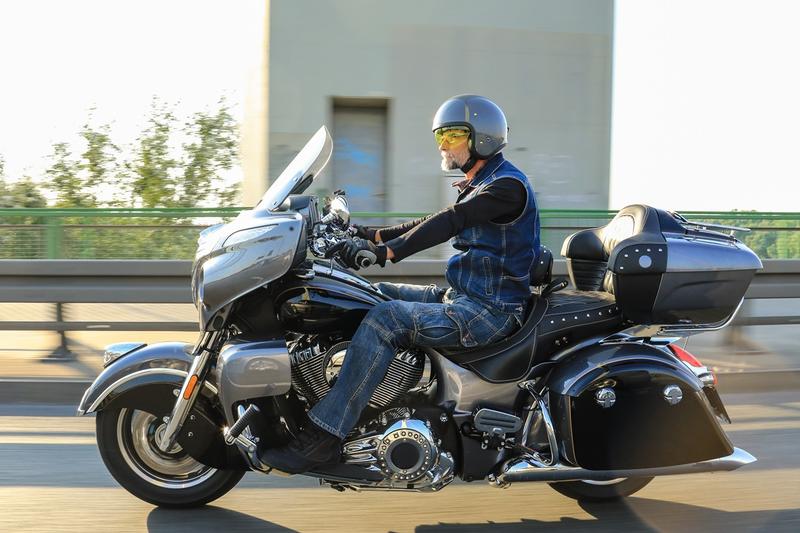

Have you ever watched someone zip past traffic on two wheels and felt a twinge of jealousy? There is a unique sense of freedom that comes with riding a motorcycle. It isn’t just a way to get from point A to point B; it is a lifestyle, a hobby, and for many, a passion. Whether you are looking to save money on gas, find easier parking, or just want to feel the wind in your face, getting into the world of motorcycling is an exciting journey.
However, jumping on a bike isn’t as simple as driving a car. It requires a different set of skills, specialized gear, and a serious commitment to safety. This guide will walk you through everything you need to know about the modern motorcycle, from choosing your first bike to staying safe on the road.
Key Takeaways
- Safety First: Protective gear is non-negotiable for every ride.
- Training Matters: Taking a certified safety course is the best way to start.
- Variety of Choice: There are many types of bikes, from cruisers to sportbikes.
- Maintenance: Regular upkeep keeps you safe and saves money.
Why Choose a Motorcycle Over a Car?
Choosing a motorcycle over a traditional four-wheeled vehicle offers several distinct advantages. First and foremost is the economic benefit. Most bikes get significantly better gas mileage than cars. While a standard sedan might get 25 to 30 miles per gallon, many motorcycles can easily achieve 50 to 70 miles per gallon. Over a year of commuting, this adds up to massive savings. Additionally, insurance costs for motorcycles are often lower than for cars, depending on your age and driving record.
Beyond the money, there is the convenience factor. Navigating through congested city traffic is often easier on a smaller vehicle. While lane splitting (riding between lanes of slow traffic) is only legal in certain states like California, the sheer size of a bike makes maneuvering in tight spots much simpler. Parking becomes a breeze, too. You can fit a motorcycle into spaces where an SUV wouldn’t stand a chance. Finally, there is the “fun factor.” Driving a car can feel like a chore, but riding is an active, engaging experience that connects you to the road.
Understanding the Different Types of Motorcycles
When you decide to buy a motorcycle, the first thing you’ll notice is the overwhelming variety. Bikes aren’t “one size fits all.” They are built for specific purposes, terrain, and riding styles. Knowing the difference between a cruiser and a sportbike is crucial to ensuring you buy a machine that fits your needs and skill level. Let’s break down the most common categories you will encounter at a dealership.
Cruisers: The Classic American Ride
Cruisers are what most people picture when they think of a classic American bike. Think Harley-Davidson. They feature a low seat height, a relaxed riding position where your feet are forward, and plenty of torque. These bikes are built for comfortable, laid-back riding on highways and city streets. They are often heavier, which makes them stable at speeds but can make them a bit harder for beginners to handle at low speeds.
Sportbikes: Built for Speed and Agility
Sportbikes are the race cars of the motorcycle world. They are designed for speed, acceleration, and cornering. The riding position is aggressive; you lean forward over the tank with your feet tucked back. They are incredibly light and powerful. While exciting, they aren’t always the best choice for long-distance comfort or for brand-new riders who might be overwhelmed by the sensitive throttle response.
Standard/Naked Bikes: The Best of Both Worlds
If you want a mix of comfort and performance, a standard or “naked” bike is often the best choice. These feature an upright riding position that is comfortable for commuting. They don’t have the heavy plastic fairings of sportbikes (hence the name “naked”), making them easier to work on and less expensive to repair if they tip over. They are versatile, practical, and excellent for beginners.
Essential Safety Gear You Cannot Ignore
There is an old saying among riders: “Dress for the slide, not for the ride.” Safety gear is the single most important investment you will make after buying the motorcycle itself. Unlike a car, you don’t have a metal cage, airbags, or seatbelts to protect you. Your gear is your only line of defense against the road and the elements. Never compromise on quality when it comes to protecting your body.
The Helmet: Your Most Vital Asset
It goes without saying that protecting your head is priority number one. A full-face helmet offers the best protection because it covers your chin and face, not just the top of your head. Look for helmets that have DOT (Department of Transportation) certification at a minimum. For even better safety, look for SNELL or ECE ratings. A good helmet also protects your eyes from wind, bugs, and debris, making your ride much more comfortable.
Jackets, Gloves, and Boots
Don’t make the mistake of riding in a t-shirt and sneakers. Road rash is a painful injury that is easily preventable. A proper riding jacket is made of leather or abrasion-resistant textile and includes armor at the elbows, shoulders, and back. Gloves are essential because your hands are usually the first thing to touch the ground in a fall. Finally, sturdy boots that cover your ankles provide support and protection from the hot engine and exhaust pipes.
How to Get Your Motorcycle License in the US
Getting legal to ride involves more than just buying a bike. In the United States, you typically need a specific “M” endorsement on your driver’s license to legally operate a motorcycle. The process varies slightly by state, but the general steps are usually similar. Trying to ride without a license is illegal and can void your insurance policy if you get into an accident.
Taking the Basic RiderCourse
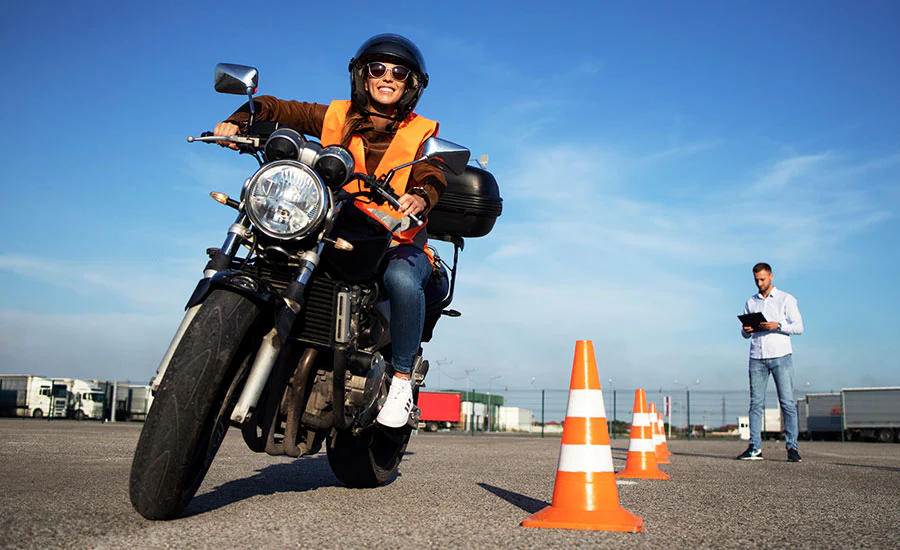
The absolute best way to get your license is by taking a Motorcycle Safety Foundation (MSF) Basic RiderCourse. In many states, completing this course waives the riding portion of the DMV test. The course provides the motorcycle and a helmet, and certified coaches teach you the fundamentals in a safe, closed parking lot. You learn clutch control, turning, braking, and swerving. It is invaluable training that could save your life.
The DMV Written and Skills Test
If you choose not to take the safety course, you will have to go through the DMV directly. This usually involves a written knowledge test to get a learner’s permit. After practicing with your permit (which has restrictions, like no night riding or passengers), you must pass a skills test on your own bike. This test requires you to demonstrate control through cones and braking exercises.
Budgeting for Your First Motorcycle
It is easy to look at the sticker price of a bike and think that is all you need to pay. However, the total cost of ownership includes several other factors. Being prepared financially ensures you won’t be stressed later. You need to budget for the bike, the gear, insurance, and initial maintenance.
Estimated Costs for a Beginner Rider:
|
Item |
Estimated Cost (USD) |
Notes |
|---|---|---|
|
Used Beginner Motorcycle |
$3,000 – $5,000 |
300cc – 500cc recommended |
|
Full-Face Helmet |
$150 – $400 |
DOT/Snell Certified |
|
Riding Jacket |
$150 – $300 |
Textile or Leather with armor |
|
Gloves |
$40 – $100 |
Leather works best |
|
Insurance (Yearly) |
$200 – $800 |
Varies by age and location |
|
MSF Safety Course |
$150 – $350 |
Varies by state |
|
Total |
$3,690 – $6,950 |
As you can see, the accessories and legal requirements add up. Always set aside an extra $1,000 above the cost of the bike to cover gear and fees. For more tips on managing lifestyle costs, you might find interesting reads at sources like Silicon Valley Time, which covers various modern living topics.
Maintenance Basics Every Rider Should Know
You don’t have to be a master mechanic to own a motorcycle, but you should know the basics. Bikes require more frequent attention than cars. Because you are exposed to the mechanics of the machine, a small issue like a loose chain or a low tire can become a major safety hazard very quickly. Developing a pre-ride inspection habit is a smart move.
T-CLOCS Inspection
The Motorcycle Safety Foundation recommends the T-CLOCS inspection before every ride. It stands for:
- T – Tires and Wheels: Check air pressure and tread depth.
- C – Controls: Ensure levers, pedals, and cables work smoothly.
- L – Lights and Electrics: Check brake lights, turn signals, and headlight.
- O – Oil and Other Fluids: Check levels and look for leaks.
- C – Chassis: Check the frame, suspension, and chain tension.
- S – Stand: Ensure the kickstand works correctly and isn’t cracked.
Chain Maintenance
Most motorcycles use a chain to transfer power to the rear wheel. This chain needs to be cleaned and lubricated regularly, usually every 500 to 600 miles. A dry or rusty chain can snap, which can cause damage to the engine or lock up the rear wheel. Learning to clean and lube your chain is a simple 15-minute job that extends the life of your drivetrain significantly.
Riding Etiquette and Community
One of the best parts of riding a motorcycle is the community. You will notice that when you pass other riders on the road, they will often drop their left hand in a low wave. This is the universal “biker wave,” a sign of respect and solidarity. It doesn’t matter what you ride—cruiser, sportbike, or scooter—you are part of the club.
Group Riding Rules
Riding with friends can be a blast, but it requires discipline. Riders typically ride in a staggered formation. The lead rider stays in the left portion of the lane, and the second rider stays in the right portion, one second behind. This gives everyone space to maneuver and see the road ahead. Never ride directly side-by-side, as it limits your escape routes if something goes wrong.
Common Mistakes New Riders Make
Learning to ride is a process, and everyone makes mistakes. However, being aware of common pitfalls can help you avoid them. One major error is buying a bike that is too powerful. A 1000cc sportbike is not a learner’s machine; it is unforgiving and dangerous for a novice. Start small (300cc to 500cc) and trade up later.
Stalling the Engine
Stalling happens to everyone. It usually occurs when you release the clutch lever too quickly without giving the engine enough gas. It can be embarrassing at a stoplight, but don’t panic. Just pull the clutch back in, hit the starter button, and try again slowly. Practice your “friction zone”—the point where the clutch starts to engage—in an empty parking lot until it feels natural.
Target Fixation
“Target fixation” is a phenomenon where you stare at the object you are trying to avoid (like a pothole or a curb), and consequently, you steer right into it. On a motorcycle, you go where you look. If you want to turn a corner, look through the turn to the exit, not at the ground right in front of your tire. Train your eyes to look where you want to go, not at what you want to avoid.
The Mental Health Benefits of Riding
While we often focus on the mechanics and safety, we shouldn’t overlook the mental aspect. Riding requires 100% of your focus. You cannot text, eat, or daydream while riding a motorcycle. This forced focus acts as a form of mindfulness meditation. For that hour or two on the bike, your worries about work, bills, or relationships disappear because your brain is fully engaged in the act of riding.
Many riders call this “wind therapy.” It reduces stress and releases endorphins. The physical sensation of moving through the environment, smelling the air, and feeling the temperature changes connects you to the world in a way that being inside a car simply cannot. It is a powerful antidote to the digital burnout many of us face today.
Storing Your Motorcycle for Winter
If you live in a region with cold winters, you likely won’t be riding year-round. Proper winter storage is crucial to ensure your bike starts up in the spring. If you just park it and leave it for four months, you will likely return to a dead battery and a gummed-up fuel system.
Winterization Checklist:
- Fill the Tank: Add a fuel stabilizer and fill the gas tank to the top to prevent rust.
- Battery Care: Remove the battery or hook it up to a “tender” (smart charger) to keep it charged.
- Tires: If possible, put the bike on stands to keep tires off the cold concrete, which can cause flat spots.
- Cover It: Use a breathable cover to keep dust and moisture away from the metal parts.
Frequently Asked Questions (FAQ)
Q: Is riding a motorcycle dangerous?
A: Riding carries more risk than driving a car because you are less protected. However, you can significantly manage this risk by wearing full gear, taking safety courses, riding sober, and staying alert.
Q: Can I teach myself to ride?
A: Technically, yes, but it is highly discouraged. Self-taught riders often develop bad habits that can be dangerous. A certified course is the safest and fastest way to learn.
Q: How fast do motorcycles go?
A: It depends on the bike. A small 250cc bike might top out at 80 mph, while high-performance sportbikes can exceed 180 mph. For legal street riding, any highway-capable bike is fast enough.
Q: Do I need insurance for my motorcycle?
A: Yes, almost every state requires liability insurance for a motorcycle. Some lenders will also require comprehensive and collision coverage if you are financing the bike.
Q: Is a motorcycle good for a daily commute?
A: Yes! Many people commute daily. It saves gas and often time. However, you need to be prepared for weather changes and carry a change of clothes if necessary.
Conclusion
Entering the world of motorcycling is one of the most rewarding decisions you can make. It offers a community, a sense of freedom, and a practical way to get around. While the risks are real, they can be managed with the right attitude, training, and equipment. Remember that every expert rider started exactly where you are now—as a beginner with questions.
Take your time to choose the right motorcycle, invest in quality gear, and never stop learning. Whether you are cruising down a coastal highway or just commuting to the office, the joy of the ride is something that stays with you. If you are looking for more lifestyle tips and modern insights, don’t forget to check out Silicon Valley Time. Stay safe, keep the rubber side down, and enjoy the ride



