







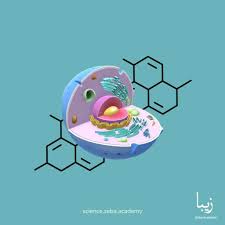

Have you ever wondered what makes you, you?Have you ever wondered what makes you, you? What about a tree, a mushroom, or the bacteria in your gut? The answer, at the most basic level, lies in tiny molecules that act as the fundamental building blocks for all living things. These essential components are called nucleotides. When we discuss these foundational units, particularly in the context of their collective role and function, we often refer to the concept of nukleotidy. This term helps us understand the complete set and interaction of these molecules within a biological system.
Understanding nukleotidy is like learning the alphabet of life. Just as letters combine to form words and sentences that carry information, nucleotides join together to create the instruction manuals—DNA and RNA—that direct everything a cell does. From building proteins to storing genetic information, the world of nukleotidy is central to biology. This guide will break down what these molecules are, why they are so important, and how they contribute to the health and function of every organism on Earth.
Key Takeaways
- Nukleotidy refers to the concept and study of nucleotides, the fundamental building blocks of DNA and RNA.
- Each nucleotide has three parts: a phosphate group, a five-carbon sugar, and a nitrogenous base.
- There are five main nitrogenous bases: adenine (A), guanine (G), cytosine (C), thymine (T), and uracil (U).
- Nucleotides are crucial for storing genetic information, building proteins, and providing energy for cellular processes.
- Dietary sources of nucleotides are important for supporting rapid cell growth, immune function, and gut health.
What Exactly Are Nucleotides?
To grasp the concept of nukleotidy, we must first understand its individual components: nucleotides. Think of them as three-part Lego bricks. Each nucleotide consists of:
- A Phosphate Group: This is the high-energy part of the molecule. The bonds connecting phosphate groups store the energy that powers cellular activities.
- A Five-Carbon Sugar: This sugar molecule forms the backbone of the DNA and RNA strands. In DNA, the sugar is called deoxyribose, while in RNA, it is called ribose.
- A Nitrogenous Base: This is the “letter” in the genetic code. These bases are what make each nucleotide unique and carry the specific instructions for building proteins.
These three components link together to form a single nucleotide. When millions of these nucleotides join in a long chain, they create nucleic acids—the famous DNA and RNA molecules that define life. The sequence of the nitrogenous bases in these chains is what makes up the genetic code.
The Five Primary Nitrogenous Bases
The world of nukleotidy is built upon five primary nitrogenous bases. These bases are categorized into two families: purines and pyrimidines.
- Purines (Larger, double-ring structure):
-
- Adenine (A): Found in both DNA and RNA.
- Guanine (G): Found in both DNA and RNA.
- Pyrimidines (Smaller, single-ring structure):
-
- Cytosine (C): Found in both DNA and RNA.
- Thymine (T): Found only in DNA.
- Uracil (U): Found only in RNA, where it replaces thymine.
The specific pairing of these bases is critical for the structure of DNA. Adenine always pairs with thymine (A-T), and guanine always pairs with cytosine (G-C). This rule, known as complementary base pairing, ensures the DNA double helix is stable and can be replicated accurately.
The Role of Nukleotidy in DNA and RNA
The primary function associated with nukleotidy is the formation of deoxyribonucleic acid (DNA) and ribonucleic acid (RNA). These two molecules are the cornerstones of genetics and cellular function.
DNA: The Blueprint of Life
DNA is the master instruction manual for an organism. It is a double-helix structure, resembling a twisted ladder, where the “rungs” are the paired nitrogenous bases (A-T and G-C). The sequence of these bases contains all the genetic information needed for an organism to develop, survive, and reproduce.
The integrity of this blueprint is paramount. An organism’s entire collection of DNA, its genome, must be copied perfectly every time a cell divides. The principles of nukleotidy—specifically, the reliable pairing of bases—make this precise replication possible. This process ensures that new cells receive an exact copy of the genetic instructions.
RNA: The Messenger and Builder
While DNA stores the information, RNA helps carry out its instructions. RNA is typically a single-stranded molecule and has several key jobs:
- Messenger RNA (mRNA): This molecule transcribes the genetic code from DNA in the cell’s nucleus and carries this “message” out to the cytoplasm.
- Transfer RNA (tRNA): This molecule acts as a translator. It reads the message on the mRNA and fetches the corresponding amino acids, which are the building blocks of proteins.
- Ribosomal RNA (rRNA): This molecule is a structural component of ribosomes, the cellular machinery that assembles amino acids into proteins.
Without the different forms of RNA, the genetic code stored in DNA would be useless. The system of nukleotidy ensures that information flows smoothly from storage (DNA) to action (protein synthesis).
Beyond Genetics: Other Vital Functions of Nucleotides
While their role in DNA and RNA is the most well-known, the importance of nukleotidy extends far beyond genetics. Nucleotides are workhorses that perform several other critical functions in the cell.
ATP: The Energy Currency of the Cell
Perhaps the most important nucleotide outside of genetics is Adenosine Triphosphate (ATP). ATP is the primary energy currency for all cellular processes. It is essentially an adenine nucleotide with three phosphate groups attached.
When a cell needs energy—to contract a muscle, transport molecules, or synthesize a new compound—it breaks one of the high-energy phosphate bonds in an ATP molecule. This releases a burst of energy and converts ATP into adenosine diphosphate (ADP). This constant cycle of creating and using ATP powers nearly everything that happens in your body. The study of nukleotidy helps us appreciate this fundamental energy transfer mechanism.
Cell Signaling and Metabolism
Nucleotides also act as signaling molecules. They can relay messages from the outside of a cell to its interior, triggering specific responses. For example, cyclic AMP (cAMP), a derivative of ATP, is a famous “second messenger” that plays a role in regulating metabolism and the action of many hormones.
Other nucleotides are essential components of coenzymes, which are “helper” molecules that assist enzymes in catalyzing metabolic reactions. Molecules like NAD+ and FAD, both derived from nucleotides, are crucial for the processes that convert the food you eat into usable energy. Without a proper understanding of nukleotidy, our view of cellular metabolism would be incomplete.
Dietary Sources and the Importance of Nukleotidy for Health
Your body is a master at synthesizing most of the nucleotides it needs from smaller precursor molecules. This is called de novo synthesis. However, there are times when the body’s demand for nucleotides outpaces its ability to produce them. During periods of rapid growth, illness, or injury, obtaining nucleotides from your diet becomes particularly important. This is known as the salvage pathway.
Why Dietary Nukleotidy Matters
Certain cells in the body divide very rapidly and have a high demand for nucleotides. These include:
- Immune cells: When your body is fighting an infection, immune cells like lymphocytes multiply quickly to mount a defense.
- Gut lining cells: The cells lining your intestines have a very short lifespan (3-6 days) and are constantly being replaced.
- Infants: Babies and young children are growing at an incredible rate, requiring a vast supply of nucleotides for new cell production.
In these situations, dietary nukleotidy can provide a crucial boost, saving the body the energy it would otherwise spend on synthesizing them from scratch. This is why infant formula is often supplemented with nucleotides to mimic the composition of human breast milk.
Foods Rich in Nucleotides
Nucleotides are present in almost all foods, as they come from the cells of the plants and animals we eat. However, some foods have higher concentrations than others.
|
Food Group |
Examples |
|---|---|
|
Organ Meats |
Liver, kidney, heart |
|
Fish & Seafood |
Sardines, anchovies, tuna |
|
Legumes |
Lentils, beans, peas |
|
Mushrooms |
Shiitake, maitake |
|
Yeast Extracts |
Nutritional yeast, marmite |
Consuming a balanced diet rich in these foods can help support your body’s needs. The field of nutritional science is increasingly exploring how supplemental nukleotidy can benefit specific health conditions, though more research is needed. As seen in a recent article on Silicon Valley Time, advancements in biotechnology and nutrition are constantly uncovering new ways to leverage biological components for health.
Nukleotidy in Technology and Medicine
The understanding of nukleotidy has revolutionized modern science and medicine. Its applications are vast and continue to grow.
Genetic Engineering and Biotechnology
The ability to “read” and “write” the sequence of nucleotides in DNA is the foundation of genetic engineering. Scientists can now identify genes associated with diseases, modify the DNA of organisms to produce life-saving drugs like insulin, and develop crops that are more resistant to pests and drought. These breakthroughs are direct applications of our deep knowledge of nukleotidy.
Medical Diagnostics and Forensics
DNA sequencing, a process that determines the exact order of nucleotides in a segment of DNA, is a powerful diagnostic tool. It can be used to:
- Identify genetic mutations that cause inherited diseases.
- Detect the presence of viral or bacterial DNA in an infection.
- Match DNA samples in criminal investigations (DNA fingerprinting).
These techniques rely on the fundamental principles of nukleotidy, such as complementary base pairing and the unique genetic sequence of every individual.
Antiviral and Cancer Therapies
Many modern drugs work by targeting nucleotide metabolism. Some antiviral medications are nucleotide analogs—molecules that look like real nucleotides but are slightly different. When a virus tries to replicate its genetic material using these “fake” nucleotides, the process is halted.
Similarly, some chemotherapy drugs are designed to disrupt the synthesis of nukleotidy in rapidly dividing cancer cells. By cutting off their supply of building blocks, these drugs can slow or stop the growth of tumors.
Conclusion
From the simple elegance of a three-part molecule to the complex machinery of life it builds, the concept of nukleotidy is fundamental to biology. These tiny structures are the alphabet of genetics, the currency of cellular energy, and the messengers that regulate our metabolism. They form the DNA that serves as our personal blueprint and the RNA that tirelessly works to carry out its instructions.
Whether powering our muscles, defending us from illness, or providing the basis for groundbreaking medical technologies, nucleotides are unsung heroes working constantly within our cells. By understanding the world of nukleotidy, we gain a deeper appreciation for the intricate and beautiful complexity of life itself.
Frequently Asked Questions (FAQ)
Q1: What is the main difference between a nucleotide and a nucleoside?
A nucleoside consists of just two parts: a five-carbon sugar and a nitrogenous base. A nucleotide is a nucleoside with the addition of one or more phosphate groups. The phosphate group is what makes a nucleotide a “building block” for DNA/RNA and an energy-carrying molecule like ATP.
Q2: Why does RNA have uracil (U) instead of thymine (T)?
The exact evolutionary reason is complex, but one leading theory is that using thymine in DNA is a way to protect the genetic code. Cytosine can sometimes spontaneously change into uracil. In DNA, repair enzymes recognize uracil as an error and replace it with cytosine. If uracil were a normal part of DNA, this repair system wouldn’t work. Since RNA is a temporary message, this level of proofreading is less critical.
Q3: Can I take nucleotide supplements? Are they effective?
Nucleotide supplements are available and are marketed for immune support and gut health. While some studies, particularly in infants and athletes, have shown potential benefits, more research is needed to establish clear recommendations for the general population. It’s always best to consult with a healthcare provider before starting any new supplement.
Q4: Is a high-nukleotidy diet good for everyone?
For most people, a balanced diet provides sufficient nucleotides. However, individuals with certain metabolic disorders, such as gout, may need to limit their intake of purine-rich foods (like organ meats and some seafood). Gout is caused by an accumulation of uric acid, which is a breakdown product of purines.
Q5: How does DNA sequencing work?
Modern DNA sequencing involves breaking DNA into smaller pieces and then determining the order of the A, T, C, and G bases in each piece. This is often done by attaching a different colored fluorescent tag to each of the four bases. As a new DNA strand is synthesized using the sample as a template, a laser reads the color of each base as it’s added, allowing computers to reconstruct the full sequence. This technology is a direct application of our understanding of nukleotidy.



