








Pain is something nobody wants to live with. Whether it’s a stiff knee in the morning or an aching back after a long day, chronic discomfort can really slow you down. If you have been searching for ways to manage pain without surgery or heavy medication, you might have stumbled across a term that sounds a bit technical: pulsierende signal therapie.
Don’t let the German name intimidate you. This therapy, often called Pulsed Signal Therapy (PST) in English, is a fascinating approach to healing. It focuses on using electrical signals to help your body repair itself. Instead of masking pain, it tries to get to the root of the problem.
In this guide, we are going to break down everything you need to know about this therapy. We will look at how it works, who it helps, and what you can expect during a session. By the end, you will have a clear picture of whether this option might be right for you.
Key Takeaways
- Pulsierende signal therapie is a non-invasive treatment often used for osteoarthritis and joint pain.
- It works by mimicking the body’s natural electrical signals to stimulate repair.
- Treatments are generally painless and do not require surgery.
- It is most effective for cartilage and connective tissue issues.
What Exactly Is Pulsierende Signal Therapie?
To understand pulsierende signal therapie, we first need to look at how our bodies naturally work. Did you know that your body is electric? It’s true! Every time you move a muscle or feel a sensation, tiny electrical signals are zipping through your nerves. Even your bones and cartilage use electrical energy.
When you stress a bone or a joint—like when you walk or run—it creates a tiny electrical field. This is called the piezoelectric effect. This little spark of electricity tells your body, “Hey, we are under stress here! Build more bone or repair this cartilage!” It is a brilliant natural system that keeps our skeletons strong.
However, when joints get damaged by arthritis or injury, this natural electrical signal can get disrupted or distorted. The body stops getting the message to repair the tissue. This is where pulsierende signal therapie steps in. The machine used in this therapy is designed to recreate those lost physiological signals. It sends a specific type of pulsed energy field into the damaged area to “wake up” the repair process.
The Science Behind the Signals
The core idea is bio-stimulation. The therapy doesn’t just zap you with random electricity. The device creates a magnetic field that pulses at a specific frequency. This frequency is meant to match the body’s natural bio-signals.
When you undergo pulsierende signal therapie, the goal is to stimulate the chondrocytes. These are the cells responsible for maintaining the cartilage in your joints. In healthy joints, these cells are busy repairing wear and tear. In arthritic joints, they have often gone dormant or become inactive. The therapy aims to reactivate these cells so they can start producing collagen and proteoglycans again—the building blocks of healthy cartilage.
The History and Development of PST
This isn’t brand new “space-age” magic; it has roots in solid medical research. The development of pulsierende signal therapie is linked to Dr. Richard Markoll. In the 1970s and 80s, researchers were looking deeply into how electromagnetic fields affect living tissue.
Dr. Markoll discovered that specific pulsed signals could have a positive effect on cartilage tissue. This was a breakthrough because cartilage is notoriously hard to heal. Unlike muscles or skin, cartilage doesn’t have its own blood supply. It relies on the fluid in the joint for nutrients, which makes natural repair very slow.
Over the decades, the technology has been refined. Early machines were large and cumbersome, but today’s devices are more streamlined and comfortable for the patient. While it originated largely in Germany and the US, it has found popularity across Europe and is gaining recognition globally as a viable alternative to more invasive procedures.
How Does a Treatment Session Work?
If you decide to try pulsierende signal therapie, you are probably wondering what happens when you walk into the clinic. It is actually a very relaxing experience. Unlike surgery or injections, there is no preparation required. You don’t need to fast, and you don’t need anesthesia.
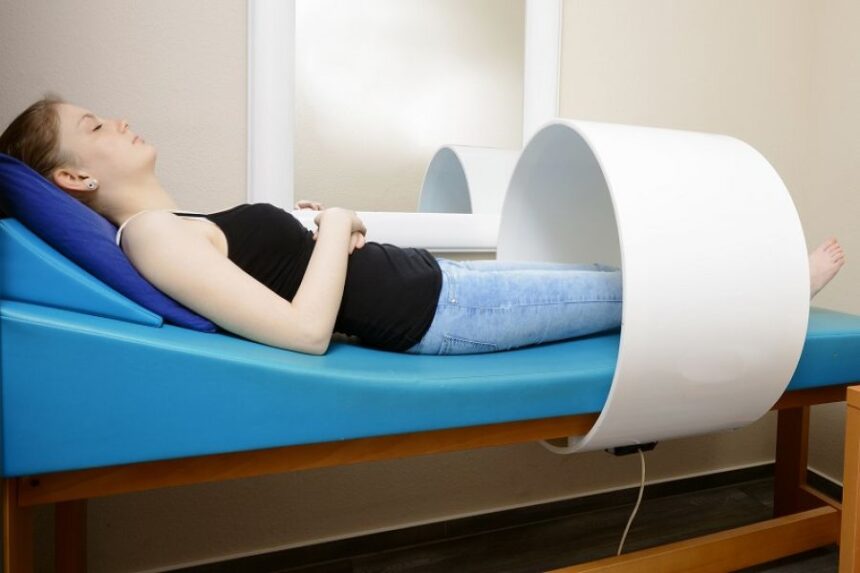
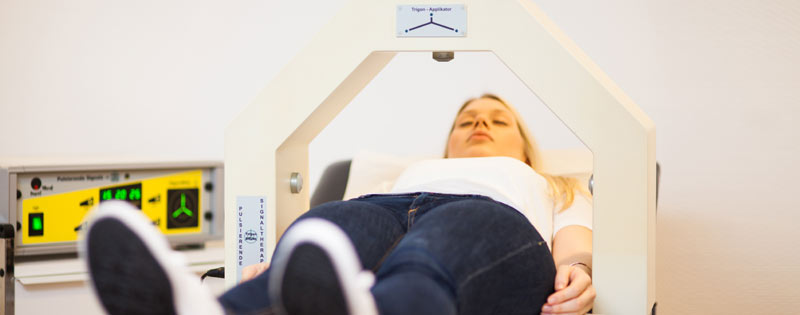
You will usually sit or lie down comfortably. The affected body part—say, your knee or your shoulder—is placed inside a large ring or coil. This coil is part of the PST device. You don’t have to undress, as the magnetic signals pass easily through clothing.
Once the machine is turned on, the treatment begins. A typical session lasts about 60 minutes. Most treatment plans involve a series of sessions, often nine to twelve, performed on consecutive days. Consistency is key here. You can’t just do one session and expect a miracle; the cells need repeated stimulation to get back to work.
What Does It Feel Like?
This is the best part for many patients: it usually feels like nothing at all. You might feel a very slight warmth or a tiny tingling sensation, but for the vast majority of people, it is completely painless. Many patients bring a book, listen to music, or even take a nap during their hour of treatment.
Because it is non-invasive, there is no recovery time. You can get up right after your pulsierende signal therapie session and drive home, go to work, or run errands. This convenience is a huge factor in why people choose it over surgery.
Who Can Benefit from This Therapy?
Not everyone with a pang of pain is a candidate for pulsierende signal therapie, but it covers a wide range of musculoskeletal issues. The primary target is osteoarthritis, the “wear and tear” arthritis that affects millions of people as they age.
Here is a breakdown of conditions that commonly respond well to PST:
- Knee Osteoarthritis: One of the most common uses. It can help reduce pain and improve mobility.
- Back Pain: Specifically pain caused by degenerative changes in the spine.
- Hip Arthritis: Helping to delay the need for hip replacement surgery.
- Sports Injuries: Tendonitis, ligament strains, and other soft tissue injuries.
- Shoulder Pain: Including rotator cuff issues or frozen shoulder.
It is important to note that this therapy is most effective for degenerative conditions where the tissue is worn down but not completely gone. If a joint has absolutely no cartilage left (bone-on-bone), the ability for regeneration is much lower.
Conditions Treated vs. Success Rate
|
Condition |
Potential Benefit |
Typical Course |
|---|---|---|
|
Knee Osteoarthritis |
High |
9-12 Sessions |
|
Lumbar Spine Pain |
Moderate to High |
9-12 Sessions |
|
Tennis Elbow |
High |
9 Sessions |
|
Achilles Tendonitis |
Moderate |
9 Sessions |
|
Hip Arthritis |
Moderate |
12 Sessions |
Comparing PST to Other Treatments
When you have joint pain, you have options. Let’s see how pulsierende signal therapie stacks up against the usual suspects.
Medication (NSAIDS):
Pills like ibuprofen can reduce inflammation and kill pain temporarily. However, they don’t fix the underlying problem. Long-term use can also damage your stomach, kidneys, or heart. PST aims to repair the tissue, offering a potentially longer-term solution without the side effects of pills.
Cortisone Injections:
Shots can provide powerful, immediate relief for swelling. But doctors limit how many you can have because too much cortisone can actually weaken tendons and cartilage over time. PST is non-destructive and safe to repeat if necessary.
Surgery:
Joint replacement is the “nuclear option.” It is effective but involves significant risks, anesthesia, and months of painful rehab. PST is often used as a bridge to delay surgery or avoid it altogether if the condition isn’t too severe.
The Safety Profile of Pulsierende Signal Therapie
Safety is a top priority for anyone seeking medical treatment. The good news is that pulsierende signal therapie has an excellent safety record. Because it uses low-energy fields—similar in strength to the natural fields in your body—adverse reactions are extremely rare.
There are no known serious side effects. Some people might experience a temporary increase in pain after the first couple of sessions. Doctors call this a “reactionary response.” It is actually a good sign! It means the body is responding to the stimulation. This discomfort usually fades quickly as treatment continues.
Who Should Avoid PST?
While safe for most, there are a few exceptions. You should always consult your doctor, but generally, PST might not be suitable if:
- You are pregnant.
- You have active cancer in the area being treated.
- You have a bacterial infection in the joint.
- You have certain electrical implants (like a pacemaker) near the treatment area.
The Long-Term Effects and Results
One of the most frequent questions patients ask is, “How long does it last?” It is a fair question. You don’t want to spend time and money on something that wears off in a week.
Results from pulsierende signal therapie are not usually immediate. Remember, you are asking your body to grow and repair tissue. That takes time. Most patients start to feel significant relief about six to twelve weeks after the treatment course is finished.
The effects can last for a substantial amount of time. Many patients report relief lasting for two years or more. Some may need a “booster” session or a repeat course down the line, but many enjoy a long period of improved mobility and reduced pain.
Incorporating PST into a Holistic Health Plan
PST works best when it is part of a bigger picture. You can’t just rely on the machine and ignore the rest of your health. To get the best results from pulsierende signal therapie, you should pair it with healthy lifestyle choices.
Nutrition matters. Eating foods rich in anti-inflammatory properties can support the healing process. Omega-3 fatty acids, plenty of vegetables, and staying hydrated help your joints function better.
Movement is medicine. Once the pain subsides, getting back to gentle exercise is crucial. Strong muscles support your joints. If you treat your knee with PST but keep your leg muscles weak, the stress on the joint remains. Physical therapy is often a great partner to PST.
For more insights on cutting-edge health trends and technology updates, you might want to visit resources like https://siliconvalleytime.co.uk/, which often covers innovations in various fields. Keeping up with new tech can help you make better decisions about your health.
Understanding the Cost and Availability
In the United States, insurance coverage for pulsierende signal therapie varies wildly. Because it is sometimes classified as an “alternative” or “investigational” therapy by big insurance companies, you might have to pay out of pocket.
The cost can range significantly depending on the clinic and the specific area being treated. It is an investment. However, when you compare it to the cost of ongoing medication, lost work days due to pain, or the high deductible of a surgery, many find it to be a cost-effective choice for improving quality of life.
Finding a Provider
Not every orthopedic office has a PST machine. You will likely need to look for specialized clinics that focus on regenerative medicine, pain management, or holistic orthopedics. Always ensure the provider is certified and uses approved equipment.
Common Myths About PST
There is a lot of misinformation out there about magnetic and electrical therapies. Let’s clear up a few myths about pulsierende signal therapie.
Myth 1: It’s just a magnet.
False. While it uses magnetic fields, it is the pulsing signal that matters. A static magnet (like one on your fridge) doesn’t have the same biological effect on cartilage regeneration.
Myth 2: It cures arthritis completely.
False. There is currently no “cure” for osteoarthritis. PST manages the condition, reduces pain, and improves function. It turns back the clock, but it doesn’t stop the clock forever.
Myth 3: It hurts.
False. As mentioned earlier, it is painless. If you are afraid of needles or pain, this is one of the friendliest therapies available.
Preparing for Your First Appointment
If you have booked an appointment for pulsierende signal therapie, here is a quick checklist to help you prepare:
- Hydrate: Drink plenty of water before and after sessions. Well-hydrated tissue conducts signals better.
- Wear Comfortable Clothes: You won’t have to undress, but loose clothing is more comfortable for sitting still for an hour.
- Bring Entertainment: Since you will be sitting for 60 minutes, bring a book, tablet, or headphones.
- Ask Questions: Don’t be afraid to ask the technician about what they are doing. Understanding the process helps you relax.
Why Choose Non-Invasive Options First?
The medical world is shifting. For a long time, the answer to pain was “cut it out” or “numb it.” Now, there is a huge push toward regenerative medicine. We are realizing that the body has amazing capabilities to heal if we just give it the right tools.
Choosing a non-invasive option like pulsierende signal therapie first preserves your options. If you try it and it doesn’t work, you can still have surgery later. But you can’t undo surgery once it is done. Starting with the least invasive, safest option is simply smart health management.
Patient Success Stories
While scientific studies are important, hearing from real people matters too. Many patients who felt they were “out of options” have found relief with PST.
Take, for example, active seniors who want to keep playing golf but are held back by knee pain. After a course of pulsierende signal therapie, many report being able to walk the course again without the nagging ache they had lived with for years.
Younger athletes with chronic tendonitis also report success. Instead of sitting on the sidelines for months, PST can help accelerate the healing of soft tissue, getting them back in the game faster.
Frequently Asked Questions (FAQ)
Here are some quick answers to common questions about this therapy.
Q: Is pulsierende signal therapie FDA approved?
A: The regulatory status can vary by specific device and intended use. In the US, some PEMF (Pulsed Electromagnetic Field) devices, which are similar, are FDA cleared for treating non-union fractures and depression. It is best to check the specific status of the device your clinic uses.
Q: Can I use this if I have a metal implant?
A: Generally, yes. Surgical screws and plates are non-magnetic titanium usually. However, always inform your doctor about any implants you have.
Q: How soon will I see results?
A: Patience is required. You likely won’t feel a change immediately. Most improvements are noticed 6 to 12 weeks after the final session.
Q: Does it work for rheumatoid arthritis?
A: PST is primarily used for osteoarthritis (wear and tear). Rheumatoid arthritis is an autoimmune disease. While PST might help with some inflammation, it does not treat the underlying immune system issue.
Q: Can I drive after the treatment?
A: Absolutely. There is no sedation or impairment involved.
Conclusion
Living with chronic pain is exhausting, but you don’t always have to resort to drastic measures to find relief. Pulsierende signal therapie offers a gentle, science-backed alternative that focuses on helping your body do what it does best: heal.
By mimicking natural biological signals, it encourages cartilage repair and reduces inflammation without needles or knives. While it may not be a magic cure-all for everyone, its high safety profile and potential for long-term relief make it a compelling option worth exploring.
If you are tired of pain holding you back, talk to your doctor about whether this therapy fits your needs. It might just be the signal your body has been waiting for.
For more detailed background on the underlying principles of electromagnetic therapies, you can read more at https://www.wikipedia.org/ related to this topic.



