





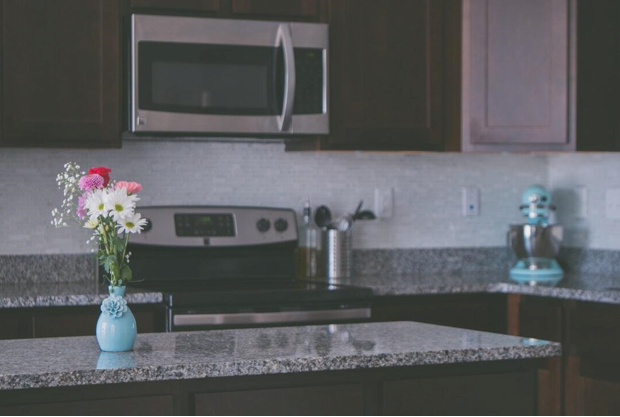

Stone countertops remain one of the most trusted choices for kitchens and bathrooms. They offer a natural look that never feels outdated. Many homeowners like them because they are strong and long-lasting.
Designers value them for their texture, depth, and variety. Stone also works well with both modern and classic interiors. Choosing the right material, however, can feel confusing at first.
Let’s explore what you need to know about stone countertops so you can decide with confidence.
Understanding Natural Stone Countertops
Natural stone countertops are cut from real slabs formed by nature over time. Each slab has unique colors, lines, and patterns. This means no two countertops will ever look exactly the same.
Many people love this because it adds character to a space. Stone surfaces often feel more premium than synthetic options. They can also increase the visual value of a kitchen or bathroom.
Common types include granite, marble, quartzite, and soapstone. Maintenance needs vary depending on the stone you choose. Understanding these basics helps prevent costly mistakes later.
Granite Countertops: Durable and Versatile
Granite is one of the most popular countertop materials. It is known for its strength and scratch resistance. Heat from pans usually does not damage the surface.
Granite also comes in many colors and patterns. This makes it easy to match with cabinets and flooring. Proper sealing helps protect it from stains.
Many kitchens use granite for its balance of beauty and durability. If you want ideas, you can browse finishes and styles like these custom granite countertops here to see how varied the designs can be. Granite is often a safe long-term investment.
Marble Countertops: Elegant But Sensitive
Marble is admired for its soft, luxurious appearance. It has gentle veining that feels timeless and refined. Many high-end kitchens feature marble for this reason.
However, marble is softer than granite. It can scratch or etch more easily. Acidic foods like lemon can leave marks. Regular sealing reduces staining risks.
Some homeowners accept these changes as part of marble’s charm. Marble suits spaces where appearance matters most.
Quartzite Countertops: Beauty with Strength
Quartzite is a natural stone often confused with quartz. Unlike quartz, quartzite is completely natural. It offers marble-like patterns with greater hardness and this makes it more resistant to scratches.
Many quartzite slabs feature light, bright tones. They work well in modern kitchens. Sealing is still necessary for protection.
Quartzite can handle heat better than engineered surfaces. It combines elegance with durability.
Soapstone Countertops: Soft Look, Tough Performance
Soapstone has a smooth, matte texture. It usually appears in gray or dark tones and over time, it develops a natural patina. Many people like this aged, lived-in look.
Soapstone is resistant to heat and stains. It does not require sealing like other stones. Minor scratches can be sanded out.
It fits well in rustic or classic kitchens. Soapstone offers understated beauty.
Engineered Stone vs Natural Stone
Engineered stone is made from crushed stone mixed with resins. It often provides a more uniform appearance. Natural stone, in contrast, shows unique patterns.
Engineered surfaces usually require less maintenance. They are less porous than many natural stones. However, they may be less heat-resistant.
Natural stone offers authenticity and variation. Both options have their place. The best choice depends on lifestyle and preference.
Benefits of Choosing Stone Countertops
Stone countertops are valued for their durability. They can last for decades with proper care. Their natural patterns create visual interest.
Stone also resists heat better than many materials. It adds a sense of quality to a room.
Many buyers see stone as a long-term upgrade. It can improve resale appeal.
Different stones offer different advantages. Understanding benefits helps justify the investment.
Maintenance and Care Basics
Most natural stones need sealing. Sealing helps prevent stains and moisture damage and daily cleaning is usually simple. Mild soap and water are often enough.
Avoid harsh chemicals when possible. Wipe spills quickly to reduce risks. Use cutting boards to protect the surface.
Follow stone specific care guidelines. Proper care extends the countertop’s lifespan.
Cost Factors to Consider
Stone countertop pricing varies widely, rarity and slab quality affect cost and thickness and edge profiles also influence pricing. Installation complexity can raise expenses. Transportation may add extra fees.
Some stones are more affordable than others. Maintenance costs should also be considered. Budget planning prevents surprises and always request detailed estimates.
Choosing the Right Stone for Your Space
Lifestyle plays a major role in selection. Busy kitchens need more durable surfaces and low traffic areas allow softer stones. Color and lighting also matter and dark stones can hide stains better.
Light stones brighten smaller rooms. Texture affects the overall style and maintenance comfort should guide decisions. Always view full slabs when possible and the right match balances beauty and practicality.
Design and Style Considerations
Stone countertops influence the room’s mood and bold patterns create a statement look. Subtle designs offer a calm feel and edge profiles add personality. Polished finishes reflect more light.
Honed finishes appear softer and matte and backsplashes should complement the stone. Cabinet colors must harmonize with the slab. Good design ensures visual balance and thoughtful choices enhance the space.
Installation and Fabrication Insights
Professional installation is strongly recommended. Stone slabs are heavy and delicate. Precise cutting ensures proper fit. Fabrication includes sink and edge detailing.
Poor installation can lead to cracks. Templates help achieve accuracy. Seam placement requires careful planning. Skilled work protects your investment. Quality installation improves durability.
Common Buying Mistakes to Avoid
Many buyers focus only on appearance. Ignoring maintenance needs can cause regret. Choosing without viewing slabs is risky and skipping sealing advice leads to damage.
Underestimating costs creates stress and poor installer selection can ruin results. Not checking warranties is another mistake. Rushed decisions often backfire and informed buying leads to satisfaction.
Environmental Impact and Sustainability
Stone countertops are often seen as a natural and lasting choice. They come directly from the earth, which reduces the need for heavy manufacturing. However, quarrying and transport still use energy.
Choosing locally sourced stone can lower the environmental footprint. Durability also plays an important role in sustainability. A surface that lasts for decades reduces replacement waste and some stones can even be repurposed or recycled.
Learn More About Stone Countertops
Stone countertops offer a balance of beauty, durability, and timeless appeal. They suit many design styles and functional needs. Each stone type has strengths and limitations and careful comparison helps narrow your options.
Budget, maintenance, and lifestyle should guide the final decision. When chosen wisely, stone becomes a lasting feature you enjoy daily. Take your time, ask questions, and invest with clarity.
For more topics, check our blog!



