





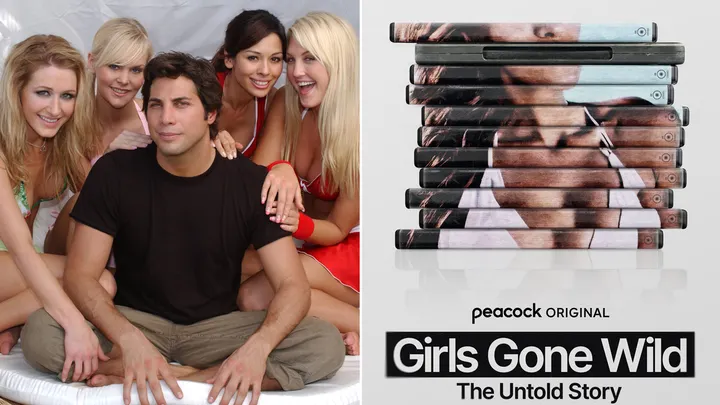

The phrase “girls gone wild” evokes a specific era, a cultural moment that swept through the late 1990s and early 2000s. It became more than just a saying; it transformed into a brand, a media franchise, and a symbol of a particular type of youthful rebellion and spring break culture. Understanding this phenomenon involves looking back at its origins, its massive growth, its impact on society, and the discussions it continues to spark today. This exploration isn’t just about a brand, but about the societal shifts, media trends, and cultural conversations that surrounded it. From its start as a series of direct-to-video releases to its place in popular culture, the story of “girls gone wild” is a complex one.
This article will delve into the history and cultural impact of the “girls gone wild” phenomenon. We will explore how it captured the attention of a generation, the business model that powered its success, and the legal and ethical controversies that followed. By examining its rise and fall, we can gain insights into media consumption, youth culture, and the evolving perspectives on privacy and public behavior.
Key Takeaways
- The “girls gone wild” phrase became synonymous with a specific brand that capitalized on early 2000s spring break culture.
- The business model relied on direct-response marketing, including late-night infomercials and a strong online presence.
- The phenomenon reflected and influenced societal attitudes about youth, partying, and the line between public and private life.
- Significant legal challenges and controversies, including those involving its founder, marked the brand’s history and contributed to its decline.
- The legacy of “girls gone wild” is complex, serving as a case study in media ethics, personal privacy in the digital age, and the evolution of cultural norms.
The Origins of a Pop Culture Term
Before it was a global brand, the phrase “girls gone wild” was a colloquialism used to describe boisterous or uninhibited behavior. However, its entry into the mainstream consciousness is directly tied to entrepreneur Joe Francis, who saw an opportunity in the burgeoning home video market. In the late 1990s, Francis began filming college students during events like Mardi Gras and spring break, capturing scenes of revelry and partying. He packaged this footage into videos and DVDs, marketing them directly to consumers.
The concept wasn’t entirely new, but the branding and marketing were revolutionary for the time. The title “girls gone wild” was catchy, provocative, and perfectly encapsulated the content. It promised a glimpse into a world of carefree celebration, far from the structure of daily life. The initial videos were gritty and low-budget, which added to their sense of authenticity for viewers. This raw, unfiltered style was a key part of the early appeal, making the audience feel as though they were getting an uncensored look at what really happens when college students let loose. This strategy laid the groundwork for what would become a multi-million dollar media empire.
The Rise of a Direct-to-Market Empire
The success of the “girls gone wild” brand was not just about the content; it was a masterclass in direct-response marketing. In an era before streaming services dominated home entertainment, the company leveraged two powerful channels: late-night television and the internet.
Infomercials and Television Advertising
Late-night infomercials became the primary vehicle for reaching the target demographic. These long-form commercials ran after prime time, featuring fast-paced montages of party scenes set to high-energy music. They always ended with a clear call to action: a phone number and a website where viewers could order the videos. The ads were ubiquitous, making the “girls gone wild” brand and its distinctive logo instantly recognizable to a generation of television watchers. This constant presence on the airwaves created a sense of buzz and cultural relevance, making the videos a must-have item for a certain audience.
The Power of Online Marketing
The brand was also an early adopter of internet marketing. The “girls gone wild” website was a central hub for sales, offering special deals and exclusive content not available elsewhere. By building a strong online presence, the company could bypass traditional retail stores and sell directly to its customers. This direct-to-consumer model allowed for higher profit margins and gave the company full control over its branding and distribution. They utilized email marketing and online ads to drive traffic to their site, building a massive customer database. This digital-first approach was ahead of its time and a major factor in the brand’s rapid financial success.
Deconstructing the “Girls Gone Wild” Phenomenon
What made “girls gone wild” such a cultural force? The reasons are multifaceted, touching on themes of freedom, rebellion, and the changing media landscape. For many young people, particularly college students, events like spring break represent a temporary escape from the pressures of academic and home life. The brand tapped into this desire for unrestrained fun, packaging it as a desirable and exciting lifestyle. It portrayed a world where the rules were suspended, and spontaneity reigned supreme.
The phenomenon also played into the concept of “what happens on vacation, stays on vacation.” It captured moments that felt fleeting and exclusive to a specific time and place. For viewers at home, the videos offered a vicarious experience of this perceived freedom. They could watch the parties from the comfort of their living rooms, feeling like they were part of the action without any of the real-world consequences. This voyeuristic appeal was a powerful driver of sales and a key reason the brand resonated with so many people. The timing was perfect, as it coincided with the rise of reality television, a genre that blurred the lines between real life and entertainment.
The Media’s Role and Cultural Impact
The media played a significant role in both amplifying and critiquing the “girls gone wild” phenomenon. News outlets, talk shows, and magazines frequently covered the brand, often focusing on its controversial nature and its charismatic but divisive founder. This constant media attention, whether positive or negative, kept the brand in the public eye and arguably contributed to its mystique. Every news story or talk show debate served as free advertising, embedding the phrase deeper into the cultural lexicon.
The impact on popular culture was undeniable. The phrase “girls gone wild” became a common shorthand for any scene of female revelry. It was parodied in movies, television shows, and comedy sketches, cementing its status as a cultural touchstone of the 2000s. Shows like Saturday Night Live and movies from that era frequently referenced the brand, demonstrating how deeply it had penetrated the mainstream. This saturation level ensured that even people who had never seen the videos were familiar with the concept, making it a true cultural phenomenon.
Examining Societal Norms
The “girls gone wild” brand emerged at a time of shifting societal norms. It tested the boundaries of acceptable public behavior and sparked widespread debate. Supporters argued it was simply harmless fun, a depiction of people voluntarily enjoying themselves. They saw it as a form of liberation, where individuals were free to act as they pleased without judgment. From this perspective, the brand was merely documenting a pre-existing party culture, not creating it.
Controversies and Criticisms
Conversely, critics raised serious concerns. They argued that the brand exploited young people, often in vulnerable situations. Questions were raised about consent, particularly regarding whether participants fully understood how the footage would be used and distributed globally. Feminist groups and social commentators voiced strong opposition, stating that the brand promoted a narrow and objectifying view of women. They argued that it profited from creating a spectacle that reinforced harmful stereotypes. These debates were a constant undercurrent throughout the brand’s peak, highlighting a deep cultural divide in how the content was perceived.
Legal Battles and the Brand’s Decline
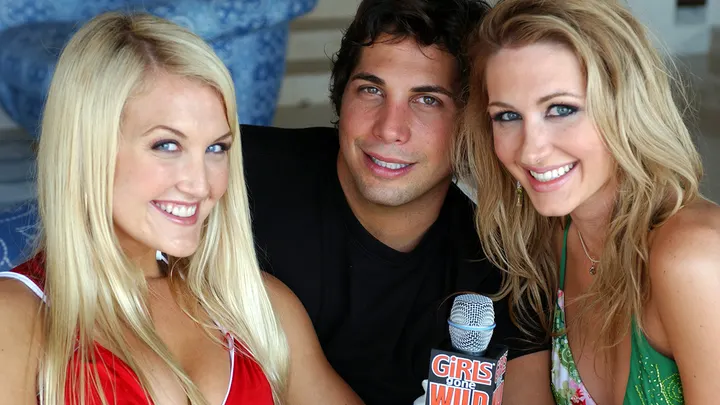
The “girls gone wild” empire began to crumble under the weight of numerous legal challenges and controversies. The issues were wide-ranging, involving both the business practices of the company and the personal conduct of its founder, Joe Francis. These legal troubles significantly damaged the brand’s reputation and financial stability.
One of the major legal issues involved claims from individuals who appeared in the videos. Many filed lawsuits stating they were filmed without their consent or that they were underage at the time of filming. These cases brought to light a host of ethical questions about the company’s production methods. The resulting legal fees and settlements were substantial, placing a significant financial strain on the business. For more insights into how businesses navigate complex legal landscapes, you might find articles on technology law and business ethics, like those at https://siliconvalleytime.co.uk/, to be informative.
The Founder’s Legal Issues
Joe Francis himself became a magnet for legal trouble. He faced a variety of charges over the years, leading to convictions and jail time. These personal legal battles were extensively covered by the media, and his public image became increasingly toxic. The controversies surrounding the founder were directly linked to the brand, and as his reputation soured, so did the public’s perception of “girls gone wild.” The constant negative press made it difficult for the brand to maintain its fun-loving, carefree image.
Bankruptcy and the End of an Era
The combination of mounting legal fees, large court judgments, and a damaged public image ultimately led the parent company of “girls gone wild” to file for bankruptcy in 2013. The business model, which had been so successful in the early 2000s, was no longer viable. The rise of free, user-generated content on platforms like YouTube and the proliferation of smartphones meant that anyone could capture and share party footage. The brand’s core product was no longer unique. This shift in the media landscape, coupled with its legal and reputational problems, marked the end of the “girls gone wild” era.
|
Year |
Event |
Impact on the Brand |
|---|---|---|
|
1997 |
Joe Francis founds the “girls gone wild” brand. |
Establishes the company and begins production of early videos. |
|
Early 2000s |
Infomercials become a late-night TV staple. |
Brand awareness skyrockets, leading to massive sales and revenue. |
|
Mid-2000s |
First major lawsuits are filed by video participants. |
The beginning of legal troubles and negative press. |
|
2007 |
Founder Joe Francis is sentenced on contempt charges. |
Founder’s legal issues begin to dominate the brand’s narrative. |
|
2013 |
The parent company files for Chapter 11 bankruptcy. |
Marks the official financial collapse and decline of the empire. |
|
Late 2010s |
Shift to streaming and user-generated content. |
The brand’s business model becomes obsolete. |
The Legacy of “Girls Gone Wild” in the Digital Age
The legacy of “girls gone wild” is complex and continues to be relevant in today’s digital world. It serves as a crucial case study in media ethics, consent, and the permanence of one’s digital footprint. In the era of social media, where photos and videos can be shared globally in an instant, the lessons from this phenomenon are more important than ever.
Lessons in Digital Footprints
The “girls gone wild” saga is a powerful cautionary tale about the long-term consequences of public behavior. Many participants, who were young adults at the time, later expressed regret, as footage of them remained accessible online for years. It affected their personal and professional lives in ways they could not have anticipated. This highlights a critical lesson for today’s youth: what you post or allow to be recorded online can follow you for a lifetime. In a world where employers and universities routinely check social media profiles, your digital footprint is a permanent record.
Evolving Views on Privacy and Consent
The discussions sparked by “girls gone wild” helped shape contemporary conversations about privacy and consent, especially concerning media. Today, there is a much greater public awareness of the importance of obtaining clear and enthusiastic consent before filming or photographing someone, particularly for commercial purposes. The legal and ethical failures of the brand served as a negative example that has informed best practices for content creators and media companies. The “anything goes” attitude of the early 2000s has been replaced by a more nuanced understanding of personal boundaries and the right to control one’s own image. This evolution is a direct result of the controversies that brands like “girls gone wild” brought to the forefront.
Conclusion
The “girls gone wild” phenomenon was a unique product of its time, a perfect storm of emerging technology, direct-response marketing, and a cultural fascination with spring break revelry. It rose from a simple video concept to a multi-million dollar empire that left an indelible mark on 2000s pop culture. Its success was driven by a savvy business strategy that capitalized on late-night television and the early internet, creating a brand that was both ubiquitous and controversial.
However, the same elements that fueled its rise also led to its downfall. The brand’s history is a compelling narrative of ambition, cultural change, and consequence. As we look back, the story of “girls gone wild” serves as more than just a piece of pop culture nostalgia. It is a vital case study in the ethics of media, the importance of consent, and the lasting power of a digital footprint. The lessons learned from its journey from cultural craze to cautionary tale continue to resonate today, reminding us of the complex relationship between media, culture, and personal responsibility in an increasingly connected world.
Frequently Asked Questions (FAQ)
Q1: What was the “girls gone wild” phenomenon?
A1: “Girls gone wild” was a media and entertainment brand that became popular in the late 1990s and 2000s. It produced and sold videos and DVDs featuring footage of college-aged people, primarily women, at parties and events like spring break. It grew into a cultural phenomenon through aggressive direct-to-consumer marketing, especially late-night infomercials.
Q2: Who created the “girls gone wild” brand?
A2: The brand was founded by entrepreneur Joe Francis in 1997. He was the public face of the company and was central to its marketing, but he also became the focus of its many legal controversies.
Q3: Why was “girls gone wild” so controversial?
A3: The brand faced significant controversy for several reasons. Critics argued that it exploited young people and raised serious questions about consent, as many participants later claimed they were filmed without understanding how the footage would be used. There were also numerous lawsuits, including from individuals who stated they were underage when filmed.
Q4: How did the “girls gone wild” brand become so famous?
A4: Its fame was largely due to a highly effective direct-marketing strategy. The company bypassed traditional retail and sold directly to consumers via its website and a toll-free number. Its most famous advertising tool was the late-night infomercial, which ran constantly on television and made the brand a household name.
Q5: What led to the decline of the “girls gone wild” brand?
A5: The decline was caused by a combination of factors. Mounting legal fees from lawsuits, criminal charges against its founder, and a damaged public reputation severely weakened the company. Additionally, the rise of free, user-generated content on the internet made its business model obsolete, leading to the parent company filing for bankruptcy in 2013.



