





What comes to mind when you hear the phrase “law abiding citizen”? For many, it might conjure an image of someone who simply doesn’t break the law. They pay their taxes, stop at red lights, and generally keep to themselves. While that’s certainly part of the picture, the concept is much richer and more vital to our society than just avoiding trouble. Being a law abiding citizen is an active role, not a passive one. It’s about understanding the “why” behind the rules and contributing to a community where everyone feels safe and has the opportunity to thrive.
This article will explore the many facets of what it means to be a law abiding citizen. We’ll move beyond the simple definition to uncover the responsibilities, benefits, and everyday actions that define this crucial role in society. From understanding local ordinances to participating in civic life, you’ll gain a deeper appreciation for how your choices ripple outwards, strengthening the fabric of your community.
Key Takeaways
- More Than Just Following Rules: Being a law abiding citizen involves active participation and a commitment to community well-being, not just passively avoiding illegal acts.
- The Foundation of Society: Widespread respect for the law creates a stable, predictable, and safe environment for everyone.
- Civic Duty is Key: Responsibilities extend beyond personal behavior to include activities like voting, jury duty, and staying informed about local and national issues.
- Economic and Social Benefits: Communities with high numbers of law abiding citizens often experience lower crime rates, higher property values, and stronger local economies.
- An Evolving Concept: The definition of a good citizen adapts over time with changes in laws, technology, and social norms.
Defining the Law Abiding Citizen
At its core, a law abiding citizen is an individual who respects and follows the laws of their town, state, and country. This concept is the bedrock of a functioning society. Imagine a world with no rules for driving—intersections would be chaotic and dangerous. Laws provide the structure and predictability we need for daily life. They are the agreed-upon rules of the game that allow millions of people with different beliefs and goals to coexist peacefully.
However, the definition goes deeper. It’s not just about fear of punishment. A true law abiding citizen understands that laws are created to protect the rights and safety of everyone. They follow the speed limit not just to avoid a ticket, but because they recognize the danger that speeding poses to other drivers, cyclists, and pedestrians. This sense of shared responsibility and respect for others is what elevates the term from a simple description to a civic ideal. It’s about contributing to the collective good and understanding that your personal freedom exists in balance with the freedoms of your neighbors.
The Historical Context of Citizenship and Law
The idea of a law abiding citizen is not new. It has roots in ancient civilizations where codes of conduct were established to maintain order. From the Code of Hammurabi in ancient Babylon to the principles of democracy in Athens, societies have long grappled with the relationship between the individual and the state. In the United States, this concept was woven into the nation’s founding documents. The U.S. Constitution established a government “of the people, by the people, for the people,” creating a framework where citizens agree to be governed by laws they help create.
This social contract is a two-way street. Citizens agree to follow the law, and in return, the government agrees to protect their rights and freedoms. This dynamic relationship is what makes a democratic society work. It relies on the vast majority of people voluntarily choosing to be a law abiding citizen, creating a culture of mutual respect and order.
The Core Responsibilities of a Law Abiding Citizen
Being a law abiding citizen involves a set of responsibilities that extend into various aspects of life. These duties are not burdensome; rather, they are the essential contributions we make to ensure our communities remain safe, fair, and functional for everyone.
1. Obeying Federal, State, and Local Laws
This is the most straightforward responsibility. The legal system is layered, and a law abiding citizen respects all levels.
- Federal Laws: These are laws passed by the U.S. Congress that apply to every person in the country. A primary example is the requirement to pay federal income taxes, which fund everything from national defense to interstate highways and social programs.
- State Laws: Each state has its own constitution and legislative body to create laws that apply within its borders. These often govern areas like traffic regulations (e.g., speed limits on state highways), professional licensing, and state criminal codes.
- Local Ordinances: Cities and counties pass ordinances to manage local affairs. These can include zoning laws that dictate what can be built where, noise ordinances that limit how loud you can be at night, and rules about pet ownership, like leash laws. A good law abiding citizen takes the time to be aware of these local rules.
2. The Duty to Pay Taxes
No one loves paying taxes, but it is one of the most fundamental duties of a law abiding citizen. Taxes are the financial fuel that powers our government and public services. Without tax revenue, we wouldn’t have public schools, paved roads, first responders like firefighters and police, or public parks.
Filing your taxes honestly and on time is a critical contribution to the community’s infrastructure and well-being. It’s a tangible way that every working citizen participates in building and maintaining the society we all share. It ensures that the government has the resources to provide essential services that benefit everyone, from national security to local library funding.
3. Serving on a Jury
Receiving a jury summons in the mail can feel like an inconvenience, but it is a cornerstone of the American justice system. The Sixth Amendment guarantees the right to a trial “by an impartial jury.” This right is meaningless without citizens willing to serve.
When you serve on a jury, you are participating directly in the administration of justice. You are ensuring that a person’s fate is decided not by a government official, but by a group of their peers. Being a law abiding citizen means answering this call to duty. It requires you to listen to evidence, deliberate thoughtfully, and make a fair and impartial decision. It is a powerful civic responsibility that upholds one of our most basic rights.
Active Participation: Going Beyond the Bare Minimum
While obeying laws is the foundation, a truly engaged law abiding citizen participates more actively in their community and government. This active involvement strengthens democracy and ensures that laws reflect the will of the people.
The Importance of Voting
Voting is one of the most powerful rights and responsibilities you have as a citizen. It is your opportunity to have a direct say in who represents you and what policies are enacted. From local school board elections to the presidential race, every election matters. The leaders who are elected make decisions that affect your daily life, including your taxes, healthcare, local infrastructure, and public safety.
A law abiding citizen understands that democracy is not a spectator sport. They stay informed about the candidates and the issues and make their voice heard at the ballot box. By participating in elections, you help ensure that the government remains accountable to the people it serves.
Staying Informed About Civic Issues
In the age of information, staying informed is both easier and more challenging than ever. A responsible law abiding citizen makes an effort to understand the issues facing their community, state, and nation. This doesn’t mean you have to be an expert on every topic. It means reading from multiple credible news sources, understanding different perspectives, and being aware of proposed laws or local developments.
Being informed allows you to engage in meaningful conversations with your neighbors, contact your elected officials about issues you care about, and make educated decisions when you vote. Knowledge is power, and in a democracy, that power belongs to the citizens.
Respecting the Rights and Beliefs of Others
A hallmark of a thriving, diverse society is mutual respect. A law abiding citizen respects the fundamental rights and freedoms of others, even when they disagree with their beliefs, opinions, or lifestyle. This principle is enshrined in the First Amendment, which protects freedom of speech, religion, and assembly.
This means engaging in civil discourse rather than resorting to insults or hostility. It means understanding that your neighbor has the same right to their opinion as you have to yours. This respect creates an environment where people can coexist peacefully and work through their differences constructively. It is the social glue that holds a diverse nation together.
The Societal Benefits of a Law-Abiding Populace
When a community is filled with individuals who strive to be a law abiding citizen, the positive effects are significant and widespread. These benefits create a virtuous cycle, making the community an even better place to live.
Enhanced Safety and Security
The most immediate benefit is a safer community. When people respect traffic laws, property rights, and laws against violence, crime rates naturally fall. This creates an environment where people feel secure in their homes and public spaces. Children can play in parks, residents can walk their dogs at night, and businesses can operate without constant fear of theft or vandalism.
This sense of security is not just a feeling; it has tangible economic benefits. Safe neighborhoods attract new residents and businesses, which contributes to a more vibrant and prosperous community for everyone. A commitment to being a law abiding citizen is a collective investment in public safety.
Economic Stability and Growth
Predictability is a key ingredient for a healthy economy. When laws regarding contracts, property, and business are respected, it creates a stable and predictable environment for economic activity. Entrepreneurs are more willing to start businesses, companies are more likely to invest, and individuals feel more confident making long-term financial plans.
A community of law abiding citizens also reduces the economic drain caused by crime. Resources that would otherwise be spent on law enforcement, court systems, and incarceration can be redirected toward more productive uses, such as education, infrastructure, and healthcare. Furthermore, technology and business news, like that found on platforms such as Silicon Valley Time, often thrives in stable societies where innovation is protected by law.
The Power of Social Cohesion and Trust
Trust is essential for any community to function effectively. When you can trust that other drivers will stop at a red light, that your neighbors won’t steal your packages, and that businesses will honor their agreements, it reduces friction in daily life. This trust is built on the shared understanding that everyone is committed to being a law abiding citizen.
This social cohesion makes it easier to solve community problems. When trust is high, people are more willing to cooperate on local initiatives, volunteer for community projects, and help their neighbors in times of need. A community with strong social bonds is more resilient and a more pleasant place to live for all its residents.
Comparing Community Characteristics
|
Feature |
High Law-Abiding Population |
Low Law-Abiding Population |
|---|---|---|
|
Crime Rate |
Generally Low |
Often High |
|
Community Trust |
High |
Low |
|
Property Values |
Tend to be Stable or Increase |
Can be Depressed or Volatile |
|
Local Business |
Thrives due to stability |
Struggles with risk and loss |
|
Civic Engagement |
High (volunteering, voting) |
Low |
When Laws and Morals Conflict
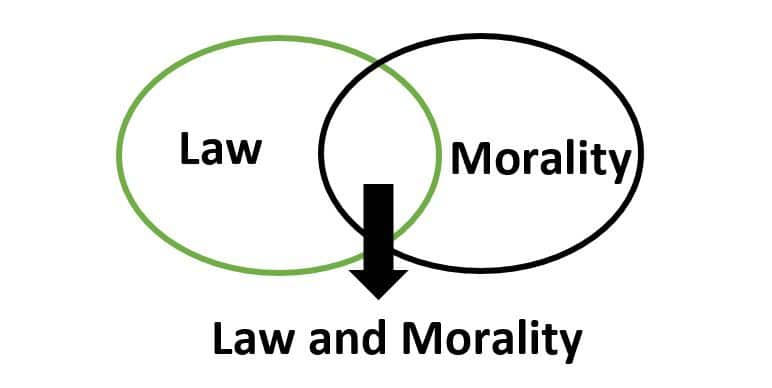
One of the most complex situations a law abiding citizen can face is when a law conflicts with their personal moral or ethical code. History is filled with examples of laws that were later recognized as unjust, such as those enforcing segregation or denying women the right to vote.
Understanding Civil Disobedience
Civil disobedience is the active, professed refusal of a citizen to obey certain laws, demands, or commands of a government, without resorting to violence. It is a form of protest used by individuals who believe a law is morally wrong. Figures like Martin Luther King Jr. and Mahatma Gandhi famously used nonviolent civil disobedience to challenge unjust laws and bring about profound social change.
It’s important to note that civil disobedience is not the same as general lawlessness. Those who practice it are typically a law abiding citizen in all other respects. They consciously and publicly break a specific law they believe is unjust and are willing to accept the legal consequences, such as arrest or fines, to draw attention to their cause. It is a powerful but risky tool for social change, rooted in a deep respect for justice, if not for a particular law.
The Making of a Law Abiding Citizen: Education and Environment
People are not born a law abiding citizen; they are made. The values of respect for the law, community, and others are instilled through a combination of education, family upbringing, and societal influence.
The Role of Family and Early Education
The process begins in the home. Children first learn about rules, consequences, and fairness from their parents and caregivers. When parents model law-abiding behavior—like buckling their seatbelts and being respectful to others—they teach their children foundational lessons about being a good citizen.
Schools continue this education. They teach civics, history, and social studies, providing context for our laws and system of government. They also create a structured environment where students learn to follow rules, respect authority, and cooperate with their peers. These early experiences shape a person’s attitude toward laws and their role in society for the rest of their life.
Community Influence and Social Norms
The community you live in also plays a huge role. When the social norm is to be a law abiding citizen, it creates positive peer pressure. Seeing neighbors maintain their property, participate in community watch programs, and treat each other with respect reinforces these values. Conversely, in environments where law-breaking is common or tolerated, it can be much harder for individuals to develop a strong sense of civic duty.
Positive role models, community leadership, and a visible, trusted law enforcement presence all contribute to creating a culture where following the law is the expected and respected standard of behavior.
Frequently Asked Questions (FAQs)
Q1: Is a law abiding citizen the same as a perfect citizen?
Not at all. A law abiding citizen is someone who respects and follows the law, but nobody is perfect. People make mistakes, like getting a speeding ticket or forgetting to renew a pet license. The key is the intent and overall pattern of behavior. A law abiding citizen respects the legal system and makes a good-faith effort to follow the rules, even if they slip up occasionally.
Q2: What if I don’t agree with a particular law?
It’s normal to disagree with certain laws. In a democracy, a law abiding citizen has several legal avenues to seek change. You can contact your elected representatives, support advocacy groups, sign petitions, or even run for office yourself. The process of changing laws is a fundamental part of our civic system. Until a law is changed, however, a law abiding citizen is generally expected to follow it.
Q3: Does being a law abiding citizen mean I can’t question authority?
Absolutely not. In fact, questioning authority and holding leaders accountable is a key responsibility of a citizen in a democracy. A law abiding citizen can and should ask questions, demand transparency from their government, and advocate for change. The difference is that they do so through legal and peaceful means, respecting the democratic process.
Q4: How does technology affect what it means to be a law abiding citizen?
Technology has introduced new legal frontiers. Being a law abiding citizen today also means respecting digital laws, such as copyright and intellectual property, not engaging in cyberbullying or online harassment, and protecting your personal data and respecting the data privacy of others. The principles are the same—respect for rules and the rights of others—but they are applied in a digital context.
Conclusion: The Backbone of a Strong Society
The concept of the law abiding citizen is far more than a passive descriptor for someone who avoids breaking rules. It is an active, ongoing commitment to the principles of respect, responsibility, and participation that form the backbone of a strong and prosperous society. From the simple act of stopping at a crosswalk to the profound responsibility of serving on a jury, the choices made by millions of individuals every day collectively create the safe, predictable, and fair environment we all depend on. It is a role we all share and a standard we should all strive for, not out of fear, but out of a shared desire for a better community.
Embracing the role of a law abiding citizen is an investment in our shared future. It strengthens trust, fosters economic stability, and ensures that the rights and freedoms we cherish are protected for generations to come. The collective actions of citizens who are committed to upholding the law form the foundation of a just and orderly society, a concept deeply explored within the study of the rule of law. It is through this collective effort that we build a nation that is truly of, by, and for the people.