





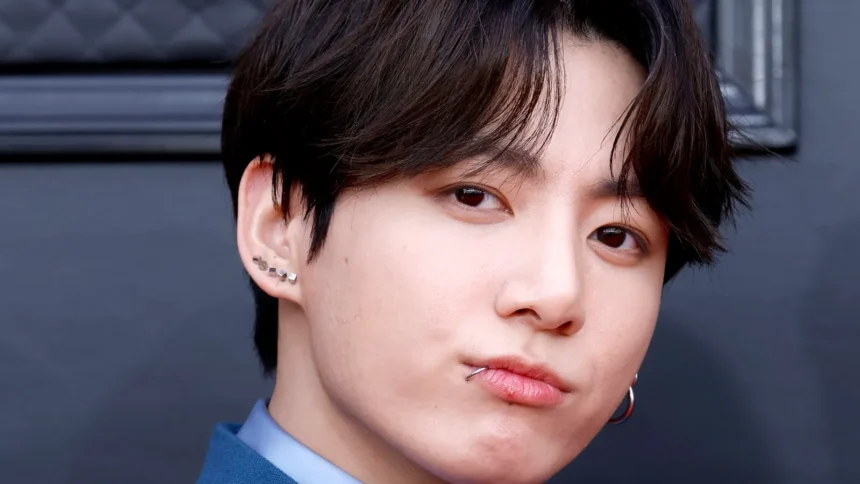

The world of hairstyling is always evolving, with trends coming, going, and sometimes making a surprising comeback. One style that has captured global attention is the Korean mullet. Far from the classic “business in the front, party in the back” look you might remember, this modern interpretation is all about texture, softness, and effortless style. It blends sophistication with a touch of rebellion, making it a versatile choice for many. This guide will explore everything you need to know about the Korean mullet, from its origins and unique characteristics to how you can get and style this iconic look yourself. We’ll break down different variations, offer maintenance tips, and show you why this haircut has become a staple in K-pop and beyond.
Key Takeaways
- A Modern Twist: The Korean mullet is a softer, more textured version of the traditional mullet, focusing on layers and a seamless blend between the shorter front and longer back.
- K-Pop Influence: This hairstyle gained massive popularity thanks to K-pop idols and Korean actors who showcased its stylish and versatile nature.
- Versatility is Key: The Korean mullet can be adapted to various hair types, face shapes, and personal styles, from subtle and professional to bold and edgy.
- Styling and Maintenance: Proper styling involves using products to enhance texture and volume, while maintenance requires regular trims to keep its signature shape.
- Global Phenomenon: What started in South Korea has become a global trend, with people worldwide embracing this chic and contemporary haircut.
Understanding the Korean Mullet Phenomenon
The rise of the Korean mullet is a fascinating story of cultural influence and style evolution. While the mullet has existed for decades, often associated with Western rock stars and a certain retro vibe, its Korean counterpart is a distinctly modern creation. This haircut gained traction through the powerful influence of Hallyu, or the “Korean Wave,” which includes K-pop music, K-dramas, and Korean fashion. Idols and actors are trendsetters, and when stars like G-Dragon from BIGBANG, Baekhyun from EXO, and V from BTS started sporting variations of the mullet, fans and the general public took notice.
What makes the Korean mullet different is its aesthetic. It abandons the harsh, disconnected lines of the classic mullet for a more fluid and artistic shape. It’s characterized by soft, feathery layers, often paired with a fringe or bangs that frame the face beautifully. The transition from the shorter front and sides to the longer back is much more gradual and blended, creating a look that feels both intentional and effortlessly cool. This softer approach makes the style less shocking and more adaptable to everyday wear, which has been crucial to its widespread adoption. It’s a hairstyle that says you are fashion-forward and confident, but in a subtle, refined way. This reinterpretation has successfully shed the old mullet’s somewhat dated reputation, transforming it into a symbol of contemporary cool.
What Defines a Korean Mullet?
At its core, a Korean mullet is defined by its structure and texture. Unlike the stark contrast seen in traditional mullets, this style is all about creating a soft, layered silhouette. The key elements work together to produce a look that is both balanced and dynamic. The front and sides are typically kept shorter, but they are not buzzed or cropped aggressively. Instead, they are often layered to create movement and volume around the face. A fringe or bangs are almost always part of the look, ranging from wispy, see-through bangs to a fuller, curtain-style fringe that adds to the hairstyle’s soft appeal.
The back section is where the “mullet” aspect comes into play, with the hair left significantly longer. However, the length is not just left to hang. It is expertly layered and thinned out to create a light, airy feel. This prevents the back from looking heavy or unkempt. The magic of the Korean mullet lies in the transition zone between the short top and the long back. Skilled stylists use advanced texturizing techniques like slide cutting or point cutting to seamlessly blend these sections. This meticulous blending ensures there are no harsh lines, resulting in a cohesive and flowing hairstyle. The overall effect is less of a drastic cut and more of a sculpted shape that complements the individual’s head shape and features.
The Evolution from Classic to Contemporary
The journey of the mullet from a Western subculture staple to a mainstream Korean trend is a perfect example of how fashion evolves and adapts across cultures. The classic mullet of the 1970s and 80s was a symbol of rebellion. It was bold, unapologetic, and defined by its very distinct, disconnected structure. Think of iconic figures like David Bowie’s Ziggy Stardust persona—it was a hairstyle that made a statement. For years, it was often viewed with a mix of nostalgia and humor, considered by many to be a relic of a bygone era.
The contemporary Korean mullet reimagines this classic form. It takes the basic “short front, long back” concept and infuses it with modern hairdressing techniques and a different cultural aesthetic. The focus shifts from rebellion to chic sophistication. Korean stylists are renowned for their expertise in creating texture and movement, and they applied these skills to soften the mullet’s harsh edges. They introduced layers, waves, and face-framing elements that transformed the cut into something more elegant and versatile. This evolution was heavily fueled by the visual-centric world of K-pop, where appearance and style are integral to an artist’s identity. The modern Korean mullet is not just a haircut; it’s a carefully crafted look that aligns with current beauty standards that favor softer, more natural-looking styles.
How the Korean Mullet Became a Global Trend
The global popularization of the Korean mullet can be directly attributed to the immense reach of South Korean pop culture. Hallyu has become a dominant force in entertainment, and K-pop idols are its most visible ambassadors. These stars are not just musicians; they are fashion icons whose every style choice is scrutinized, celebrated, and copied by millions of fans worldwide. When a popular idol debuts a new hairstyle like the Korean mullet, it instantly becomes a trending topic on social media platforms like Twitter, Instagram, and TikTok. Fans create photo compilations, video edits, and tutorials, spreading the trend like wildfire.
This digital dissemination is a key factor. Social media breaks down geographical barriers, allowing a trend that starts in Seoul to be adopted in New York, London, or São Paulo within days. Hashtags like #koreanmullet and #mulletmonday are filled with images of both celebrities and everyday people showcasing their take on the style. Furthermore, the accessibility of Korean dramas on streaming platforms like Netflix has introduced the hairstyle to an even broader audience. Viewers become invested in the characters and, by extension, their styles. When a charismatic lead actor sports a Korean mullet, it lends the haircut an air of cool confidence that viewers are eager to emulate. This combination of celebrity influence and digital sharing has turned the Korean mullet from a niche trend into a legitimate global hair phenomenon.
The Role of K-Pop Idols and Celebrities
K-pop idols are at the very heart of the Korean mullet trend. In the highly competitive and visually driven K-pop industry, a unique and memorable hairstyle is a powerful tool for standing out. Hair is part of the “concept” for a new album or music video, and idols frequently undergo dramatic transformations. The mullet, with its potential for both edgy and soft interpretations, proved to be a perfect canvas. Idols like BTS’s V and Jungkook, EXO’s Baekhyun, and Stray Kids’ Hyunjin have all famously worn the Korean mullet, each putting their own spin on it. Their versions ranged from sleek and dark to brightly colored and heavily textured, demonstrating the style’s incredible versatility.
When these idols appear on stage, in music videos viewed billions of times, or during live streams with millions of fans, their hairstyle is on full display. Fans, inspired by their favorite artists, then take photos of these idols to their own hairstylists, requesting the same cut. This direct line of influence is incredibly powerful. Korean actors have also played a significant role. In popular K-dramas, a character’s hairstyle helps to define their personality. A character with a Korean mullet might be portrayed as artistic, rebellious, or effortlessly cool. Actors like Lee Do-hyun and Wi Ha-joon have sported the look in their roles, further cementing its status as a desirable and fashionable choice for men. The constant exposure through these highly visible celebrities is the primary engine driving the trend’s popularity.
Social Media’s Impact on the Trend
Social media has acted as a massive amplifier for the Korean mullet trend. Platforms like Instagram, TikTok, and Pinterest are visual by nature, making them the perfect place for a fashion trend to flourish. Once K-pop idols popularized the look, it didn’t take long for it to spread across these platforms. On TikTok, videos under the hashtag #koreanmullet have amassed hundreds of millions of views. These videos include haircut transformations, styling tutorials, and compilations of celebrities wearing the style. The short-form video format is ideal for showcasing the “before and after” effect of getting a Korean mullet, making the transformation look appealing and achievable.
Instagram is another key player. Hair stylists from around the world share their work, showcasing their ability to create the perfect Korean mullet for their clients. Influencers and regular users post selfies, tagging the hairstyle and contributing to its visibility. This user-generated content is crucial because it shows the hairstyle on a diverse range of people, with different face shapes, hair types, and personal styles. It moves the trend beyond the realm of celebrity and makes it feel more accessible and relatable to the average person. Pinterest serves as a massive visual mood board where users collect inspiration photos to take to their salon. The endless stream of images and videos on these platforms creates a feedback loop: the more people see the Korean mullet, the more people want it, leading to even more content being created and shared.
How to Get the Perfect Korean Mullet
Achieving the perfect Korean mullet is a collaborative process between you and a skilled hairstylist. The most critical step is finding a stylist who understands the nuances of this specific cut. It’s not just a matter of leaving the back long; it requires a deep understanding of layering, texturizing, and blending. Before your appointment, do your research. Look for stylists in your area who specialize in modern, textured haircuts or who have experience with Asian hair, as they are more likely to be familiar with the techniques required. It’s a great idea to gather a collection of reference photos. Find pictures of the exact style of Korean mullet you want, preferably from multiple angles (front, side, and back).
When you’re at the salon, communication is key. Don’t just say, “I want a mullet.” Use your reference photos to show your stylist exactly what you like about the cut. Point out the length of the fringe, the texture on top, and how long you want the back to be. Discuss your hair type, your daily routine, and how much time you’re willing to spend on styling. A good stylist will take this information and adapt the cut to suit your face shape and hair texture. For example, if you have very thick hair, they might need to use more aggressive thinning techniques to achieve the light, airy look of a Korean mullet. Be open to their professional advice, as they can help you tailor the cut to be as flattering and manageable as possible for you.
Finding the Right Stylist
Finding the right stylist is arguably the most important factor in getting a great Korean mullet. This is not a standard, by-the-book haircut that any barber can execute perfectly. It’s a high-fashion, technical cut that relies heavily on the stylist’s eye for detail and skill with scissors and razors. Start your search online. Use Instagram and search for hashtags like #[yourcity]hairstylist, #koreanhairstyle, or #texturedhaircut. Look through the portfolios of stylists in your area. Do they have examples of modern, layered cuts? Have they posted any mullets or shags that look well-executed and stylish? Pay attention to the texture and blending in their work.
Another great strategy is to look for salons that specialize in Asian hair or have stylists who have trained in Korea or Japan. These stylists are often experts in the specific cutting techniques required for the soft, piecey texture that defines the Korean mullet. Reading reviews is also crucial. Look for reviews that mention keywords like “layers,” “texture,” or even “mullet.” Positive feedback about a stylist’s ability to listen to clients and deliver on their vision is a very good sign. Don’t be afraid to book a consultation before committing to the cut. A consultation allows you to meet the stylist, show them your inspiration photos, and get a feel for their confidence and understanding of the look you want to achieve. This small initial step can save you from a haircut disaster.
What to Ask Your Barber or Stylist
Clear communication with your stylist is essential. To ensure you get the Korean mullet of your dreams, you need to be specific in your requests. Here are some key points to discuss:
- Bring Photos: This is the most effective way to communicate. A picture is worth a thousand words, especially when it comes to a nuanced hairstyle. Show them the overall shape, the fringe style, and the back length you are aiming for.
- Discuss the Blend: Emphasize that you want a soft, blended transition, not a harsh, disconnected one. Use words like “seamless,” “layered,” and “textured” instead of just “short on top, long in the back.”
- Specify the Fringe: The bangs are a defining feature. Do you want curtain bangs that part in the middle? A wispy, see-through fringe? Or a slightly heavier, side-swept look? Be precise about the length and style.
- Talk About Texture: Ask for “internal layers” or “texturizing” to create movement and remove bulk. This is what gives the Korean mullet its signature airy and piecey feel. You can ask if they plan to use a razor or thinning shears to achieve this.
- Define the Length: Be clear about how short you want the sides and how long you want the back. Do you want the sides to cover your ears, or be cut around them? Do you want the back to hit your shoulders or the nape of your neck?
- Ask for Styling Advice: Before you leave, ask your stylist to show you how to style your new cut at home. Ask for product recommendations (like a sea salt spray or a light wax) that will help you replicate the look they created in the salon.
By being prepared and specific, you empower your stylist to give you the exact cut you envision.
Variations of the Korean Mullet
The Korean mullet is not a one-size-fits-all hairstyle. Its beauty lies in its adaptability, and there are numerous variations that cater to different hair types, lengths, and personal styles. This versatility is a major reason for its enduring popularity. You can go for a subtle, office-friendly version or a bold, dramatic look that makes a statement. Some variations focus on a softer, more romantic feel with gentle waves, while others play up the edgy, rock-and-roll heritage of the mullet.
The specific variation you choose will depend on several factors, including your face shape, your hair’s natural texture, and the level of maintenance you’re comfortable with. For example, a Korean mullet with a perm can add volume and texture for those with fine, straight hair, while a two-block mullet offers a sharper, higher-contrast look. Understanding these different styles can help you and your stylist decide on the perfect cut that reflects your personality. Let’s explore some of the most popular variations in more detail.
The Soft and Subtle Mullet
This is the most common and wearable version of the Korean mullet. It’s the perfect entry point for someone who is curious about the trend but doesn’t want to commit to something too drastic. The key to this style is subtlety. The length difference between the front and back is less pronounced, and the layers are exceptionally well-blended. From the front, it might look like a stylish, textured short haircut with a fringe. The “party in the back” is more of a quiet gathering—the hair at the nape is just long enough to peek out and add a touch of unexpected flair.
The soft Korean mullet works well for professional environments or for individuals who prefer a more understated look. It often features wispy, see-through bangs and soft layers around the face that create a gentle, flattering frame. The styling is typically minimal, focusing on enhancing the hair’s natural texture rather than creating a lot of volume or structure. A light texturizing spray or a small amount of styling cream is often all that’s needed to give the hair some definition and movement. This variation is particularly good for those with fine to medium hair, as the soft layers can make the hair appear fuller without looking heavy.
The Textured or Wavy Mullet
For those looking to add more personality and volume to their look, the textured or wavy Korean mullet is an excellent choice. This variation embraces curls and waves, whether they are natural or created with styling tools or a perm. The added texture enhances the layers of the cut, creating a much more dynamic and voluminous silhouette. It gives the hairstyle a romantic, slightly tousled, and “lived-in” feel that is very on-trend. K-pop idols often sport this version, with soft waves that add a touch of glamour and movement to their performance looks.
If you don’t have naturally wavy hair, you can achieve this style in a few ways. Using a curling iron or a straightener to add loose waves is a temporary option. For a more permanent solution, many people opt for a “Korean perm.” Unlike the tight curls of the 80s, a modern Korean perm creates soft, natural-looking S-waves that are perfect for this style. This is a great low-maintenance option, as it means you can wake up with perfectly textured hair every day. The wavy Korean mullet is incredibly flattering and can help soften stronger facial features. It’s a versatile look that can be dressed up or down, making it suitable for almost any occasion.
The Two-Block Mullet
The two-block mullet is a bolder and more contemporary take on the trend. It combines two popular Korean hairstyles: the two-block cut and the mullet. A standard two-block cut involves having the sides and back of the head clipped or shaved short, while the hair on top is left much longer. The two-block Korean mullet adapts this by keeping the clipped sides but allowing the hair at the nape of the neck to grow out long, creating the mullet shape.
This results in a much higher-contrast look than the soft mullet. The distinction between the short sides and the long top/back is sharp and intentional, creating a very modern and edgy silhouette. This style is popular among younger men and those who want a haircut that makes a strong fashion statement. It’s a clean and tidy look from the sides, but the long back adds an element of surprise and rebellion. Styling the two-block Korean mullet usually involves emphasizing the volume and texture of the longer hair on top, often styling it forward over the forehead or swept back for a sleeker look. This variation is particularly effective for those with thick, straight hair, as the undercut helps to manage the bulk while creating a strong shape.
Styling Your Korean Mullet at Home
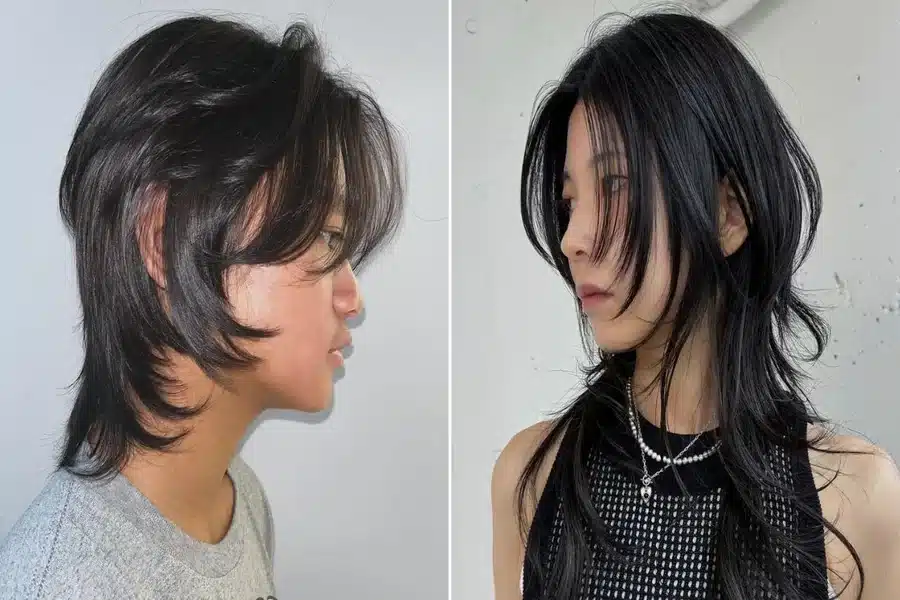
Once you have your perfect Korean mullet, knowing how to style it at home is essential to keep it looking its best. The goal of styling this cut is usually to enhance its natural texture, create some volume, and define the layers. Unlike more rigid hairstyles, the Korean mullet is meant to look a bit effortless and lived-in, so you don’t need to spend hours in front of the mirror. With the right products and a few simple techniques, you can easily replicate that salon-fresh look every day.
The styling process typically starts with damp hair. Applying a pre-styling product can make a huge difference in the final result. After that, it’s all about blow-drying and finishing. The way you blow-dry your hair will set the foundation for the shape, and the finishing products will provide the hold and texture that define the style. It might take a bit of practice to get the hang of it, but once you find a routine that works for your hair type and the specific variation of the Korean mullet you have, it can become a quick and easy part of your morning routine. Let’s break down the essential products and a step-by-step guide to styling.
Essential Products and Tools
Having the right arsenal of products and tools is half the battle. Here’s a table of essentials for styling your Korean mullet:
|
Product/Tool |
Purpose |
How to Use |
|---|---|---|
|
Blow Dryer |
To dry hair and create foundational volume and shape. |
Use a nozzle attachment for directed airflow. Dry roots in the opposite direction of hair growth for lift. |
|
Sea Salt Spray |
Adds grit, texture, and a matte finish for a beachy, piecey look. |
Lightly mist onto damp hair before blow-drying. Can also be used on dry hair to refresh the style. |
|
Light Hold Wax or Pomade |
Defines layers and provides flexible hold without stiffness. |
Warm a pea-sized amount between your palms and work through dry hair, focusing on the ends. |
|
Volumizing Mousse |
Creates lift and body, especially for fine or flat hair. |
Apply a golf-ball-sized amount to damp hair, focusing on the roots, before blow-drying. |
|
Texturizing Powder |
Instantly adds volume and a gritty texture at the roots. |
Sprinkle a small amount directly onto the roots of dry hair and work it in with your fingertips. |
|
Round Brush |
Used during blow-drying to create volume and shape bangs. |
Use it to lift the roots and create a soft C-curve in your fringe. |
|
Light Hairspray |
To set the final style and control flyaways. |
Hold the can about 10-12 inches away and mist lightly over your finished look. |
Choosing the right products depends on your hair type. If you have fine hair, focus on lightweight products like mousse and powder. If you have thick hair, a slightly stronger wax might be needed to control and define the layers.
Step-by-Step Styling Guide
Here’s a simple, step-by-step guide to styling a classic soft Korean mullet:
- Start with Damp Hair: Begin after a shower when your hair is towel-dried but still damp. This is the best state for applying products and shaping the hair.
- Apply Pre-styler: Choose your pre-styling product. For texture, spritz a sea salt spray throughout your hair. For volume, work a small amount of volumizing mousse into the roots.
- Blow-Dry for Volume: Using your blow dryer with a nozzle, begin by drying the roots. For the hair on top and at the crown, lift sections of hair and direct the heat at the roots to create volume. Use your fingers to tousle the hair as you dry it to encourage natural movement.
- Shape the Fringe: When drying your bangs, use a round brush or just your fingers. Dry them from side to side and then straight down to get them to lie flat. For curtain bangs, use the brush to curl the ends away from your face to create that signature sweeping shape.
- Define the Back: For the longer section at the back, you can simply let it air dry or quickly run the blow dryer through it. The goal is for it to look natural and a bit piecey, not perfectly straight or styled.
- Apply Finishing Product: Once your hair is completely dry, it’s time to add definition. Take a small amount of light-hold wax or pomade (about the size of a pea). Rub it between your palms to warm it up and make it pliable.
- Work in the Product: Run your hands through your hair, focusing on the mid-lengths and ends. Use your fingertips to twist and pinch small sections to define the layers and create that signature piecey texture. Don’t apply too much product to the roots, as this can weigh the hair down.
- Final Touches: Arrange your fringe the way you like it. If needed, use a tiny bit more product to tame any flyaways or define the strands around your face. A light mist of hairspray can help lock everything in place for the day.
This routine should take no more than 10-15 minutes once you get the hang of it, and it will ensure your Korean mullet looks intentional and stylish.
Maintaining Your Korean Mullet
Getting the perfect Korean mullet is only the first step; proper maintenance is crucial to keeping it looking sharp and stylish. Because this haircut is so dependent on its specific shape and layers, it can quickly start to look overgrown or lose its form if neglected. Regular trims are non-negotiable. The different lengths within the cut will grow out at different rates, and the soft, blended transition between the sections can become lost.
Maintenance also involves keeping your hair healthy. A Korean mullet looks best when the hair is healthy and has some natural shine and movement. Damaged, frizzy ends will detract from the soft, airy aesthetic of the style. This means adopting a good hair care routine that includes proper washing, conditioning, and occasional treatments. By investing a little time in maintenance, you can ensure your haircut continues to look as good as it did the day you left the salon.
How Often Should You Get a Trim?
To maintain the distinct shape of a Korean mullet, you will need to get it trimmed more frequently than a standard, one-length haircut. The ideal frequency for trims is typically every 4 to 6 weeks. This timeframe allows you to keep the shorter sections, like the fringe and the sides, from getting too long and unruly. It also ensures that the carefully crafted layers and texture are maintained.
If you have a more high-contrast version like the two-block mullet, you might need to visit your barber even more frequently, perhaps every 3 to 4 weeks, to keep the shaved or clipped sides looking clean and sharp. When you go for a trim, it’s important to communicate to your stylist that you want to maintain the shape, not change the style. They will focus on trimming the ends, re-texturizing where needed, and cleaning up the lines to bring your Korean mullet back to its original glory. Waiting too long between cuts can result in the style losing its mullet-like appearance and just looking like a shaggy, grown-out haircut.
Tips for Healthy Hair
Healthy hair is the foundation of any great hairstyle, and the Korean mullet is no exception. The style’s soft texture and movement are best showcased when your hair is in good condition. Here are some tips to keep your hair healthy:
- Don’t Over-wash: Washing your hair every day can strip it of its natural oils, leading to dryness and frizz. Try to wash your hair every other day or a few times a week, depending on your hair type and lifestyle.
- Use a Good Conditioner: Always follow up your shampoo with a quality conditioner. Focus the conditioner on the mid-lengths and ends of your hair, especially the longer section at the back, which is more prone to damage and split ends.
- Incorporate a Hair Treatment: Once a week, use a deep conditioning mask or a hair treatment. This will help to replenish moisture, repair damage, and keep your hair soft and manageable.
- Minimize Heat Styling: Frequent use of high heat from blow dryers, straighteners, and curling irons can damage your hair. When you do use heat, always apply a heat protectant spray first. Try to let your hair air dry occasionally to give it a break.
- Protect Your Hair from the Sun: Just like your skin, your hair can be damaged by UV rays. If you spend a lot of time outdoors, consider using a UV protectant spray for your hair or wearing a hat.
- Eat a Balanced Diet: Healthy hair starts from the within. A diet rich in vitamins and minerals, particularly biotin, iron, and protein, will promote strong and healthy hair growth.
By following these tips, you’ll ensure the hair of your Korean mullet is as healthy as it is stylish.
Frequently Asked Questions (FAQ)
1. Can I get a Korean mullet if I have curly hair?
Absolutely! A Korean mullet on curly hair can look fantastic. The key is to find a stylist who is experienced with cutting curly hair. They will know how to work with your natural curl pattern to create a shape that prevents the dreaded “triangle” look. The layers of the mullet can actually help to reduce bulk and enhance the definition of your curls.
2. Is the Korean mullet suitable for a professional workplace?
Yes, it can be. The “soft and subtle” version of the Korean mullet is very professional. The length difference is minimal, and when styled neatly, it can look like a contemporary, textured haircut. It’s best to avoid more extreme versions, like the two-block mullet or brightly colored styles, for a conservative office environment.
3. What face shape works best with a Korean mullet?
The Korean mullet is surprisingly versatile and can be adapted to suit most face shapes. For example, if you have a round face, keeping some length and volume on top can help to elongate your features. If you have a square jaw, soft, wavy layers around the face can help to soften your angles. A good stylist can tailor the cut’s proportions to balance your specific face shape.
4. How long does my hair need to be to get a Korean mullet?
To get a recognizable Korean mullet, you’ll need a decent amount of length to start with, especially on top and in the back. Ideally, the hair on top should be at least 4-5 inches long, and the hair you plan to leave long in the back should be at least brushing the nape of your neck. The longer your hair is to begin with, the more dramatic and defined your mullet can be.
5. Is the Korean mullet a masculine or feminine hairstyle?
The Korean mullet is a truly unisex and androgynous hairstyle. It has been popularized by both male K-pop idols and female celebrities. The style can be adapted to look more masculine or feminine depending on the length, layering, and styling. Its soft, textured nature allows it to transcend traditional gender norms in hairstyling, making it a popular choice for anyone looking for a stylish and modern look.
The journey of the mullet is a testament to the cyclical nature of fashion and the power of cultural reinterpretation. The modern Korean mullet has successfully shed the skin of its predecessor, emerging as a symbol of soft, sophisticated, and gender-fluid style. It’s a haircut that is both a nod to the past and a firm step into the future of hair trends. As detailed in its history on platforms like Wikipedia, the mullet has a rich and varied past, but its Korean reinvention has ensured its place in the modern style lexicon for years to come.



