








Key Takeaways
- The Siberian tiger is the largest cat species in the world, living in the cold forests of Eastern Russia and parts of China.
- These tigers are incredibly strong hunters but are facing severe threats from poaching and habitat loss.
- Conservation efforts are slowly helping their numbers rise, but they remain endangered.
- They have thick fur and unique striping patterns that act like fingerprints.
- Understanding their behavior and habitat is crucial for their survival.
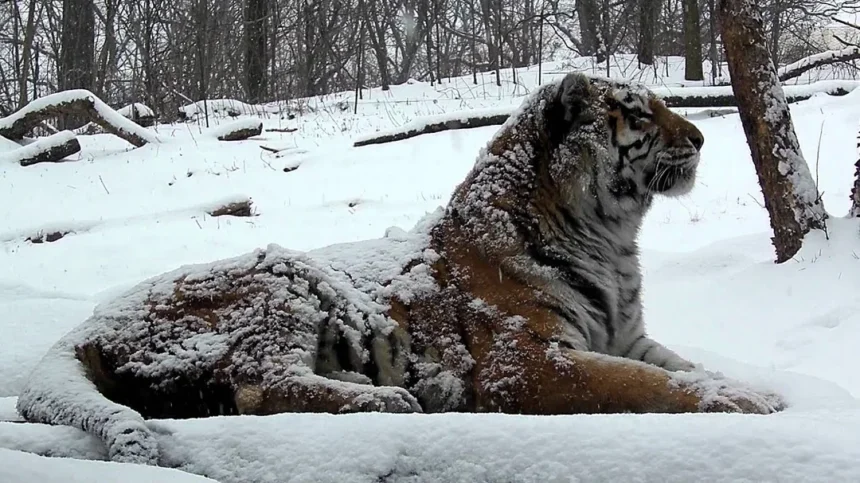
The big cats of the world usually make us think of hot savannas or dense tropical jungles. But one cat breaks all those rules. Imagine a massive predator stalking silently through deep snow, its orange and black coat standing out against the white winter landscape. This is the Siberian tiger, also known as the Amur tiger, and it is truly one of nature’s most impressive masterpieces.
These incredible animals are not just big; they are the largest cats walking the Earth today. Sadly, they are also rare. For years, people have been fascinated by their strength and beauty, but that fascination hasn’t always been good for the tigers. In this guide, we are going to explore everything you need to know about this king of the frozen forest. We will look at where they live, how they hunt, and why it is so important that we protect them for future generations.
What is a Siberian Tiger?
The Siberian tiger (Panthera tigris altaica) is a subspecies of tiger that has adapted to live in some of the harshest conditions on the planet. While other tigers might enjoy a dip in a warm river, the Siberian tiger is built for the cold. They have thicker fur than other tigers, and they even have a layer of fat on their belly and flanks to insulate them against the freezing temperatures of the Russian winter.
One of the most striking things about them is their size. A male Siberian tiger can weigh up to 660 pounds and measure over 10 feet long from nose to tail. That is about as heavy as a grand piano! Females are smaller but still formidable, weighing around 200 to 370 pounds. Their sheer size allows them to take down large prey that other predators wouldn’t dare to touch.
Physical Characteristics That Set Them Apart
It isn’t just their size that makes them special. Their coat is paler than other tigers, which helps them blend into snowy environments. The black stripes on their fur are fewer and darker, providing excellent camouflage in the birch forests they call home. Interestingly, no two tigers have the same stripe pattern. Just like a human fingerprint, a tiger’s stripes are unique to that individual.
Another cool feature is their paws. They are huge and act like natural snowshoes, spreading their weight so they don’t sink deep into the snow drifts. This allows them to run quickly and silently, even in deep powder.
Where Do Siberian Tigers Live?
The habitat of the Siberian tiger is vast, rugged, and cold. Historically, they roamed across a huge area including the Korean peninsula, northern China, and eastern Russia. Today, their range has shrunk significantly. Most of the remaining population lives in a specific area of the Russian Far East known as the Primorsky Krai and Khabarovsk Krai regions. A very small number also cross the border into northeastern China.
This region is covered in dense forests of birch, oak, and pine. It is a tough place to live. Winters are long and bitter, and food can be scarce. The tigers need huge territories to find enough prey to survive. A male tiger might patrol a territory of up to 400 square miles, while females usually stick to smaller areas of around 150 square miles. They mark these territories with scent and scratch marks on trees to warn other tigers to stay away.
The Importance of the Amur-Heilong Landscape
Conservationists often refer to their home as the Amur-Heilong landscape. This ecosystem is incredibly diverse, supporting not just tigers but also leopards, bears, and wolves. The health of the Siberian tiger population is a good indicator of the health of the entire forest. If the tigers are doing well, it usually means the forest is healthy and full of other animals.
However, logging and human expansion are big threats here. As roads are built and trees are cut down, the tiger’s home gets smaller and more fragmented. This makes it harder for them to find mates and food, which is a major challenge for their survival.
Hunting and Diet: What Does a Siberian Tiger Eat?
A Siberian tiger is a carnivore, which means it only eats meat. Because they are so big, they need a lot of food to keep their energy up. Their favorite meals are large ungulates (hoofed animals). This includes Manchurian wapiti (a type of elk), musk deer, and wild boar. They will also hunt smaller animals like hares, rabbits, and salmon if they get the chance. In rare cases, they might even attack brown or black bears.
Hunting is not easy. Despite their power, tigers are only successful in about one out of every ten hunts. This means they can go days without eating. When they do catch something large, they can eat up to 60 pounds of meat in a single night! They will often drag their kill to a secluded spot to eat in peace and may return to the carcass for several days until it is finished.
The Strategy of the Ambush
Unlike cheetahs, which rely on speed, the Siberian tiger relies on stealth. They are ambush predators. They use their camouflage to creep as close as possible to their prey—sometimes getting within 20 feet—before launching a sudden, explosive attack. They use their powerful hind legs to leap and their strong jaws to deliver a fatal bite to the neck.
Because they hunt alone, an injury can be a death sentence. If a tiger gets hurt while trying to take down a massive elk, it might not be able to hunt again. This makes them very cautious and calculated hunters. They assess the risk before they decide to pounce.
|
Prey Type |
Frequency in Diet |
Difficulty to Hunt |
|---|---|---|
|
Wild Boar |
High |
Medium (Dangerous tusks) |
|
Manchurian Wapiti |
High |
Medium |
|
Sika Deer |
Medium |
Low |
|
Musk Deer |
Low |
Low |
|
Bears |
Rare |
Very High |
The Lifecycle of a Siberian Tiger
The life of a Siberian tiger begins in a hidden den, usually a cave or a dense thicket. A mother tiger will give birth to a litter of two to four cubs. When they are born, the cubs are blind and helpless. They depend entirely on their mother for milk and protection. The father plays no role in raising the cubs; in fact, male tigers can sometimes be a threat to cubs that aren’t their own.
For the first few months, the cubs stay close to the den. Once they are about three months old, they start following their mother. This is when their training begins. They watch her hunt and learn the skills they will need to survive on their own. It is a long learning process. Cubs usually stay with their mother until they are two or three years old.
Leaving the Nest
When the time comes to leave, the young tigers must find their own territories. Young males often travel long distances to find a space that isn’t already claimed by an older, dominant male. Females tend to set up territories closer to their mother.
In the wild, a Siberian tiger can live for about 10 to 15 years. However, life is tough. Many cubs don’t make it to adulthood due to hunger, disease, or predators. But those who do survive become the majestic rulers of the forest that we admire so much.
Why Are Siberian Tigers Endangered?
It is sad to think that such a powerful animal is vulnerable, but the Siberian tiger is listed as Endangered on the IUCN Red List. At one point in the 1940s, hunting had driven them to the brink of extinction, with no more than 40 individuals remaining in the wild. Thanks to strict protections, their numbers have rebounded to around 500-600, but they are still in danger.
There are two main threats facing these tigers: poaching and habitat loss. Poaching is the illegal killing of wild animals. Tigers are hunted for their fur, which sells for a high price on the black market. Their bones and body parts are also used in traditional medicine, despite there being no scientific proof that they have any medicinal value.
Human-Wildlife Conflict
As human populations grow, people move closer to tiger territories. This leads to conflict. Tigers may attack livestock if their natural prey is scarce, leading angry farmers to kill them in retaliation. Also, as roads are built through forests for logging and mining, it breaks up the tiger’s habitat. This isolates groups of tigers from each other, leading to inbreeding, which weakens the population’s genetic health.
Organizations like the World Wildlife Fund (WWF) and local Russian conservation groups are working hard to stop poaching and protect the forests. You can read more about global tech and conservation efforts on sites like Silicon Valley Time. Technology plays a huge role in tracking tigers and catching poachers today.
Conservation Success Stories
Despite the challenges, there is hope. The recovery of the Siberian tiger population from just 40 animals to over 500 is one of the great conservation success stories of the 20th century. Russia has created several large protected areas, such as the “Land of the Leopard” National Park, which also protects tigers.
China is also making progress. They have established the Northeast Tiger and Leopard National Park, which is huge—60% larger than Yellowstone National Park in the USA! These protected areas give tigers a safe place to live, hunt, and raise their cubs without the threat of poachers or logging trucks.
How Technology Helps
Modern technology is a game-changer for researchers. They use camera traps—cameras hidden in the forest that take a picture when an animal walks by—to count tigers and monitor their health. They also use GPS collars to track tiger movements. This data helps scientists understand where the tigers go and what parts of the forest need the most protection. It is fascinating how digital tools are helping save wild animals.
The Role of Zoos in Conservation
While we want tigers to be free in the wild, zoos play an important role in saving the Siberian tiger. Reputable zoos participate in Species Survival Plans (SSPs). These programs manage the breeding of tigers in captivity to ensure a healthy and genetically diverse population.
If the wild population were to crash due to a disease outbreak or a natural disaster, these zoo tigers could act as an “insurance policy” against extinction. Some zoos also raise money for conservation projects in Russia and China, directly helping the wild tigers. Seeing a tiger in a zoo also helps people connect with the animal, inspiring a new generation of conservationists who want to help protect them.
Comparing Siberian Tigers to Bengal Tigers
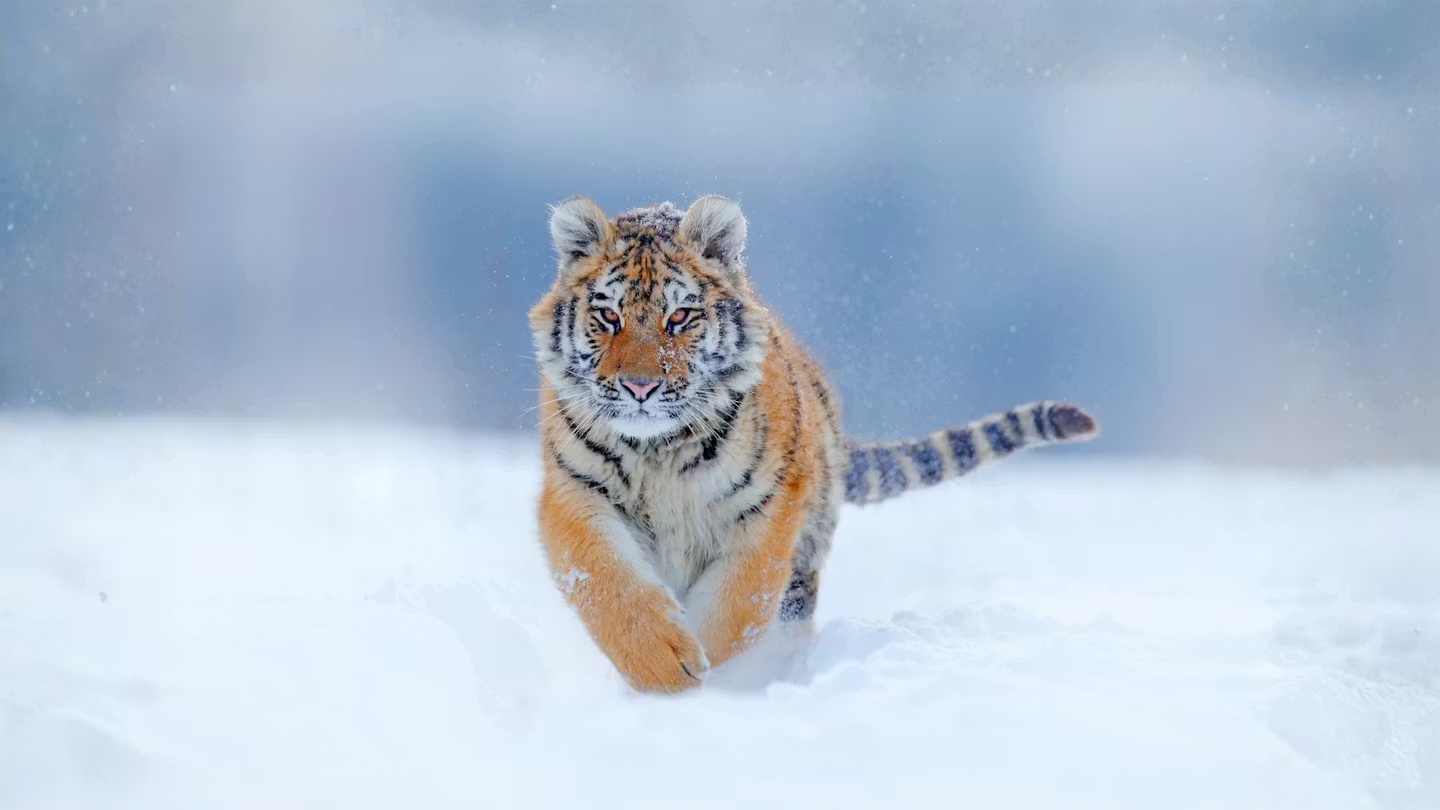
Many people confuse the Siberian tiger with its cousin, the Bengal tiger. While they are both tigers, they are quite different. The Bengal tiger lives in India and Bangladesh, in much hotter climates like tropical forests and mangroves.
Here is a quick comparison:
- Size: Siberian tigers are generally larger and heavier than Bengal tigers.
- Coat: The Siberian tiger has a paler, thicker coat to survive the cold. The Bengal tiger has a brighter orange coat that is shorter and thinner.
- Habitat: Siberian tigers deal with snow and sub-zero temperatures. Bengal tigers deal with heat and humidity.
- Prey: While both eat deer and boar, the specific species they hunt are different depending on what lives in their region.
Both subspecies face similar threats from humans, but the environments they have adapted to are worlds apart.
Interesting Facts About Siberian Tigers
Let’s look at some fun facts that make the Siberian tiger even more amazing:
- Night Vision: Tigers have night vision that is six times better than humans. This makes them excellent night hunters.
- Powerful Roar: A tiger’s roar can be heard from up to two miles away. They use it to communicate with other tigers and assert dominance.
- Love of Water: Unlike most house cats, tigers love water. They are excellent swimmers and will often bathe in pools or lakes to cool off (in summer) or cross rivers.
- Polite Greetings: Tigers greet each other by rubbing their heads together and making a sound called “chuffing,” which is like a friendly snort.
The Myth of the White Siberian Tiger
You might have seen white tigers in magic shows or zoos and been told they are “White Siberian Tigers.” This is actually a myth. There is no recorded evidence of white Siberian tigers in the wild. White tigers are usually Bengal tigers with a genetic mutation, and most in captivity are inbred to keep the white coat, which often leads to health problems. A true Siberian tiger is always orange, black, and white.
What Can We Do to Help?
You might think that because you live far away from Russia, you can’t help the Siberian tiger. But that isn’t true! Conservation is a global effort. Here are a few ways you can make a difference:
- Spread Awareness: Tell your friends and family about the tiger’s plight. The more people know, the more they will care.
- Support Sustainable Wood: When buying paper or wood products, look for the FSC (Forest Stewardship Council) label. This ensures the wood wasn’t taken illegally from tiger habitats.
- Don’t Buy Tiger Parts: Never buy medicines or souvenirs made from tiger parts. This fuels the poaching industry.
- Adopt a Tiger: Many organizations like WWF allow you to “adopt” a tiger symbolically. The money goes directly to conservation efforts.
The Future of the Siberian Tiger
The future of the Siberian tiger is uncertain, but there is reason to be optimistic. Governments in Russia and China are cooperating more than ever to create cross-border protected areas. This allows tigers to move freely between countries, expanding their gene pool and territory.
Climate change poses a new threat, as it changes the forests where they live. However, these cats are survivors. They have survived ice ages and human persecution. With our help and protection, they can continue to prowl the frozen forests of the East for centuries to come. It is up to us to ensure that the roar of the tiger never falls silent.
Frequently Asked Questions (FAQ)
1. How many Siberian tigers are left in the world?
There are estimated to be around 500 to 600 Siberian tiger individuals left in the wild. While this number is low, it is an improvement from the 1940s when there were only about 40 left.
2. Do Siberian tigers hunt humans?
It is very rare for a Siberian tiger to hunt humans. They generally avoid people. Attacks usually only happen if a tiger is sick, injured, or unable to hunt its natural prey, or if it is surprised or provoked by a human.
3. Can a Siberian tiger survive in warm weather?
Yes, they can, which is why you see them in zoos all over the world. However, in the wild, they are adapted for the cold. In captivity during hot summers, they need shade and pools of water to cool down because of their thick fur.
4. What is the scientific name for the Siberian tiger?
The scientific name is Panthera tigris altaica. They are also commonly called Amur tigers because they live near the Amur River.
5. Who is the biggest enemy of the Siberian tiger?
Aside from other tigers (in territorial fights), humans are the only significant enemy of the Siberian tiger. Poaching and habitat destruction caused by humans are the biggest threats to their survival.
Conclusion
The Siberian tiger is a symbol of wild beauty and resilience. From their massive paws that act as snowshoes to their unique striped coats, every inch of them is built for survival in a tough environment. While they have faced terrible threats in the past, human efforts are helping them claw their way back from the edge of extinction.
By understanding these magnificent creatures and supporting conservation, we play a part in their story. Whether it is reading articles on Silicon Valley Time to stay updated on global issues or simply sharing what you learned today, every action counts. Let’s hope that the king of the frozen forest continues to reign supreme for a long, long time.



