








Welcome to your complete guide on μαγιοβότανο, a fascinating herb with a rich history spanning centuries and cultures. You might know it by its more common name, Mugwort, but its Greek name, μαγιοβότανο, which translates to “May herb,” hints at its deep-rooted traditions. This plant has been used in everything from ancient rituals to traditional medicine and even culinary arts. In this article, we will explore the many facets of this remarkable herb, from its historical significance to its modern-day applications.
Key Takeaways
- What is μαγιοβότανο?: It is the Greek name for the herb Artemisia vulgaris, commonly known as Mugwort. It is a perennial plant with a long history of use in various cultures.
- Historical Significance: This herb has been used for centuries in traditional medicine, spiritual practices, and as a culinary ingredient.
- Potential Benefits: Proponents claim it can aid digestion, regulate menstrual cycles, and promote vivid dreams. However, scientific evidence is still emerging.
- Safety First: μαγιοβότανο can cause allergic reactions, especially for those sensitive to the ragweed family. Pregnant women should avoid it entirely. Always consult a healthcare professional before use.
What Exactly is μαγιοβότανο?
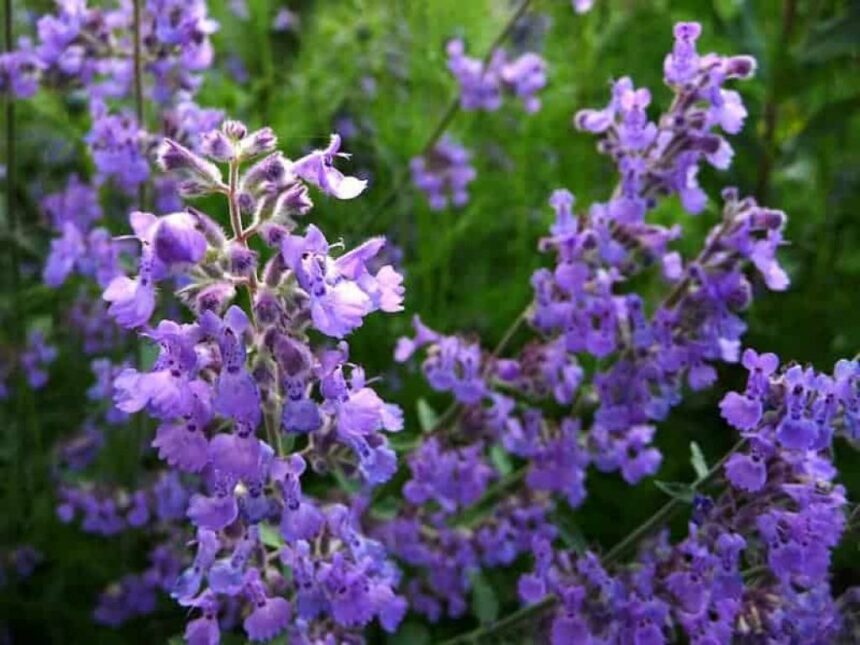
So, what is this plant with the intriguing name? μαγιοβότανο is the common Greek term for the plant Artemisia vulgaris. It’s a tall, hardy perennial that belongs to the daisy family, Asteraceae. You can find it growing wild across Europe, Asia, and North America, often along roadsides, in fields, and in waste areas. It’s easily recognizable by its woody stems, deeply lobed dark green leaves with silvery-white undersides, and small, reddish-brown flowers that bloom in the summer.
The name “May herb” suggests its connection to the spring and ancient European festivities like May Day. Its other common name, Mugwort, is thought to derive from its historical use in flavoring beverages served in “mugs.” This plant is part of the large Artemisia genus, which includes other well-known herbs like wormwood (used to make absinthe) and tarragon. Each part of the μαγιοβότανο plant, from its roots to its leaves and flowers, has been utilized for different purposes throughout history, making it a truly versatile herb.
How to Identify μαγιοβότανο in the Wild
Identifying plants in the wild can be a rewarding skill, but it’s crucial to be 100% certain of what you’ve found before using it. Here’s a guide to identifying μαγιοβότανο:
- Leaves: This is the most distinctive feature. The leaves are pinnate, meaning they are deeply lobed, and have a dark green color on top. The underside is what truly sets it apart—it’s covered in fine, silvery-white hairs, giving it a downy appearance.
- Stem: The stem is often tinged with a purple or reddish hue, is slightly fuzzy, and grows upright, sometimes reaching heights of over six feet.
- Flowers: The flowers are small, inconspicuous, and grow in clusters at the top of the plant. They are typically reddish-brown or yellowish and bloom from July to September.
- Scent: When crushed, the leaves release a pungent, sage-like aroma. This smell is a key identifier and distinguishes it from potentially toxic look-alikes.
It’s important to be cautious, as μαγιοβότανο can be mistaken for other plants, such as poison hemlock. Always cross-reference with a reliable field guide or consult an expert before harvesting.
A Journey Through the History of μαγιοβότανο
The story of μαγιοβότανο is woven into the fabric of human history. Its use dates back thousands of years, with evidence found in various ancient civilizations. The Romans, for instance, were said to have planted it along their roadsides. They believed that placing the leaves in their sandals would ward off fatigue during long marches. In ancient China, the herb was a key component of moxibustion, a form of traditional heat therapy that is still practiced today.
In Anglo-Saxon England, μαγιοβότανο was revered as one of the “Nine Sacred Herbs” and was used in remedies and for protection against evil spirits and disease. Its association with dreams and the spiritual realm is also a recurring theme. Many cultures believed that burning the herb or placing it under a pillow could induce vivid, lucid dreams and offer spiritual protection. This deep-rooted history highlights how integral μαγιοβότανο was to the daily and spiritual lives of people long before modern medicine.
Cultural and Spiritual Significance
Across the globe, μαγιοβότανο holds a special place in folklore and spiritual traditions. It is often referred to as a “dream herb” due to its association with enhancing dream recall and promoting lucid dreaming. Many practitioners of divination would burn it as an incense or drink it as a tea to heighten their psychic abilities before a session. This connection to the subconscious and spiritual worlds made it a powerful tool for shamans, healers, and mystics.
The herb was also widely used for purification and protection. It was common to hang bunches of μαγιοβότανο in doorways to ward off evil spirits or to burn it as a smudge stick to cleanse a space of negative energy, similar to the use of white sage in Native American traditions. These practices, passed down through generations, underscore the plant’s role not just as a physical remedy but as a guardian of spiritual well-being.
Exploring the Potential Benefits of μαγιοβότανο
While many of the claims surrounding μαγιοβότανο are rooted in tradition, modern interest has prompted a closer look at its potential health benefits. It’s important to note that much of the evidence is anecdotal, and more rigorous scientific research is needed. However, here are some of the most commonly cited benefits associated with this herb.
Digestive Health Support
One of the oldest uses of μαγιοβότανο is as a digestive aid. It is classified as a “bitter” herb, and bitters are known to stimulate the production of saliva, bile, and other digestive juices. This can help improve appetite and support the breakdown of fats and proteins in the gut. A tea made from the leaves and flowers is often consumed before a heavy meal to prevent indigestion, bloating, and gas. By promoting a healthy digestive environment, μαγιοβότανο may contribute to overall gut health and nutrient absorption.
Women’s Health and Menstrual Support
Historically, μαγιοβότανο has been known as an emmenagogue, which is a substance that can stimulate or increase menstrual flow. Herbalists have traditionally used it to help regulate irregular menstrual cycles and ease menstrual cramps. It was believed to bring on delayed periods and provide relief from the discomfort associated with menstruation. However, due to this stimulating effect on the uterus, it is critically important that pregnant women or those trying to conceive avoid this herb entirely, as it can potentially lead to miscarriage.
The Dream Herb: Effects on Sleep and Dreams
Perhaps the most famous attribute of μαγιοβότανο is its purported effect on dreams. Many people report experiencing more vivid, colorful, and memorable dreams after consuming the herb as a tea or placing it near their bed. Some users also claim it helps them achieve a state of lucid dreaming, where they become aware that they are dreaming and can even control the dream’s narrative. The active compounds in the herb, such as thujone, are thought to interact with the nervous system in a way that influences brain activity during REM sleep, but the exact mechanism is not fully understood.
Traditional Uses of μαγιοβότανο
Beyond its medicinal and spiritual applications, μαγιοβότανο has found its way into kitchens and traditional practices around the world. Its versatility is a testament to its enduring appeal.
Culinary Applications of Mugwort
Before the widespread use of hops, μαγιοβότανο was a key ingredient in brewing beer. It imparted a bitter, aromatic flavor to the drink. This practice, known as gruit, used a mixture of herbs to flavor and preserve beer. In cooking, Mugwort’s pungent, slightly bitter taste has been used to season fatty meats like goose, duck, and pork, as it was believed to aid in their digestion. In Asia, particularly in Korea and Japan, young Mugwort leaves are a common ingredient in soups, salads, and rice cakes (mochi), adding a unique, earthy flavor.
Moxibustion: An Ancient Healing Technique
Moxibustion is a traditional Chinese medicine therapy that involves burning moxa, which is a dried and processed form of μαγιοβότανο. The smoldering moxa is held near the skin or placed on acupuncture points. The heat is believed to penetrate deep into the body, stimulating circulation, promoting the flow of “qi” (life energy), and helping to alleviate pain and treat various conditions. This ancient practice is still widely used today by acupuncturists and practitioners of traditional medicine as a complementary therapy.
|
Common Use |
Traditional Application |
Modern Context |
|---|---|---|
|
Digestive Aid |
Drank as a bitter tea to stimulate digestion before meals. |
Used in herbal tinctures and teas for indigestion. |
|
Menstrual Regularity |
Consumed to bring on delayed periods and ease cramps. |
Consulted with herbalists for cycle support. |
|
Dream Enhancement |
Placed under pillows or drunk as a tea for vivid dreams. |
Popular among those interested in lucid dreaming. |
|
Flavoring Agent |
Used to flavor beer (gruit) and season fatty meats. |
A specialty ingredient in some modern cuisines. |
|
Moxibustion |
Burned over acupuncture points to stimulate energy flow. |
A common practice in acupuncture clinics. |
|
Protection |
Hung in doorways or burned to ward off evil and negativity. |
Used as a smudge for energetic space clearing. |
Safety and Precautions When Using μαγιοβότανο
While μαγιοβότανο has many potential uses, it is not without risks. Safety should be your number one priority when considering any herbal supplement.
The most significant concern is its potential to cause allergic reactions. Mugwort is related to ragweed, and individuals with a ragweed allergy (hay fever) are highly likely to react to it. Symptoms can range from skin rashes and hives to sneezing, itchy eyes, and even asthma attacks. If you have known allergies to plants in the daisy family, such as marigolds, daisies, or chrysanthemums, you should exercise extreme caution or avoid μαγιοβότανο altogether.
Additionally, the herb contains a compound called thujone. In small amounts, thujone is generally considered safe, but in large doses, it can be toxic. It can cause nervous system problems and other adverse effects. For this reason, it is essential to use μαγιοβότανο in moderation and never for extended periods. As mentioned earlier, pregnant and breastfeeding women must avoid it completely. Always speak with a qualified healthcare provider or a clinical herbalist before adding a new herb like μαγιοβότανο to your routine.
How to Prepare and Use μαγιοβότανο
If you and your healthcare provider have decided that μαγιοβότανο is safe for you, there are several ways to prepare it.
- Herbal Tea: This is the most common method. To make a tea, steep 1-2 teaspoons of dried Mugwort leaves in a cup of hot water for 5-10 minutes. The taste is quite bitter, so you may want to add a little honey or lemon to make it more palatable.
- Tincture: Tinctures are concentrated liquid extracts that are easy to use. A few drops can be added to water or juice. Dosing is crucial, so be sure to follow the instructions on the product label.
- Smudge Stick: For energetic cleansing or aromatherapy, you can use a dried bundle of μαγιοβότανο as a smudge stick. Light the end, let it smolder, and waft the smoke around your space.
- Dream Pillow: For those interested in its dream-enhancing properties, stuffing a small sachet or pillow with dried Mugwort leaves and placing it near your bed is a popular and safe way to use the herb.
Conclusion
The world of μαγιοβότανο is as rich and complex as its history. From its role as a sacred herb in ancient rituals to its modern use as a digestive aid and dream enhancer, this humble plant continues to capture our fascination. While its benefits are promising, they are balanced by important safety considerations that should never be ignored. As with any journey into the world of herbalism, knowledge, respect, and caution are your best guides. Whether you are exploring its culinary potential or its spiritual dimensions, μαγιοβότανο offers a unique connection to the natural world and the ancient wisdom it holds. Exploring topics like this can be a fascinating journey, much like discovering the latest trends discussed on platforms like siliconvalleytime.co.uk.
For those wishing to delve deeper into the botanical and cultural history of the Artemisia genus, the information available on plants is extensive and provides a wealth of knowledge. You can learn more about its relatives and its classification within the plant kingdom, as described on its detailed Wikipedia page.
Frequently Asked Questions (FAQ)
Q1: Is μαγιοβότανο the same as Mugwort?
Yes, μαγιοβότανο is the Greek name for the herb commonly known in English as Mugwort (Artemisia vulgaris).
Q2: What does μαγιοβότανο smell like?
When its leaves are crushed, μαγιοβότανο releases a pungent, earthy, and sage-like aroma. When burned as a smudge, the smoke is strong and aromatic.
Q3: Can using μαγιοβότανο be dangerous?
It can be. People with allergies to the ragweed or daisy family should avoid it. It contains thujone, which can be toxic in large doses. Pregnant women must not use it under any circumstances. Always consult a healthcare professional before use.
Q4: How does μαγιοβότανο affect dreams?
Many users report that it leads to more vivid, memorable, and sometimes lucid dreams. The exact scientific mechanism is not fully understood, but it is thought to influence brain activity during REM sleep.
Q5: Can I grow my own μαγιοβότανο?
Yes, Mugwort is a very hardy and easy-to-grow perennial. However, it can be invasive, so it’s best to plant it in a container or an area where its spread can be controlled.



