





The glow of the big screen, the smell of fresh popcorn, and the shared gasps and laughter of an audience—there’s something truly magical about going to the movies. For over a century, cinemas have been a cornerstone of our social lives, offering a unique escape into other worlds. But the experience is no longer just about watching a film. Today, entertainment cinemas have transformed into multifaceted destinations, blending cutting-edge technology, luxurious comfort, and diverse attractions to create unforgettable outings. This guide will explore the evolution, features, and future of these incredible venues that continue to capture our imaginations. From the earliest nickelodeons to the immersive 4DX theaters of today, the journey of the cinema is a story of constant innovation and a deep-seated love for storytelling.
Key Takeaways
- Evolution of Cinema: Movie theaters have evolved from simple screening rooms into complex entertainment hubs with luxury seating, gourmet food, and immersive technology.
- Beyond the Film: Modern entertainment cinemas offer more than just movies, including arcades, restaurants, event hosting, and alternative content like concerts and sports.
- Technological Advancements: Innovations like IMAX, Dolby Cinema, and 4DX have revolutionized the viewing experience, making it more sensory and engaging than ever before.
- The Social Experience: Despite the rise of streaming, cinemas provide a unique social and communal experience that can’t be replicated at home.
- Future Trends: The future of entertainment cinemas points towards even more personalized and interactive experiences, with virtual reality and subscription models leading the way.
What Defines Modern Entertainment Cinemas?
When we talk about entertainment cinemas, we’re referring to a new breed of movie theater that goes far beyond the traditional model. These are not just places to see a film; they are destinations designed to provide a complete and premium entertainment experience. The core idea is to make a trip to the movies an event in itself. This is achieved by focusing on several key pillars: superior comfort, advanced technology, expanded food and beverage options, and a wider range of activities. Instead of simple cloth seats, you’ll find plush, reclining leather loungers with personal tables. The audio-visual presentation is a top priority, with giant screens, crystal-clear digital projection, and multidimensional sound systems that envelop you in the action. Furthermore, the experience is no longer limited to popcorn and soda. These cinemas often feature full-service restaurants, bars, and cafes, allowing you to enjoy a complete meal or a craft cocktail before, during, or after your movie.
The Shift from Movie Theater to Entertainment Hub
The transition from a simple movie theater to a comprehensive entertainment hub is a direct response to changing consumer expectations and the rise of home streaming services. To compete with the convenience of watching films at home, entertainment cinemas had to offer something more—something special. This meant transforming the physical space into a more inviting and versatile environment. Many modern cinemas now include arcades with the latest video games, bowling alleys, and even virtual reality attractions. They have become popular venues for birthday parties, corporate events, and community gatherings. By diversifying their offerings, these cinemas attract a broader audience and create multiple revenue streams. The goal is to be a one-stop shop for a great night out, where the movie is just one part of the overall fun. This strategic pivot ensures that entertainment cinemas remain a relevant and exciting option for people seeking a shared social experience.
Key Features of Premium Entertainment Cinemas
So, what specific features can you expect when you visit a premium entertainment cinema? The list is extensive and continues to grow as theaters compete to offer the best possible experience. Here are some of the most common and popular features:
- Luxury Seating: Think fully reclining, heated leather seats with ample legroom and personal space. Many also include built-in trays and USB charging ports.
- Gourmet Food and Drink: Forget basic snacks. These cinemas offer extensive menus with everything from gourmet burgers and artisanal pizzas to fresh salads and decadent desserts, often with in-seat service.
- Full-Service Bar: Many venues have a sophisticated bar or lounge area serving craft beers, fine wines, and signature cocktails.
- Advanced Audiovisual Technology: This includes formats like IMAX with its giant screens, Dolby Cinema with its superior contrast and sound, and 4DX, which adds physical effects.
- Reserved Seating: The ability to choose your exact seats in advance online or through an app eliminates the stress of rushing to get a good spot.
- Expanded Entertainment Options: Arcades, bowling, VR experiences, and private event spaces are becoming increasingly common.
These features work together to create a seamless and elevated experience, justifying the premium ticket price and making a trip to the movies feel like a special occasion.
The Evolution of the Cinema Experience
The journey of the cinema is a fascinating story of technological and cultural change. From humble beginnings as sideshow attractions to the grand movie palaces of Hollywood’s Golden Age, and now to the high-tech entertainment cinemas of the 21st century, the way we watch movies has been in constant flux. The earliest film screenings in the late 19th century were novelties, often shown in makeshift venues to small, amazed audiences. The arrival of “nickelodeons” in the early 1900s made movies accessible to the masses, offering short films for just five cents. This was followed by the era of the movie palace—opulent, cathedral-like theaters designed to make every moviegoer feel like royalty. However, the rise of television in the 1950s presented the first major threat to the cinema industry, forcing theaters to innovate with widescreen formats and other gimmicks to lure audiences back. This cycle of challenge and innovation has continued ever since, leading us to the sophisticated state of entertainment cinemas today.
From Nickelodeons to Multiplexes
The first dedicated movie theaters, known as nickelodeons, were simple storefronts with a screen, a projector, and some chairs. Despite their simplicity, they were a cultural phenomenon, introducing millions to the magic of motion pictures. As the film industry grew, so did the theaters. The 1920s and 1930s saw the construction of lavish movie palaces, architectural wonders that could seat thousands. These were the original entertainment cinemas, complete with live organ music, newsreels, and cartoons before the main feature. After World War II, suburban sprawl and the popularity of television led to the decline of the grand downtown palaces and the rise of the drive-in theater. By the 1970s and 1980s, the multiplex model emerged, housing multiple screens under one roof. This allowed theaters to offer a wider variety of films and cater to different tastes simultaneously, a model that still dominates the landscape today but has been significantly enhanced in modern venues.
The Rise of Luxury and Dine-In Theaters
In the late 1990s and early 2000s, a new concept began to take hold: the dine-in theater. This innovation directly challenged the traditional movie-watching experience by combining a full-service restaurant with a first-run movie screening. Instead of just candy and popcorn, audiences could order restaurant-quality meals and have them delivered directly to their seats. This concept was a game-changer, transforming a simple movie outing into a complete dinner-and-a-show experience. Building on this, the idea of the “luxury” cinema emerged, focusing on ultimate comfort and service. These venues introduced amenities like reclining seats, blankets, and at-your-seat service with the push of a button. This focus on comfort and convenience was a crucial step in the evolution toward today’s premium entertainment cinemas. It proved that audiences were willing to pay more for an elevated, hassle-free experience, setting the stage for even more ambitious innovations.
The Technology Powering Modern Entertainment Cinemas
At the heart of the modern entertainment cinema experience is a commitment to breathtaking technology. The goal is to create an immersive environment that is impossible to replicate with a home theater system, no matter how sophisticated. This is achieved through a combination of massive screens, ultra-high-resolution projection, and complex, multi-channel sound systems that place you right in the middle of the film’s world. These technologies aren’t just about making the picture bigger or the sound louder; they are about enhancing the storytelling and creating a powerful emotional impact. When a spaceship roars across the screen in IMAX or a subtle whisper is heard with perfect clarity in a Dolby Atmos theater, the film becomes more real and more engaging. This technological arms race is a key driver of the industry, with companies constantly pushing the boundaries of what’s possible to give audiences a reason to leave their couches and head to the movies.
IMAX: The Giant Screen Experience
IMAX has long been synonymous with the ultimate big-screen experience. The brand stands for “Image Maximum,” and it delivers on that promise with screens that are significantly larger and often curved to fill your entire field of vision. But it’s not just about size. IMAX uses a proprietary system of high-resolution cameras, projectors, and a powerful sound system to create an experience of unparalleled clarity and scale. Films shot with IMAX cameras can display a much larger aspect ratio, meaning you see more of the picture than in a standard theater. The dual-projector system creates an image that is brighter and more detailed, while the custom-tuned sound system delivers perfectly distributed audio throughout the auditorium. For blockbuster action films and sweeping nature documentaries, there is simply no substitute for the immersive power of an IMAX screen. It’s a core offering for many entertainment cinemas aiming to provide a premium visual experience.
Dolby Cinema: The Science of Sight and Sound
Dolby Cinema represents a holistic approach to the movie-watching experience, combining a state-of-the-art visual system (Dolby Vision) with an innovative audio system (Dolby Atmos). Dolby Vision uses advanced high dynamic range (HDR) technology to deliver incredible brightness, deep, dark blacks, and a spectrum of color far beyond what standard projectors can produce. This results in a picture that is astonishingly vivid and lifelike. On the audio side, Dolby Atmos moves beyond traditional channel-based sound. It treats individual sounds as “objects” that can be placed and moved anywhere in the three-dimensional space of the theater, including overhead. This creates a remarkably immersive and realistic soundscape, where you can hear rain falling from above or a helicopter seeming to fly right over you. Paired with signature design elements like luxury seating and a sophisticated theater layout, Dolby Cinema offers one of the most complete and high-quality experiences available in entertainment cinemas today.
4DX and D-BOX: Adding a Physical Dimension
Taking immersion to the next level, technologies like 4DX and D-BOX add a physical dimension to the movie-watching experience. These systems synchronize the on-screen action with motion-enabled seats and environmental effects. In a 4DX theater, your seat will heave, roll, and vibrate in time with the film. You’ll also experience effects like wind, rain, fog, flashing lights, and even scents. Imagine feeling the rush of air as a superhero flies by or smelling the scent of gunpowder during a battle scene. D-BOX focuses more specifically on precise, haptic feedback through the motion of the seat itself, allowing you to feel the subtle vibrations of a car engine or the jolt of an on-screen impact. While not for everyone, these motion-based technologies offer a fun, theme-park-like experience that adds a unique layer of excitement. They are a perfect example of how entertainment cinemas are innovating to provide experiences that simply cannot be had at home.
More Than Just Movies: The Diversification of Offerings
A key strategy for the success of modern entertainment cinemas is the diversification of their offerings. The realization that they are competing for people’s leisure time, not just their movie-watching time, has led to a significant expansion of what a cinema can be. The goal is to create a destination that offers something for everyone, even if they aren’t there to see the latest blockbuster. This approach not only generates additional revenue but also builds a stronger connection with the community, making the cinema a central hub for social activity. By becoming a place for dining, gaming, and private events, these venues ensure a steady stream of customers throughout the day and week, not just on Friday and Saturday nights. This business model is more resilient and better equipped to handle the fluctuations of the film industry’s release schedule.
In-Theater Dining and Full-Service Restaurants
The concept of in-theater dining has been one of the most successful innovations in the cinema industry. The convenience of enjoying a high-quality meal while watching a movie is a powerful draw for many people, especially busy couples and families. The menus at these entertainment cinemas have become increasingly sophisticated, moving far beyond typical concession fare. You can find everything from gourmet appetizers and craft burgers to healthy salads and decadent desserts. Many also feature full-service bars with extensive wine lists and creative cocktails. This service is often integrated seamlessly into the experience, with discreet servers taking orders and delivering food directly to your seat with minimal disruption. Some venues also have separate, standalone restaurants and lounges, providing a great option for a pre-movie dinner or a post-movie discussion over drinks, further establishing the cinema as a complete dining and entertainment destination.
Arcades, Bowling, and Other Attractions
To broaden their appeal, many entertainment cinemas have integrated other forms of entertainment into their facilities. Large, modern arcades featuring a mix of classic and new video games, redemption games, and virtual reality simulators are a popular addition. These arcades attract a younger demographic and provide a fun activity for families before or after their movie. Some larger venues have even incorporated full-sized bowling alleys, creating a vibrant, social atmosphere. These additional attractions transform the cinema into a place where you can easily spend several hours. They are perfect for birthday parties, group outings, or just a fun night out with friends. By offering a variety of activities under one roof, these cinemas position themselves as a convenient and exciting alternative to other entertainment options, ensuring that there is always something new and fun to do.
Event Cinema: Concerts, Sports, and More
Another growing trend is “event cinema,” which involves broadcasting live and pre-recorded events on the big screen. This includes live concerts from major musical artists, performances from the world’s leading opera and ballet companies, major sporting events like the Super Bowl or the World Cup, and even episodes of popular TV shows. This content diversification allows entertainment cinemas to fill their auditoriums during off-peak times and cater to niche interests. Seeing a favorite band perform with concert-quality sound and a giant screen can be the next best thing to being there in person. Watching a championship sports game with a crowd of fellow fans creates an electric atmosphere that is far more exciting than watching at home. This innovative use of their high-tech facilities allows theaters to serve their communities in new ways and reinforces their role as essential cultural and social venues.
The Social Aspect: Why People Still Go to the Movies
In an era where almost any film is available at our fingertips through streaming services, one might wonder why people still bother going to the movies. The answer lies in the deeply social and communal nature of the experience. Watching a film at home is a fundamentally different activity than watching it in a crowded theater. The shared experience of laughing, crying, or gasping in unison with a room full of strangers creates a unique energy and a sense of connection. As noted by sources like the tech and culture publication Silicon Valley Time, the physical act of going out contributes to the event’s significance. It’s a break from the routine of daily life, a deliberate choice to engage in a shared cultural activity. Entertainment cinemas have amplified this social aspect by creating spaces that encourage gathering and interaction, from comfortable lounges to post-movie discussion areas.
The Communal Experience of a Shared Audience
There is an undeniable magic to being part of a live audience. A comedy seems funnier when you are surrounded by the sound of laughter. A scary movie is more thrilling when you can hear the collective gasps and screams of the people around you. A dramatic moment hits harder when you can feel the shared tension in the room. This communal experience enhances our emotional response to a film, making it more memorable and impactful. It transforms the solitary act of watching a screen into a shared event. This is something that streaming services, for all their convenience, simply cannot replicate. The cinema provides a rare space in modern society where a diverse group of people can come together to share a single focus and a common emotional journey, even if only for a couple of hours. This powerful human connection is a primary reason why entertainment cinemas continue to thrive.
Movie Theaters as a “Third Place”
Sociologists often talk about the concept of the “third place”—a place outside of home (the first place) and work (the second place) where people can gather, socialize, and build community. Cafes, parks, and libraries are traditional examples. Increasingly, modern entertainment cinemas are aspiring to fill this role. With their comfortable lounges, cafes, restaurants, and diverse attractions, they are becoming destinations where people want to hang out, not just see a movie and leave. They provide a welcoming and entertaining environment for friends to meet, families to spend quality time together, and couples to enjoy a date night. By fostering this sense of community and providing a versatile social space, these cinemas embed themselves more deeply into the fabric of their local neighborhoods. They become more than just a business; they become a vital part of people’s social lives.
|
Feature Comparison |
Traditional Multiplex |
Modern Entertainment Cinema |
|---|---|---|
|
Seating |
Standard fixed seats, limited legroom |
Luxury recliners, heated, ample space |
|
Food & Beverage |
Popcorn, candy, soda |
Gourmet meals, full bar, in-seat service |
|
Technology |
Standard digital projection & sound |
IMAX, Dolby Cinema, 4DX, D-BOX |
|
Booking |
Typically at the box office |
Reserved seating via app/online |
|
Other Activities |
None or a small arcade |
Arcades, bowling, VR, restaurants |
|
Ambiance |
Functional and basic |
Upscale, comfortable, and social |
The Future of Entertainment Cinemas
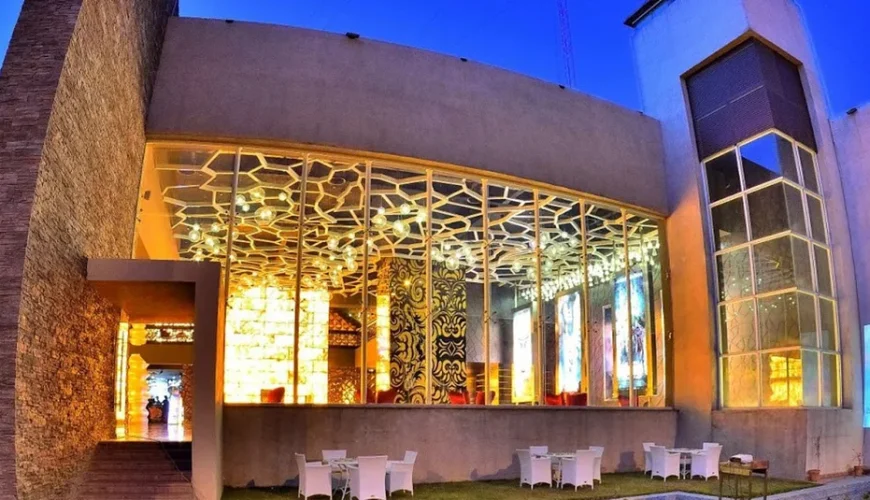
The future of entertainment cinemas looks to be even more immersive, personalized, and integrated. The industry is not standing still; it is constantly experimenting with new technologies and business models to keep the movie-going experience fresh and exciting. We can expect to see further integration of interactive elements, making the audience feel even more a part of the story. The physical design of theaters will continue to evolve, with more flexible and social spaces. Business models may also shift, with subscription services and loyalty programs becoming more sophisticated to foster long-term customer relationships. The core mission will remain the same: to provide an unparalleled entertainment experience that is worth leaving home for. The competition from streaming will continue to be a powerful driver of this innovation, pushing theaters to be more creative and customer-focused than ever before.
Virtual and Augmented Reality in Theaters
One of the most exciting frontiers for entertainment cinemas is the integration of virtual reality (VR) and augmented reality (AR). While some theaters already offer standalone VR games in their arcades, the future could see this technology integrated more directly into the movie-watching experience itself. Imagine a film where, during certain scenes, you could put on a lightweight pair of glasses and see AR elements overlaid onto the real world of the theater, or even enter a short, fully immersive VR sequence that complements the main narrative. This could open up entirely new possibilities for interactive storytelling. While the technological and logistical challenges are significant, the potential to create a truly unique and deeply engaging experience is enormous. It represents the next logical step in the quest for total immersion that has driven cinema technology for over a century.
Subscription Models and Loyalty Programs
To build stronger customer relationships and encourage repeat visits, many entertainment cinemas are adopting subscription-based models, similar to services like Netflix. For a flat monthly fee, subscribers can see a certain number of movies per month, often with additional perks like discounts on food and beverages. These programs, like AMC Stubs A-List or Regal Unlimited, provide great value for frequent moviegoers and create a predictable revenue stream for the theaters. Sophisticated loyalty programs that reward customers for every dollar they spend are also becoming standard. These programs use data to offer personalized promotions and recommendations, making customers feel valued and understood. This focus on customer relationship management is a key business strategy that will help entertainment cinemas thrive in an increasingly competitive entertainment landscape. For a broader overview of the history of film and its venues, one can consult resources like the Wikipedia page on the history of film.
Frequently Asked Questions (FAQ)
Q: What is the main difference between a regular cinema and an entertainment cinema?
A: The main difference is the overall experience. A regular cinema primarily focuses on screening the movie. An entertainment cinema is a destination that offers a premium experience with luxury seating, gourmet food and drink options, advanced technology like IMAX or 4DX, and often other attractions like arcades or bowling alleys.
Q: Is the food at dine-in theaters actually good?
A: Yes, many modern dine-in theaters have made significant investments in their culinary programs. They often feature full kitchens run by professional chefs and offer extensive menus with high-quality, restaurant-level dishes that go far beyond standard concession stand fare.
Q: Are premium formats like IMAX and Dolby Cinema worth the extra cost?
A: For many moviegoers, especially fans of large-scale blockbusters, the answer is a resounding yes. These premium formats provide a significantly more immersive and impactful audio-visual experience—with bigger, brighter screens and more dynamic sound—that you cannot replicate at home. The enhanced quality can make a well-made film even more memorable.
Q: What is 4DX and is it suitable for everyone?
A: 4DX is an immersive technology that adds motion and environmental effects to the movie-watching experience. Your seat moves in sync with the on-screen action, and you can experience effects like wind, water, fog, and scents. While it can be a lot of fun, the intense motion may not be suitable for young children, pregnant women, or individuals with certain health conditions.
Q: With all the streaming options, why do people still go to entertainment cinemas?
A: People go for the complete experience. This includes the superior, immersive technology, the luxury and comfort, and most importantly, the social aspect of watching a film with an audience. It’s a chance to get out of the house and participate in a shared cultural event, which is a fundamentally different and often more powerful experience than watching at home.