




Key Takeaways
- Essential networks: Travelling stock reserves provide crucial pathways and grazing areas for livestock moving across different regions.
- Ecological hotspots: These lands often hold some of the last remaining examples of intact native vegetation and act as wildlife corridors.
- Rich history: They trace back to early agricultural days, highlighting the historical importance of droving.
- Public access: Many of these areas offer wonderful opportunities for bushwalking, birdwatching, and nature photography.
- Strict regulations: Using these reserves requires proper permits to ensure the land remains protected for future generations.
Travelling stock reserves represent a unique and vital part of our agricultural and environmental landscape. These networks of land, originally set aside for the movement of livestock, have evolved into multi-purpose public assets. They offer emergency grazing during times of drought, protect rare plant species, and provide recreational spaces for nature lovers. Understanding how these reserves function helps us appreciate the delicate balance between farming needs and environmental conservation.
What Are Travelling Stock Reserves?
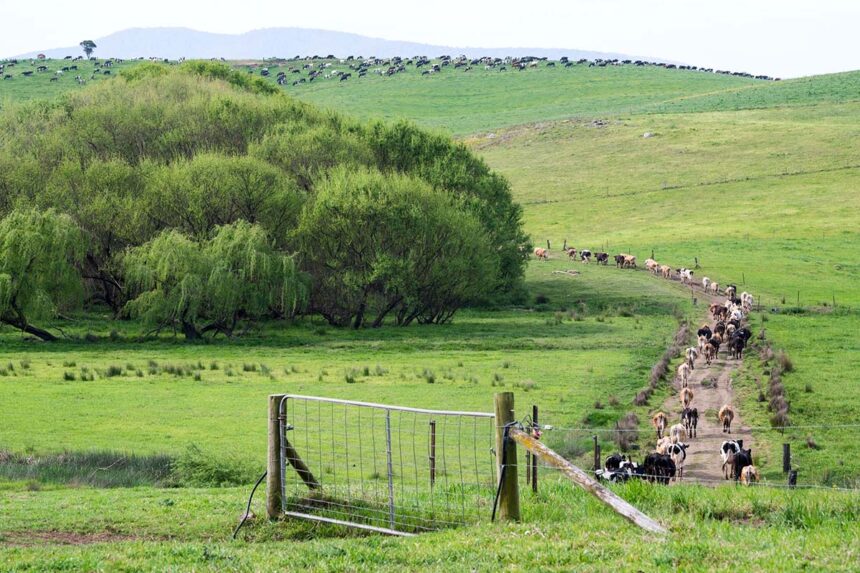
Travelling stock reserves are parcels of Crown land connected by a network of trails, designed specifically to allow the movement of livestock from one location to another. You can think of them as highways for sheep and cattle, complete with rest stops where the animals can graze and drink water. These areas were established long before the invention of modern transport trucks, back when drovers had to walk herds across vast distances to reach markets or fresh pastures. Today, they remain a critical piece of agricultural infrastructure, especially during extreme weather events when farmers need to move their animals to find feed.
The management of these reserves involves careful planning by local land authorities. They must ensure that the land is not overgrazed and that the water facilities are maintained. This careful balancing act ensures that the pathways remain viable for future use. The reserves vary greatly in size and shape, ranging from narrow strips of land alongside public roads to large, sprawling paddocks that span hundreds of acres.
A Brief Overview of the Concept
The core concept behind travelling stock reserves is accessibility and support for the agricultural sector. By keeping these corridors open, governments ensure that farmers have a reliable fallback option when local conditions become too harsh. The reserves are spaced out so that livestock can travel a reasonable distance each day—usually around ten kilometers—before reaching a safe place to rest for the night. This spacing helps maintain the health and welfare of the animals during long journeys.
How These Networks Function Today
While modern trucks handle most livestock transport now, travelling stock reserves still play an active role in rural economies. They serve as emergency grazing lands during severe droughts or floods. When a farmer’s primary land cannot support their herd, they can apply for permits to move their animals onto the reserves. Additionally, local communities use these lands for apiary sites (beekeeping) and timber harvesting. The management boards work closely with local councils to regulate usage, ensuring that the primary purpose of the reserves is not compromised by these secondary activities.
The Fascinating History Behind Travelling Stock Reserves
The history of travelling stock reserves is deeply intertwined with the early days of agricultural expansion. As settlers moved further inland to establish sheep and cattle stations, they needed a reliable way to get their products back to the major cities and ports. Without roads or railways, the only option was to walk the animals. Governments recognized this need and began officially gazetting strips of land to ensure drovers always had a legal right of way. This foresight prevented private landowners from fencing off crucial water sources and blocking the passage of livestock.
As the years passed, this network expanded massively, creating a web of interconnected routes that spanned entire continents. The drovers who managed these journeys became legendary figures, known for their resilience and deep understanding of the land. They spent months on the trail, navigating harsh weather, flooded rivers, and unpredictable animal behavior. The reserves provided the necessary infrastructure to make these epic journeys possible, shaping the cultural identity of rural communities along the way.
Early Colonial Era and Livestock Movement
During the early colonial era, the mapping of travelling stock reserves was often an informal process based on indigenous trade routes and natural watercourses. Surveyors eventually formalized these paths, ensuring they were wide enough to accommodate large herds without damaging the surrounding environment. This formalization was a critical step in building a robust agricultural economy. It allowed for the safe and efficient transport of wool and meat, which were the primary exports of the time. You can learn more about how digital trends and modern business track similar historical developments over at https://siliconvalleytime.co.uk/, where the intersection of history and modern innovation is frequently discussed.
The Golden Age of Droving
The late 19th and early 20th centuries marked the golden age of droving. During this period, massive herds of cattle and flocks of sheep moved continuously across the landscape. The travelling stock reserves were bustling with activity, functioning as vital arteries of commerce. Drovers relied heavily on the established watering holes and camping spots within the reserves. This era cemented the importance of these lands, proving that a well-maintained network of public land was essential for the survival and prosperity of the agricultural sector.
Why Travelling Stock Reserves Are Ecologically Important
Beyond their agricultural use, travelling stock reserves hold immense ecological value. Because these lands were never cleared for intensive farming or urban development, they often retain their original, pre-European vegetation. They serve as ecological time capsules, preserving complex ecosystems that have been lost in the surrounding landscapes. This preservation makes them incredibly important for scientific research and environmental conservation. Botanists and ecologists frequently study these areas to understand how native plants respond to different grazing pressures and climatic conditions.
The continuous nature of these reserves also makes them perfect wildlife corridors. Animals can use these strips of land to migrate safely between larger national parks and state forests. Without these corridors, wildlife populations would become isolated, leading to a decrease in genetic diversity and an increased risk of local extinction. The reserves provide shelter, food, and safe passage for a wide variety of native fauna, from large mammals to tiny insects.
Protecting Native Flora and Fauna
The protection of native flora and fauna is a major priority for the managers of travelling stock reserves. Many endangered plant species, such as rare orchids and native grasses, thrive in these undisturbed environments. Because grazing is strictly controlled, these delicate plants have the opportunity to seed and reproduce. Management strategies often involve rotational grazing, which mimics the natural patterns of native herbivores and helps maintain a healthy balance of plant life. This careful stewardship ensures that the reserves remain vibrant hubs of biodiversity.
Wildlife Corridors for Threatened Species
For many threatened species, travelling stock reserves are a lifeline. Birds, reptiles, and small mammals use the continuous canopy cover and undergrowth to travel safely across otherwise cleared agricultural land. These corridors are particularly important for migratory birds that rely on specific resting spots during their long journeys. Conservation groups actively monitor these areas, often installing nesting boxes and conducting population surveys to ensure the habitat remains suitable for these vulnerable animals.
The Role of Drovers and Modern Farming
The traditional role of the drover has evolved significantly, but it has not disappeared completely. Modern farmers still utilize travelling stock reserves, albeit in different ways than their predecessors. Today, the focus is often on short-term relief rather than long-distance transport. When local pastures fail due to lack of rain, farmers can acquire permits to graze their animals on the reserves. This practice, known as long-padding, provides essential relief and prevents the overgrazing of private land. It is a vital tool for drought management and animal welfare.
Modern drovers use vehicles and communication technology to manage their herds more efficiently, but the core skills remain the same. They must understand the land, know where to find water, and monitor the health of their animals constantly. The relationship between the drovers and the land managers is collaborative. They work together to ensure the reserves are used sustainably, reporting any issues such as damaged fences or weed infestations.
Moving Cattle and Sheep Across the Land
The actual process of moving cattle and sheep along travelling stock reserves requires meticulous planning. Drovers must map out their daily routes, ensuring they reach designated water sources and camping areas before nightfall. The animals must be moved at a steady pace to prevent exhaustion and stress. Regulations require that the herds travel a minimum distance each day to prevent overgrazing in any one spot. This continuous movement protects the vegetation and allows it time to recover before the next herd passes through.
Emergency Refuge During Droughts
During severe droughts, travelling stock reserves become an emergency refuge for struggling farmers. When all local feed is exhausted, these reserves offer a lifeline that can save entire herds from starvation. The government tightly controls access during these periods to ensure the resources are distributed fairly. Farmers must apply for permits, and the authorities assess the condition of the reserves to determine how many animals they can support. This system helps mitigate the devastating economic and emotional impacts of prolonged droughts.
How to Explore and Enjoy These Unique Landscapes
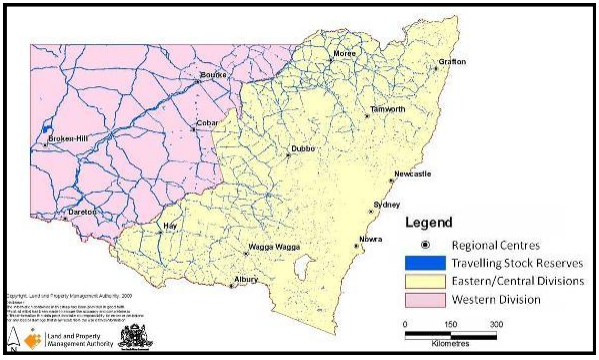
Travelling stock reserves are not just for livestock; they are also fantastic public resources for recreation. Because they are Crown land, many of these reserves are open to the public for low-impact activities. They offer a unique opportunity to experience native bushland without the crowds often found in major national parks. Visitors can enjoy peaceful environments, stunning landscapes, and a deep connection to the history of the region. It is important to remember that agricultural use takes priority, so visitors must always yield to livestock and follow local signage.
To make the most of your visit, it is advisable to contact the local land management authority for maps and access information. Some reserves may be temporarily closed for weed spraying, hazard reduction burns, or active grazing. Preparing ahead of time ensures a safe and enjoyable trip. Always practice “Leave No Trace” principles—take all your rubbish with you, do not disturb the wildlife, and leave gates exactly as you found them.
Bushwalking and Nature Photography
Bushwalking through travelling stock reserves provides a unique perspective on the rural landscape. The trails are usually relatively flat and easy to navigate, making them accessible for walkers of all fitness levels. Nature photographers will find endless inspiration in the diverse flora and the changing light filtering through ancient trees. Early morning and late afternoon are the best times to capture the beauty of the landscape and the activity of the local wildlife. The lack of infrastructure means you get a truly wild and unspoiled experience.
Birdwatching Opportunities
Birdwatchers flock to travelling stock reserves because these areas support incredibly high concentrations of birdlife. The combination of old-growth trees, grassy understories, and reliable water sources creates an ideal habitat for both resident and migratory birds. Enthusiasts can spot everything from vibrant parrots and cockatoos to elusive woodland birds like robins and treecreepers. Bringing a good pair of binoculars and a field guide will enhance your experience, allowing you to identify the wide variety of species that call these reserves home.
The Economic Value of Travelling Stock Reserves
The economic impact of travelling stock reserves extends far beyond the agricultural sector. While their primary value lies in supporting farmers during difficult times, they also contribute significantly to local economies in other ways. By providing a low-cost grazing alternative, these reserves help keep agricultural businesses viable, which in turn supports rural towns and communities. The money saved on commercial feed and transport can be reinvested into the local economy, creating a positive ripple effect.
Furthermore, these lands support various secondary industries. Timber harvesting, when managed sustainably, provides resources for fencing and firewood. Beekeepers rely heavily on the diverse floral resources found within the reserves to produce high-quality honey. These multiple uses highlight the incredible versatility of the land and demonstrate how effective public land management can yield diverse economic benefits.
Supporting the Agricultural Industry
The agricultural industry depends on travelling stock reserves as a crucial safety net. The ability to move livestock off private land during poor seasons prevents long-term damage to the soil and pastures. This sustainable approach helps maintain the overall productivity of the farming sector. By reducing the reliance on expensive hand-feeding, farmers can maintain their herds through tough times and bounce back faster when conditions improve. The reserves effectively act as a massive, shared insurance policy for the livestock industry.
Tourism and Local Communities
Tourism generated by travelling stock reserves provides a welcome boost to small rural communities. Visitors who come for birdwatching, hiking, or historical research often spend money in local towns. They buy fuel, eat at local cafes, and stay in regional accommodations. Local councils are increasingly recognizing this potential and are promoting the reserves as eco-tourism destinations. This influx of visitors helps diversify the local economy, making these towns less dependent on the sometimes-volatile agricultural sector.
Rules and Regulations You Need to Know
To ensure the sustainability of travelling stock reserves, strict rules and regulations govern their use. These rules are designed to protect the environment, ensure the welfare of the livestock, and maintain public safety. Anyone wishing to use the reserves for commercial purposes, including grazing and beekeeping, must hold a valid permit. These permits come with specific conditions regarding the number of animals, the duration of stay, and the required movement rates.
Public access is generally permitted for recreational activities, but visitors must respect the primary purpose of the land. Camping is usually only allowed in designated areas, and lighting fires may be heavily restricted depending on the season. It is crucial to understand that these lands are actively managed and conditions can change rapidly. Always check with local authorities before planning a trip to ensure you are complying with all current regulations.
Obtaining the Right Permits
Obtaining a permit is a straightforward but essential process for anyone looking to use travelling stock reserves for agricultural purposes. Farmers must apply through the local land management agency, providing details about their herd and their intended route. The agency assesses the application based on the current condition of the reserves and the availability of water and feed. This strict oversight prevents overstocking and ensures that the resources are shared equitably among all applicants.
Respecting the Environment and Boundaries
Respecting the environment and property boundaries is critical when visiting or working in travelling stock reserves. These corridors often run alongside private farmland, and trespassing is strictly prohibited. Users must leave gates as they find them to prevent livestock from escaping onto roads or neighboring properties. Environmental respect means staying on marked trails, avoiding sensitive habitats, and never removing plants or firewood without specific authorization. This responsible behavior ensures the reserves remain healthy and open for everyone.
Challenges Facing Travelling Stock Reserves Today
Despite their importance, travelling stock reserves face several significant challenges in the modern era. Funding for maintenance and management is often limited, making it difficult to control invasive weeds, repair fences, and maintain water infrastructure. The sheer size and scattered nature of the network make it a logistical challenge to monitor effectively. Land managers must constantly prioritize their resources, focusing on the most critical areas while trying to prevent degradation in others.
Another major challenge is the pressure from alternative land uses. As towns expand and infrastructure projects like highways and power lines are developed, strips of the reserves are sometimes acquired or degraded. Defending the integrity of the network requires constant advocacy from environmental and agricultural groups. They work to remind policymakers of the irreplaceable value these lands hold, fighting to keep the corridors intact for future generations.
Climate Change and Extreme Weather
Climate change poses a severe threat to the viability of travelling stock reserves. Increasingly frequent and severe droughts mean the reserves are relied upon more heavily, putting immense pressure on the vegetation and water sources. Conversely, extreme flooding can wash away vital topsoil and destroy infrastructure like bridges and fencing. Land managers must adapt their strategies to these changing conditions, implementing more resilient water systems and adjusting grazing regulations to protect the fragile ecosystems from permanent damage.
Managing Invasive Weeds and Pests
Invasive weeds and feral pests are a constant battle for those managing travelling stock reserves. Because livestock and vehicles move continuously through these corridors, they can easily transport weed seeds over vast distances. Pests like feral pigs and foxes also use the reserves to travel and hunt, damaging the soil and preying on native wildlife. Controlling these threats requires coordinated efforts, involving regular spraying programs, baiting, and strict biosecurity measures for anyone entering the land.
The Future of Travelling Stock Reserves
The future of travelling stock reserves looks promising, provided they continue to receive the recognition and funding they deserve. There is a growing appreciation for their ecological value, leading to stronger partnerships between agricultural bodies and conservation groups. Together, they are developing innovative management plans that balance the needs of livestock with the protection of biodiversity. This collaborative approach is essential for ensuring the long-term sustainability of the network.
Education and community involvement will also play a massive role in the future of these reserves. By encouraging public access and promoting the historical and environmental significance of the land, managers can build a strong base of community support. When people understand and value these areas, they are more likely to advocate for their protection and volunteer their time for conservation projects.
Conservation Efforts and Community Action
Local communities are increasingly taking an active role in the conservation of travelling stock reserves. Volunteer groups often organize weed-pulling days, tree planting events, and bird monitoring programs. These grassroots efforts provide invaluable assistance to the formal land management agencies. By taking ownership of their local reserves, communities help ensure that the land remains healthy, functional, and beautiful for decades to come.
Integrating Technology into Land Management
Technology is revolutionizing how travelling stock reserves are managed. Drones are used to monitor vegetation health and survey difficult-to-reach areas. GPS collars on livestock help drovers and managers track movements and ensure animals are keeping to the required pace. Digital mapping and databases allow for better coordination of permits and quicker responses to environmental threats. Embracing these technologies makes managing this vast network more efficient and effective.
Comparison of Land Uses
To better understand how these reserves are utilized, here is a breakdown of primary activities:
|
Activity Type |
Primary Users |
Purpose |
Environmental Impact |
|---|---|---|---|
|
Emergency Grazing |
Farmers / Drovers |
Drought relief for livestock |
Moderate (requires strict monitoring) |
|
Apiary (Beekeeping) |
Commercial Beekeepers |
Honey production |
Low (promotes pollination) |
|
Recreation |
Public / Tourists |
Bushwalking, birdwatching |
Low (if Leave No Trace is followed) |
|
Conservation |
Ecologists / Researchers |
Protecting native species |
Positive (preserves biodiversity) |
Frequently Asked Questions (FAQ)
Are travelling stock reserves open to the general public?
Yes, most reserves are open to the public for low-impact recreation like walking and birdwatching. However, you cannot camp or drive vehicles on them without specific permits, and you must not interfere with any livestock or ongoing agricultural activities.
Do I need a permit to walk my dog on a reserve?
Generally, you do not need a permit for simple walking, but dogs must be kept on a leash at all times. This is crucial to prevent them from harassing livestock or native wildlife. Always check local council regulations as rules can vary by region.
How do farmers apply for grazing permits?
Farmers must contact their local land service or management authority. They will need to provide details about the size of their herd, their intended destination, and the reasons for needing access to the reserve.
Are these reserves protected from development?
While they are Crown land, they are occasionally subject to land grabs for public infrastructure. However, strong advocacy from both agricultural and environmental sectors helps protect the vast majority of the network from permanent development or clearing.
Conclusion
The vast network of travelling stock reserves is much more than just a historical footnote; it is a living, breathing asset that serves both the agricultural industry and the natural environment. From offering emergency feed during harsh droughts to providing vital wildlife corridors for threatened native species, these reserves are a masterclass in multi-use land management. By balancing the needs of modern farming with strict conservation efforts, we ensure that these unique landscapes remain healthy and functional. Whether you are a farmer relying on them for your livelihood or a nature enthusiast enjoying a quiet bushwalk, it is easy to see why protecting travelling stock reserves is so important. For more historical context and detailed background, you can always research travelling stock reserves on trusted encyclopedias like https://www.wikipedia.org/ to deepen your understanding of their origins and ongoing legacy.