








Credit is a powerful financial tool that can open doors to major life milestones, like buying a car, owning a home, or even starting a business. Think of it as a trust-based system where a lender provides you with money or resources now, with your promise to pay it back later, usually with an added fee called interest. Understanding how credit works is the first step toward building a strong financial future. It impacts your ability to get loans, rent an apartment, and can even influence insurance rates or job opportunities. Mastering your credit means you are in control of your financial journey, making it a crucial life skill for everyone to learn.
This guide will walk you through everything you need to know. We’ll break down what credit is, how to build it, why it’s so important, and how to manage it responsibly.
Key Takeaways
- Credit is a Trust System: It allows you to borrow money with the promise to repay it over time, often with interest.
- Your Credit Score is Your Financial Report Card: A three-digit number that tells lenders how risky it is to lend you money. A higher score means better terms.
- Building Good Credit Takes Time and Consistency: Paying bills on time and keeping debt low are the most important factors.
- Good Credit Unlocks Opportunities: It makes it easier and cheaper to get loans for cars, homes, and education.
- Managing Credit is an Ongoing Process: Regularly checking your credit reports and using credit cards wisely are essential for maintaining a healthy financial life.
What Exactly Is Credit?
At its core, credit is an agreement. When a lender extends you credit, they are giving you the ability to purchase goods or services without paying for them immediately. In return, you agree to pay the lender back the amount you borrowed, plus any applicable interest and fees, by a future date. This concept is the foundation of many financial products, from credit cards to mortgages. Lenders, such as banks and credit unions, are willing to take this risk because they earn money through interest.
The amount of credit a lender is willing to give you depends on their assessment of your ability and willingness to repay. They look at your financial history, income, and existing debts to determine your “creditworthiness.” This is why building a positive history is so important. Essentially, every time you use credit responsibly, you are proving to future lenders that you are a reliable borrower, making it easier to access financial products when you need them.
The Two Main Types of Credit
When you start exploring the world of finance, you’ll find that credit primarily comes in two forms: revolving and installment. Understanding the difference is key to managing your finances effectively.
Revolving Credit
Revolving credit gives you a set credit limit, and you can borrow up to that amount at any time. The most common example is a credit card. You can make purchases, pay off the balance, and then borrow again without having to reapply. Your available credit “revolves” as you use it and pay it back. You are required to make at least a minimum payment each month, but you carry the remaining balance forward, which typically accrues interest. This flexibility makes revolving credit useful for managing day-to-day expenses or unexpected costs, but it requires discipline to avoid accumulating high-interest debt.
Installment Credit
Installment credit is a loan for a specific amount of money that you agree to pay back in equal, regular payments (or installments) over a set period. Car loans, mortgages, and personal loans are all examples of installment credit. With these loans, you know exactly how much your monthly payment will be and when the loan will be fully paid off. Unlike revolving credit, once you pay off an installment loan, the account is closed. You can’t borrow more money on that same account. This predictable structure makes installment credit ideal for large, one-time purchases.
The Importance of Your Credit Score
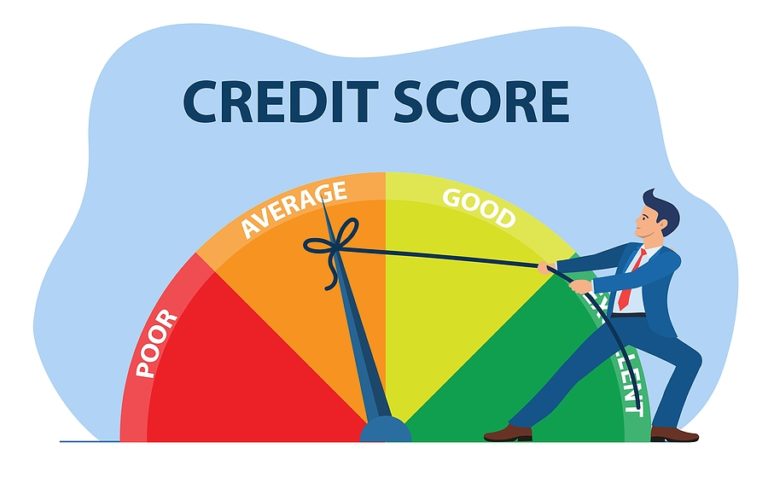
Your credit score is one of the most important numbers in your financial life. It’s a three-digit number, typically ranging from 300 to 850, that acts as a summary of your credit history. Lenders use this score to quickly assess the risk of lending you money. A higher score indicates that you are a low-risk borrower, which means you’re more likely to be approved for loans and get favorable interest rates. On the other hand, a low score suggests you are a higher risk, which can lead to loan denials or very high interest rates.
Think of your credit score as your financial reputation. It’s built over time based on your borrowing and repayment habits. The main credit scoring models, like FICO and VantageScore, are used by the vast majority of lenders in the United States. While the exact formulas are secret, they all rely on the information found in your credit reports. Therefore, understanding what goes into your reports is the key to understanding and improving your score.
How Is Your Credit Score Calculated?
Your credit score is calculated using several pieces of information from your credit report. While each scoring model weighs factors slightly differently, they all focus on the same core elements of your financial behavior.
Here’s a breakdown of the typical factors and their general importance:
|
Factor |
Importance |
Description |
|---|---|---|
|
Payment History |
~35% |
Do you pay your bills on time? Late payments, bankruptcies, and collections have a significant negative impact. |
|
Amounts Owed |
~30% |
How much debt do you have? This looks at your total debt and your credit utilization ratio (how much of your available credit you’re using). |
|
Length of Credit History |
~15% |
How long have your credit accounts been open? A longer history is generally better. |
|
Credit Mix |
~10% |
Do you have a healthy mix of different types of credit, like credit cards and installment loans? |
|
New Credit |
~10% |
How many new accounts have you recently opened or applied for? Too many inquiries in a short time can be a red flag. |
Your payment history is the single most influential factor. Consistently paying your bills on time is the best thing you can do for your credit score. Keeping your credit utilization low—ideally below 30%—is also crucial.
Who Uses Your Credit Score?
You might be surprised by how many different entities look at your credit information. It’s not just for banks and credit card companies.
- Lenders: Banks, credit unions, and auto finance companies use it to decide whether to approve you for a loan and at what interest rate.
- Landlords: Many landlords run a credit check to see if you have a history of paying bills on time before they agree to rent to you.
- Insurance Companies: In many states, your credit score can influence your insurance premiums for your car and home.
- Utility Companies: Electric, gas, and water companies may check your credit to decide whether to require a security deposit.
- Cell Phone Providers: They often check your credit before offering you a contract for a new phone and service plan.
- Potential Employers: Some employers, particularly for jobs in finance or management, may review your credit report as part of a background check (with your permission).
How to Build Credit from Scratch
Building credit when you have none can feel like a classic catch-22: you need credit to get credit. However, there are several proven strategies to establish a financial history and start building a positive score. The key is to start small and demonstrate responsible behavior over time. Lenders want to see that you can handle borrowing money before they trust you with larger amounts.
Starting your credit journey on the right foot is essential. It requires patience and a clear plan. By using the right tools and adopting good habits from the beginning, you can build a strong foundation that will benefit you for years to come. Don’t be discouraged if it takes a few months to see progress. Consistency is what matters most to the credit scoring models.
Become an Authorized User
One of the simplest ways to start building credit is to become an authorized user on a family member’s or trusted friend’s credit card. When you are added to their account, the history of that account—including its age and payment history—may be added to your credit report. If the primary account holder has a long history of on-time payments and low balances, this can give your score a significant boost. However, be cautious. If the primary user misses payments or carries a high balance, it can negatively impact your credit as well. Make sure you choose someone who is financially responsible.
Get a Secured Credit Card
A secured credit card is an excellent tool for anyone new to credit or rebuilding their score. It works just like a regular credit card, but it requires you to make a cash security deposit upfront. This deposit typically equals your credit limit. For example, if you deposit $300, you get a credit limit of $300. Because your deposit secures the line of credit, there is very little risk for the lender. This makes secured cards much easier to qualify for. Use the card for small purchases and always pay the bill in full and on time each month. Most issuers report your activity to the major credit bureaus, helping you build a positive payment history.
Consider a Credit-Builder Loan
A credit-builder loan is another product designed specifically to help people establish a credit history. Unlike a traditional loan where you get the money upfront, with a credit-builder loan, the lender places the borrowed amount into a locked savings account. You then make fixed monthly payments over a set term (e.g., 6-24 months). The lender reports these payments to the credit bureaus. At the end of the loan term, the account is unlocked, and you receive the money you’ve paid in, often plus any interest it has earned. It’s a forced savings plan that builds your credit at the same time.
Maintaining Good Credit Habits
Once you’ve established a credit history, the work isn’t over. Maintaining good credit is an ongoing process that requires consistent attention and discipline. Your financial habits today will directly impact your opportunities tomorrow. By incorporating a few simple practices into your routine, you can ensure your score stays healthy and continues to grow over time.
Good credit management is not about avoiding debt altogether; it’s about using credit wisely as a tool to achieve your goals. It involves being organized, proactive, and mindful of your spending. Think of it like maintaining a car—regular check-ups and responsible driving keep it running smoothly and prevent costly breakdowns down the road.
Always Pay Your Bills on Time
This is the golden rule of credit. Your payment history is the most important factor in your credit score, accounting for about 35% of it. A single late payment can cause your score to drop significantly and can stay on your credit report for up to seven years. The best way to avoid this is to automate your payments. Set up automatic transfers from your checking account for at least the minimum amount due on all your bills. This ensures you never miss a deadline. For payments that vary, set calendar reminders a few days before the due date to give yourself plenty of time to manually submit the payment.
Keep Your Credit Utilization Ratio Low
Your credit utilization ratio is the amount of revolving credit you’re using compared to the total amount of revolving credit you have available. For example, if you have a credit card with a $1,000 limit and a balance of $300, your utilization is 30%. Experts recommend keeping your overall utilization below 30%, and below 10% is even better. High utilization signals to lenders that you may be overextended and reliant on borrowed money. To keep your ratio low, consider making multiple payments throughout the month instead of waiting for the bill, or request a credit limit increase on your existing cards (as long as it doesn’t tempt you to overspend).
Regularly Review Your Credit Reports
You are entitled to a free copy of your credit report from each of the three major credit bureaus (Equifax, Experian, and TransUnion) every year through AnnualCreditReport.com. It’s crucial to review these reports carefully. Look for any errors, such as accounts that aren’t yours or incorrect payment statuses. Inaccurate information can hurt your score, and you have the right to dispute it. Regularly checking your reports also helps you spot signs of identity theft early. Catching fraudulent activity quickly can save you a tremendous amount of time and stress.
Understanding Your Credit Report
Your credit report is a detailed record of your credit history. It’s compiled by credit bureaus, which are companies that collect and store financial information about consumers. This report is the source document for your credit score. It contains a wealth of information about how you’ve managed your financial obligations over the years. Knowing how to read and interpret this document is essential for managing your financial health.
The report is typically divided into four main sections: personal information, credit accounts, public records, and inquiries. Each section provides a different piece of the puzzle that lenders use to evaluate your creditworthiness. Taking the time to understand each part can help you identify areas for improvement and spot potential issues before they become major problems. For deeper insights into market trends and financial technology, resources like https://siliconvalleytime.co.uk/ can offer a broader perspective.
Key Sections of Your Credit Report
Let’s break down what you’ll find in each part of your credit report.
- Personal Information: This section includes your name, current and previous addresses, Social Security number, date of birth, and employment information. It’s important to verify that all this information is correct.
- Credit Accounts: This is the core of the report. It lists all your credit accounts, both open and closed. For each account, it shows the type of account (e.g., credit card, mortgage), the date it was opened, your credit limit or loan amount, the current balance, and your payment history for the past several years.
- Public Records: This section contains information from public sources that may be relevant to your financial standing. This can include bankruptcies, foreclosures, and tax liens. Having entries in this section can be very damaging to your credit score.
- Credit Inquiries: This section lists every time a company has requested to see your credit report. There are two types of inquiries: “hard” and “soft.” Hard inquiries occur when you apply for new credit and can slightly lower your score for a short time. Soft inquiries, such as when you check your own credit or when a company pre-approves you for an offer, do not affect your score.
How to Fix Errors on Your Credit Report
Finding an error on your credit report can be alarming, but it’s a fixable problem. The Fair Credit Reporting Act (FCRA) gives you the legal right to dispute inaccurate information on your reports. The credit bureaus and the information providers (the lenders) are responsible for correcting any incomplete or inaccurate information.
The process requires you to be organized and persistent. You will need to formally notify both the credit bureau that is reporting the error and the creditor that supplied the incorrect information. Start by gathering all the documentation you have that proves the information is wrong, such as bank statements or letters from the lender. Then, write a formal dispute letter clearly explaining the error and including copies (never originals) of your supporting documents. The credit bureau generally has 30 days to investigate your claim and must provide you with the results in writing.
Conclusion
Understanding and managing your credit is one of the most empowering steps you can take toward securing your financial well-being. It is more than just a number; it is a reflection of your financial habits and a key that unlocks countless opportunities. From securing a loan for your dream home to getting a better rate on your car insurance, good credit plays a vital role in achieving your life goals.
Building a strong credit profile doesn’t happen overnight. It requires patience, discipline, and consistent effort. By paying your bills on time, keeping your balances low, and regularly monitoring your credit reports, you are investing in your future. The habits you build today will pay dividends for years to come, providing you with financial flexibility and peace of mind. Use the knowledge from this guide to take control of your credit and build the strong financial foundation you deserve.
Frequently Asked Questions (FAQ)
Q1: How long does it take to build a good credit score?
Building a good credit score (typically considered 700 or above) takes time. If you’re starting from scratch, you can often generate a score within six months of opening your first credit account. To reach the “good” or “excellent” range, it may take a few years of consistent, positive credit history, including on-time payments and low credit utilization.
Q2: Will checking my own credit score lower it?
No, checking your own credit score is considered a “soft inquiry” and does not affect your score. It’s a great habit to get into, and many banks and credit card companies now offer free access to your score as a customer benefit.
Q3: What is the fastest way to improve my credit score?
The fastest way to see an improvement is to pay down high balances on your revolving credit accounts, like credit cards. This lowers your credit utilization ratio, which is a major factor in your score. Correcting errors on your credit report can also lead to a quick score increase if the error was negative.
Q4: Is it bad to have a lot of credit cards?
Not necessarily. The number of cards you have is less important than how you manage them. Having multiple cards can actually help your score by increasing your total available credit (which lowers your utilization) and improving your credit mix. The key is to use them responsibly and always pay them on time.
Q5: How long do negative items stay on my credit report?
Most negative items, such as late payments and collection accounts, will remain on your credit report for seven years. A Chapter 7 bankruptcy stays on your report for ten years. The good news is that the impact of these negative items on your score lessens over time, especially as you add more positive information to your report.



