







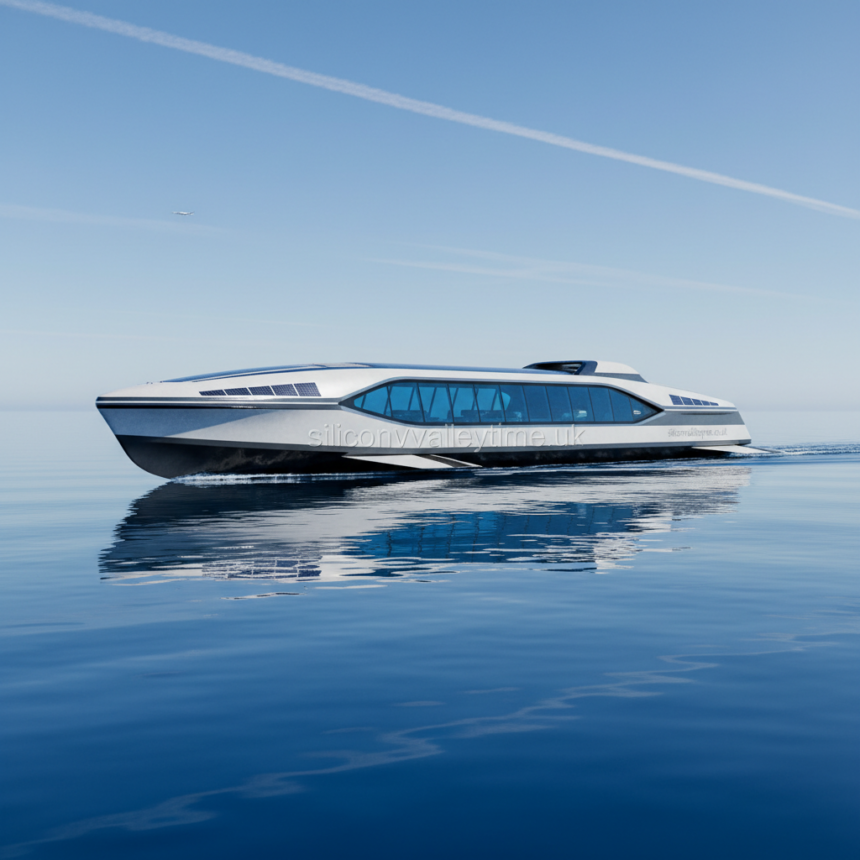

Maintaining a steady speed over long distances requires a specific amount of energy, and this fundamental concept applies to every vehicle we use for transportation. When you drive down the highway, fly across the country, or sail across the ocean, your vehicle relies on an exact balance of forces to keep moving forward without wasting fuel. This energy balance is known as cruising power. Understanding how this process works helps engineers design better engines, helps operators save money on fuel, and helps everyday travelers understand the mechanics behind their daily commutes. The physics of movement dictate that once a vehicle reaches its target speed, it no longer needs maximum energy to accelerate. Instead, it only needs enough continuous energy to push through air or water resistance and overcome internal friction. By studying this delicate balance, we can unlock the secrets to highly efficient travel. You will learn how different industries approach engine design, aerodynamics, and weight management to achieve the most efficient continuous speed possible.
Key Takeaways
- Definition: The energy required to maintain a constant speed against natural resistance forces is your vehicle’s cruising power.
- Aerodynamics: Wind resistance plays the largest role in determining how much energy a vehicle needs to maintain speed on land and in the air.
- Hydrodynamics: Water resistance acts as a massive barrier for boats, making hull shape extremely important for marine efficiency.
- Efficiency: Optimizing your continuous travel speed can significantly reduce fuel consumption and extend the life of your engine.
- Future Trends: Electric vehicles and advanced materials are completely changing how we calculate and utilize continuous energy for travel.
Read moer: steal a brainrot unblocked
What Exactly Is Cruising Power?
To properly grasp the mechanics of transportation, we must first define what happens when a vehicle stops accelerating and settles into a steady pace. Cruising power represents the precise amount of energy an engine must produce to maintain a constant velocity. When a vehicle accelerates, it requires a massive amount of energy to overcome inertia and build momentum. However, once that vehicle reaches its desired speed, the engine can dial back its effort. At this stage, the engine only needs to generate enough thrust or rotational force to counteract the drag forces acting against the vehicle. These opposing forces include aerodynamic drag from the wind, mechanical friction from moving engine parts, and rolling resistance from tires on a road.
If an engine produces too much energy, the vehicle will speed up. If it produces too little, the vehicle will slow down. Striking that perfect equilibrium is the entire goal of optimizing a vehicle’s steady-state operation. Engineers spend countless hours in wind tunnels and computer simulations trying to lower the required energy threshold. By reducing drag and friction, they can lower the necessary energy output, which directly translates to better fuel economy and fewer emissions. Whether you are operating a heavy commercial airliner or a lightweight commuter bicycle, the basic physics of maintaining momentum remain exactly the same across all forms of physical transportation.
The Importance of Cruising Power in Aviation
Nowhere is the precise calculation of continuous energy more critical than in the aviation industry. When an airplane takes off, it pushes its jet engines to their absolute maximum limits to lift thousands of pounds of metal, cargo, and passengers into the sky. This takeoff phase burns an incredible amount of jet fuel in a very short amount of time. Once the aircraft reaches its assigned altitude, the pilot levels off and throttles back the engines. This leveling off begins the cruise phase of the flight. The cruising power required during this long phase dictates the overall profitability and range of the entire flight.
Airlines operate on incredibly thin profit margins, and jet fuel represents one of their largest operational expenses. If an aircraft requires too much continuous energy to maintain its speed, it will burn through its fuel reserves too quickly, limiting the distance it can travel and reducing the amount of cargo it can carry. Therefore, aerospace engineers obsess over wing design, fuselage shape, and engine bypass ratios. Their goal is to create an airplane that slips through the thin air with minimal resistance. A highly efficient airplane needs significantly less thrust to maintain its speed, allowing airlines to fly longer routes while keeping ticket prices affordable for passengers.
How Airplanes Maintain Optimal Speed
Maintaining the perfect speed at high altitudes requires a careful balancing act between the thrust produced by the engines and the aerodynamic drag pulling the airplane backward. As an airplane flies through the sky, the air molecules pushing against the nose and wings create friction. To keep the plane moving at a constant speed, the jet engines must produce an exact amount of forward thrust to cancel out that friction. Pilots and onboard computers constantly monitor airspeed indicators to ensure the engines are outputting the correct cruising power.
Interestingly, as the flight progresses, the airplane actually becomes lighter because it burns off thousands of gallons of heavy jet fuel. As the weight of the aircraft decreases, it requires less lift to stay in the air. Because it needs less lift, the pilot can adjust the angle of the wings, which in turn reduces the aerodynamic drag. With less drag acting on the airplane, the engines require even less energy to maintain the same forward speed. This is why you will often see long-haul flights perform “step climbs,” where they fly higher as the flight goes on. The higher altitudes feature thinner air, which further reduces drag and allows the engines to operate at their absolute maximum efficiency levels.
Maximizing Fuel Efficiency at High Altitudes
Flying high above the clouds is not just about avoiding bad weather; it is a calculated strategy to improve engine efficiency and reduce fuel consumption. The Earth’s atmosphere becomes significantly thinner as you move further away from the surface. Thinner air means fewer air molecules are hitting the airplane, which drastically reduces the aerodynamic drag. Because the drag is lower, the cruising power required to maintain a speed of 500 miles per hour at 35,000 feet is much lower than the energy required to maintain that exact same speed at 10,000 feet.
Modern commercial jetliners use high-bypass turbofan engines specifically designed to operate efficiently in this thin, cold air. These engines capture the cold air and heat it rapidly, creating a powerful exhaust stream that pushes the plane forward. Below is a simple breakdown comparing different engine types and their efficiency at continuous speeds.
|
Engine Type |
Ideal Altitude |
Efficiency at Constant Speed |
Typical Application |
|---|---|---|---|
|
Piston Propeller |
Low (Under 15,000 ft) |
High at low speeds |
Small private training planes |
|
Turboprop |
Medium (15,000 – 25,000 ft) |
Excellent at medium speeds |
Regional commuter flights |
|
High-Bypass Turbofan |
High (30,000 – 40,000 ft) |
Superior at high speeds |
Long-haul commercial jets |
|
Turbojet |
Very High (Above 40,000 ft) |
Poor at low speeds, great at Mach 1+ |
Military fighter aircraft |
By matching the right engine type with the correct cruising altitude, aerospace companies ensure their aircraft use the lowest possible amount of energy to complete their journeys safely and economically.
Marine Cruising Power Explained
Moving a heavy object through water presents an entirely different set of physical challenges compared to moving through the air. Water is approximately 800 times denser than air, which means water resistance—also known as hydrodynamic drag—acts as a massive physical barrier to any boat or ship. When a boat leaves the dock and accelerates, the engines must work incredibly hard to push thousands of gallons of heavy water out of the way. Once the vessel reaches its intended travel speed, the captain dials back the throttle to establish a steady cruising power.
For commercial shipping vessels, cruise ships, and private yachts, finding the most efficient continuous speed is the key to managing fuel costs and extending travel range. If a ship tries to push through the water too quickly, the hydrodynamic drag increases exponentially. This means that doubling the speed of a boat does not just double the fuel consumption; it can quadruple it or worse. Marine engineers spend vast amounts of time designing ship hulls that slice through the water with minimal disturbance. A smooth, properly designed hull allows the marine engines to maintain steady forward momentum without burning excessive amounts of expensive marine diesel fuel.
Displacement Hulls vs. Planing Hulls
The shape of a boat’s hull completely dictates how much continuous energy it will need to travel across the water. Marine vessels generally fall into two main categories: displacement hulls and planing hulls. Displacement hulls, like those found on massive cargo ships and sailboats, are designed to constantly push water out of the way. They sit deep in the water and are limited to slower speeds known as “hull speed.” Because they move relatively slowly, their cruising power requirements are very predictable and highly efficient for carrying heavy loads over long ocean distances.
Planing hulls, on the other hand, operate on a completely different principle. These hulls, commonly found on speedboats and lightweight recreational vessels, are designed to rise up and ride on top of the water once they reach a certain speed. Getting a boat “on plane” takes a massive initial burst of engine power to overcome the huge wave of water built up at the bow. However, once the boat flattens out and glides on top of the surface, the hydrodynamic drag drops significantly. At this point, the captain can reduce the throttle, using a much lower level of cruising power to keep the boat skimming efficiently across the waves.
Marine Engine Optimization Techniques
Boat owners and commercial fleet managers constantly look for ways to optimize their engines for better performance and lower fuel costs. One of the most effective ways to reduce the continuous energy required to move a boat is to focus on the propeller. The propeller acts as the critical link between the engine’s rotational energy and the water. If a propeller has the wrong pitch or diameter for a specific boat, the engine will have to work much harder to maintain its speed. Upgrading to a properly sized, clean, and undamaged propeller ensures that every bit of engine energy translates directly into forward motion.
Another vital optimization technique involves regular hull maintenance. When a boat sits in the water for extended periods, algae, barnacles, and other marine life attach themselves to the bottom of the hull. This growth creates a rough surface that severely disrupts the smooth flow of water, drastically increasing hydrodynamic drag.
- Clean your hull regularly: Removing marine growth keeps the bottom smooth.
- Apply antifouling paint: Specialized paints prevent barnacles from attaching.
- Balance your cargo: Even weight distribution prevents the boat from dragging its stern.
- Monitor your RPMs: Find the engine’s sweet spot where fuel burn is lowest.
By keeping the hull clean and optimizing engine performance, marine operators can significantly lower the amount of energy needed to reach their destinations.
Automotive Cruising Power Dynamics
When you pull onto a highway and bring your car up to the speed limit, you are experiencing automotive energy dynamics firsthand. As you accelerate up the on-ramp, your car’s engine burns extra gasoline to move a heavy metal machine from a standstill to 65 miles per hour. Once you reach that speed and ease off the gas pedal—or engage your cruise control system—your car transitions into its steady-state operation. The cruising power required by a passenger vehicle on a flat highway is surprisingly low compared to the engine’s total potential output.
A standard sedan might have an engine capable of producing 200 horsepower, but it usually only needs about 20 to 30 horsepower to maintain a steady highway speed. At this stage, the engine’s only job is to provide enough forward force to overcome aerodynamic drag pushing against the front bumper and windshield, and the rolling resistance caused by the rubber tires deforming against the asphalt. Automotive manufacturers design complex transmissions with multiple gears specifically to keep the engine operating at very low RPMs (revolutions per minute) during highway driving. Keeping the engine speed low while maintaining road speed is the primary secret behind achieving excellent highway gas mileage.
Highway Driving and Engine Load Management
Engine load management is a critical factor in determining how efficiently a car operates on long road trips. When driving at a constant speed on a flat highway, the load placed on the engine is relatively light. The vehicle’s computer systems constantly monitor the throttle position, air intake, and fuel injection to deliver the exact minimum amount of fuel necessary. To help manage this load, modern cars use transmissions with high “overdrive” gears. These gears allow the wheels to spin very fast while the internal engine components spin relatively slowly.
However, the engine load changes dynamically based on the environment. If you begin driving up a steep hill, gravity starts pulling the car backward, immediately increasing the resistance. To maintain your constant speed, the engine must produce more continuous energy. If you are using cruise control, the car’s computer will automatically open the throttle to let in more air and fuel, and the transmission may downshift to a lower gear to access more torque. Understanding how hills, strong headwinds, and heavy cargo increase engine load helps drivers make smarter decisions, like slowing down slightly on steep inclines to prevent excessive fuel consumption.
The Role of Aerodynamics in Cars
As vehicles travel faster, aerodynamic drag becomes the absolute biggest obstacle to fuel efficiency. The relationship between speed and wind resistance is not linear; it is exponential. This means that driving at 80 miles per hour requires significantly more cruising power than driving at 60 miles per hour, simply because the engine has to push exponentially harder through the thick wall of air in front of the car. Automotive designers spend millions of dollars shaping cars in wind tunnels to achieve the lowest possible drag coefficient.
A sleek sports car or a modern aerodynamic sedan slices through the wind easily, requiring very little continuous energy to stay at highway speeds. Conversely, large, boxy vehicles like pickup trucks and full-size SUVs present a massive, flat surface area to the wind. Because of their poor aerodynamics, these larger vehicles must consume much more fuel just to keep up with traffic.
Aerodynamic Factors Affecting Cars:
- Frontal Area: The total size of the front of the vehicle pushing through the air.
- Drag Coefficient: A mathematical measurement of how smoothly air flows over the vehicle’s shape.
- Underbody Airflow: Rough components under the car can catch air and cause severe drag.
- Mirrors and Accessories: Roof racks and large side mirrors disrupt airflow and increase resistance.
Improving any of these aerodynamic factors allows the engine to relax and use far less fuel during long highway drives.
Electric Vehicles and Cruising Power
The rapid rise of electric vehicles (EVs) has introduced a totally new way to look at energy consumption on the road. Unlike traditional internal combustion engines that burn liquid gasoline, EVs rely on large lithium-ion battery packs to supply electricity to high-tech electric motors. The concept of continuous speed remains the same, but the way the vehicle processes and utilizes energy is vastly different. Electric motors are incredibly efficient at converting stored electrical energy into forward motion, often boasting efficiency rates well over 80%, compared to gas engines which usually sit around 20% to 30% efficiency.
Because electric motors are so efficient, EVs absolutely excel in city driving where speeds are low and the regenerative braking systems can recapture energy during frequent stops. However, when an electric vehicle enters the highway and needs to maintain a steady 70 miles per hour, the dynamics shift. At constant highway speeds, the EV must provide a continuous flow of electricity to the motors to overcome aerodynamic drag and rolling resistance. Since there is no braking involved during steady highway driving, the battery drains continuously without any opportunity to recapture energy, making highway range a major focal point for EV engineers.
Battery Drain at Constant Speeds
Understanding how a battery drains during steady highway driving is crucial for anyone planning a long road trip in an electric vehicle. When you drive an EV at a constant speed, the electric motors require a steady, uninterrupted flow of kilowatts from the battery pack to provide the necessary cruising power. Because aerodynamic drag increases exponentially with speed, driving an EV at 80 mph will drain the battery significantly faster than driving at 65 mph.
Many new EV owners are surprised to learn that their vehicles actually get worse range on the open highway compared to stop-and-go city traffic. In a gas car, highway driving is usually more efficient because gas engines hate idling and changing gears in the city. But for an EV, the constant demand for energy to push through the wind at high speeds is the fastest way to deplete the battery. To maximize range on long trips, EV drivers learn to reduce their speed slightly, rely heavily on their car’s aerodynamic design, and use climate control systems sparingly, as running the air conditioner or heater pulls additional continuous energy directly from the battery pack.
How Engineers Calculate Cruising Power
Behind every efficient vehicle on the road, water, or in the air, there is a team of engineers relying on complex mathematics to predict energy needs. Calculating the exact amount of energy required to maintain a constant speed is a foundational part of mechanical and aerospace engineering. The primary equation engineers use involves adding up all the different forces of resistance acting against the vehicle. By quantifying aerodynamic drag, rolling resistance, internal mechanical friction, and gravitational pull (if traveling up an incline), engineers can pinpoint the exact amount of forward thrust the engine must provide.
The most critical part of this calculation is the aerodynamic drag formula. Engineers calculate drag by multiplying the air density, the square of the velocity, the vehicle’s drag coefficient, and its frontal surface area. Because the velocity is squared in the equation, engineers mathematically prove that speed has the most dramatic impact on continuous energy requirements. By running these complex calculations through supercomputers, design teams can simulate how a slight change to a car’s bumper shape or an airplane’s wing angle will affect the overall fuel efficiency before they ever build a physical prototype.
Modifying Vehicles for Better Cruising Power

For automotive enthusiasts and commercial fleet operators alike, modifying vehicles to require less continuous energy is a highly sought-after goal. Even small aftermarket changes can add up to significant fuel savings over the lifespan of a vehicle. For passenger cars and trucks, one of the easiest modifications is upgrading to low-rolling-resistance tires. These specially engineered tires use unique rubber compounds and tread designs that deform less as they roll down the highway, reducing the friction between the car and the road.
Another popular modification involves improving the vehicle’s aerodynamics. Truck drivers often add aerodynamic skirts to the sides of their long trailers to prevent wind from getting caught underneath the vehicle. Car enthusiasts might lower their vehicle’s suspension to reduce the amount of turbulent air flowing beneath the chassis.
Common Efficiency Modifications:
- Low-Rolling-Resistance Tires: Reduces road friction.
- Aerodynamic Wheel Covers: Smooths out air flowing over the wheels.
- Synthetic Motor Oils: Reduces internal engine friction, allowing parts to move easily.
- Tonneau Covers for Trucks: Covers the empty truck bed to prevent air from getting trapped behind the cab.
- Engine Tuning: Remapping the computer software to prioritize fuel economy over aggressive acceleration.
By implementing these strategic modifications, operators can lower their vehicle’s resistance, meaning the engine requires less effort to maintain highway speeds.
The Future of Efficient Travel
As the world pushes aggressively toward sustainability and reducing carbon footprints, the future of transportation heavily relies on reducing continuous energy requirements. Innovators across all industries are exploring radical new materials and technologies to make vehicles lighter, sleeker, and smarter. In the automotive sector, we are seeing a massive shift toward using ultra-lightweight carbon fiber and advanced aluminum alloys instead of heavy steel. A lighter vehicle requires less energy to move, directly improving its steady-state efficiency.
In the aviation and marine industries, artificial intelligence is stepping in to optimize travel routes in real-time. Modern aircraft and ships use advanced software to analyze live weather patterns, wind directions, and ocean currents. By adjusting their routes to take advantage of strong tailwinds or favorable currents, these massive vehicles can naturally boost their speed without asking the engines to provide any additional cruising power. Furthermore, the development of alternative fuels, such as sustainable aviation fuel (SAF) and advanced hydrogen fuel cells, promises to change how we generate continuous energy entirely, paving the way for a future where long-distance travel is both highly efficient and environmentally friendly.
Frequently Asked Questions (FAQ)
What is the difference between maximum power and cruising power?
Maximum power is the absolute highest amount of energy an engine can produce, which is usually only used for short periods during heavy acceleration, climbing steep hills, or taking off. Cruising power, on the other hand, is the steady, lower amount of energy required to simply maintain a constant speed once the vehicle has stopped accelerating.
Why does my car get better gas mileage on the highway?
Gasoline engines operate most efficiently when they run at steady, low RPMs without constantly stopping and starting. On the highway, your car’s transmission shifts into its highest gear, allowing the engine to produce continuous energy smoothly without the massive fuel spikes required to accelerate from stoplights in the city.
Why do electric vehicles lose range so quickly on the highway?
Electric motors are incredibly efficient, but pushing a heavy vehicle through high-speed wind resistance requires a massive, constant draw of electricity. Unlike city driving, where EVs can recapture energy through regenerative braking, highway driving constantly drains the battery to overcome aerodynamic drag without any opportunity to recharge.
How does wind affect a vehicle’s steady-state energy needs?
Driving into a strong headwind acts exactly like driving at a much faster speed; it increases the aerodynamic drag pushing against the front of your car. To maintain your speed against a headwind, your engine must output more energy, which burns more fuel. Conversely, a strong tailwind pushes your vehicle forward, allowing your engine to use less energy.
Can regular maintenance improve my vehicle’s efficiency?
Yes. Simple maintenance tasks like keeping your tires properly inflated, changing dirty air filters, and using high-quality synthetic oils reduce rolling resistance and internal engine friction. A well-maintained engine requires less effort to produce continuous energy, saving you money at the gas pump.
Conclusion
Understanding how vehicles maintain a steady pace is the foundation for improving fuel economy, reducing emissions, and traveling smarter. Whether you are analyzing a giant cargo ship crossing the Pacific, a commercial jetliner flying at 35,000 feet, or your own personal car driving down the local interstate, the principles of energy and resistance remain constant. By balancing thrust against aerodynamic and hydrodynamic drag, engineers continue to build machines that do more work using less energy. As technology advances with lighter materials, smarter computers, and electric drivetrains, the effort required to move us forward will only continue to decrease. As we look toward the future of transportation, optimizing our vehicles’ steady-state operations will play a vital role in creating a cleaner, more efficient world. For those interested in exploring how these aerodynamic principles apply to the skies, you can read more about different flight phases like cruising to understand how experts manage energy high above the clouds.



