








The human foot is an incredibly complex structure, designed to support our weight and propel us forward. While we often think about the toes, the heel, or the ankle, we sometimes overlook the central part of the foot’s anatomy. In Swedish and Norwegian, the term “fotbladet” refers specifically to the sole of the foot or the main blade of the foot. Understanding the mechanics, health, and care of the fotbladet is essential for maintaining overall mobility and comfort. Whether you are an athlete, someone who spends all day standing, or just curious about anatomy, knowing how this part of your body works can help you prevent pain and injury.
This article will dive deep into everything you need to know about the fotbladet. We will explore its anatomy, common issues that affect it, and practical tips for keeping your feet healthy. We will also look at how footwear choices impact the sole and what you can do to strengthen this vital foundation. By the end of this guide, you will have a comprehensive understanding of why the fotbladet deserves more attention in your daily health routine.
Key Takeaways:
- Anatomy: The fotbladet is a complex structure involving muscles, tendons, and fascia.
- Common Issues: Plantar fasciitis and flat feet are frequent problems affecting this area.
- Prevention: Proper footwear and strengthening exercises are crucial.
- Care: Daily routines can significantly improve foot health.
What Exactly Is the Fotbladet?
When we talk about the fotbladet, we are referring to the plantar aspect of the foot—the bottom surface that makes contact with the ground. This area is not just a flat piece of flesh; it is a dynamic landscape of soft tissues, tough skin, and crucial support structures. The term is often used in Scandinavian languages to describe the flat part of the foot, distinct from the heel (häl) or the toes (tå). It acts as the bridge between the heel and the forefoot, playing a critical role in weight distribution.
The primary function of the fotbladet is to absorb shock. Every time you take a step, your foot hits the ground with significant force. The structures within the sole must spread this impact out to prevent damage to the bones and joints above. Additionally, this area provides sensory feedback to the brain. The skin on the bottom of your foot is packed with nerve endings that tell you about the terrain you are walking on, helping you maintain balance and stability without even thinking about it.
Understanding the term fotbladet also helps when looking for specialized footwear or medical advice in certain regions. If you encounter this term in medical literature or shoe descriptions, you know it centers on the sole’s integrity. It is the foundation upon which your entire body stands. If the fotbladet is weak or painful, it can lead to a chain reaction of issues moving up to your knees, hips, and even your lower back.
The Anatomy of the Foot Blade
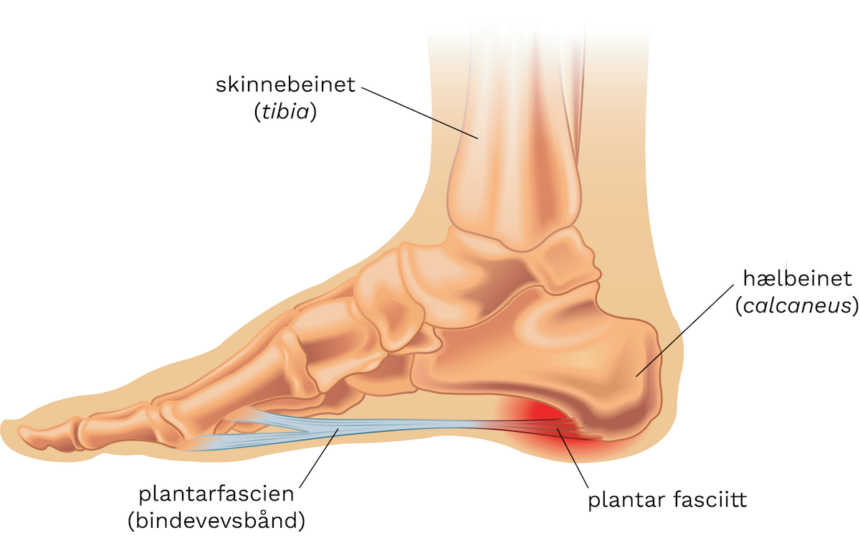
To truly appreciate the fotbladet, we need to look beneath the skin. The anatomy here is fascinating. The most prominent structure is the plantar fascia, a thick band of connective tissue that runs from the heel bone to the toes. This band supports the arch of the foot and acts like a bowstring, creating tension that helps maintain the foot’s shape. When you push off the ground, the plantar fascia tightens, turning the foot into a rigid lever for efficient movement.
Beneath the plantar fascia lie several layers of intrinsic muscles. These are small muscles that start and end within the foot itself. They are responsible for stabilizing the toes and supporting the arches. While they are small compared to the calf muscles, their role in the function of the fotbladet is massive. They make constant, tiny adjustments as you stand or walk to keep you balanced. Without strong intrinsic muscles, the burden falls entirely on the passive structures like ligaments, which can lead to injury.
The skin covering the fotbladet is also unique. It is much thicker than skin elsewhere on the body to withstand friction and pressure. Beneath the skin, there are fat pads, particularly under the heel and the ball of the foot. These pads act as natural cushions. As we age, these fat pads can thin out, leading to increased sensitivity and pain in the fotbladet. Understanding these layers helps us see why foot care is more than just trimming toenails; it’s about maintaining a complex biological machine.
The Role of the Plantar Fascia
The plantar fascia is arguably the most critical component of the fotbladet. It is a robust, web-like ligament that connects your heel to the front of your foot. It acts as a shock absorber and supports the arch of your foot, helping you walk. One of the most common orthopedic complaints relates to this specific tissue. When the plantar fascia is stressed, it causes inflammation, a condition known as plantar fasciitis.
This structure is designed to handle significant tension. Imagine a bow and arrow; the plantar fascia is the string. If the string is too tight or too loose, the bow doesn’t work correctly. Similarly, if your arches are too high or too flat, it places unusual stress on the fascia. This is why the health of the fotbladet is directly tied to the flexibility and strength of this connective tissue.
Keeping the plantar fascia healthy involves stretching and proper support. Tight calf muscles can pull on the heel bone, which in turn pulls on the plantar fascia. Therefore, maintaining the fotbladet often starts with stretching the calves. It is a connected system where tension in one area affects the whole.
Common Problems Affecting the Fotbladet
Because the fotbladet bears the weight of the entire body, it is susceptible to a variety of conditions. Pain in this area can be debilitating, affecting your ability to work, exercise, and enjoy life. One of the most frequent issues is, as mentioned, plantar fasciitis. This presents as stabbing pain near the heel, usually worst with the first steps in the morning. It happens when the tissue becomes irritated and inflamed from overuse or improper footwear.
Another common issue is Metatarsalgia. This is a condition where the ball of the foot becomes painful and inflamed. It often feels like you are walking on a pebble. This directly affects the front part of the fotbladet and is common in runners or people who wear high heels. The uneven distribution of weight puts excessive pressure on the metatarsal heads, leading to pain and sometimes callus formation.
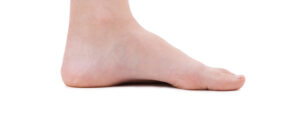
Flat feet (pes planus) is another condition involving the fotbladet. This occurs when the arches on the inside of your feet flatten, allowing the entire sole to touch the floor when you stand up. While flat feet are often painless, they can alter the alignment of your legs and lead to issues in the ankles and knees. Conversely, having very high arches can also cause problems, as it reduces the surface area of the foot that absorbs shock, placing too much stress on the heel and ball of the foot.
Identifying Symptoms Early
Recognizing the early signs of trouble in the fotbladet can prevent chronic issues. The first sign is usually a dull ache in the arch or heel after a long day of standing. This is your body’s way of saying the tissues are fatigued. If you ignore this and continue without rest or support, the ache can turn into sharp, persistent pain.
Swelling is another key symptom. If the bottom of your foot looks puffy or feels warm to the touch, there is likely inflammation present. You might also notice stiffness, particularly in the morning or after sitting for a long time. This stiffness indicates that the tissues in the fotbladet have tightened up while inactive and are struggling to stretch out again.
Changes in the skin can also be warning signs. Thick calluses developing on specific spots of the sole indicate areas of high friction or pressure. While calluses are natural protection, excessive buildup suggests that your gait or your shoes are not distributing weight evenly across the fotbladet. Paying attention to these subtle changes allows for early intervention.
The Impact of Footwear on Foot Health
The shoes you wear have a direct and profound impact on the health of your fotbladet. Shoes act as the interface between your foot and the ground. If that interface is flawed, your foot suffers. High heels are notorious offenders. They force the foot into an unnatural position, shifting a massive amount of weight onto the ball of the foot. This can shorten the calf muscles and strain the plantar fascia.
Conversely, shoes that are completely flat with no support, like generic flip-flops or ballet flats, can be just as damaging. They offer no arch support and zero shock absorption. This forces the fotbladet to flatten out excessively and absorb all the impact of walking on hard surfaces like concrete. The ideal shoe provides a balance: enough cushioning to absorb shock, a supportive arch to relieve strain on the fascia, and a wide toe box to let the toes splay naturally.
It is also important to replace shoes regularly. As the cushioning wears down, the shoe loses its ability to protect the fotbladet. Runners, in particular, need to be vigilant about tracking the mileage on their shoes. Even if the shoe looks fine on the outside, the internal support materials may have broken down, leaving the foot vulnerable to injury.
Choosing the Right Shoe
|
Shoe Feature |
Benefit for Fotbladet |
What to Look For |
|---|---|---|
|
Arch Support |
Reduces strain on the plantar fascia |
Contoured insoles that match your arch height |
|
Cushioning |
Absorbs shock from hard surfaces |
Foam or gel midsoles |
|
Wide Toe Box |
Allows toes to spread for stability |
Room to wiggle toes without restriction |
|
Heel Counter |
Stabilizes the heel bone |
A stiff back part of the shoe that doesn’t collapse |
|
Flexibility |
Allows natural foot movement |
Shoes that bend at the ball of the foot, not the middle |
When shopping for shoes, try them on at the end of the day when your feet are slightly swollen. This ensures you get a fit that will be comfortable all day long. Walk around the store and pay attention to how the fotbladet feels. Is there pressure on the arch? Does the heel slip? These small details matter.
Strengthening the Foot Blade
Most people go to the gym to train their arms, legs, or core, but very few specifically train their feet. Strengthening the muscles within the fotbladet can dramatically improve your stability and reduce the risk of injury. Strong intrinsic muscles help maintain the arch and absorb shock more effectively than passive insoles ever could.
One simple exercise is “toe curls” or “towel scrunches.” Sit on a chair with a towel flat on the floor in front of you. Use your toes to scrunch the towel toward you. This engages the muscles that run along the bottom of the foot. Another great exercise is “short foot,” where you try to pull the ball of your foot toward your heel without curling your toes, effectively raising your arch.
Walking barefoot on natural surfaces like sand or grass can also strengthen the fotbladet. The uneven texture forces the small muscles to work harder to maintain balance. However, if you are not used to barefoot walking, start slowly. Jumping straight into long barefoot walks on hard surfaces can cause stress injuries if the foot isn’t strong enough yet.
Simple Exercises for Foot Strength
- Toe Spreads: Sit down and try to spread your toes as wide as possible. Hold for 5 seconds and relax.
- Marble Pickup: Place marbles on the floor and pick them up with your toes, placing them in a cup.
- Heel Raises: Stand on the edge of a step and lower your heels down, then rise up onto your toes. This strengthens both the calf and the arch.
- Ball Roll: Roll a tennis ball or golf ball under your fotbladet for a self-massage that also stimulates the tissues.
Hygiene and Skin Care for the Sole
The skin of the fotbladet is tough, but it requires care. Because our feet spend most of the day trapped inside shoes and socks, they create a warm, moist environment that is perfect for bacteria and fungi. Athlete’s foot is a common fungal infection that causes itching, peeling, and redness. Keeping the feet clean and dry is the best defense against this.
Moisturizing is also important, but there is a catch. You should moisturize the sole to prevent cracking, especially around the heel. Deep cracks, or fissures, can be painful and even bleed, becoming entry points for infection. However, avoid putting lotion between the toes, as this can trap moisture and encourage fungal growth.
Regular inspection is a key part of hygiene. Check your fotbladet regularly for cuts, blisters, or changes in color. This is especially critical for people with diabetes, who may have reduced sensation in their feet (neuropathy). A small pebble in a shoe could cause a wound that goes unnoticed until it becomes a serious ulcer. Daily checks prevent these complications.
Dealing with Calluses and Corns
Calluses are areas of thickened skin that form in response to friction. While a thin layer of callus is protective, thick layers can become painful. If a callus on your fotbladet becomes uncomfortable, you can soak your feet in warm water to soften the skin and then gently use a pumice stone to remove the excess layers. Never try to cut a callus off with a sharp object, as this can lead to injury and infection.
Corns are similar but usually have a hard center and occur on the tops or sides of toes. However, seed corns can develop on the sole of the foot. These can feel like stepping on a needle. Treatment usually involves relieving the pressure that caused them, perhaps by changing shoes or using protective padding. If calluses or corns persist, seeing a podiatrist is the best course of action.
When to See a Doctor
While many foot issues can be managed at home, there are times when professional help is needed. If you have severe pain in your fotbladet that prevents you from walking, you should see a doctor immediately. This could indicate a stress fracture or a severe ligament tear.
Persistent pain that doesn’t improve after two weeks of home treatment (rest, ice, proper shoes) also warrants a visit. Chronic inflammation can lead to degeneration of the tissue, which is much harder to treat. Additionally, if you notice any signs of infection, such as redness spreading up the leg, fever, or pus, seek medical attention right away.
For those interested in general health and tech trends that might influence medical advancements, resources like https://siliconvalleytime.co.uk/ offer interesting insights into how technology is reshaping various industries, including healthcare. Modern podiatry is benefiting from 3D scanning and printing for custom orthotics, ensuring that support for the fotbladet is more precise than ever.
Lifestyle Changes for Better Foot Health
Your overall lifestyle plays a huge role in the health of your feet. Maintaining a healthy weight significantly reduces the load on your fotbladet. Every extra pound of body weight adds several pounds of pressure on your feet when you run or walk. Losing excess weight can alleviate chronic foot pain surprisingly quickly.
Nutrition also matters. Bones and tissues need nutrients to repair themselves. Calcium and Vitamin D are essential for bone health to prevent stress fractures. staying hydrated keeps the soft tissues pliable. Inflammation in the body, caused by a poor diet high in sugar and processed foods, can also exacerbate conditions like plantar fasciitis.
Finally, vary your activity. If you are a runner, mix in some cycling or swimming. These low-impact activities give your fotbladet a break from the constant pounding while still keeping you fit. Cross-training prevents overuse injuries and ensures that different muscle groups are strengthened, supporting better overall biomechanics.
The Importance of Rest
In our busy lives, we often forget the value of rest. Your feet work hard all day. Elevating your feet in the evening helps reduce swelling and improves circulation. Simply lying down with your feet propped up on a pillow for 15 minutes can make a big difference in how your fotbladet feels the next morning.
Recovery footwear is a growing trend. These are sandals or shoes specifically designed to be worn after sports. They offer maximal cushioning and arch support to help the foot recover from exertion. Wearing these around the house instead of going barefoot on hard tile or wood floors can provide much-needed relief to tired structures.
FAQ: Frequently Asked Questions
Q: What does “fotbladet” mean?
A: It is a Scandinavian term referring to the sole or the blade of the foot—the bottom part that contacts the ground.
Q: Why does the bottom of my foot hurt in the morning?
A: This is a classic symptom of plantar fasciitis. The plantar fascia tightens overnight, and the first steps in the morning stretch it suddenly, causing pain.
Q: Can I fix flat feet?
A: You cannot usually change the structure of your bones to create an arch if you don’t have one, but you can strengthen the muscles to improve function and use orthotics to support the fotbladet and prevent pain.
Q: Are custom insoles worth it?
A: For people with specific foot deformities or chronic pain, custom insoles can be very beneficial. However, for minor issues, over-the-counter inserts often work well.
Q: How do I know if my shoes are wearing out?
A: Check the bottom of the shoe. If the tread is worn smooth, or if the midsole shows creases and feels hard rather than squishy, it is time for a new pair.
Q: Is walking barefoot good for my feet?
A: It can be good for strengthening the muscles of the fotbladet, but it should be done on safe, natural surfaces. Walking barefoot on hard concrete for long periods can cause injury.
Conclusion
The fotbladet is the unsung hero of human movement. It bears our weight, adapts to the ground beneath us, and propels us through life. Yet, it is often only when we experience pain in the sole of our foot that we give it the attention it deserves. By understanding the anatomy of this area, recognizing the signs of common conditions, and making smart choices about footwear and lifestyle, we can ensure that our foundation remains strong.
From the intricate web of the plantar fascia to the importance of intrinsic muscles, every part of the sole plays a role. Taking a few minutes each day to stretch, strengthen, and care for your feet can prevent years of discomfort. Whether you are dealing with a specific injury or just want to stay active as you age, respect your fotbladet. It is the only contact point you have with the earth for most of your day. Treat it well, and it will carry you far.
For further reading on the general anatomy and structure of the foot, you can visit this link: https://en.wikipedia.org/wiki/Foot.



