








Have you ever come across the term perdana menteri and wondered what it means? While it might sound unfamiliar, it’s a title of great importance in several countries around the world. Simply put, “perdana menteri” is the Malay term for Prime Minister. This position is the head of government in nations that use a parliamentary system, similar to the roles we see in countries like the United Kingdom, Canada, and Australia. Understanding the functions, responsibilities, and significance of a perdana menteri offers a fascinating glimpse into different systems of global governance.
This article will explore the world of the perdana menteri, from their core duties to the political structures they operate within. We will look at how someone attains this high office, the powers they wield, and the challenges they face. Whether you’re a student of political science, a world traveler, or just curious about global leadership, this guide will provide a clear and comprehensive overview.
Key Takeaways
- Perdana Menteri is the Malay term for Prime Minister, the head of government in a parliamentary system.
- The role involves leading the executive branch, overseeing the cabinet, and representing the nation internationally.
- A perdana menteri is typically the leader of the political party with the majority of seats in parliament.
- The powers of a perdana menteri can be extensive but are balanced by the legislative branch and the head of state.
- Countries like Malaysia, which have this role, offer a unique perspective on democratic governance and leadership.
What Exactly is a Perdana Menteri?
At its core, the title perdana menteri translates directly to “prime minister.” This individual serves as the chief executive in a parliamentary democracy. Unlike a presidential system, where the head of state and head of government are often the same person (like the U.S. President), a parliamentary system separates these roles. The perdana menteri leads the government and its day-to-day operations, while a monarch or a president often serves as the ceremonial head of state with more limited, symbolic powers.
The perdana menteri is not directly elected by the public. Instead, citizens vote for members of parliament (MPs) to represent their local constituencies. The political party that wins the most seats in the parliamentary election typically forms the government. The leader of that majority party is then appointed as the perdana menteri by the head of state. This system ensures that the head of government has the support, or “confidence,” of the legislature, which is essential for passing laws and running the country effectively. This structure is central to the political identity of nations where the term perdana menteri is used.
The Origins of the Term
The term “perdana menteri” has deep roots in the Malay language, reflecting a rich history of governance in Southeast Asia. The word “perdana” is derived from Sanskrit and means “prime” or “first,” while “menteri” also comes from Sanskrit (“mantrin”), meaning “minister” or “counselor.” Together, they signify the “chief minister.” The use of this title is most prominent in Malaysia and is a key part of the nation’s political vocabulary. It underscores the cultural and historical influences that have shaped the region’s governmental structures. The continued use of this traditional title alongside modern democratic practices highlights a blend of heritage and contemporary governance.
The Path to Becoming a Perdana Menteri
The journey to becoming a perdana menteri is a long and challenging one, deeply rooted in the political process of a parliamentary system. It is not a position one can simply apply for; it requires years of dedication, political skill, and public service. The process is less about a single, direct election and more about a gradual rise through the ranks of a political party and the legislature.
First, an individual must become a member of a political party. They often start their careers in local politics or as activists, building a reputation and a network of support. The next crucial step is to be elected as a Member of Parliament (MP). This means winning an election in a specific geographic district, or constituency, to represent its people in the national legislature.
Once in parliament, an aspiring perdana menteri must demonstrate leadership and competence, often serving in various roles, including as a cabinet minister, to gain experience in governing. Ultimately, the goal is to become the leader of their political party. The leader who can guide their party to an election victory and secure a majority in parliament is the one who will be invited to become the perdana menteri.
Securing the Confidence of the House
A foundational principle of the parliamentary system is the concept of “confidence.” The perdana menteri and their cabinet must maintain the confidence of the lower house of parliament (the house of representatives). This means that a majority of the elected members must support the government’s leadership and policies. If the government loses this confidence, typically through a “vote of no confidence,” it must resign. This can trigger a new general election or lead to the head of state appointing a new perdana menteri who can command a majority. This constitutional check ensures that the government remains accountable to the elected representatives of the people at all times.
Core Responsibilities and Powers
The role of a perdana menteri is multifaceted, combining executive authority with legislative leadership. They are the central figure in the government, responsible for setting the national agenda, guiding policy, and ensuring the smooth functioning of the state. Their powers are significant, but they are also balanced by other branches of government.
One of the primary responsibilities of a perdana menteri is to lead the executive branch. This involves appointing and overseeing the cabinet, which consists of ministers responsible for different government departments (e.g., finance, health, education, defense). The perdana menteri chairs cabinet meetings, where major policy decisions are made and debated. They are ultimately responsible for the actions and performance of their entire government. This leadership role requires strong organizational skills, the ability to build consensus, and a clear vision for the country’s future.
Head of Government vs. Head of State
It is crucial to distinguish between the head of government and the head of state.
|
Role |
Head of Government (Perdana Menteri) |
Head of State (Monarch/President) |
|---|---|---|
|
Primary Function |
Manages the day-to-day administration of the country. |
Acts as the ceremonial leader and symbol of the nation. |
|
Selection |
Leader of the majority party in parliament. |
Can be a hereditary monarch or an elected president. |
|
Key Powers |
Appoints cabinet, sets policy, commands the executive. |
Appoints the PM, dissolves parliament, gives royal assent to bills. |
|
Political Stance |
Inherently political and partisan. |
Expected to be politically neutral. |
This separation of powers ensures a system of checks and balances. While the perdana menteri holds effective political power, the head of state provides continuity and acts as a constitutional safeguard.
Legislative Leader
In addition to executive duties, the perdana menteri is also a key legislative leader. As a Member of Parliament, they participate in debates and vote on laws. More importantly, they guide the government’s legislative agenda, deciding which bills will be introduced and prioritized. The success of a perdana menteri often depends on their ability to navigate the legislative process and secure the passage of their proposed laws. This requires negotiation, compromise, and strong party discipline to ensure that MPs from the ruling party vote in line with the government’s position.
Commander-in-Chief? Not Exactly
In many parliamentary systems, the formal title of Commander-in-Chief of the armed forces rests with the head of state. However, in practice, the perdana menteri and their cabinet (specifically the Minister of Defense) hold the effective authority over military and defense policy. They make the critical decisions regarding national security, military deployments, and defense strategy. The head of state’s role is typically to formalize these decisions. This arrangement ensures that military power remains under the control of the democratically elected government, accountable to the people through parliament.
The Cabinet and Its Function
The cabinet is the central decision-making body of the government, and it is led by the perdana menteri. It is composed of senior ministers who are each responsible for a specific government portfolio or department. These portfolios cover all areas of national governance, including finance, foreign affairs, home affairs, health, education, and trade. The perdana menteri has the sole prerogative to appoint and dismiss cabinet ministers, allowing them to shape a team that aligns with their political vision and policy goals.
Cabinet meetings are where the most important issues facing the country are discussed and where collective government policy is formulated. During these meetings, ministers present proposals from their respective departments, debate pressing matters, and make decisions that will affect the entire nation. The principle of collective cabinet responsibility is a cornerstone of this system. This means that once a decision is made in cabinet, all ministers are expected to support it publicly, regardless of their personal views or any disagreements they may have had during the debate. If a minister cannot support a cabinet decision, they are expected to resign. This principle ensures that the government presents a united and stable front.
How Ministers Are Chosen
The selection of cabinet ministers is a delicate balancing act for any perdana menteri. Several factors come into play:
- Political Loyalty: A perdana menteri will often appoint close allies and loyal supporters to key positions to ensure a cohesive and supportive team.
- Experience and Expertise: Appointing individuals with relevant knowledge and experience in a particular field (e.g., an economist as Finance Minister) can lead to more effective governance.
- Party Dynamics: The cabinet must often reflect the different factions and interests within the ruling party to maintain party unity.
- Regional Representation: In diverse nations, it is often important to ensure that the cabinet includes members from different regions to give all parts of the country a voice in government.
This complex process of cabinet formation is one of the first and most important tests of a new perdana menteri’s leadership.
Challenges and Criticisms of the Role
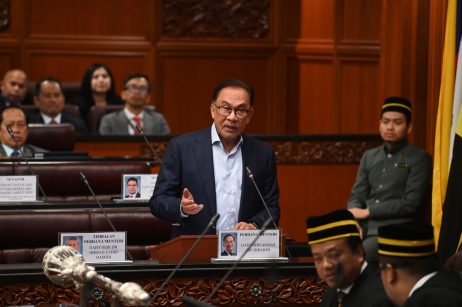
Despite the significant power and prestige associated with the position, being a perdana menteri is fraught with challenges. The pressures are immense, coming from the opposition, the public, the media, and even within their own party. A perdana menteri must constantly navigate a complex political landscape while being held accountable for the country’s well-being. Keeping up with trends and analyses, such as those found on sites like https://siliconvalleytime.co.uk/, is just one part of staying ahead.
One of the biggest challenges is maintaining party unity and the confidence of the legislature. Any major policy failure, scandal, or economic downturn can weaken a perdana menteri’s position. Opposition parties are always ready to challenge the government and can initiate a vote of no confidence. Furthermore, internal rivalries within the ruling party can lead to leadership challenges, where ambitious colleagues may seek to replace the incumbent perdana menteri. This constant political pressure requires resilience, strategic thinking, and exceptional negotiation skills.
Public and Media Scrutiny
In the modern era, a perdana menteri lives under a microscope. Every decision, statement, and public appearance is scrutinized by the media and the public. The 24/7 news cycle and the rise of social media have intensified this pressure, creating an environment where a minor misstep can quickly escalate into a major political crisis. Managing public perception and communicating effectively are therefore critical skills for any successful perdana menteri. They must be able to justify their policies to the public, handle tough questions from journalists, and maintain a level of public trust, which can be difficult in a polarized political climate.
Conclusion: A Linchpin of Parliamentary Democracy
The role of the perdana menteri is a dynamic and demanding one, serving as the linchpin of governance in a parliamentary system. As the head of government, they are responsible for leading the nation, setting its policy direction, and navigating the complexities of both domestic and international affairs. From rising through the political ranks to appointing a cabinet and guiding legislation, the journey and responsibilities of a perdana menteri are extensive. They are not an all-powerful ruler but a leader who must constantly maintain the support of their party, the legislature, and the public to remain in power.
Understanding this position provides valuable insight into a system of government shared by many nations around the globe. It highlights a model of democracy built on accountability to the legislature, where power is concentrated in the hands of a leader who can command a majority but can also be removed if they lose that support. As you can read in more detail on Wikipedia, the office of the Prime Minister, or perdana menteri, is a fascinating blend of power, responsibility, and political vulnerability that continues to evolve in the modern world.
Frequently Asked Questions (FAQ)
1. Is a perdana menteri the same as a president?
No. A perdana menteri is the head of government in a parliamentary system, while a president can be either a head of government (in a presidential system like the U.S.) or a ceremonial head of state (in a parliamentary system). The roles and powers are distinct.
2. How is a perdana menteri chosen?
A perdana menteri is not directly elected by the people. They are typically the leader of the political party that wins the most seats in a parliamentary election. The head of state then formally appoints this leader to form a government.
3. What happens if a perdana menteri loses support?
If a perdana menteri loses the “confidence” of the majority in parliament, usually through a formal “vote of no confidence,” they and their government must resign. This can lead to the appointment of a new perdana menteri or a new general election.
4. What countries use the title perdana menteri?
The title perdana menteri is the official term for the Prime Minister in Malaysia. While other countries have prime ministers, they use different terms in their respective languages (e.g., Premierminister in German, Premier ministre in French).
5. Can a perdana menteri be removed from office?
Yes. Besides losing a vote of confidence, a perdana menteri can be removed if they lose the leadership of their own party. The party can choose a new leader, who would then be expected to become the new perdana menteri, provided they can command a majority in parliament.



