





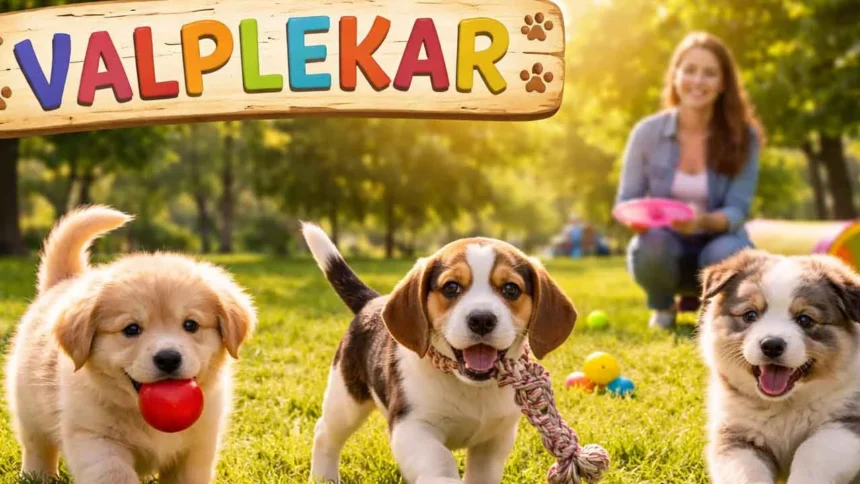

Welcome to the wonderful world of puppies! Bringing a new, furry friend into your home is an incredibly exciting time. One of the most important and enjoyable aspects of raising a happy, healthy dog is understanding the concept of valplekar, or puppy play. This comprehensive guide will walk you through everything you need to know about engaging your puppy in safe, productive, and fun play sessions. From choosing the right toys to understanding your puppy’s body language, we’ll cover all the bases. Proper play is not just about having fun; it’s a critical component of your puppy’s development, teaching them social skills, bite inhibition, and how to interact with the world around them. Let’s dive into the joyful and essential practice of valplekar.
Key Takeaways
- Valplekar is Essential: Puppy play is crucial for a puppy’s physical, mental, and social development. It helps them learn social cues, bite inhibition, and builds a strong bond with you.
- Safety First: Always supervise playtime. Choose puppy-safe toys that are appropriately sized and free of small, swallowable parts. Puppy-proof your play area to remove hazards.
- Understand Play Styles: Different breeds and individual puppies have unique play styles. Observing your puppy will help you tailor valplekar sessions to their preferences, whether they enjoy chasing, tugging, or puzzle-solving.
- Teach Bite Inhibition: Use play to teach your puppy how to control the pressure of their mouth. When they bite too hard, yelp and briefly withdraw from play to signal that it was unacceptable.
- Structure is Key: A mix of structured games and independent play is ideal. Structured games like fetch and hide-and-seek strengthen your bond, while solo play with puzzle toys builds confidence.
- Know When to Stop: Keep play sessions short, especially for young puppies. End on a positive note before your puppy becomes overstimulated or exhausted.
What Exactly is Valplekar? Unpacking the Concept
The term valplekar comes from Swedish, where “valp” means puppy and “lekar” means plays or games. At its core, valplekar is the art and science of playing with your puppy. It goes far beyond simply tossing a ball. It encompasses a holistic approach to a puppy’s playtime, recognizing it as a fundamental pillar of their early development. This concept involves understanding the why behind play, not just the how. It’s about engaging your puppy in activities that stimulate their mind, strengthen their body, and nurture their social skills. Effective valplekar helps a puppy learn crucial life lessons in a positive and enjoyable context. For instance, it’s during these playful interactions that puppies learn bite inhibition, understanding how much pressure is too much when mouthing their littermates or human companions. This is a skill that is invaluable for their entire life, ensuring they are a safe and gentle companion. Furthermore, valplekar is a primary tool for building a deep, lasting bond between you and your new pet. These shared moments of joy and engagement create a foundation of trust and communication that will define your relationship for years to come.
The Developmental Importance of Puppy Play
Play is not just a way for your puppy to burn off excess energy; it is a critical job for them. The activities involved in valplekar are directly linked to every facet of a puppy’s growth. Physically, play helps develop their coordination, motor skills, and cardiovascular health. Running, jumping, and tumbling all contribute to building strong muscles and bones. Mentally, play is a puppy’s first introduction to problem-solving. Puzzle toys, for example, challenge them to think and work for a reward, which can build confidence and prevent boredom-related destructive behaviors. Socially, valplekar is paramount. When puppies play with their littermates, they learn to read social cues, understand canine body language, and practice communication. When they transition to their human family, you take on the role of their primary playmate. Through gentle and structured play, you teach them the rules of interacting with people. This includes learning what is and isn’t appropriate, such as not jumping on people or nipping at hands and feet. A puppy that has been well-socialized through positive play experiences is more likely to grow into a well-adjusted, confident, and friendly adult dog. Neglecting this crucial aspect of their upbringing can lead to behavioral issues down the road.
Cognitive Benefits of Engaging in Valplekar
The cognitive stimulation provided by valplekar is essential for a developing puppy’s brain. Just like human children, puppies learn about their world through exploration and interaction. Play provides a safe and structured way for them to do this. When you engage your puppy in a game of hide-and-seek with a favorite toy, you are not just having fun; you are encouraging them to use their senses, particularly their powerful sense of smell, to solve a problem. This kind of mental exercise helps form new neural pathways in the brain. Interactive puzzle toys, which require a puppy to slide, lift, or manipulate parts to get a treat, are another excellent tool for cognitive development. These toys teach persistence and can help a puppy learn to focus on a task. Training games, where you teach simple commands like “sit” or “stay” in a playful manner, also fall under the umbrella of cognitive valplekar. By keeping learning fun and rewarding, you foster a love for training and a puppy that is eager to please. This early mental engagement sets the stage for a dog that is easier to train and more adaptable to new situations throughout its life.
Socialization Skills Honed Through Play
Puppy play is the primary classroom for socialization. Before 8 weeks of age, a puppy’s most important playmates are its mother and littermates. During this time, they learn the basics of canine etiquette. They learn to interpret yelps and growls, understanding when play has become too rough. They practice postures of submission and dominance, and they learn how to initiate and end play sessions. This early education is irreplaceable. Once you bring your puppy home, you become their new teacher. Through interactive valplekar, you continue this vital socialization process. You teach them how to interact politely with humans. This is where teaching bite inhibition is so important. When a puppy nips you too hard during play, a sharp “ouch!” and a brief withdrawal of attention mimics the feedback they would have received from a littermate. This teaches them to be gentle with human skin. Properly managed valplekar also helps your puppy build confidence. Positive play experiences with various people and, once vaccinated, with other friendly dogs, help prevent fear and anxiety from developing. A well-socialized puppy grows into an adult dog that is comfortable and well-behaved in a variety of social settings.
Setting Up a Safe Environment for Valplekar
Before the fun can begin, it’s crucial to ensure the play area is safe for your curious and often clumsy puppy. A safe environment is the foundation of successful valplekar. Start by puppy-proofing the designated play space, whether it’s a room in your house or a section of your yard. This means getting down on your hands and knees to see the world from their perspective. Look for potential hazards like exposed electrical cords, which should be covered or secured out of reach. Remove any small objects that could be swallowed, such as coins, buttons, or children’s toys. Be mindful of toxic household plants; many common varieties can be poisonous to dogs if ingested. Secure low-hanging tablecloths or curtains that a puppy might pull down. If you’re playing outside, ensure the yard is securely fenced and check for any toxic plants, pesticides, or sharp objects. The surface you play on is also important. Hard, slippery floors like tile or hardwood can be difficult for a puppy to get traction on and may lead to slips and falls. Playing on a rug or carpet is often a safer choice indoors. A soft, grassy area is ideal for outdoor play.
Choosing the Right Toys for Productive Play
The world of dog toys is vast, but not all toys are created equal, especially for puppies. Selecting the right toys is a key component of effective valplekar. The best toys are those that are safe, durable, and appropriate for your puppy’s size, age, and chewing style. First and foremost, prioritize safety. Toys should be made from non-toxic, puppy-safe materials. Avoid toys with small, glued-on parts like eyes or buttons, as these can easily be chewed off and swallowed, posing a choking hazard. The toy should also be the right size for your puppy. A toy that is too small can be swallowed whole, while one that is too large can be frustrating and difficult for a small puppy to play with.
Here are some great types of toys to consider for your valplekar sessions:
- Chew Toys: Puppies have an innate need to chew, especially while they are teething. High-quality chew toys made from durable rubber or nylon, like those from Kong or Nylabone, can satisfy this urge and save your furniture. These can often be filled with treats to make them even more enticing.
- Puzzle Toys: As mentioned earlier, puzzle toys are fantastic for mental stimulation. They challenge your puppy to think and work for their food or treats, which can help prevent boredom and build confidence.
- Tug Toys: Tug-of-war can be a great bonding game when played with rules. Choose a sturdy rope or rubber tug toy. Always teach your puppy a “drop it” command and ensure the game stays controlled and doesn’t escalate into aggression. You should be the one to initiate and end the game.
- Fetch Toys: Soft balls, rubber frisbees designed for dogs, and other fetch toys are perfect for burning off energy. Ensure the ball is large enough that it cannot be accidentally swallowed.
Always supervise your puppy with new toys to ensure they are interacting with them safely. Regularly inspect their toys for signs of wear and tear, and discard any that are broken or have pieces falling off.
Understanding Different Puppy Play Styles
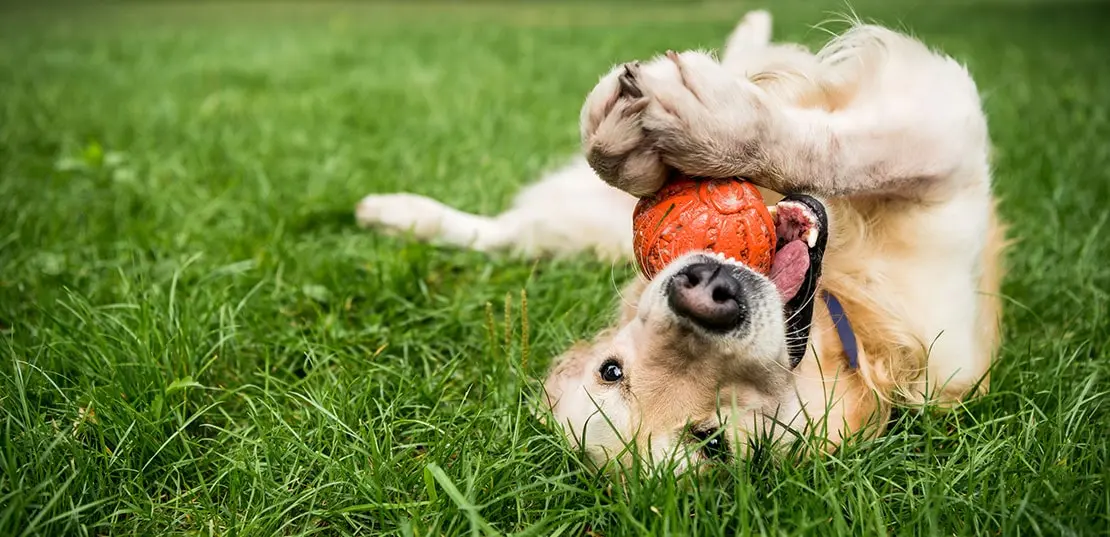
Just like people, puppies have their own unique personalities and preferences when it comes to play. Recognizing and accommodating your puppy’s individual play style is essential for enjoyable and effective valplekar. Some puppies are rough-and-tumble wrestlers, while others are graceful sprinters. Observing your puppy during their first few weeks with you will provide valuable clues. Some common play styles include the “chaser,” who loves a good game of fetch or pursuit; the “tugger,” who enjoys a controlled game of tug-of-war; the “wrestler,” who loves to roll around with other dogs or even with you on the floor; and the “thinker,” who prefers the challenge of a puzzle toy over vigorous physical activity. Many puppies will exhibit a combination of these styles. Breed can also play a role. For example, herding breeds like Border Collies often love to chase and “herd” toys (or even people), while retrievers like Labradors are often naturally inclined to fetch. Knowing your puppy’s breed tendencies can give you a starting point, but remember that every dog is an individual. Tailoring your valplekar sessions to your puppy’s preferences will make playtime much more engaging and rewarding for them.
Adapting Valplekar to Your Puppy’s Breed
A puppy’s breed heritage often provides a blueprint for its natural instincts and energy levels, which directly influences its preferred style of valplekar. Understanding these genetic predispositions can help you create a more fulfilling play routine. For instance, Retrievers (like Labradors and Goldens) were bred to fetch game, so it’s no surprise they often have an innate love for a good game of fetch. Using balls and floating toys can tap into this instinct. Herding breeds, such as Australian Shepherds and Border Collies, have a strong drive to chase and control movement. They might enjoy games that involve herding a large ball around the yard or playing with a flirt pole. Scent hounds, like Beagles, are driven by their nose. Engaging them in scent work games, where you hide treats or toys around the house or yard for them to find, can be incredibly stimulating valplekar for them. Terriers were often bred to hunt vermin, which can translate into a love for shaking and “killing” squeaky toys. While you should always manage this to prevent aggression, it’s a natural outlet for them. By aligning your play activities with these ingrained behaviors, you provide a productive outlet for their instincts, leading to a happier and more well-behaved companion.
Reading Your Puppy’s Body Language During Play
Effective and safe valplekar requires you to become fluent in canine body language. Puppies communicate their intentions, excitement, and discomfort through a series of physical cues. Learning to read these signals will help you know when play is going well and when it’s time to intervene or take a break. Happy, playful body language is often loose and bouncy. Look for the classic “play bow,” where a puppy puts its front end down and its rear end in the air. This is a clear invitation to play. A loosely wagging tail, relaxed ears, and a soft, open mouth (sometimes described as a “smile”) are also positive signs. Play growling and barking are normal parts of valplekar, but they should sound different from serious, aggressive vocalizations. Play growls are typically higher-pitched and accompanied by loose body language. However, you need to watch for signs of over-arousal or fear. A stiff body, a tucked tail, ears pinned back, and showing the whites of the eyes (whale eye) are all signs that your puppy is uncomfortable. If you see these signals, it’s time to stop the game and give your puppy some space.
Structuring Play Sessions: The Key to Success
While free-for-all playtime has its place, structured valplekar sessions are vital for teaching your puppy boundaries and strengthening your bond. The goal is to have a balance between structured games, independent play, and rest. A good structure involves having a clear beginning and end to the play session. You should be the one to initiate play, not your puppy demanding it by barking or nipping. This establishes your role as the leader. Keep play sessions short, especially for very young puppies whose attention spans are limited. Five to ten minutes of focused play a few times a day is often more beneficial than one long, exhausting session. It’s always best to end the game on a positive note, while your puppy is still engaged and having fun, rather than waiting until they are overstimulated or exhausted. Teaching a “that’s all” or “all done” cue can be a great way to signal that the game is over. Follow up with a calm activity, like a short chew session on a favorite toy, to help your puppy learn to settle down after excitement. This structure helps prevent over-arousal and teaches your puppy a valuable “off-switch.”
Here’s a sample play session structure:
- Initiation (1 minute): You invite your puppy to play with a specific toy.
- Structured Game (5-7 minutes): Engage in a game with rules, like fetch (with a “drop it” cue) or a training game.
- Wind-Down (2-3 minutes): End the game with your cue (“all done”), and offer a chew toy for your puppy to enjoy calmly.
- Rest: Encourage a nap or quiet time in their crate or bed.
The Art of Teaching Bite Inhibition Through Play
One of the most critical lessons your puppy will ever learn is bite inhibition, which is the ability to control the pressure of their mouth. The safest and most effective classroom for this lesson is during valplekar. Puppies naturally explore the world with their mouths, and they need to be taught that human skin is sensitive. When your puppy is playing with you and their teeth make contact with your skin, even if it doesn’t hurt, it’s a teaching moment. The moment you feel their teeth, let out a high-pitched “ouch!” or a yelp. This mimics the sound a littermate would make if bitten too hard. Immediately withdraw your hand and pause all play for about 10-20 seconds. This combination of the startling sound and the removal of the fun thing (your attention) sends a clear message: “When you bite me, the game stops.” After the brief pause, you can re-engage in play. If the puppy mouths you gently this time, praise them. If they bite hard again, repeat the process. Consistency is key. Every member of the household should use this same method. This process, repeated consistently during valplekar, teaches your puppy that mouths are for toys, and skin is for gentle licks.
Fun and Engaging Valplekar Game Ideas
Keeping your valplekar sessions fresh and exciting is easy with a little creativity. Mixing up the games you play will keep your puppy mentally stimulated and eager to engage. Remember to keep the focus on fun and positive reinforcement. One classic game is a modified version of hide-and-seek. Start by having your puppy sit and stay (or have someone hold them). Show them a favorite toy, then go “hide” it in an obvious spot nearby. Release them with an enthusiastic “find it!” command. As they get better, you can make the hiding spots more challenging. This game is fantastic for their nose and their problem-solving skills. Another great option is the “which hand?” game. Place a small, high-value treat in one hand, close both fists, and present them to your puppy. Let them sniff and choose. When they paw or nudge the correct hand, open it and give them the treat with praise. This is a simple but powerful scent-work game. You can also set up a mini-obstacle course in your living room or yard using pillows to jump over, blankets to crawl under, and boxes to weave around. Lure them through the course with a toy or treat. This builds confidence and coordination.
|
Game Name |
Primary Skill Developed |
Equipment Needed |
|---|---|---|
|
Puppy Fetch |
Impulse control, recall |
Soft ball or toy |
|
Tug-of-War |
Bite inhibition, impulse control |
Sturdy tug toy |
|
Hide-and-Seek |
Scent work, problem-solving |
Favorite toy or treats |
|
Puzzle Time |
Cognitive skills, focus |
Interactive puzzle toy |
|
DIY Agility |
Coordination, confidence |
Pillows, boxes, blankets |
|
“Find It” |
Scent work, focus |
High-value treats |
The Role of Valplekar in Preventing Behavior Problems
Proactive and positive valplekar is one of the most effective tools you have for preventing common puppy behavior problems. Many undesirable behaviors, such as destructive chewing, excessive barking, and jumping on people, stem from boredom, excess energy, or a lack of understanding of the rules. A puppy with a healthy outlet for its physical and mental energy is far less likely to chew on your shoes or shred the sofa cushions. By providing appropriate chew toys and engaging in regular play sessions, you direct their natural urges toward acceptable outlets. Play also helps address demand-based behaviors. If a puppy learns that nipping at your ankles or barking at you gets them attention or initiates a game, they will continue to do it. By structuring your valplekar and initiating sessions on your own terms, you teach your puppy that polite behavior is what gets rewarded. Furthermore, the communication and bond built during play help you better understand your puppy’s needs. This strong relationship makes all aspects of training easier and helps you address potential issues before they escalate into serious problems. A well-played-with puppy is a happy, tired, and well-behaved puppy.
When Play Goes Wrong: Identifying and Managing Over-Arousal
While play is wonderful, it’s possible to have too much of a good thing. Over-arousal, or over-stimulation, happens when a puppy’s excitement level boils over, and they lose the ability to control their behavior. An over-aroused puppy is no longer “thinking” and is instead reacting on pure adrenaline. This state can sometimes be mistaken for aggression. Signs of over-arousal during valplekar include frantic, repetitive motions (like “the zoomies”), a glazed-over look in their eyes, and biting that becomes harder and more frequent, with little regard for your yelps of pain. They may start grabbing at your clothes or jumping and biting at your arms and legs. When you see these signs, it’s crucial to end the play session immediately. Don’t try to correct the puppy, as they are not in a state to learn. The best course of action is to calmly remove yourself from the situation, perhaps by stepping over a baby gate into another room for a minute or two. This “time-out” gives the puppy a chance to calm down. Often, over-arousal is a sign that the puppy is actually overtired. Like a toddler who missed their nap, an exhausted puppy often becomes hyperactive. This is a cue that your puppy needs a quiet rest in their crate or bed.
The “Zoomies”: What They Are and How to Handle Them
The “zoomies,” technically known as Frenetic Random Activity Periods (FRAPs), are a common and usually normal part of valplekar. This is when your puppy suddenly tucks its tail and tears around the house or yard at top speed, often with a wild look in its eye. It’s a way for them to release pent-up energy or excitement. Zoomies often occur after a bath, during a play session, or first thing in the morning. While they can be amusing, it’s important to manage them to ensure your puppy’s safety. The key is to make sure the environment is safe. A puppy zooming on a slippery floor could easily slip and injure itself. If possible, direct the zoomies to a carpeted area or a safe, fenced-in yard. Don’t try to chase your puppy during the zoomies, as this can add to their frenzy and may even teach them that running away from you is a fun game, which can be dangerous. Instead, let them run it out. The episode is usually short-lived. If zoomies happen frequently, it might be a sign that your puppy needs more regular exercise or more engaging valplekar to burn off energy in a more structured way.
Differentiating Play Growling from Aggression
It can be alarming for new puppy owners to hear their adorable fluffball let out a growl during a game of tug. However, it’s important to learn the difference between a play growl and a serious, aggressive growl. Context and body language are everything. Play growling during valplekar is a normal part of canine communication. It’s usually a lower, more guttural “rrrrufff” sound, and it’s accompanied by loose, wiggly body language. The puppy might be in a play bow, their tail wagging, and they will likely be easily disengaged from the toy if you ask them to “drop it.” This type of growl is just an expression of excitement and engagement in the game. In contrast, an aggressive growl is a warning. It is typically a deeper, more rumbling sound that comes from the chest. It will be accompanied by stiff body language. The puppy might freeze, stare intently, curl its lip to show its teeth, and the hair on its back (hackles) might be raised. This is a clear signal to back off. If you ever hear this type of growl during play, the game must stop immediately. It’s often a sign of resource guarding and may require the help of a professional trainer.
Independent Play: Fostering Confidence and Self-Sufficiency
While interactive valplekar is crucial for bonding, it’s equally important for a puppy to learn how to play by themselves. Fostering independent play helps build a puppy’s confidence and teaches them that they don’t need constant human attention to be happy. This is a critical skill for preventing separation anxiety down the road. The best way to encourage solo play is by providing your puppy with engaging toys that are safe to play with unsupervised (once you’ve tested them). Food-dispensing toys and puzzle toys are perfect for this. A classic Kong toy stuffed with frozen peanut butter or yogurt can keep a puppy happily occupied for a significant amount of time. Introduce these toys when you need your puppy to settle down, such as when you are working or cooking. Initially, you may need to stay in the room to praise them for interacting with the toy on their own. As they become more comfortable, you can start leaving the room for short periods. This teaches them that being alone is not scary, but is actually a time when they get their most special, high-value toys. This positive association is the foundation of a well-adjusted, self-sufficient dog.
Valplekar for Multi-Dog Households
Introducing a new puppy into a home with an existing adult dog requires careful management of their play interactions. While your adult dog can be a great teacher and playmate, you must supervise all their valplekar sessions to ensure they are safe and positive for both dogs. The first introductions should be in a neutral territory, like a park, on-leash. Once they are comfortable, you can allow off-leash play in a securely fenced area. It’s vital that the puppy has an “escape route” or a safe space, like a crate or a sectioned-off area that the adult dog cannot access. This allows the puppy to retreat if they feel overwhelmed. Watch the adult dog’s body language closely. A tolerant adult dog will often correct a puppy with a quick growl or snarl if the puppy is being too pushy, which is normal and educational. However, you must intervene if the adult dog’s corrections seem too harsh or if the puppy is clearly terrified. Also, be sure to manage toys to prevent resource guarding. It’s often best to remove all toys initially and only allow play with them when you can actively supervise. Remember to continue having one-on-one valplekar with both your puppy and your adult dog to maintain your individual bonds with them.
Frequently Asked Questions (FAQ)
Q1: How long should I play with my puppy each day?
A: A good rule of thumb is five minutes of structured play per month of age, a couple of times a day. So, a three-month-old puppy could have two or three 15-minute play sessions. It’s better to have multiple short, fun sessions than one long, exhausting one.
Q2: My puppy gets the “zoomies” every night. Is this normal?
A: Yes, this is very normal! These Frenetic Random Activity Periods (FRAPs) are a way for your puppy to release pent-up energy. Ensure they have a safe space to do it (like a carpeted room) and consider if they need a bit more structured exercise or mental stimulation during the day.
Q3: My puppy bites my hands and feet all the time. How do I stop it?
A: This is a classic puppy behavior. The key is to teach bite inhibition through valplekar. When they bite you, yelp “ouch!” and immediately withdraw your attention for 10-20 seconds. Then, redirect their mouth onto an appropriate chew toy. Consistency from everyone in the house is crucial.
Q4: What are the best toys for a new puppy?
A: A good starter kit includes durable rubber chew toys (like a Kong), a few soft toys for cuddling and light fetching, a rope toy for supervised tug, and an interactive puzzle toy to stimulate their brain. Always choose toys that are size-appropriate and made from non-toxic materials.
Q5: Can I play tug-of-war with my puppy? I heard it causes aggression.
A: When played with rules, tug-of-war is a fantastic game for bonding and exercise. The myth that it causes aggression is outdated. The rules are simple: you initiate and end the game, and your puppy must know and respond to a “drop it” command. If the play ever feels too intense or your puppy gets possessive, end the game.
Conclusion
Embracing the concept of valplekar is one of the greatest gifts you can give your new puppy and yourself. It transforms simple playtime into a powerful tool for development, training, and bonding. By understanding your puppy’s needs, providing a safe environment, and engaging in a variety of structured and fun games, you are laying the groundwork for a lifetime of happiness with a well-behaved, confident, and joyful companion. Remember to be patient, be consistent, and most importantly, have fun. The laughter and joy shared during these precious puppy months build a foundation of trust and love that will last forever. For more insights on innovation and growth in various fields, you can explore resources like those found at https://siliconvalleytime.co.uk/. The effort you put into positive valplekar today will pay dividends for years to come, shaping your little furball into the amazing adult dog they are destined to be. As you continue your journey, remember that play is a fundamental aspect of a dog’s life, a concept explored even in broader studies of animal behavior and ethology, which you can learn more about through resources like Wikipedia’s page on animal cognition.



