






Imagine driving down a winding road in the middle of a snowy winter night. Suddenly, a massive shape appears in your headlights—a moose. You brake hard, but a collision is unavoidable. Your heart is racing, your car is damaged, and the animal has run off into the dark woods, likely injured. Who do you call?
In many places, you might just call the police or animal control. But in Norway, this situation triggers a specialized response from a unique group known as the viltnemnda.
While the name might sound difficult to pronounce for non-Norwegians, the viltnemnda is a cornerstone of wildlife management in Scandinavia. They are the local heroes who balance the needs of nature with the safety of the community. Whether you are a hunter, a nature enthusiast, or just someone curious about how different countries manage their wild animals, understanding the role of the viltnemnda offers a fascinating look into a system that works efficiently and locally.
In this extensive guide, we will explore exactly what this organization is, why it matters, and the crucial work they do every single day.
Key Takeaways
Before we dive deep into the details, here are the main points you need to know about the topic:
- Definition: The viltnemnda is a municipal wildlife committee in Norway responsible for managing local game and wildlife issues.
- Primary Duty: Their most urgent task is often “Fallvilt”—dealing with animals injured in traffic collisions or found sick.
- Authority: They have the legal authority to make decisions regarding hunting quotas and the euthanizing of suffering animals.
- Structure: These committees are locally appointed, meaning the members know the specific terrain and animal populations of their area.
- Cooperation: They work closely with the police, road authorities, and local hunters to ensure public safety and animal welfare.
What Exactly Is the Viltnemnda?
To understand the viltnemnda, we first need to break down the word. In Norwegian, “vilt” translates to “game” or “wildlife,” and “nemnda” translates to “board” or “committee.” So, quite literally, it is a Wildlife Committee.
However, calling them just a committee makes them sound like people sitting in an office pushing paper. The reality is very different. While there is administrative work involved, the viltnemnda is very much an operational force. Every municipality (kommune) in Norway is required by law to have a plan for managing wildlife, and the viltnemnda is the body that executes this plan.
A Municipal Responsibility
Norway is a long, rugged country with vast stretches of wilderness. Managing the moose population in the deep forests of the east requires different strategies than managing deer along the western fjords. Because of this geographic diversity, a central office in the capital city of Oslo cannot make every single decision.
This is why the viltnemnda exists at the municipal level. It allows local people—often experienced hunters, farmers, and forestry workers—to manage the wildlife in their own backyards. They understand the migration patterns of the local deer herds and they know exactly which road crossings are the most dangerous.
The Evolution of the System
Historically, wildlife management was often left to landowners. However, as modern infrastructure expanded—more roads, more trains, and more housing developments—the interaction between humans and wildlife increased. The need for a structured, legally empowered body became clear. The viltnemnda fills the gap between national government policy and the practical reality of living next door to wild animals.
The Core Responsibilities of the Wildlife Committee
The duties of the viltnemnda are varied, but they generally fall into three main categories: Administration, Conservation, and Emergency Response. Let’s look at these in detail to understand the scope of their work.
1. Managing Hunting Quotas
One of the most critical administrative tasks is managing hunting. In Norway, hunting is not just a sport; it is a vital tool for population control. Without natural predators like large packs of wolves in every area, populations of moose (elg) and red deer (hjort) can explode. This leads to overgrazing, starvation among the animals, and increased traffic accidents.
The viltnemnda helps determine:
- How many animals can be harvested in a season.
- The specific age and gender of animals to be hunted (e.g., sparing productive females to maintain the herd).
- The boundaries of hunting territories.
They use data from previous years, observations from locals, and scientific guidelines to set these quotas. This ensures that the harvest is sustainable—taking enough animals to keep the population healthy, but leaving enough to ensure the species thrives.
2. The “Fallvilt” Duty: Roadkill and Accidents
This is perhaps the most visible and intense part of their job. “Fallvilt” refers to game that has fallen—meaning animals that are killed or injured outside of regular hunting.
When a car hits a deer or a moose, the police are usually notified first. The police, in turn, alert the local viltnemnda personnel on duty. These members are often on call 24/7. Their job is to:
- Arrive at the scene of the accident.
- Assess the situation.
- If the animal is dead, remove the carcass to keep the road safe.
- If the animal is injured and has fled, track it down to end its suffering.
3. Monitoring Animal Health
The committee also acts as the eyes and ears of the veterinary authorities. If hunters or hikers report seeing animals that look sick, behave strangely, or are losing fur, the viltnemnda investigates. They are the frontline defense against diseases like Chronic Wasting Disease (CWD), which can be devastating to deer populations.
The Emergency Response: What Happens When You Call?
To truly appreciate the work of the viltnemnda, it helps to walk through a real-life scenario. This process highlights their dedication and the challenging conditions they often work in.
The Collision Scenario
It is 2:00 AM on a Tuesday. A truck driver on a remote highway hits a moose. The truck is damaged, and the moose has stumbled off into the dense forest with a broken leg. The driver calls the police (112 or 02800 in Norway).
The Dispatch
The police dispatcher identifies the location and contacts the viltnemnda representative on call for that specific municipality. These representatives are often volunteers or paid a small fee for their standby time. They wake up, get dressed in high-visibility gear, grab their rifle and flashlight, and load their specialized tracking dog into the car.
The Search
Upon arriving at the scene, the viltnemnda personnel speaks to the driver to determine which direction the animal went. This is where the tracking dog becomes the most valuable asset. The dog is trained to follow the scent of blood or the specific stress hormones of an injured animal.
Tracking a wounded moose in the dark is dangerous. A wounded animal is full of adrenaline and can be aggressive. The personnel must move quietly and carefully. Their goal is humane: to locate the animal and euthanize it as quickly as possible to prevent prolonged suffering.
The Aftermath
Once the animal is located and dispatched, the work isn’t over. The carcass must be dragged out of the woods. If the meat is ruined by the collision or stress, it is discarded properly. If it is salvageable, it might be sold to cover costs, though roadkill meat is often not fit for human consumption. The viltnemnda then files a report, closing the case.
The Animals Under Their Jurisdiction
While the viltnemnda is concerned with all wildlife, they focus primarily on “cloven-hoofed game.” These are the large animals that have the biggest impact on traffic and agriculture.
The Moose (Elg)
Known as the “King of the Forest” in Norway, the moose is massive. An adult male can weigh over 1,000 pounds. Managing the moose population is the biggest task for the viltnemnda in many inland municipalities. Because of their size, a collision with a moose is often fatal for the driver, making their management a matter of public safety.
Red Deer (Hjort)
Red deer are more common in the western parts of Norway. They are smaller than moose but live in larger herds. They can cause significant damage to fruit farms and forests by eating the bark off trees. The viltnemnda often has to mediate conflicts between farmers who want fewer deer and hunters who want more.
Roe Deer (Rådyr)
These are small, elegant deer found near populated areas. They are frequently hit by cars because they live close to suburbs and gardens.
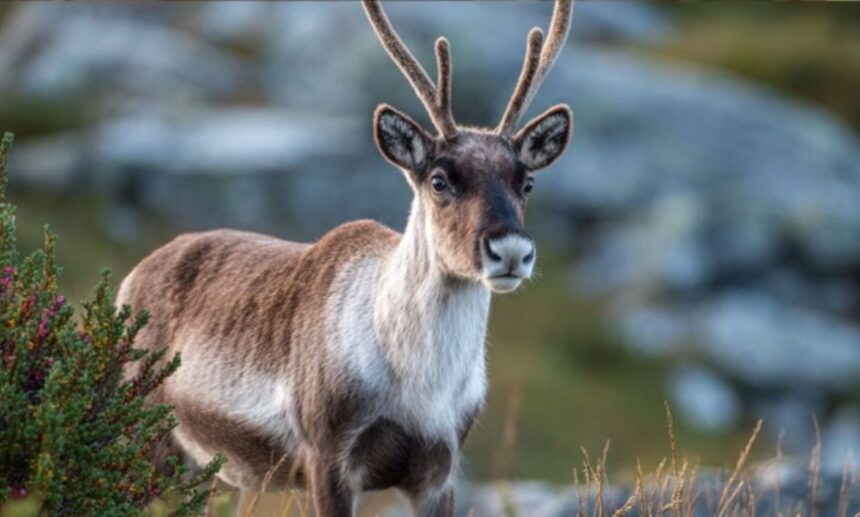
Wild Reindeer (Villrein)
In the high mountain areas, wild reindeer roam. These are strictly managed to protect the genetic purity of the herds and to prevent overgrazing of the sensitive alpine tundra.
Predators
While the viltnemnda deals mostly with grazing animals, they also play a role when predators like wolves, bears, or lynx are involved. However, decisions regarding large predators are often made at a higher, national level due to the political controversy surrounding them. The local committee acts more as an observer and reporter in these cases.
The Importance of Local Knowledge
Why can’t a computer in the capital city manage these animals? The answer lies in the terrain.
Understanding the Landscape
A member of the viltnemnda who has lived in the area for 40 years knows that when the snow gets deep in the upper valley, the deer will move down to a specific patch of farmland near the river. They know that a new housing development has blocked an ancient migration route, forcing animals onto the highway.
Building Trust
Wildlife management often involves telling landowners what they can and cannot do. A farmer might want to shoot a nuisance animal, but the law might forbid it. It is much easier for that message to be accepted if it comes from a local neighbor who serves on the viltnemnda rather than a faceless bureaucrat from the city.
This “human element” is vital. It creates a dialogue between the community and the authorities.
Legal Authority: The Wildlife Act
The viltnemnda does not operate on a whim. Their power comes from the Viltloven (The Wildlife Act) of 1981. This act establishes the principle that wildlife in Norway is protected unless specifically stated otherwise.
The Principle of Humane Treatment
A core tenet of the Wildlife Act is that animals must not suffer unnecessarily. This is the legal basis for the viltnemnda‘s authority to trespass on private land to track an injured animal. If an animal is suffering, the right to end that suffering supersedes private property rights.
The Right to Hunt
The Act also regulates hunting. It establishes that while landowners own the hunting rights on their land, the government (through bodies like the viltnemnda) regulates the amount of game that can be taken. This prevents a landowner from wiping out the entire local population of deer for profit.
Equipment and Technology
The image of a viltnemnda member might be a rugged person with a rifle, but modern technology plays a huge role in their work today.
Tracking Dogs
The most important “technology” is still biological: the nose of a dog. To serve on the team that handles road accidents, you often need a certified tracking dog. These dogs undergo rigorous testing to prove they can follow an old scent trail through difficult terrain without getting distracted by other animals.
GPS and Mapping
Modern committees use advanced GPS mapping tools. When they track hunting quotas, they log exactly where animals are shot. Over time, this builds a “heat map” of animal density. This data is crucial for planning where to place wildlife crossing signs on roads or where to build wildlife overpasses (bridges for animals).
Drones
Some progressive committees are starting to use thermal drones. These can be used to locate injured animals in tall grass or to count deer populations at night without disturbing them.
Communication Tools
Effective radios and mobile apps are essential. When a search is underway, coordination with the police and traffic control centers is vital to ensure that searchers don’t accidentally walk onto a busy highway.
Challenges Facing the Viltnemnda Today
Despite their effectiveness, these committees face modern challenges that make their job harder.
1. Climate Change
Warmer winters mean less snow. While this sounds good, it disrupts migration patterns. It also allows ticks and parasites to survive the winter, leading to sicker animal populations. The viltnemnda must adapt their management strategies to these changing environmental conditions.
2. Urbanization
As towns expand, they eat into the forests. This forces animals into smaller areas and closer to humans. We see more “urban deer” living in gardens. The viltnemnda receives more calls about deer eating tulips or moose standing at bus stops. Balancing public fear with animal welfare in a city setting is difficult.
3. Recruitment
Many current members of these committees are aging. Recruiting younger people who have the time, the knowledge of hunting, and the willingness to wake up at 3:00 AM for a volunteer or low-paid shift is a challenge.
How Viltnemnda Compares to US Systems
For American readers, it is helpful to compare the Norwegian system to what is found in the United States to understand the differences in culture and execution.
|
Feature |
Viltnemnda (Norway) |
Game Wardens / DNR (USA) |
|---|---|---|
|
Structure |
Municipal (Local Committee) |
State or Federal Agency |
|
Personnel |
Often semi-volunteer locals |
Full-time Law Enforcement Officers |
|
Primary Focus |
Management & Injured Wildlife |
Law Enforcement & Conservation |
|
Police Powers |
Limited (Specific to wildlife) |
Full Police Powers (Arrest, firearms) |
|
Selection |
Appointed by local council |
Hired via Academy Training |
In the US, a Game Warden is a police officer. In Norway, the viltnemnda works with the police but is primarily a management and practical execution body.
Safety Tips: Driving in Norway
Since the viltnemnda spends so much time dealing with road accidents, it is worth sharing their advice for drivers. If you are ever driving in rural areas where these committees operate:
- Watch the Dawn and Dusk: Animals are most active at sunrise and sunset.
- Respect the Signs: If you see a “Moose Crossing” sign, it is there for a reason. It means the viltnemnda has recorded high activity there.
- Dim Your Lights: If you see an animal on the road, dim your high beams. Bright lights can blind the animal, causing it to freeze rather than run away.
- If You Hit an Animal:
-
- Stop safely and put on your hazard lights.
- Put on a reflective vest.
- Call the Police (02800). They will alert the viltnemnda.
- Mark the spot where the animal ran into the woods (use a scarf or plastic bag tied to a tree), but do not follow the animal yourself. A wounded moose is dangerous. Leave that to the experts.
The Future of Wildlife Management
As we look to the future, the role of the viltnemnda will likely evolve. There is a push for more digitalization. Reporting roadkill is becoming app-based, allowing for real-time data analysis.
Furthermore, as the conversation around conservation shifts towards preserving biodiversity rather than just managing “harvestable game,” the committees may see their scope widen. They might become more involved in habitat restoration and protecting endangered non-game species.
We also see a trend in global information sharing. Just as you might visit resources like Silicon Valley Time to stay updated on tech and global shifts, wildlife management is becoming a global conversation. Innovations in tracking technology and data management developed in tech hubs are slowly making their way into the rugged forests of Norway, helping these local heroes do their jobs better.
Frequently Asked Questions (FAQ)
Here are some common questions regarding the viltnemnda and their operations.
Q: Is the viltnemnda part of the police force?
A: No. They cooperate very closely with the police, especially during traffic accidents involving animals, but they are a separate municipal body.
Q: Do viltnemnda members get paid?
A: It varies by municipality. Some are purely volunteer, while others receive a stipend or an hourly wage for active call-outs, especially during night shifts.
Q: Can the viltnemnda arrest poachers?
A: Generally, no. Their role is management and wildlife control. If they suspect illegal hunting (poaching), they report it to the police or the Statens Naturoppsyn (Norwegian Nature Inspectorate), who handle criminal enforcement.
Q: What happens to the meat of animals killed in traffic?
A: If the meat is deemed safe by a qualified inspector, it can be sold, often to local institutions or private buyers. The money usually goes back into the municipal wildlife fund. However, meat from high-speed collisions is often too damaged or contaminated to be used.
Q: How do I join the viltnemnda?
A: Members are usually appointed by the municipal council. To be considered, you generally need experience in hunting, wildlife biology, or forestry. Having a certified tracking dog is a huge advantage.
Conclusion
The viltnemnda represents a fascinating blend of civic duty, passion for nature, and practical wildlife management. In a world that is becoming increasingly urbanized, these committees serve as a vital link to the wild. They ensure that our roads are safer, that animal populations remain healthy, and that injured wildlife is treated with dignity and speed.
They are the unseen guardians of the Norwegian wilderness. While most people sleep, members of the viltnemnda are often out in the snow and rain, tracking an injured deer or clearing a highway. Their work requires patience, skill, and a deep respect for nature.
So, the next time you see a moose grazing peacefully at the edge of a forest in Norway, remember that there is likely a dedicated team of locals watching over it, ensuring the balance between civilization and the wild is maintained.
For more information on the broader context of how nations manage their natural resources, you can read further on the topic of Wildlife Management on Wikipedia.



