








Have you ever wondered why your energy bills seem to creep up every winter, even when you try to be careful? You aren’t alone. Millions of homeowners struggle with drafts, inefficient heating, and confusing utility costs. The solution might be simpler than you think. It often starts with getting the right professional to look at your home.
This article is here to help you understand the vital role of a domestic energy assessor. We will break down what they do, why you might need one, and how their work can put money back in your pocket. By the end of this guide, you will be ready to take charge of your home’s energy efficiency.
Key Takeaways
- Understanding the specific role and responsibilities of a domestic energy assessor.
- How an energy assessment can increase your property value.
- Step-by-step breakdown of what happens during a home visit.
- Tips for finding a qualified professional in your area.
What Is a Domestic Energy Assessor?
A domestic energy assessor (DEA) is a certified professional trained to evaluate the energy efficiency of residential buildings. Their primary job is to inspect a property and produce an Energy Performance Certificate (EPC) or a similar energy report, depending on local regulations. Think of them as a doctor for your house. Instead of checking your blood pressure, they check how well your walls, windows, and roof keep heat inside.
When you hire a domestic energy assessor, you are hiring an expert who understands the science of buildings. They look at the construction of your home, the type of insulation you have, your heating systems, and even your lighting. They compile all this data into a report that gives your home an energy rating. This rating helps you understand how efficient your home is compared to others.
It is important to note that a domestic energy assessor is different from a general home inspector. While a home inspector looks for structural damage or safety issues, a DEA focuses strictly on energy usage and carbon emissions. Their goal is to help you reduce your carbon footprint and save on energy costs. In many places, you cannot sell or rent a home without their official stamp of approval.
Why Do You Need a Domestic Energy Assessor?
You might be thinking, “My house feels fine, why do I need to pay someone to tell me about my energy use?” There are actually several compelling reasons to hire a domestic energy assessor. The most common reason is legal compliance. In many regions, if you plan to sell or rent out your property, the law requires you to have a valid energy certificate. Without it, you could face significant fines or delays in your sale.
Beyond legal requirements, a domestic energy assessor can help you save a lot of money. By identifying where your home is losing heat—whether it’s through a poorly insulated attic or drafty windows—they provide a roadmap for improvements. Even small changes suggested by an assessor can lead to hundreds of dollars in savings on your annual utility bills.
Furthermore, an assessment can improve your comfort. If you have rooms that are always cold or others that get too hot, an assessor can explain why. They help you create a more consistent and comfortable living environment for you and your family. Plus, making your home more energy-efficient is a great way to do your part for the environment by reducing greenhouse gas emissions.
Benefits of Hiring a DEA
- Legal Compliance: Essential for selling or renting property.
- Cost Savings: Lower monthly utility bills.
- Home Comfort: Eliminate drafts and cold spots.
- Property Value: Efficient homes often sell for more.
- Environmental Impact: Lower your carbon footprint.
The Assessment Process: What to Expect
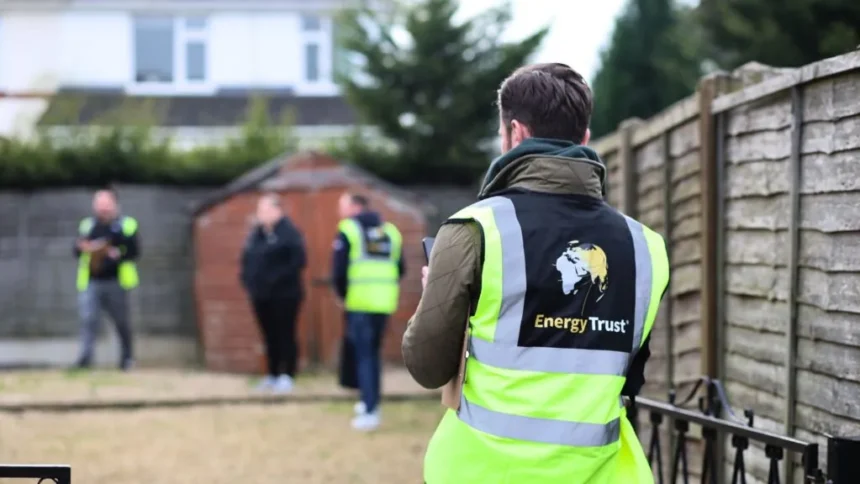
Many homeowners feel nervous about inviting an inspector into their home, but a visit from a domestic energy assessor is straightforward and non-intrusive. The process usually begins with a visual inspection. The assessor will need access to every room in your house, including the basement and the attic. They aren’t looking at your decor or how tidy your house is; they are looking at the structure.
During the visit, the domestic energy assessor will take measurements of your rooms to calculate the floor area. They will examine your heating system, looking at the boiler, thermostat, and radiators. They will also check your windows to see if they are single, double, or triple glazed. One of the most critical parts of the inspection is checking for insulation in the loft and wall cavities.
The entire visit typically takes between 45 minutes to an hour, depending on the size of your property. The assessor will take photographs for evidence and make notes. They will not damage your property or need to drill holes. It is a purely visual survey. Afterward, they will input all the data into specialized software to generate your energy rating.
Understanding the Energy Performance Certificate (EPC)
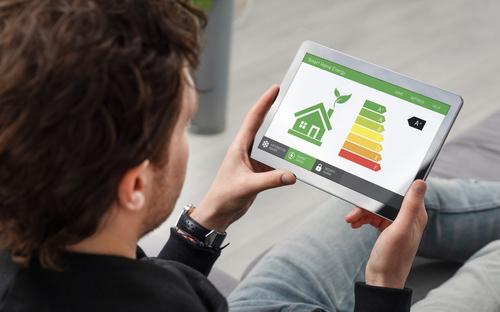
The final product you receive from a domestic energy assessor is often an Energy Performance Certificate (EPC). This document is like a report card for your house. It rates your home’s energy efficiency on a scale, usually from A (very efficient) to G (very inefficient). Most older homes fall somewhere in the D or E range, while newer builds often achieve B or A ratings.
The EPC doesn’t just give you a grade; it explains why you got that grade. It breaks down the energy performance of different parts of your home, such as the walls, roof, and floor. It also provides an estimate of what your energy bills should be, which is very useful for potential buyers or tenants trying to budget for their new home.
Perhaps the most valuable part of the EPC is the recommendations section. Here, the domestic energy assessor lists specific improvements you can make to improve your rating. This might include installing solar panels, upgrading your boiler, or adding more insulation. For each recommendation, the report estimates how much it will cost to install and how much money it will save you each year.
Sample EPC Rating Scale
|
Rating |
Efficiency Level |
Typical Features |
|---|---|---|
|
A |
Excellent (92+) |
Solar panels, supreme insulation, triple glazing. |
|
B |
Very Good (81-91) |
Modern boiler, double glazing, good insulation. |
|
C |
Good (69-80) |
Standard insulation, programmable thermostat. |
|
D |
Average (55-68) |
Older boiler, some drafts, partial insulation. |
|
E |
Poor (39-54) |
Single glazing, no cavity wall insulation. |
|
F |
Very Poor (21-38) |
Old heating systems, high heat loss. |
|
G |
Inefficient (1-20) |
No insulation, inefficient heating methods. |
How to Prepare for a Visit from a Domestic Energy Assessor
To make the process smooth and ensure you get the most accurate rating possible, it helps to prepare before your domestic energy assessor arrives. First, ensure that all areas of your home are accessible. If the assessor cannot get into the attic because of clutter, they may have to assume there is no insulation, which will hurt your rating. Clear a path to the boiler, the hot water tank, and the electrical meter.
Gather any documentation you have regarding improvements you have made to the house. If you have had double glazing installed, keep the certificates handy. If you have added insulation, try to find the receipts or warranties. A domestic energy assessor can only record what they can see or what you can prove with documentation. Without proof, they must use default values based on the age of the property, which are usually lower.
Also, check your light bulbs! It might seem silly, but the percentage of low-energy lighting in your home affects your rating. Swapping out old incandescent bulbs for LEDs before the assessor arrives is a quick and cheap way to slightly improve your score. Being prepared helps the assessor do their job quickly and accurately.
Common Misconceptions About Energy Assessments
There is a lot of misinformation out there regarding energy assessments. One common myth is that a domestic energy assessor will force you to make repairs. This is not true. Their job is to report on the current state of the property. While they will provide recommendations for improvements, you are under no obligation to carry them out unless local laws specifically require a minimum efficiency standard for renting.
Another misconception is that the assessment is invasive and messy. People worry that the assessor will be pulling up floorboards or drilling into walls. As mentioned earlier, the assessment is non-intrusive. They simply look, measure, and take photos. You don’t need to worry about cleaning up a mess after they leave.
Some homeowners also believe that if their home is old, it will automatically get a bad rating and there is nothing they can do. While older homes do present challenges, a domestic energy assessor can identify modern retrofits that significantly boost efficiency. Even a historic home can achieve a respectable energy rating with the right upgrades, such as specialized insulation or secondary glazing.
The Cost of Hiring a Domestic Energy Assessor
The cost of hiring a domestic energy assessor can vary depending on several factors. The size of your home is the biggest factor; a large, five-bedroom house will take longer to assess than a small one-bedroom apartment, so it will cost more. The location of your property can also influence the price, with rates often being higher in major cities compared to rural areas.
Generally, you can expect to pay anywhere from $60 to $120 for a standard assessment and certificate. However, this is a small price to pay compared to the potential savings. If an assessment reveals that you are wasting $300 a year due to poor insulation, the service pays for itself in just a few months.
It is always a good idea to shop around. Contact a few different assessors in your area and ask for quotes. Be wary of prices that seem too low, as this might indicate a rushed job or a less experienced assessor. Remember, a thorough and accurate report from a qualified domestic energy assessor is a valuable investment in your property.
Factors Influencing Cost
- Property Size: Larger homes require more time to inspect.
- Location: Urban areas may have higher service rates.
- Complexity: Unusual architectural features may take longer to assess.
- Urgency: Rush jobs may incur extra fees.
Qualifications to Look For
Not just anyone can wake up and decide to be a domestic energy assessor. It is a skilled profession that requires specific training and accreditation. When you are looking to hire someone, you must ensure they are properly qualified. In most jurisdictions, assessors must be registered with an accreditation scheme. This ensures they have undergone the necessary background checks and training.
Ask for their accreditation number or ID card. A legitimate assessor will be happy to show you proof of their certification. You should also check if they have insurance. Professional indemnity insurance protects you in case the assessor makes a significant error in their report that causes you financial loss.
Experience matters, too. While newly qualified assessors are fully capable, someone who has been working as a domestic energy assessor for several years will likely have a sharper eye for detail. They will have seen hundreds of homes and will be familiar with a wide range of heating systems and insulation types.
How Energy Ratings Affect Property Value
In the real estate market, energy efficiency is becoming a hot topic. Buyers are more conscious of running costs than ever before. A home with a high energy rating is attractive because it promises lower monthly bills. Consequently, a good report from a domestic energy assessor can actually increase the market value of your home.
Studies have shown that properties with higher energy ratings tend to sell faster and for a premium price compared to similar homes with lower ratings. For landlords, a good energy rating is a major selling point for tenants. It suggests that the property is well-maintained and will be comfortable to live in.
Conversely, a poor rating can give buyers leverage to negotiate a lower price. They might argue that they will need to spend money on upgrades like new windows or a new boiler. Therefore, investing in an assessment and making a few key improvements before listing your home can be a very smart financial strategy.
Improving Your Home’s Energy Rating
Once you have your report from the domestic energy assessor, the real work begins. The report will list recommendations, usually in order of cost-effectiveness. The “low-hanging fruit” usually includes things like upgrading to LED lighting, adding draft proofing to doors and windows, and increasing the thickness of loft insulation. These are low-cost changes that make an immediate difference.
Medium-cost measures might include installing a smart thermostat or upgrading your hot water cylinder. These require a bit more investment but offer good returns over time. The most expensive upgrades—such as external wall insulation, solar panels, or a heat pump—require significant capital but can transform your home’s efficiency and value.
Your domestic energy assessor can prioritize these for you. If you have a limited budget, they can tell you which single change will give you the biggest boost in your rating. It’s not always about spending the most money; it’s about spending money on the right things.
Top Recommended Upgrades
- Loft Insulation: Cheap and very effective.
- Cavity Wall Insulation: Keeps heat in efficiently.
- LED Lighting: A quick win for electricity usage.
- Modern Boiler: High upfront cost, but massive savings.
- Double Glazing: Reduces noise and heat loss.
The Role of Technology in Assessments
The field of energy assessment is evolving with technology. A modern domestic energy assessor uses sophisticated software to calculate ratings. This software uses complex algorithms to model how your house uses energy based on the data entered. This reduces human error and ensures consistency across different assessments.
Some assessors are now using thermal imaging cameras. These cameras can “see” heat, allowing the assessor to spot exactly where heat is leaking from your home. While this isn’t always part of a standard assessment, it can be an incredibly useful add-on service. It provides visual proof of problems like missing insulation behind drywall.
As smart home technology becomes more common, assessors are also taking these devices into account. Smart thermostats and zoning controls can significantly improve a home’s efficiency score. A knowledgeable domestic energy assessor stays up to date with these technologies to ensure your home gets the credit it deserves.
Commercial vs. Domestic Assessments
It is important to distinguish between a domestic energy assessor and a commercial energy assessor. While the principles are similar—evaluating energy efficiency—the methods and qualifications are different. A domestic assessor focuses on residential properties: houses, apartments, and bungalows.
Commercial assessors deal with offices, factories, shops, and public buildings. These buildings have very different heating, cooling, and lighting systems. The software used to calculate commercial ratings is also different. If you own a business premises, you need a commercial assessor. If you are selling your home, you need a domestic one.
Make sure you hire the right professional for the job. A domestic energy assessor is not qualified to assess a commercial building, and their insurance likely wouldn’t cover it. Always clarify the type of property you have when booking an appointment.
Future Trends in Energy Assessment
The world of energy efficiency is changing fast. Governments are setting stricter targets for carbon reduction, and this puts more focus on the work of the domestic energy assessor. In the future, we may see minimum energy standards becoming stricter for all homeowners, not just landlords.
We might also see “Green Mortgages” becoming more popular. These are loans that offer better interest rates to buyers purchasing energy-efficient homes. To qualify, you will need a valid report from a certified domestic energy assessor. This places the assessor at the center of the mortgage process.
As we move toward renewable energy, assessors will also need to be experts in heat pumps, solar batteries, and electric vehicle charging points. The role of the DEA is expanding from a simple box-ticking exercise to a crucial advisory role in the transition to a greener future.
How to Find a Reputable Assessor
Finding a good domestic energy assessor is easier than ever thanks to the internet. Most countries have a central register or a government website where you can search for accredited assessors in your area. This is the safest way to find someone, as you know they are officially registered.
You can also ask for recommendations from local real estate agents. They work with assessors daily and usually know who is reliable, professional, and fair with their pricing. Friends and neighbors who have recently sold their homes are also good sources of referrals.
When you find a potential candidate, check their online reviews. See what other customers say about their punctuality, politeness, and the quality of their report. A good domestic energy assessor will be communicative and happy to answer your questions before you even book the appointment. For more insights on technology and services, you can visit informative sites like Silicon Valley Time.
Frequently Asked Questions (FAQ)
Q: How long is an Energy Performance Certificate (EPC) valid for?
A: typically, an EPC is valid for 10 years. However, if you make significant changes to the property, like adding an extension or a new boiler, it is wise to get a new assessment done by a domestic energy assessor to reflect the improved rating.
Q: Can I fail an energy assessment?
A: You cannot “fail” in the traditional sense. You will simply receive a rating from A to G. However, if you are a landlord, there may be minimum rating requirements (often an ‘E’ or better) to legally rent out the property.
Q: Do I need an assessment if I am not selling my house?
A: It is not legally required if you aren’t selling or renting, but it is highly recommended. It is a great diagnostic tool to help you lower bills and improve comfort.
Q: Can I do the assessment myself?
A: No. To be valid for legal purposes, the assessment must be carried out by a qualified and accredited domestic energy assessor.
Q: What happens if I lose my certificate?
A: Since the certificates are stored digitally on a central register, you can usually download a copy online using your property address or the report reference number.
Conclusion
Hiring a domestic energy assessor is one of the smartest moves you can make as a homeowner. Whether you are preparing to sell, looking to rent out your property, or simply tired of high energy bills, their expertise provides a clear path forward. They demystify the complex world of energy efficiency, giving you actionable steps to improve your home.
Remember, the goal isn’t just to get a piece of paper; it’s to create a home that is warmer, cheaper to run, and better for the planet. By understanding the process and preparing your home, you can ensure you get the most out of your assessment. So, take a look around your home today—is it time to call in a pro?
If you are interested in learning more about the broader context of energy efficiency and how it fits into global sustainability efforts, you can find a link from Wikipedia related to this keyword “domestic energy assessor” and explore the topic further.



