








Introduction
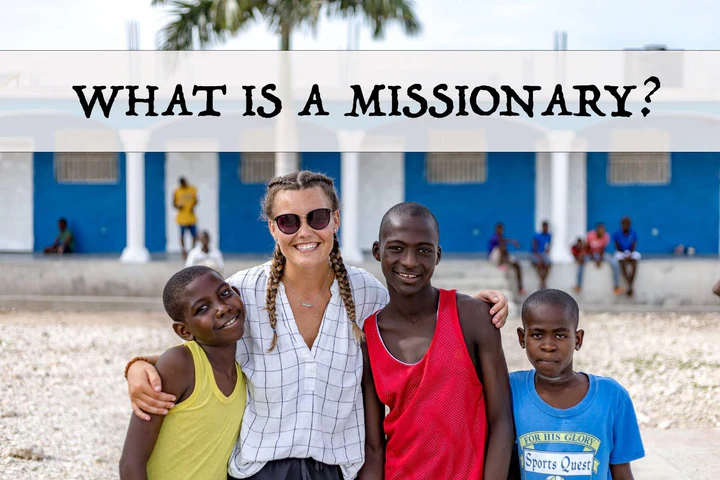
Have you ever wondered what it really means to be a missionary? You might have heard stories about people traveling to far-off lands, building schools, or sharing their faith, but the reality is often much more diverse. A missionary is someone sent on a religious mission, usually to promote their faith or provide humanitarian service. But their work goes beyond just preaching; it often involves deep cultural exchange, hard manual labor, and building lifelong relationships.
In this article, we will explore the fascinating world of missionary work. We will look at the history, the different types of missions, and what daily life looks like for someone in the field. Whether you are curious about becoming one or just want to understand their role better, this guide covers it all.
Key Takeaways
- Definition: Understanding what defines a missionary in the modern world.
- Daily Life: A peek into the routine challenges and joys they face.
- Types of Work: It’s not just preaching; it includes medical aid, teaching, and construction.
- Preparation: How people get ready for this life-changing commitment.
- Impact: The long-term effects on communities and the missionaries themselves.
The History and Evolution of the Missionary
The concept of a missionary has been around for thousands of years. It isn’t new. Historically, people have traveled great distances to share their beliefs. In the early days, this often meant walking for months or sailing across dangerous oceans without knowing if they would ever return. These early pioneers were driven by a strong conviction to share their message with the world.
Over time, the role has changed significantly. While the core motivation—sharing faith—remains, the methods have evolved. In the past, a missionary might have arrived in a new land with little knowledge of the local language or customs. Today, modern missions focus heavily on cultural respect, language learning, and sustainable development. They use technology, airplanes, and the internet to reach people, making the work faster but also more complex.
It is interesting to see how historical events have shaped this role. During the colonial era, missionary work was often tangled with politics. Today, there is a much stronger emphasis on serving local communities on their own terms. Organizations now prioritize training that helps a missionary understand the specific needs of the people they are visiting, ensuring that their presence is helpful rather than disruptive.
Different Types of Missionary Work
When we think of a missionary, we often picture someone standing in front of a crowd speaking. However, the work is incredibly varied. There isn’t just one way to do it. Many people use their professional skills to serve others. This is often called “tentmaking,” a reference to the Apostle Paul who made tents to support his ministry.
Here are some common types of work:
- Medical Missions: Doctors and nurses provide care in areas lacking hospitals.
- Educational Missions: Teachers open schools or teach English as a second language.
- Construction Missions: Teams build wells, houses, and community centers.
- Agricultural Missions: Experts teach sustainable farming techniques to fight hunger.
- Church Planting: The traditional role of starting new faith communities.
Each type requires a different set of skills. A medical missionary needs years of medical school, while a construction worker needs practical building knowledge. This variety means that almost anyone with a desire to help can find a place in mission work. It is not limited to pastors or theologians; it is open to engineers, farmers, and teachers too.
Short-Term vs. Long-Term Missions
A major distinction in this field is the length of service. A short-term missionary might go on a trip for a week or two, often during a summer break. These trips usually focus on specific projects like painting a school or running a kids’ camp. They are great for getting a taste of the work but have a different impact than staying for years.
Long-term missionaries, on the other hand, commit to years or even decades. They learn the language fluently and become part of the community. Their impact is often deeper because they build trust over time. While a short-term visitor might build a wall, a long-term missionary builds a relationship. Both are valuable, but they serve different purposes in the grand scheme of global aid and faith sharing.
The Daily Life of a Missionary
What does a typical Tuesday look like for a missionary? It is rarely as dramatic as the movies make it seem. Much of the day is spent doing normal things: buying groceries, cooking, cleaning, and taking care of children if they have a family. The difference is that these normal tasks happen in a different culture, often in a different language.
A missionary might spend their morning studying the local language. This is crucial for respect and communication. Afterward, they might head to their specific job—whether that is working at a clinic, teaching a class, or meeting with local leaders. Evenings might be spent hosting neighbors for dinner or preparing lessons.
Flexibility is key. In many parts of the world, schedules are more like suggestions. The power might go out, a bus might break down, or a visitor might drop by unannounced. A successful missionary learns to roll with the punches. They learn that interruptions are often the real work, providing chances to connect with people in unplanned, genuine ways.
Challenges Faced by Missionaries
Living in a new culture is exciting, but it is also very hard. One of the biggest challenges a missionary faces is “culture shock.” This is the feeling of confusion and anxiety that comes from not understanding how things work around you. Simple things like how to greet someone or how to pay a bill can become stressful ordeals.
Common Challenges Include:
- Language Barriers: Struggling to express deep thoughts or feelings.
- Loneliness: Missing friends and family back home.
- Health Issues: Dealing with unfamiliar diseases or lack of medical care.
- Financial Stress: Relying on donations for income can be unstable.
- Safety Concerns: Working in politically unstable regions.
Despite these hurdles, many find the work rewarding. Overcoming these challenges often leads to personal growth. A missionary develops resilience and patience that is hard to gain in a comfortable, familiar environment. They learn to rely on their faith and their new community for support.
Emotional and Mental Health
It is important to talk about the mental toll. A missionary is often seen as a “super-Christian” who never gets sad or tired. This isn’t true. Burnout is a real risk. Living under constant stress, feeling responsible for the spiritual well-being of others, and seeing poverty or suffering daily can be heavy.
Modern mission organizations are getting better at providing care. They now offer counseling and “debriefing” sessions where missionaries can talk about their feelings. Taking breaks and having a support system is vital. Just like anyone else, a missionary needs rest and mental health support to keep doing their job well.
The Preparation Process
You don’t just wake up one day, buy a plane ticket, and become a missionary. There is usually a long process of preparation involved. This ensures that the person is ready for the challenges ahead and that they will be a help, not a burden, to the people they visit.
Steps to Becoming a Missionary:
- Assessment: Checking if you are physically, mentally, and spiritually fit.
- Education: Studying theology, cross-cultural communication, or specific job skills.
- Fundraising: Most missionaries must raise their own financial support from churches and individuals.
- Language School: Spending months strictly learning the new language.
- Pre-field Training: Learning about safety, cultural customs, and team dynamics.
This preparation can take years. It is a time of testing commitment. Fundraising, in particular, is a major hurdle. A missionary has to ask people for money, which can be uncomfortable. However, this process builds a team of supporters who care about the work and the worker.
Impact on Local Communities
The goal of a missionary is to leave a positive mark. When done well, the impact can be transformative. Schools built by missionaries have educated millions. Hospitals started by missions have saved countless lives. In many places, the first written language was developed by missionaries wanting to translate religious texts.
However, it is important to acknowledge that not all impact has been positive. Historically, some missionaries imposed their own culture alongside their faith, leading to the loss of local traditions. Modern missions try to avoid this by contextualizing the message. This means separating the core faith from cultural trappings—for example, a missionary shouldn’t teach that you have to wear a suit and tie to be a good Christian if that isn’t part of the local culture.
Real success is often defined by empowerment. A good missionary works themselves out of a job. They train local leaders to take over the schools, clinics, and churches. The ultimate goal is for the local community to thrive independently, without needing the constant presence of the foreigner.
Cultural Exchange and Understanding
One of the most beautiful aspects of being a missionary is the cultural exchange. It is a two-way street. The missionary teaches, but they also learn. They might go to teach theology, but they learn about hospitality, community, and resilience from the people they serve.
This exchange breaks down stereotypes. When a missionary returns home, they bring back stories that humanize people from other parts of the world. They become bridges between cultures. In a world that can be very divided, this role of being a cultural ambassador is increasingly important. They help their home communities understand global issues on a personal level.
Modern Technology and Missions
Technology has changed the game for the modern missionary. In the past, letters took months to arrive. Now, missionaries can video call their families, access online libraries, and even use translation apps to help with communication. This connectivity helps reduce the feeling of isolation that used to be a major problem.
Social media allows a missionary to share their journey in real-time. Supporters can see photos and videos of the work being done, which helps with fundraising and prayer support. However, it also brings challenges. Being constantly connected to home can sometimes make it harder to fully immerse in the new culture. It requires discipline to put the phone down and be present where you are.
Furthermore, the internet allows for “digital missions.” People can share their faith online with people in countries where physical entry might be restricted. A missionary can now mentor someone halfway across the world without ever leaving their desk.
How Missionaries are Funded
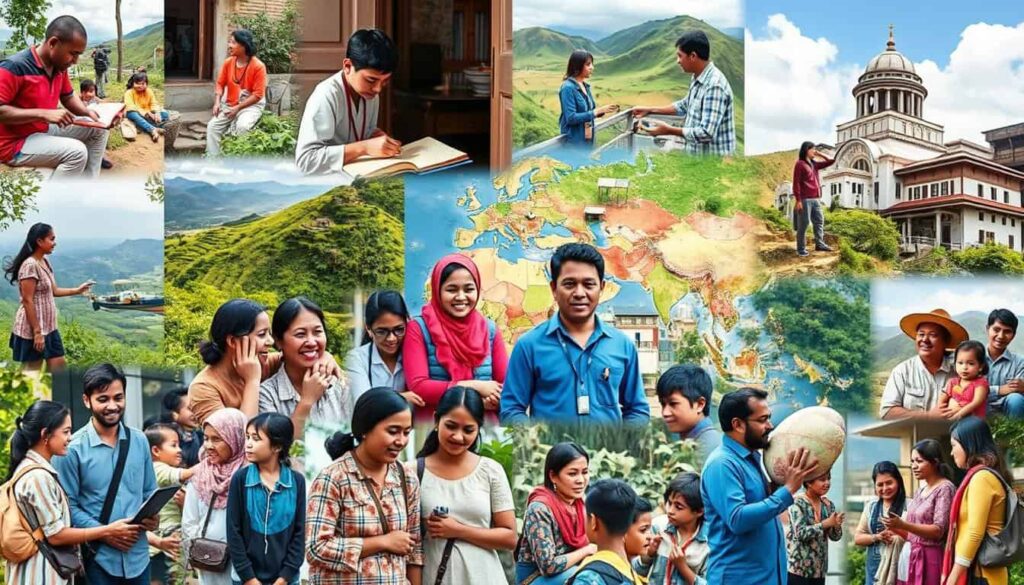
Money is a practical necessity. Most missionaries are not paid by a central employer in the traditional sense. Instead, they rely on a support network. This model is often called “deputation” or “support raising.” A missionary visits churches, friends, and family to present their vision and ask for monthly financial pledges.
Financial Breakdown Table
|
Expense Category |
Description |
Estimated % of Budget |
|---|---|---|
|
Salary |
Living expenses (food, rent, utilities) |
40% |
|
Ministry Costs |
Supplies for work, travel, local staff pay |
25% |
|
Benefits |
Health insurance, retirement, taxes |
20% |
|
Admin Fees |
Paid to the sending agency for processing |
10% |
|
Emergency Fund |
Savings for unexpected medical or travel needs |
5% |
This system creates a partnership. The people who give money are considered partners in the work. It allows the missionary to focus on their task without worrying about making a profit from the people they serve. It keeps the services—like medical care or education—free or very low cost for the locals.
The Role of Sending Agencies
Very few people go out entirely on their own. Most work with a “sending agency.” This is an organization that provides the logistical backbone for the missionary. Agencies handle the legal paperwork, visas, insurance, and money transfers. They provide the safety net.
Agencies also provide accountability. They ensure that the missionary is actually doing the work they said they would. They offer supervision and pastoral care. If a political crisis breaks out and an evacuation is needed, the agency coordinates the rescue. For resources on global news and tech that might impact logistics, sites like Silicon Valley Time can offer interesting perspectives on how the world connects.
Choosing the right agency is a big decision. Different agencies have different focuses—some are strictly medical, some focus on orphans, others on church planting. A prospective missionary spends time researching to find an organization that aligns with their values and goals.
Returning Home: Re-entry
Eventually, most missionaries return to their home country. This phase is called “re-entry,” and surprisingly, it can be harder than leaving. A missionary often changes significantly while abroad. They may come back to find that home feels different, or that they no longer fit in with their old friends.
This is often called “reverse culture shock.” The supermarket might feel overwhelming with too many choices. The pace of life might feel too fast. People might not seem interested in hearing stories about their time away. It takes time to readjust.
Former missionaries often go on to work in non-profits, ministry, or international business. Their cross-cultural skills are highly valuable. They have learned to be adaptable, to communicate across barriers, and to work with limited resources. These are “soft skills” that employers in the US look for.
Myths vs. Reality
There are many misconceptions about what a missionary is. Let’s clear some of them up.
- Myth: Missionaries are all pastors.
-
- Reality: They are doctors, pilots, teachers, engineers, and accountants.
- Myth: Missionaries are perfect people.
-
- Reality: They struggle with anger, doubt, and mistakes just like everyone else.
- Myth: Missionaries destroy culture.
-
- Reality: Thoughtful missionaries preserve language and history while bringing help.
- Myth: You have to go to a jungle to be a missionary.
-
- Reality: Many work in massive modern cities like Tokyo, London, or New York.
Understanding the reality helps us support them better. They are normal people doing a unique job. They need encouragement and understanding, not to be put on a pedestal.
Conclusion
The life of a missionary is a complex blend of adventure, sacrifice, boredom, and joy. It is about more than just travel; it is about connection. It is a commitment to serve something greater than oneself, often at great personal cost. Whether they are drilling a well in a desert or teaching a class in a bustling city, their goal is to bring hope and help.
If you are considering this path, know that it requires preparation and a humble heart. If you know a missionary, remember that they need a friend who will listen to their real struggles, not just their success stories. The world is a big place, and these individuals play a vital role in knitting it together through acts of service and faith.
Frequently Asked Questions (FAQ)
What qualifications do you need to be a missionary?
While it depends on the organization, you generally need a strong faith foundation, emotional stability, and a willingness to learn. Many specific roles, like medical or aviation missions, require professional degrees and certifications.
Do missionaries get paid?
Yes, but usually not by a boss. A missionary typically raises their own salary through donations from churches, friends, and family. This income covers their living expenses, insurance, and ministry costs.
Can a family go on missions together?
Absolutely. Many families serve together. Children who grow up on the mission field are often called “Third Culture Kids” (TCKs) because they blend their parents’ culture with the culture they live in.
Is missionary work dangerous?
It can be, depending on the location. Some areas have political instability or higher crime rates. However, agencies have strict safety protocols, and most missionaries live safe, normal lives.
How long does a missionary stay?
It varies greatly. Short-term trips last 1-2 weeks. Mid-term is often 1-2 years. Career missionaries may stay in a foreign country for 20, 30, or 40 years, sometimes retiring there.
What is the main goal of a missionary?
The primary goal is usually to share their religious faith. However, this is almost always accompanied by humanitarian goals like relieving poverty, providing education, or improving healthcare.



