





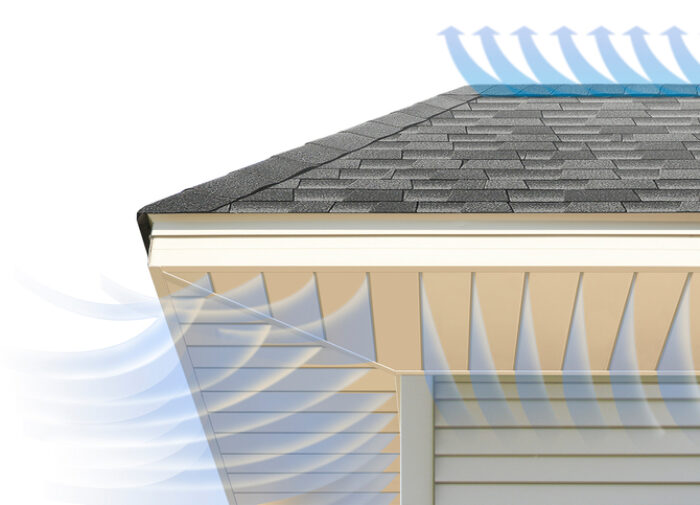

Have you ever looked up at the overhang of a roof and noticed small grilles or holes tucked underneath? Those are soffit vents, and they play a much bigger role in the health of your home than you might think. While they may seem like a minor detail, soffit vents are a critical component of a balanced attic ventilation system. They work quietly behind the scenes to protect your home from moisture damage, reduce your energy bills, and even extend the life of your roof.
This comprehensive guide will walk you through everything you need to know about these essential components. We’ll explore the fundamental question of what is a soffit vent, dive into how they function, discuss the different types and materials available, and explain why they are so important for maintaining a safe and comfortable home. By the end, you’ll have a clear understanding of their benefits and how to ensure they are working effectively for you.
Introduction to Soffit Vents
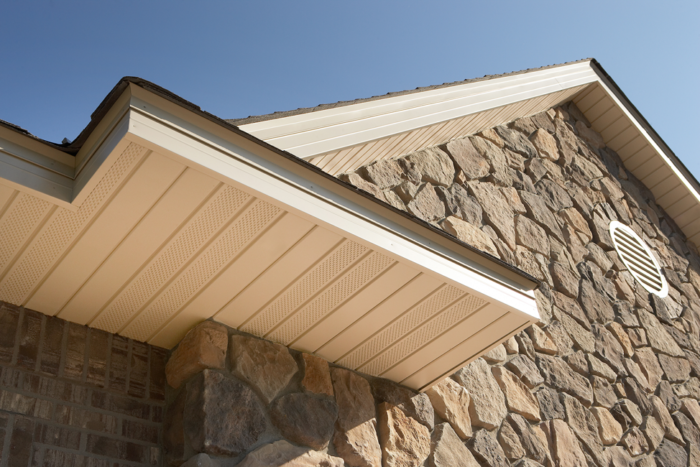
Let’s start with the basics. The “soffit” is the exposed underside of your roof’s eaves or overhang. Soffit vents are openings installed within this area, designed specifically to allow fresh, cool air to enter your attic space from the outside. Think of them as the intake vents for your home’s attic “breathing” system. They are typically rectangular or circular and are covered with a screen or grille to prevent pests, leaves, and other debris from getting inside. These vents are a fundamental part of a passive ventilation strategy, meaning they don’t require any electricity to operate. Instead, they rely on natural air convection—the principle that warm air rises. By providing a clear entry point for cooler, denser air at the lowest point of the roof, soffit vents kickstart a continuous cycle of air circulation that is vital for your home’s structural integrity and overall health. Understanding what is a soffit vent is the first step toward appreciating its role in preventing a host of expensive and frustrating problems down the road.
Why Are Soffit Vents Important?
Soffit vents are far more than just a building code requirement; they are a crucial defense mechanism for your home. Without proper ventilation, an attic can become a trap for heat and moisture. In the summer, the sun beats down on your roof, turning the attic into an oven. This trapped heat can radiate down into your living spaces, forcing your air conditioning system to work overtime and driving up your energy bills. In the winter, the opposite problem occurs. Warm, moist air from your living areas (from cooking, showering, and even breathing) rises into the colder attic. When this humid air hits the cold underside of the roof deck, it condenses, leading to damp insulation, rotted wood, and the perfect environment for mold and mildew to thrive.
Soffit vents combat both of these issues. They create a balanced system that allows your attic to breathe. By drawing in cool, dry air, they help push the hot, moist air out through exhaust vents located higher up on the roof, like ridge or gable vents. This constant airflow keeps the attic temperature and humidity levels in check, protecting the structural components of your roof and making your home more comfortable and energy-efficient year-round. Neglecting this vital component can lead to premature roof replacement, costly mold remediation, and poor indoor air quality.
How Do Soffit Vents Work?
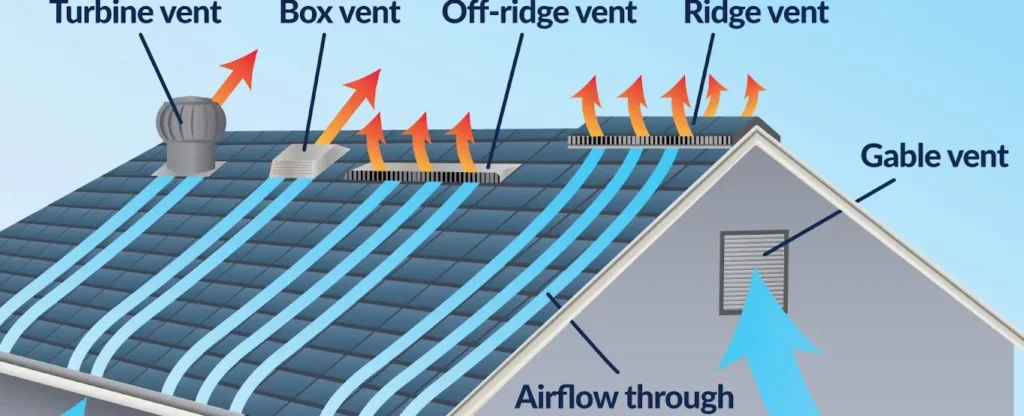
The science behind how soffit vents work is elegantly simple and relies on two natural phenomena: the stack effect and wind effect. The stack effect, also known as convection, is the primary driver. As the sun warms your roof, the air inside the attic heats up. Since hot air is less dense than cool air, it naturally rises to the highest point of the attic. This creates a pressure difference: lower pressure at the top of the attic and higher pressure at the bottom. The soffit vents, located at the lowest point of the roofline, act as the intake port. The cooler, denser, and higher-pressure air from outside is naturally drawn into the attic through these vents to replace the rising warm air.
This process creates a continuous, passive airflow cycle. The cool air enters through the soffit vents, flows along the underside of the roof deck, collects heat and moisture, and then exits through exhaust vents (like ridge, gable, or turbine vents) at the peak of the roof. The wind effect can supplement this process. When wind blows against the house, it can create pressure that pushes air into the soffit vents on the windward side and pulls air out of the vents on the leeward side, further enhancing circulation. This entire system functions without any mechanical parts or energy consumption, making it an incredibly efficient way to protect your home. This answers the core question of what is a soffit vent by explaining its functional role in your home’s ecosystem.
Types of Soffit Vents
When choosing soffit vents for your home, you will generally encounter two main styles: continuous and individual. The best choice often depends on your home’s design, your budget, and the specific ventilation needs of your attic. Both types serve the same fundamental purpose of providing intake ventilation, but they differ in their appearance and installation method. Understanding these differences will help you make an informed decision that balances performance with aesthetics. It’s important to calculate the required Net Free Vent Area (NFVA)—the total unobstructed area through which air can pass—to ensure you install enough venting for your attic size.
Continuous Soffit Vents
Continuous soffit vents are long, narrow strips of vented material that run the entire length of the soffit boards. They are often made of aluminum or vinyl and come in long sections that are cut to fit. Because they span the full length of the eaves, they provide the most uniform and consistent airflow into the attic. This makes them an excellent choice for homes that require a large amount of intake ventilation or for homeowners who prefer a clean, seamless look. The continuous design integrates smoothly into the soffit panel, creating a sleek and unobtrusive appearance. Installation involves cutting a long, narrow slot in the existing soffit and fitting the vent strip into place. While they can be slightly more labor-intensive to install than individual vents, their superior airflow distribution and modern aesthetic make them a popular and highly effective option for many homes, especially new constructions.
Individual Soffit Vents
Individual soffit vents, also known as rectangular or circular vents, are smaller, self-contained units installed at intervals along the soffit. These are often the more traditional and budget-friendly choice. They come in various shapes (squares, rectangles, circles) and sizes, allowing for more flexibility in placement. Installation is typically simpler: you cut a hole in the soffit for each vent and then screw or nail it into place. While they don’t provide the same seamless look as continuous vents, they are very effective when properly spaced. The key is to install enough of them to meet your attic’s ventilation requirements. They are a great option for retrofitting older homes that lack adequate ventilation, as they can be added without replacing the entire soffit. For homeowners on a tighter budget or those undertaking a DIY project, individual soffit vents offer a practical and efficient solution to improve attic airflow.
Materials Used for Soffit Vents
Soffit vents are available in several different materials, each with its own set of advantages and disadvantages regarding durability, cost, and appearance. The most common materials are aluminum, vinyl, and steel. The choice of material often comes down to matching the existing soffit and fascia material, climate considerations, and personal budget. For instance, in coastal areas, a corrosion-resistant material like vinyl or aluminum would be preferable to steel. Let’s take a closer look at the properties of each to help you decide which is best suited for your home’s needs and aesthetic goals.
Aluminum
Aluminum is one of the most popular materials for soffit vents, and for good reason. It is lightweight, durable, and highly resistant to rust and corrosion, making it an excellent choice for virtually any climate. Aluminum vents are available in a wide array of factory-painted colors, making it easy to match them to your home’s trim and siding. They will not warp or crack due to temperature fluctuations and can withstand harsh weather conditions. While aluminum can be dented upon impact, its overall longevity and low-maintenance nature make it a reliable, cost-effective option. It is a common choice for both continuous and individual vent styles.
Vinyl
Vinyl is another leading material, prized for its affordability and low-maintenance qualities. Like aluminum, vinyl is resistant to rust, rot, and insects, and it never needs to be painted. The color is integrated into the material itself, so scratches and scuffs are less noticeable. Vinyl soffit vents are very durable and can handle extreme weather without cracking or becoming brittle. They are a popular choice in modern construction and are particularly well-suited for homes with vinyl siding, as they provide a perfect color and texture match. For homeowners looking for the most budget-friendly and maintenance-free option, vinyl is often the best way to go.
Steel
Galvanized steel is the strongest and most durable option for soffit vents. It offers superior resistance to impacts and is less likely to be damaged by falling branches or other debris. The galvanization process coats the steel in a layer of zinc, which provides excellent protection against rust. However, if this protective coating is scratched deep enough to expose the underlying steel, rust can form. Steel vents are generally heavier and can be more expensive than aluminum or vinyl counterparts. They are a great choice for areas prone to severe weather or where maximum durability is the top priority, but they require careful handling during installation to preserve their protective coating.
Benefits of Installing Soffit Vents
Installing a proper soffit vent system offers a multitude of benefits that extend far beyond simple airflow. These advantages contribute directly to your home’s structural health, your family’s comfort, and even your wallet. By understanding how an effective ventilation system impacts your home, you can better appreciate why soffit vents are not just an option but a necessity for responsible homeownership. From preventing costly repairs to creating a more pleasant living environment, the returns on this investment are significant and long-lasting. Exploring topics like home maintenance can provide further insight, as detailed on platforms like https://siliconvalleytime.co.uk/.
Here are some of the key benefits:
- Prevents Mold and Mildew Growth: The primary benefit is moisture control. By continuously flushing out damp, humid air from the attic, soffit vents create an environment where mold and mildew cannot thrive. This protects your insulation and wooden structural beams from rot and deterioration.
- Extends Roof Lifespan: Extreme heat is a roof’s worst enemy. In the summer, an unventilated attic can reach temperatures of 150°F or more, which can cook your asphalt shingles from the inside out, causing them to curl, crack, and fail prematurely. Proper ventilation keeps the roof deck cooler, significantly extending the life of your shingles and sheathing.
- Reduces Energy Costs: In the summer, a hot attic radiates heat downward, forcing your air conditioner to work harder to cool your home. In the winter, moist attic air can dampen your insulation, reducing its effectiveness (R-value) and making your heating system work harder. Soffit vents help regulate attic temperatures year-round, leading to lower energy consumption and reduced utility bills.
- Prevents Ice Dams in Winter: Ice dams form when heat from the attic melts snow on the roof. The water then runs down to the colder eaves and refreezes, creating a “dam” of ice. This dam blocks proper drainage, causing water to back up under the shingles and leak into your home. Soffit vents help keep the entire roof deck cold by drawing in cold winter air, preventing the snow from melting in the first place and stopping ice dams before they can form.
- Improves Indoor Air Quality: Mold and mildew in an attic can release spores that find their way into your living spaces, potentially causing respiratory issues and allergic reactions. By keeping the attic dry and mold-free, you are also helping to ensure the air your family breathes is healthier.
Signs You Need Soffit Vents
Many homeowners are unaware they have an attic ventilation problem until significant damage has already occurred. Being able to recognize the early warning signs can save you thousands of dollars in repairs. If your home lacks soffit vents or if the existing ones are blocked or insufficient, your house will likely send out distress signals. Paying attention to these clues can help you identify a need for improved intake ventilation. Walk around your property and inspect your attic periodically to check for these common indicators. Answering the question of what is a soffit vent is one thing, but knowing when you need one is just as critical for protecting your investment.
Common signs of inadequate attic ventilation include:
- Visible Mold or Mildew: The most direct sign of a moisture problem is seeing dark stains or fuzzy growth on the attic’s wooden beams, insulation, or the underside of the roof sheathing. A musty, damp smell in the attic is also a major red flag.
- Excessive Heat in Upper Floors: If the top floor of your home feels significantly hotter than the rest of the house during the summer, it’s a strong indication that your attic is trapping heat and radiating it downwards.
- Frost on the Underside of the Roof: During a cold winter morning, look inside your attic. If you see a layer of frost on the nails or the wood sheathing, it means warm, moist air is condensing and freezing, a clear sign of poor ventilation.
- Ice Dams Along the Eaves: As mentioned earlier, thick ridges of ice along the edge of your roof in winter are a classic symptom of a warm attic melting snow from above. This is a serious issue that can lead to major water damage.
- Warped or Peeling Shingles: An overheated attic can literally bake your roofing materials from below, causing them to age prematurely. If your shingles look curled, cracked, or blistered, poor ventilation is a likely culprit.
- Rusting Metal Components: Any metal in the attic, such as nails, pipes, or ductwork, will show signs of rust if condensation is a persistent problem.
How to Install Soffit Vents
Installing soffit vents can be a manageable DIY project for someone with basic carpentry skills and the right tools. However, it involves working on a ladder and cutting into your home’s exterior, so safety should always be the top priority. The general process involves measuring, cutting, and securing the vents. The exact steps can vary slightly depending on whether you’re installing continuous or individual vents and the material of your soffit (wood, aluminum, or vinyl). Before you begin, it’s crucial to calculate the amount of ventilation your attic needs. A common rule of thumb is to have 1 square foot of ventilation for every 300 square feet of attic floor space, split evenly between intake (soffit) and exhaust (ridge) vents.
Step-by-Step Guide for Individual Vents:
- Plan the Layout: Measure your soffit and decide on the spacing for your vents. A common practice is to place one vent in every other rafter bay to ensure even air distribution. Mark the center of each location where a vent will be installed.
- Mark the Cutouts: Place the soffit vent over your center mark and trace its outline with a pencil. If your vent comes with a template, use that for a more precise outline. Double-check that your cutout location is clear of any structural framing.
- Cut the Openings: Drill a starter hole inside each corner of your traced outline. Then, use a jigsaw or reciprocating saw to carefully cut along the lines. Wear safety glasses and a dust mask during this step.
- Clear Insulation: After cutting the hole, look up into the attic space. It’s common for insulation to be pushed up against the soffit area, which would block the new vent. Use a stick or a baffle installation tool to pull back the insulation, creating a clear channel for air to flow from the vent up into the attic. Installing rafter vents or baffles is highly recommended to keep this channel open permanently.
- Install the Vent: Apply a bead of exterior-grade caulk or sealant around the back flange of the vent. This will create a weatherproof seal. Press the vent firmly into the opening and secure it in place with the provided screws. Wipe away any excess caulk for a clean finish.
Common Mistakes to Avoid During Installation
While installing soffit vents is a feasible project, a few common errors can render your hard work ineffective or even cause new problems. Avoiding these pitfalls is just as important as following the installation steps correctly. A poorly executed installation can fail to solve your ventilation issues and may leave your home vulnerable to water intrusion or pests. Being aware of these potential mistakes beforehand will help ensure your project is a success and that your ventilation system functions as intended for years to come. Thinking through these issues is a key part of understanding not just what is a soffit vent, but how to make it work properly.
Here are some critical mistakes to watch out for:
- Installing Insufficient Ventilation: One of the most frequent errors is underestimating the amount of ventilation needed. Simply adding one or two vents is often not enough. You must calculate the required Net Free Vent Area (NFVA) for your attic size and install enough vents to meet that requirement. A 50/50 balance between intake and exhaust is the goal.
- Blocking Vents with Insulation: This is a huge mistake that completely negates the purpose of the vent. Air needs a clear path from the soffit vent into the main attic area. If insulation is packed tightly against the vent opening, no air can get through. Always install baffles or rafter vents to create and maintain an air channel between the insulation and the roof sheathing.
- Painting Over or Clogging Vents: After installation, it’s tempting to paint right over the vents to match the trim. However, thick layers of paint can clog the small openings in the vent screen, severely restricting airflow. Similarly, failing to clean vents can lead to blockages from dust, pollen, and debris.
- Improper Sealing: Forgetting to apply a bead of sealant around the vent before screwing it in place can create problems. This small gap can allow wind-driven rain to get behind the vent and into your soffit, leading to water damage and rot. It also provides an entry point for insects.
- Creating an Unbalanced System: Adding soffit vents without ensuring you have adequate exhaust ventilation (like ridge or gable vents) can be ineffective. You need both intake and exhaust to create the convective airflow. Too much of one without the other will not create the desired circulation.
Maintenance Tips for Soffit Vents
Once your soffit vents are installed, they require minimal but essential maintenance to ensure they continue to function effectively. Over time, the vent screens can become clogged with dust, pollen, spider webs, and wind-blown debris. In some cases, insects or birds may try to build nests in or around them. Blocked vents cannot draw in air, which disrupts the entire attic ventilation cycle and can lead to the very problems you installed them to prevent. A simple, regular inspection and cleaning routine can keep your system running smoothly and protect your home. This ongoing care is a vital part of the answer to what is a soffit vent and how it benefits your home.
Here is a simple maintenance checklist to follow:
- Annual Inspection: At least once a year, preferably in the spring and fall, walk around your home and visually inspect all soffit vents from the ground. Look for any visible blockages, debris, or signs of damage.
- Thorough Cleaning: At least every couple of years, use a ladder to get a closer look. Use a powerful shop vacuum with a brush attachment to suck out dust and loose debris from the vent screens. For more stubborn grime, you can use a stiff brush and a mild detergent solution to gently scrub the vents clean.
- Check for Nests: Look for any signs of insect or bird nesting activity. Remove any nests you find and ensure the vent screen is intact to prevent them from returning. Damaged screens should be repaired or replaced immediately.
- Examine the Surrounding Area: While you are inspecting the vents, check the surrounding soffit and fascia for any signs of peeling paint, water stains, or rot. These could indicate a problem with the vent seal or a larger gutter issue that needs addressing.
- Keep Gutters Clean: Clogged gutters can cause water to overflow and run down into the soffit area, potentially soaking the wood and blocking the vents. Keeping your gutters clean is an indirect but important part of soffit vent maintenance.
Soffit Vents vs. Other Ventilation Options
Soffit vents are the foundation of a passive attic ventilation system, serving as the primary source of intake air. However, they are only one part of a complete system. To achieve effective circulation, this intake must be balanced with exhaust vents that allow hot, moist air to escape. There are several types of exhaust vents, and sometimes other intake options are used when soffits are not available. Understanding how soffit vents compare and contrast with these other options helps to illustrate their specific and indispensable role. A balanced system is key; no single vent type can do the job on its own.
|
Vent Type |
Function |
Location |
Pros |
Cons |
|---|---|---|---|---|
|
Soffit Vents |
Intake |
Under the eaves |
Provides cool, low-point intake. Hidden from view. Very effective at preventing ice dams. |
Can be blocked by insulation. Not an option for homes with no roof overhang. |
|
Ridge Vents |
Exhaust |
Along the peak of the roof |
Most effective exhaust option. Provides even ventilation along the entire roofline. Low profile. |
Requires a compatible roof structure. Must be paired with soffit vents to work. |
|
Gable Vents |
Intake/Exhaust |
In the gables (triangular walls at the ends of the roof) |
Easy to install. Can provide both intake and exhaust depending on wind direction. |
Less effective than a soffit/ridge system. Can be short-circuited by wind, pulling air from one vent to the other instead of from the soffits. |
|
Turbine Vents |
Exhaust |
On the roof surface |
Wind-powered to actively pull air out of the attic. Can move large volumes of air. |
Mechanical parts can wear out and become noisy. Less effective on calm days. Can allow rain/snow entry if damaged. |
|
Drip Edge Vents |
Intake |
At the edge of the roof, behind the gutter |
An alternative intake for homes with little or no soffit overhang. Hidden from view. |
Provides less airflow than traditional soffit vents. More complex installation. |
As the table shows, soffit vents are the ideal intake solution. They work in perfect harmony with ridge vents to create the most efficient and balanced passive ventilation system possible, relying on natural convection to continuously protect the attic space.
How Soffit Vents Improve Energy Efficiency
The connection between attic ventilation and energy efficiency is direct and significant. Soffit vents play a starring role in reducing your home’s energy consumption throughout the year, impacting both your cooling and heating costs. By helping to regulate the temperature in the attic, they create a buffer zone between the outside elements and your conditioned living space. This reduces the workload on your HVAC system, which is one of the largest consumers of energy in any household. This efficiency gain not only saves you money on monthly utility bills but also reduces your home’s overall carbon footprint, making it a green investment. The financial savings alone often provide a quick return on the investment of installing or upgrading a ventilation system.
In the summer, the sun’s radiant heat can turn an unventilated attic into a giant radiator, pushing temperatures well above 150°F. This intense heat easily conducts through the ceiling insulation and into your living area. As a result, your air conditioner has to run longer and harder to maintain a comfortable indoor temperature. By creating airflow, soffit vents allow this super-heated air to be flushed out and replaced with cooler, ambient air. This can lower the attic temperature by as much as 50 degrees, dramatically reducing the heat gain into your home and easing the strain on your AC unit.
In the winter, the energy savings come from keeping your insulation dry. Moisture from your home rises into the attic and can condense, making your insulation damp. Wet insulation loses a significant amount of its insulating power (its R-value). When your insulation is compromised, more heat escapes from your living space into the attic. Your furnace or heating system must then work harder to compensate for this heat loss. Soffit vents help keep the attic air cold and dry, which in turn keeps your insulation dry and performing at its peak R-value, effectively trapping more heat where you want it—inside your home.
Soffit Vents and Building Codes
In the United States, proper attic ventilation is not just a best practice; it is a requirement mandated by most residential building codes, including the International Residential Code (IRC), which serves as the model for most local codes. These regulations are in place to ensure homes are built to be durable, safe, and energy-efficient. The codes specify minimum ventilation standards to prevent the structural damage that can result from trapped heat and moisture. While specific requirements can vary slightly by jurisdiction and climate zone, they generally follow a common formula. Understanding these codes is essential for new construction, major renovations, and when replacing a roof. Failing to comply can result in failed inspections, costly rework, and potential denial of homeowner’s insurance claims related to moisture or heat damage.
The IRC generally requires a minimum net free ventilation area (NFVA) of 1/150—that is, 1 square foot of ventilation for every 150 square feet of attic floor space. However, the code provides an important exception: this ratio can be reduced to 1/300 if certain conditions are met. This reduction is permitted if at least 40% (but not more than 50%) of the ventilation is located in the upper portion of the attic (exhaust), with the balance located at the eaves (intake). This exception effectively promotes a balanced soffit-and-ridge-vent system, as it is the most efficient design. Soffit vents are the primary means of satisfying the code’s requirement for low-point intake ventilation. When a professional contractor installs a new roof or ventilation system, they are responsible for ensuring the final product is fully compliant with all applicable local building codes.
Cost of Installing Soffit Vents
The cost of installing soffit vents can vary widely depending on several factors, including the type of vents chosen, the material of your existing soffit, the total number of vents needed, and local labor rates. A straightforward retrofit on a single-story home with wood soffits will be on the lower end of the cost spectrum, while a more complex installation on a multi-story home with metal soffits will be more expensive. It’s always a good idea to get quotes from multiple qualified contractors to ensure you are getting a fair price. The cost is also different if you are installing vents as part of a larger project, such as a full roof replacement, as the labor can be bundled more efficiently.
For a professional installation, you can generally expect the following cost ranges:
- Individual Vents: The cost to have individual plastic, aluminum, or vinyl vents installed typically ranges from $20 to $50 per vent, including labor and materials. For a typical home needing 10-20 vents, the total project cost would likely fall between $300 and $800.
- Continuous Vents: Installing continuous soffit vents is often priced by the linear foot. Homeowners can expect to pay between $6 and $12 per linear foot for professional installation. For a home with 100 feet of soffit, the total cost would range from $600 to $1,200.
- DIY Costs: If you choose to tackle the project yourself, your only cost will be for materials and any tools you may need to purchase. Individual vents can be purchased for as little as $3 to $10 each, while continuous vent strips cost around $2 to $5 per linear foot. This makes a DIY installation significantly cheaper, but it requires time, skill, and careful attention to safety.
While there is an upfront cost, it’s important to view it as an investment. The money spent on proper ventilation can be recouped over time through lower energy bills and, more importantly, by avoiding thousands of dollars in potential repairs for a rotted roof structure or mold remediation.
Key Takeaways
Navigating the details of home maintenance can be complex, but understanding the essentials of attic ventilation is straightforward. Soffit vents are a cornerstone of a healthy home. Here are the most important points to remember about what is a soffit vent and its critical role:
- Soffit Vents Are Intake Vents: Their primary job is to draw cool, dry air into the attic from the lowest point of the roof.
- They Work with Exhaust Vents: Soffit vents are part of a system. They work in tandem with exhaust vents (like ridge vents) to create a continuous airflow that removes hot, moist air.
- Moisture is the Enemy: The main purpose of this ventilation is to prevent moisture condensation, which leads to mold, mildew, and wood rot.
- Heat is a Roof Killer: Proper airflow prevents extreme heat buildup in the summer, which extends the life of your shingles and reduces the load on your air conditioner.
- Prevent Ice Dams: In winter, a well-ventilated attic stays cold, preventing snow on the roof from melting and refreezing into destructive ice dams at the eaves.
- Balance is Key: A successful ventilation system has a balanced amount of intake (soffit) and exhaust ventilation, typically following a 1/300 ratio of vent area to attic floor space.
- Maintenance is Simple but Crucial: Regular cleaning to keep vents free of debris is essential for them to function properly.
FAQs About Soffit Vents
What is a soffit vent?
A soffit vent is an opening installed in the underside of a roof’s overhang (the soffit) that allows fresh, outside air to enter the attic. It serves as the intake portion of a passive attic ventilation system.
How do soffit vents work?
They work based on natural convection. As air in the attic gets heated by the sun, it rises and creates low pressure. Cooler, denser air from outside is then drawn in through the soffit vents to replace the rising warm air, which then exits through exhaust vents at the top of the roof.
Are soffit vents necessary?
Yes, they are essential for most homes. They are a critical component for preventing moisture buildup, mold growth, ice dams, and heat damage to your roof structure and shingles, while also improving energy efficiency.
How much do soffit vents cost?
The cost for professional installation typically ranges from $300 to $800 for individual vents and $600 to $1,200 for continuous vents, depending on the size of the house and the materials used. A DIY installation can be done for just the cost of materials.
Conclusion
In the grand scheme of home construction and maintenance, soffit vents may seem like a small and forgettable detail. However, as we have explored, their impact is immense. Answering the question of what is a soffit vent reveals that it is a fundamental component for safeguarding your home’s structural integrity, improving its energy efficiency, and ensuring a healthier living environment. By facilitating a constant, gentle flow of air through your attic, these simple devices work tirelessly to combat the destructive forces of heat and moisture year-round. From extending the life of your roof to lowering your monthly energy bills, the benefits of a properly ventilated attic are clear and substantial. Whether you are building a new home, replacing your roof, or simply looking to improve your current house, paying attention to your soffit ventilation is one of the smartest investments you can make.
For further reading on the principles of building ventilation, you can explore related topics on platforms such as Wikipedia’s page on attic ventilation, which provides additional technical context.



