








Welcome to the fragrant world of ylang ylang! You may have noticed this exotic name on the ingredients list of your favorite perfume, lotion, or even a relaxing candle. But what exactly is ylang ylang, and what makes it so special? This tropical flower is more than just a pretty scent. For centuries, people have used ylang ylang and its powerful essential oil for a wide range of wellness and beauty purposes.
This comprehensive guide will explore everything you need to know. We will dive into the origins of ylang ylang and its journey from a tropical tree to a cherished essential oil. You will learn about its incredible benefits for your mind, skin, and hair. We’ll also share practical ways to incorporate this floral powerhouse into your daily routine. Get ready to uncover the secrets of one of nature’s most captivating gifts.
Key Takeaways
- Mood Booster: Ylang ylang is widely celebrated for its ability to reduce feelings of stress, sadness, and anxiety, promoting a sense of calm and well-being.
- Skin and Hair Care: It helps balance oil production in the skin and scalp, making it beneficial for both oily and dry types. It can improve skin texture and strengthen hair.
- Natural Relaxant: The sweet, floral aroma has sedative properties that can help lower blood pressure, reduce heart rate, and promote restful sleep.
- Versatile Use: Ylang ylang essential oil can be used in diffusers, blended into massage oils, added to baths, and incorporated into DIY beauty recipes.
What Exactly Is Ylang Ylang?
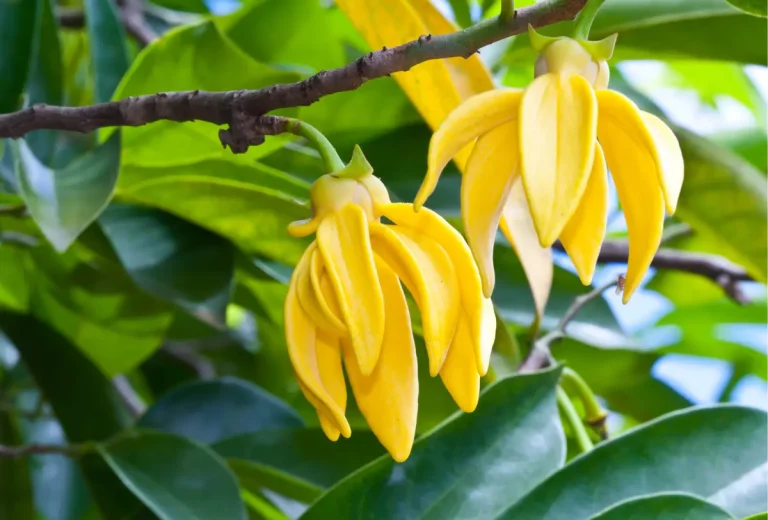
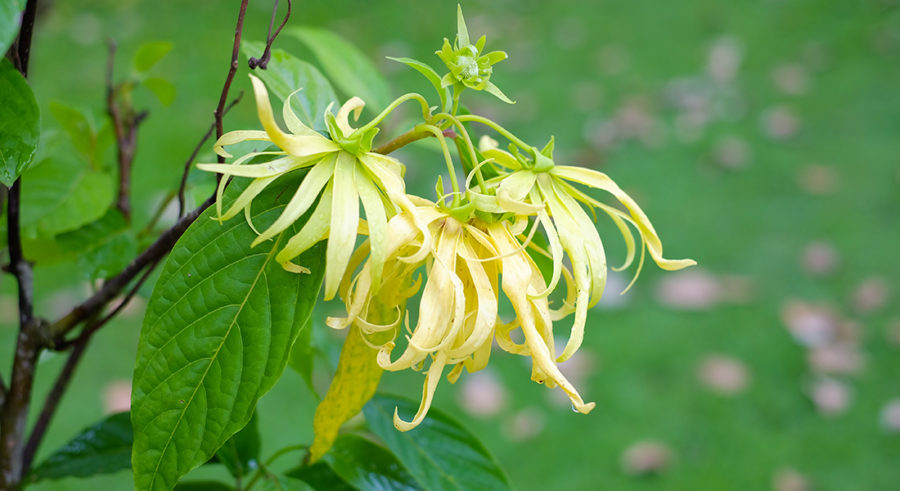
The story of ylang ylang begins with a tropical tree native to the rainforests of Southeast Asia. The Cananga odorata tree, often called the “perfume tree,” produces stunning, star-shaped flowers that droop from its branches. These flowers start as green and then mature into a vibrant yellow, releasing an intensely sweet and romantic fragrance. The name “ylang ylang” (pronounced EE-lang EE-lang) translates to “flower of flowers” in the Tagalog language of the Philippines, a fitting title for such an aromatic bloom.
The essential oil is extracted from these flowers through a process called steam distillation. What’s fascinating is that the distillation process is fractional, meaning it is done in stages. This results in different “grades” of ylang ylang oil. The oil collected during the first part of the distillation is the most fragrant and potent, known as Ylang Ylang Extra. Subsequent fractions are labeled as Grade I, II, and III. A “complete” oil is a blend of all fractions, offering a full-bodied aroma. The existence of ylang ylang and its various grades allows for a wide range of applications, from high-end perfumery to therapeutic aromatherapy.
The Aromatic Profile of Ylang Ylang
Describing the scent of ylang ylang is like trying to capture a tropical sunset in words. It’s complex, rich, and deeply floral. At its heart, it carries sweet, heady notes of jasmine and neroli. However, it also has fruity undertones reminiscent of banana or custard, along with slightly spicy or medicinal hints. This intricate aroma is why ylang ylang and its oil are a favorite among perfumers. It can act as a powerful heart or middle note in a fragrance, blending beautifully with citrus, woody, and other floral scents. The unique combination of sweetness and depth makes its aroma both uplifting and grounding.
Ylang Ylang and Its Benefits for Emotional Well-being
One of the most celebrated uses of ylang ylang and its essential oil is for supporting emotional health. In a world that often feels fast-paced and overwhelming, its calming aroma provides a much-needed escape. It is widely regarded in aromatherapy as a natural remedy for stress, anxiety, and feelings of sadness. The scent is believed to directly impact the brain’s limbic system, which is the center for emotion and memory. Inhaling the aroma can trigger a release of endorphins, leading to feelings of joy and euphoria.
Many people turn to ylang ylang to create a peaceful atmosphere in their homes. Diffusing the oil after a long day can help you unwind and let go of tension. It’s also a popular choice for meditation and mindfulness practices, as its scent helps quiet the mind and foster a sense of inner peace. The power of ylang ylang and its mood-lifting properties makes it an invaluable tool for anyone looking to enhance their emotional balance and cultivate a more positive outlook on life.
Alleviating Stress and Anxiety
The modern world can be a source of constant stress. Ylang ylang offers a natural way to combat these feelings. Its aroma is known to have a sedative effect on the nervous system, which can help lower cortisol levels—the body’s primary stress hormone. When you feel overwhelmed, inhaling ylang ylang can promote an immediate sense of relaxation.
A simple way to use it is by placing a few drops on a tissue and breathing deeply. You can also add it to a personal inhaler or diffuser jewelry. The versatility of ylang ylang and its calming scent makes it easy to access its benefits whenever you need a moment of tranquility. It’s like having a personal relaxation tool at your fingertips, ready to soothe your nerves and calm your mind.
Promoting a Positive Mood
Feeling down? Ylang ylang is often described as a euphoric oil, meaning it can inspire feelings of happiness and optimism. Its sweet, uplifting fragrance can help dispel negativity and replace it with a sense of joy. This makes it a wonderful companion during times of sadness or emotional fatigue. When you diffuse ylang ylang and its cheerful aroma, you can transform your space into a sanctuary of positivity. It’s an excellent oil to use when you need an emotional pick-me-up or want to set a joyful tone for your day.
The Role of Ylang Ylang in Skincare
Beyond its delightful aroma, ylang ylang is a true hero in the world of natural skincare. Its most impressive quality is its ability to balance sebum (oil) production in the skin. This makes it uniquely suitable for a wide range of skin types. If you have oily or combination skin, ylang ylang can help regulate excess oil, reducing shine and preventing clogged pores that lead to breakouts. Conversely, if you have dry skin, it can stimulate natural oil production, helping your skin stay hydrated and supple.
This balancing act makes ylang ylang and its essential oil a fantastic ingredient for daily facial serums, moisturizers, and cleansers. Furthermore, ylang ylang possesses antiseptic and anti-inflammatory properties. This means it can help keep the skin clean, reduce redness, and soothe irritation. Its regenerative effects also support the healing process of the skin, potentially improving the appearance of blemishes and promoting a smooth, even complexion. It’s a multi-tasking ingredient that nurtures the skin from multiple angles.
Balancing Oily and Acne-Prone Skin
For those struggling with persistent shine and breakouts, ylang ylang can be a game-changer. Acne is often caused by an overproduction of sebum, which clogs pores and creates a breeding ground for bacteria. By helping to normalize sebum secretion, ylang ylang and its balancing properties can reduce the likelihood of pore blockages. Its antiseptic qualities also help in fighting acne-causing bacteria. To use it for this purpose, you can add a single drop of ylang ylang essential oil to your non-comedogenic facial moisturizer or create a spot treatment by diluting it with a carrier oil like jojoba oil. Regular use can lead to clearer, less reactive skin.
Soothing Dry and Irritated Skin
If your skin feels tight, flaky, or irritated, ylang ylang can provide gentle, soothing relief. It encourages the skin’s natural moisture functions without being heavy or greasy. When the skin is properly hydrated, it is less prone to irritation and environmental damage. The anti-inflammatory nature of ylang ylang and its components helps calm redness and discomfort associated with dryness. A great way to benefit from this is to add a few drops to an unscented, hydrating lotion or to a carrier oil like sweet almond or avocado oil and apply it after a shower to lock in moisture.
Ylang Ylang Skincare Applications
|
Application |
How to Use |
Benefits |
|---|---|---|
|
Facial Steam |
Add 2-3 drops to a bowl of hot water and lean over it with a towel over your head. |
Opens pores, cleanses deeply, and imparts a healthy glow. |
|
DIY Toner |
Mix a few drops with witch hazel or rosewater in a spray bottle. |
Balances skin pH, tightens pores, and refreshes the skin. |
|
Moisturizer Boost |
Add 1 drop to a dollop of your daily face cream. |
Regulates oil production and soothes skin throughout the day. |
|
Body Oil |
Blend 10-12 drops into 2 ounces of a carrier oil (e.g., coconut, jojoba). |
Hydrates the entire body, leaving skin soft and fragrant. |
Ylang Ylang and Hair Care Benefits
Just as it benefits the skin, ylang ylang works wonders for the hair and scalp. Its ability to balance oil production is key here as well. For those with an oily scalp, it can help reduce greasiness, allowing you to go longer between washes. For individuals with a dry, itchy scalp, it can stimulate sebum production, alleviating flakiness and discomfort. This makes ylang ylang and its oil a versatile ingredient for all hair types. By promoting a healthy scalp environment, it lays the foundation for strong, vibrant hair.
Beyond scalp health, ylang ylang is also a traditional remedy for hair thinning and is believed to promote hair growth. Its antiseptic properties can help prevent scalp conditions like dandruff that might hinder healthy hair growth. Many people also use it as a natural conditioner, as it can improve hair texture, add shine, and reduce split ends. The beautiful floral scent is an added bonus, leaving your hair smelling wonderful all day long. Exploring hair care solutions and new trends in beauty is something we love to cover over at publications like Silicon Valley Time.
Creating a Healthy Scalp Environment
A healthy scalp is the root of beautiful hair. An imbalance in scalp oil can lead to a host of problems, from greasy roots to dandruff and itchiness. Ylang ylang helps bring the scalp back to a state of equilibrium. You can create a simple scalp treatment by adding a few drops of ylang ylang and a carrier oil, such as coconut or argan oil, and massaging it into your scalp before shampooing. Let it sit for at least 30 minutes to allow the oils to penetrate. This pre-shampoo treatment can soothe irritation, control oil, and moisturize a dry scalp effectively.
A Natural Treatment for Lustrous Hair
Who doesn’t want shiny, healthy-looking hair? Ylang ylang can be your natural secret weapon. It is thought to improve the overall resilience of hair strands, protecting them from damage and breakage. One popular traditional method involves infusing coconut oil with ylang ylang flowers to create a conditioning pomade. A simpler modern version is to create a hair rinse. Mix 5-7 drops of ylang ylang essential oil into a cup of warm water, pour it over your hair after conditioning, and let it sit for a few minutes before a final rinse. This can help seal the hair cuticle, resulting in smoother, shinier locks.
How to Safely Use Ylang Ylang Essential Oil
While ylang ylang is natural, it’s also potent. Essential oils should always be used with care and respect. The most important rule is to never apply undiluted essential oil directly to your skin. It can cause irritation, sensitization, or an adverse reaction. Always dilute it with a carrier oil, such as jojoba, sweet almond, fractionated coconut, or even olive oil. A safe dilution ratio for topical use is typically 1-2%, which translates to about 6-12 drops of essential oil per ounce (30 ml) of carrier oil.
Before using any new essential oil, it is wise to perform a patch test. Apply a small amount of the diluted oil to a patch of skin, like your inner elbow, and wait 24 hours to see if any redness or irritation occurs. When using ylang ylang and its oil in a diffuser, follow the manufacturer’s instructions, typically using 3-5 drops per 100 ml of water. It’s also important to use it in a well-ventilated area and avoid prolonged, continuous diffusion.
Ylang Ylang Application Methods
- Aromatic Diffusion: The most popular method. Use a diffuser to disperse the oil’s aroma throughout a room. This is perfect for setting a mood or for relaxation.
- Topical Application: Always diluted with a carrier oil. This method is used for massage, skincare, and hair care, allowing the oil to be absorbed through the skin.
- Inhalation: Place a drop or two on a cotton ball or tissue and inhale deeply. This is a quick and effective way to experience its emotional benefits on the go.
- Bath Soak: Mix 5-10 drops of essential oil with a tablespoon of carrier oil or a cup of Epsom salts before adding to your bathwater. This ensures the oil disperses safely instead of floating on top.
The Versatility of Ylang Ylang in Blends
Ylang ylang’s complex floral aroma makes it an amazing team player in essential oil blends. It harmonizes beautifully with a variety of other scents, enhancing their properties and creating unique aromatic experiences. When blending, it’s helpful to think about scent categories. Ylang ylang pairs exceptionally well with:
- Citrus Oils: Bergamot, grapefruit, and lemon lift ylang ylang’s sweetness, creating bright, cheerful blends.
- Woody Oils: Sandalwood, cedarwood, and vetiver ground its floral notes, resulting in a warm, sensual, and sophisticated aroma.
- Floral Oils: Lavender, jasmine, and geranium complement its floral character, creating deeply romantic and calming bouquets.
- Spicy Oils: Clove and cinnamon add a touch of warmth and spice, making for an exotic and intriguing combination.
The use of ylang ylang and other oils in a blend can target specific needs. For example, a blend of ylang ylang, lavender, and bergamot is perfect for stress relief. For a romantic atmosphere, try blending ylang ylang with sandalwood and rose. Experimenting with different combinations is a fun way to create your own signature scents for diffusion, massage, or personal care products.
Conclusion: Embrace the Flower of Flowers
From its origins as a fragrant flower on a tropical tree to its prized status as a versatile essential oil, ylang ylang offers a wealth of benefits. It stands out as a powerful natural tool for enhancing emotional well-being, promoting balanced skin, and nurturing healthy hair. Its ability to calm the mind, uplift the spirit, and restore equilibrium makes it a valuable addition to any wellness routine. Whether you choose to diffuse its sweet aroma, blend it into a luxurious massage oil, or add it to your skincare regimen, you are embracing a tradition of natural healing that has been cherished for centuries.
The journey into the world of ylang ylang and its many applications is a rewarding one. It invites you to slow down, breathe deeply, and connect with the gentle power of nature. As you explore its uses, remember to use it safely and mindfully. By doing so, you can fully enjoy the beautiful, holistic benefits of this incredible “flower of flowers.” For more information on the plant itself, its cultivation, and its role in perfumery, you can find extensive details on platforms like Wikipedia.
Frequently Asked Questions (FAQs)
1. Is ylang ylang oil safe for pets?
No, ylang ylang essential oil is considered toxic to both cats and dogs. You should avoid diffusing it in a room with your pets and never apply it to their skin or fur. Always consult a veterinarian for pet-safe aromatherapy practices.
2. Can I ingest ylang ylang essential oil?
Internal use of essential oils should only be done under the strict guidance of a qualified healthcare professional or a certified clinical aromatherapist. For general use, it is not recommended to ingest ylang ylang oil.
3. What is the difference between the grades of ylang ylang oil?
The grades (Extra, I, II, III, and Complete) refer to the fraction of oil collected during the steam distillation process. Ylang Ylang Extra is from the first hour and is the most fragrant and expensive, often used in perfumery. The later grades are less sweet and more herbaceous. Ylang Ylang Complete is a blend of all fractions and is often preferred for therapeutic aromatherapy as it contains the full spectrum of compounds.
4. How should I store my ylang ylang essential oil?
To preserve its potency and aroma, you should store your essential oil in a dark-colored glass bottle away from direct sunlight and heat. Keep the cap tightly sealed to prevent oxidation. Proper storage can give the oil a shelf life of 3-5 years.
5. Can ylang ylang help with sleep?
Yes, due to its sedative and relaxing properties, ylang ylang and its aroma can be very helpful for promoting sleep. Diffusing it in your bedroom before you go to bed or adding a few diluted drops to the soles of your feet can help calm your mind and prepare your body for a restful night.



