








Key Takeaways
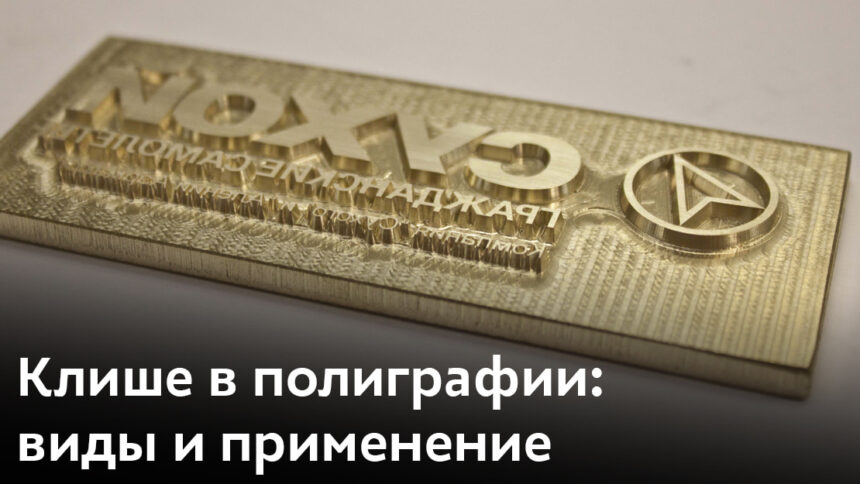
- Definition: “Типографское клише” refers to a typographic cliché or printing plate used to reproduce images and text in traditional printing.
- History: These plates revolutionized the printing industry, moving from woodblocks to metal and eventually photopolymer materials.
- Modern Use: While digital printing is common, clichés are still vital for high-end embossing, hot foil stamping, and packaging.
- Creation: The process involves etching, engraving, or molding materials like magnesium, copper, brass, or rubber.
- Significance: Understanding this tool helps us appreciate the texture and quality of printed books, business cards, and luxury packaging.
Have you ever run your fingers over a fancy business card and felt the raised lettering? Or maybe you’ve admired the shiny gold foil on a book cover? That beautiful, tactile effect usually starts with a specific tool. In the world of professional printing, this tool is known as a типографское клише. While the term might sound foreign to many English speakers, it is simply the Russian term for a “typographic cliché” or, more commonly in English, a printing plate or stereotype block.
The history of printing is full of fascinating inventions, but few are as fundamental as the cliché. It bridges the gap between a digital design and a physical object. Whether you are a graphic design student, a printing enthusiast, or just someone curious about how things are made, understanding this component is crucial. In this guide, we will explore exactly what a типографское клише is, how it works, and why it remains relevant even in our digital age.
What Exactly Is a Типографское Клише?
At its most basic level, a типографское клише is a relief plate used in letterpress printing and other relief printing processes. Think of it like a very durable, high-quality rubber stamp, although it is often made of metal. The word “cliché” itself comes from the French sound of the matrix dropping into molten metal—a clicking noise. In Russian, the term stuck as the standard word for these printing plates.
The primary function of a типографское клише is to transfer ink, foil, or pressure onto paper or another substrate. The image or text to be printed is raised above the surface of the plate. When ink is applied to these raised areas and pressed against paper, the image is transferred. This is the opposite of gravure printing, where the ink sits in sunken grooves.
These plates can be made from various materials depending on their intended use. For long print runs—like printing thousands of newspapers back in the day—hard metals like zinc or copper were used. For softer impressions or uneven surfaces, rubber or photopolymers (light-sensitive plastics) became the standard. Today, if you order a custom embossed invitation, a metal типографское клише is likely the hero behind that elegant texture.
The Origins of the Term
The word “cliché” has an interesting dual meaning. In English literature, a cliché is an overused phrase. This actually comes from printing! Because printers would cast frequently used phrases as single metal blocks (clichés) to save time setting individual letters, the phrase became “fixed” and repeated often. Thus, the типографское клише is the literal origin of the metaphorical “cliché” we use in language today.
The Evolution of Printing Plates
From Wood to Metal
Long before we had the modern типографское клише, printers used woodblocks. Woodcut printing dates back to ancient China and was later adopted in Europe. Artists would carve away the wood, leaving the image raised. This was time-consuming and the wood would eventually wear down or crack under pressure.
As the printing press evolved, especially after Gutenberg’s movable type, the need for more durable image reproduction grew. This led to the use of metal. Engravers would cut designs directly into copper or steel. However, the real game-changer was the ability to cast plates from a mold. This allowed for multiple copies of the same page to be printed on different presses simultaneously, vastly speeding up production.
The Industrial Revolution
During the Industrial Revolution, the demand for newspapers and books exploded. The типографское клише became essential. Stereotyping was a process where a mold was taken of a whole page of set type, and a metal cast was made. This solid metal plate was the cliché. It meant the expensive individual type characters could be reused immediately for the next page, while the cliché handled the heavy lifting of the actual printing run.
The Photomechanical Era
In the late 19th and early 20th centuries, photography changed everything. Printers discovered they could use light-sensitive chemicals to create plates. By projecting a negative image onto a metal plate coated with these chemicals and then etching it with acid, they could create a типографское клише without hand-carving. This made it possible to print photographs and complex illustrations alongside text easily.
Types of Materials Used for Типографское Клише
Different jobs require different tools. The material chosen for a типографское клише depends on the length of the print run, the type of paper, and the desired effect (like foil stamping vs. ink).
Magnesium Plates
Magnesium is a popular choice for hot foil stamping and embossing. It is relatively soft compared to steel, making it faster and cheaper to etch chemically. A magnesium типографское клише is perfect for short to medium runs. It heats up quickly and transfers heat well, which is crucial when you are trying to make foil stick to paper.
Copper and Brass
For higher quality and longer runs, printers upgrade to copper or brass. Brass is incredibly durable and is the gold standard for high-end embossing. A brass типографское клише can be CNC machined to have multi-level depths, creating a 3D sculpted effect on the paper that looks like a work of art. Copper is excellent for fine details and lasts longer than magnesium.
Photopolymer and Rubber
In modern flexography (used for packaging like chip bags and labels), the plates are often made of flexible photopolymer or rubber. These are wrapped around cylinders. While traditionalists might argue about terminology, these are the modern descendants of the rigid типографское клише. They are flexible enough to print on cardboard, plastic, and uneven surfaces.
|
Material |
Best Use Case |
Durability |
Cost |
|---|---|---|---|
|
Magnesium |
Foil stamping, standard embossing |
Medium |
Low/Medium |
|
Copper |
Fine detail, long runs |
High |
High |
|
Brass |
Multi-level sculpting, very long runs |
Very High |
Very High |
|
Photopolymer |
Letterpress, flexography, packaging |
Medium |
Low |
|
Rubber |
Stamping on uneven surfaces |
High (flexible) |
Low |
The Manufacturing Process: How It’s Made
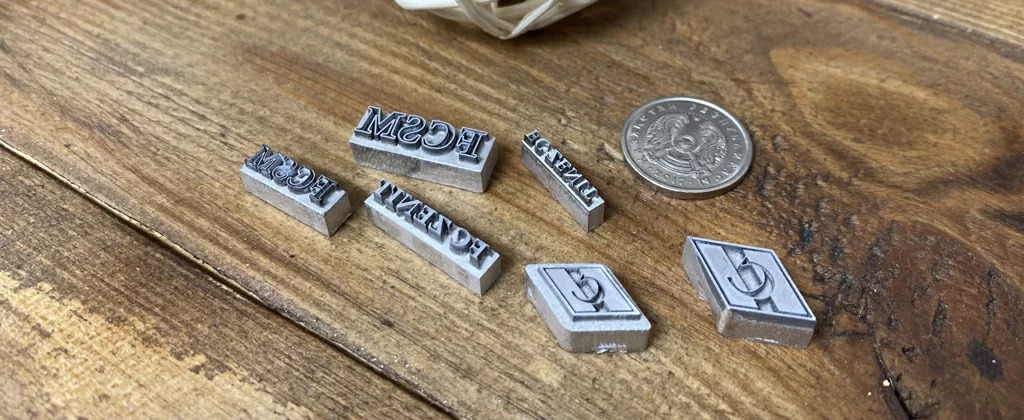
Creating a типографское клише is a blend of chemistry and precision engineering. It starts with a high-resolution digital file. In the old days, this would have been a camera negative.
- Preparation: The metal plate (zinc, magnesium, etc.) is cleaned and coated with a photo-sensitive enamel.
- Exposure: The negative of the image is placed over the plate. Strong UV light is shone onto it. The light hardens the enamel where the image is, but the dark parts of the negative block the light, leaving the enamel soft.
- Developing: The plate is washed. The soft, unexposed enamel washes away, leaving the bare metal exposed. The hardened enamel stays, protecting the image area.
- Etching: The plate is placed in an acid bath. The acid eats away the exposed metal but cannot touch the metal protected by the hardened enamel. This lowers the non-image areas, leaving the image raised.
- Finishing: The plate is cleaned, trimmed, and mounted onto a block to make it “type high” (standard height for a printing press).
For a brass типографское клише, the process often involves computer-controlled milling machines (CNC) rather than acid etching, allowing for incredible 3D precision.
Why Use a Cliché in the Digital Age?
You might be wondering, “Why do we need a huge metal plate when I can just print from my computer?” It’s a valid question. Digital printing is fast and cheap for small quantities. However, digital printing is essentially flat. It puts toner or ink on top of paper.
A типографское клише offers something digital cannot: texture and specialty finishes.
Tactile Experience
Luxury is often about how something feels. Digital printing feels like smooth paper. Letterpress printing, which uses a cliché, physically presses the design into the paper, creating a debossed texture you can feel. It implies craftsmanship and quality.
Specialty Techniques
You cannot print gold foil with a standard inkjet printer. To get that shiny, metallic effect (hot foil stamping), you need heat and pressure. A heated metal типографское клише presses the foil onto the paper. Similarly, for blind embossing (creating a raised image with no ink), you absolutely need a physical plate to reshape the paper fibers.
Durability and Consistency
For packaging that needs to be produced by the millions—like soda cans or cereal boxes—processes like flexography are used. These rely on durable plates derived from the concept of the типографское клише. They ensure that the millionth box looks exactly the same as the first one.
The Role of Typographic Cliché in Branding
Brands use every tool available to stand out. In a sea of digital noise, physical media is making a comeback. A business card printed with a deep impression from a типографское клише is memorable. It doesn’t get thrown away as easily as a flimsy digital print.
Luxury Packaging
Think about the box a new iPhone comes in, or a high-end perfume box. The logos are often embossed or foiled. This packaging design relies heavily on the production of high-quality clichés. It communicates value before the customer even opens the product.
Authenticity
There is a growing trend toward “maker culture” and authenticity. Artisan letterpress shops are thriving. They rescue old cast-iron presses and commission new типографское клише plates to print wedding invitations, coasters, and art prints. The slight imperfections and the deep impression of the plate are seen as signs of human touch and authenticity.
How to Order a Typographic Cliché
If you are a designer wanting to use this technology, you don’t make the plate yourself. You send your vector design files (usually from Adobe Illustrator) to a specialized photo-engraving or cliche-making company.
File Preparation
- Vector is King: You must use vector graphics (lines and curves), not pixels (photos). The machine needs clear mathematical paths to follow.
- Black and White: Files must be 100% black and white. Black represents the part of the типографское клише that will be raised (the printing surface).
- Resolution: If you must use raster images, they need to be very high resolution (1200 dpi bitmap) to avoid jagged edges on the plate.
Choosing the Right Maker
Not all engravers are the same. Some specialize in magnesium dies for foil stamping, while others focus on deep-etch letterpress plates. It is important to communicate clearly about what paper you are using, as this affects how deep the типографское клише needs to be etched.
Common Problems and Troubleshooting
Working with physical plates introduces physical problems that don’t exist in digital design.
The “Salty” Print
If the типографское клише is not perfectly flat or if the pressure on the press is uneven, you might get a “salty” look where the ink doesn’t cover the solid areas completely. This often requires “make-ready”—placing tiny pieces of tissue paper under the low spots of the block to even out the pressure.
Fine Lines and Small Text
There is a limit to how thin a line can be etched before it breaks or collapses under pressure. Designers need to be aware of the minimum line width specifications for the specific material of the типографское клише. If lines are too thin, they might wash away during the acid etching process.
Shoulder Angle
The “shoulder” is the slope from the raised printing surface down to the base of the plate. A steep shoulder creates a sharper image but is more fragile. A wide shoulder is stronger but can sometimes pick up ink and leave messy edges if not careful. The engraver adjusts the типографское клише etching process to get this balance right.
Environmental Impact of Cliché Production
The traditional process of making a типографское клише involves acids and heavy metals, which raises environmental concerns.
Acid Disposal
Zinc and magnesium etching uses nitric acid. Proper disposal and neutralization of this acid are critical. Modern etching plants have sophisticated water treatment systems to ensure no harmful chemicals are released into the waterways.
Water-Wash Plates
To combat these issues, the industry has developed water-washable photopolymer plates. These can be processed with regular tap water instead of harsh solvents, making the creation of a типографское клише much more eco-friendly. This is particularly popular in the letterpress community.
Recycling
Metal plates like copper, brass, and magnesium are highly recyclable. Once a print run is finished, the типографское клише can be melted down and reused to make new raw plates, creating a closed-loop cycle for the base material.
The Future of the Typographic Cliché
Will 3D printing replace the traditional типографское клише? It’s possible. We are already seeing 3D printed resin plates being used for some applications. However, for high-pressure industrial runs or precise foil stamping involving heat, metal is still superior.
The future likely holds a hybrid approach. Direct-to-plate (DTP) technology uses lasers to engrave the image directly onto the plate material, skipping the film negative step entirely. This makes the production of a типографское клише faster, sharper, and cleaner.
As we continue to value physical, tactile experiences in an increasingly virtual world, the role of these printing plates remains secure. They are the bridge between the digital idea and the physical reality.
Understanding the Terminology: A Quick Glossery
- Letterpress: Relief printing where ink is applied to the raised surface of the типографское клише.
- Embossing: Pressing an image into paper from the back to make it pop out (raised).
- Debossing: Pressing the image into the front of the paper to make it sunken.
- Hot Foil Stamping: Using heat and a metal die to transfer metallic foil to paper.
- Matrix: The mold from which a stereotype or cliché is cast.
FAQ: Frequently Asked Questions
Q1: What is the difference between a cliché and a stereotype?
A: In printing terms, they are very similar. A stereotype is specifically a solid metal plate cast from a mold of a page of type. A типографское клише is a broader term often used for any relief printing block, especially those created photomechanically for images.
Q2: Can I reuse a typografskoe klishe?
A: Yes! Metal clichés are very durable. If stored correctly (kept dry to prevent corrosion), they can be used for reprint after reprint for many years.
Q3: Is letterpress printing expensive?
A: Generally, yes. It is more expensive than digital printing because of the setup costs involved in making the типографское клише and the manual labor of setting up the press. However, the quality is superior.
Q4: How do I say “типографское клише”?
A: It is pronounced roughly as “tee-po-graf-sko-ye klee-sheh.”
Q5: Can a cliché print photographs?
A: Yes, through a process called halftoning. The image on the типографское клише is broken down into tiny dots of varying sizes. From a distance, the eye blends these dots into a continuous tone image.
Conclusion
The world of printing is vast and deeply technical, yet it produces the art and information we consume daily. The типографское клише is a hero of this industry. From the early days of newspapers to the modern luxury of gold-foiled wedding invitations, this tool has shaped how we read and feel text.
Even if you never operate a printing press, knowing about the cliché gives you a new appreciation for the physical objects around you. It reminds us that behind every printed page is a process of engineering, chemistry, and art. Next time you see a beautifully embossed package, you’ll know exactly what made it possible. For more insights on technology and innovation, you can visit https://siliconvalleytime.co.uk/.
The evolution from woodblocks to the modern типографское клише mirrors our own technological growth—always seeking faster, better, and more beautiful ways to communicate. To learn even more about the technical details of stereotypes and printing plates, you can check out this resource on Wikipedia.



