




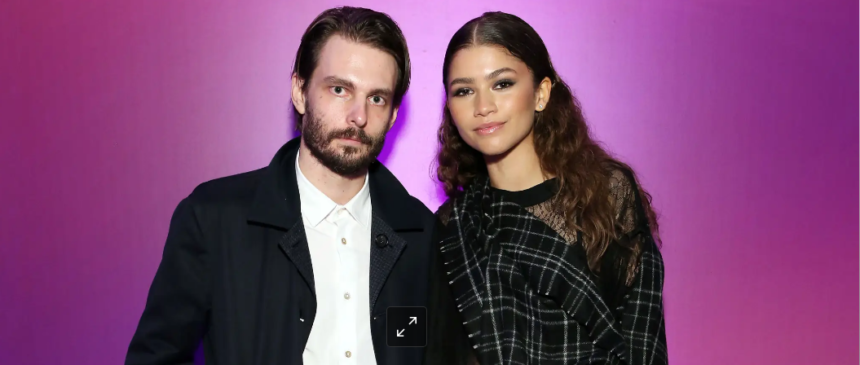

When you think about television shows that have completely changed the conversation about growing up in the 21st century, one name often comes to mind: Sam Levinson. He isn’t just a director or a writer; he is a storyteller who dives deep into the messy, complicated, and often beautiful parts of life. Whether you know him from his hit show Euphoria or his films, his style is unmistakable. He uses bright lights, intense music, and raw emotion to tell stories that stick with you long after the credits roll.
In this article, we are going to explore everything you need to know about Sam Levinson. We will look at where he came from, how he got his start in Hollywood, and why his work resonates so strongly with young people today. His journey wasn’t a straight line to success. Like many of the characters he writes, he faced his own battles. Understanding his past helps us appreciate the art he creates today. So, let’s dive into the world of this unique creator.
Key Takeaways
- Sam Levinson is the creator of the hit HBO series Euphoria.
- He is the son of famous director Barry Levinson but carved his own path.
- His personal struggles with addiction heavily influence his storytelling.
- Sam Levinson is known for a distinct visual style that uses color and music creatively.
- He has faced both massive praise and some controversy for his bold choices.
Who Is Sam Levinson?
To understand the art, you have to understand the artist. Sam Levinson was born on January 8, 1985. He grew up in a world that was already steeped in movies and storytelling. However, simply being around Hollywood didn’t guarantee him a free ride to success. In fact, his early life was filled with personal challenges that would later become the fuel for his most famous scripts. He is a writer, director, and actor who has become a major voice for the Gen Z experience, even though he is a millennial himself.
His work is often described as intense and emotional. He doesn’t shy away from difficult topics like anxiety, depression, or addiction. Instead, Sam Levinson puts these issues front and center. He treats teenagers with a level of seriousness that is rare in television. He doesn’t write down to his audience; he looks them in the eye. This respect for the young adult experience is a big reason why his shows have such a massive, dedicated following.
Early Life and Family Background
Sam Levinson comes from a very talented family. His father is Barry Levinson, the legendary director behind classic films like Rain Man and Good Morning, Vietnam. Growing up with a father who won an Academy Award meant that film sets were essentially his playground. He learned the language of cinema before he even finished school. However, having a famous last name can be a double-edged sword. It opens doors, but it also creates massive expectations.
Despite his privileged background, Sam Levinson had a turbulent adolescence. He has been very open about his struggles with drug addiction during his teenage years. These weren’t just minor bumps in the road; they were serious issues that shaped his view of the world. He spent time in rehabilitation centers, trying to find his footing. These painful experiences gave him a unique perspective on pain and recovery, themes that would later become central to his work on Euphoria.
Breaking Into the Industry
Getting a foot in the door in Hollywood is hard for anyone, even if your dad is famous. Sam Levinson started his career acting in small roles in his father’s films. This gave him a taste of being in front of the camera, but his true passion was storytelling. He wanted to create worlds, not just live in them. His first major step as a filmmaker came in 2011 when he wrote and directed the film Another Happy Day.
The film starred big names like Ellen Barkin and Demi Moore. It was a dark comedy about a dysfunctional family wedding. While it didn’t break box office records, it showed that Sam Levinson had a voice. He could write sharp dialogue and handle complex family dynamics. It was a promising start, but it would take a few more years before he found the project that would make him a household name. He spent those years refining his craft and preparing for his big break.
The Rise to Fame: Creating Euphoria
If there is one project that defines Sam Levinson, it is Euphoria. This show hit the world like a lightning bolt in 2019. It wasn’t just another teen drama; it was a cultural phenomenon. Based loosely on an Israeli miniseries, Levinson took the concept and completely made it his own. He infused it with his own memories, struggles, and artistic vision. The result was a show that felt dangerous, honest, and incredibly stylish.
The show follows a group of high school students as they navigate love and friendships in a world of drugs, sex, trauma, and social media. At the center is Rue Bennett, played by Zendaya. Rue is a character deeply connected to Sam Levinson himself. He has stated in interviews that Rue’s battle with addiction is a reflection of his own past. This personal connection is what makes the show feel so authentic. It isn’t just drama for drama’s sake; it’s a confession.
Casting Zendaya and Hunter Schafer
One of the smartest moves Sam Levinson made was his casting choices. Casting Zendaya as Rue was a risk at the time. She was known primarily as a Disney Channel star. Levinson saw something in her—a depth and vulnerability that she hadn’t yet shown the world. His instinct was correct. Zendaya’s performance became the anchor of the show, earning her two Emmy Awards. Their partnership is now considered one of the strongest actor-director duos in Hollywood.
Similarly, casting Hunter Schafer as Jules was a stroke of genius. Schafer was a model with no acting experience, but Sam Levinson saw that she embodied the spirit of the character perfectly. He worked closely with her to develop Jules’ storyline, ensuring that her experience as a trans woman was portrayed with dignity and complexity. This collaborative approach is a hallmark of Levinson’s style. He listens to his actors and lets them help shape the characters they play.
The Visual Style of Sam Levinson
You can pause almost any frame of Euphoria and it looks like a photograph. This is because Sam Levinson is obsessed with visuals. He doesn’t just want to tell a story; he wants you to feel it through color and light. He often uses distinct purple, blue, and gold lighting to create a dreamlike atmosphere. The camera is rarely still; it moves, spins, and floats through scenes, mirroring the chaotic emotions of the characters.
Key Visual Elements in His Work:
- Neon Lighting: Heavy use of saturated colors to set emotional tones.
- Long Takes: Scenes that go on for minutes without cutting, building tension.
- Makeup as Expression: Glitter tears and bold eyeliner became a massive trend.
- Music Integration: The soundtrack acts like another character in the story.
This style has been imitated by countless other shows and movies since Euphoria premiered. It proved that audiences, especially younger ones, are smart enough to appreciate complex visual storytelling. Sam Levinson trusts his viewers to follow him on these stylistic journeys, even when they get abstract or surreal.
Other Notable Works by Sam Levinson
While Euphoria is the crown jewel, it isn’t the only thing Sam Levinson has done. He is a prolific creator who likes to keep working. During the pandemic, when most productions shut down, he found a way to make a movie. This drive to create is what separates him from many of his peers. He seems to have a constant need to express himself through film.
Malcolm & Marie
Released in 2021, Malcolm & Marie is a black-and-white romantic drama starring Zendaya and John David Washington. Sam Levinson wrote and directed this film during the COVID-19 lockdown. The entire movie takes place in one house over the course of a single night. It focuses on a filmmaker and his girlfriend returning home from a movie premiere. Tensions rise as they discuss their relationship and their pasts.
The film received mixed reviews. Some critics praised the acting and the cinematography, while others felt the dialogue was self-indulgent. However, it showcased Sam Levinson‘s ability to write intense, dialogue-heavy scenes. It was essentially a two-hour argument captured on beautiful black-and-white film. It proved he could strip away the glitter and neon of Euphoria and still make something compelling with just two actors in a room.
The Idol
More recently, Sam Levinson co-created the HBO series The Idol with The Weeknd (Abel Tesfaye). This show was surrounded by controversy before it even aired. It tells the story of a pop star trying to reclaim her fame while getting involved with a cult leader. The show aimed to be a satire of the music industry and fame, but it faced a rocky road.
Reports of production issues and creative differences plagued the show. When it finally premiered, the reaction was polarized. Some viewers appreciated the dark, glossy look that is typical of Sam Levinson, while others felt the story was too graphic or lacked substance. Despite the backlash, it showed that Levinson is willing to take big risks, even if they don’t always land perfectly with every critic.
Themes and Storytelling Techniques
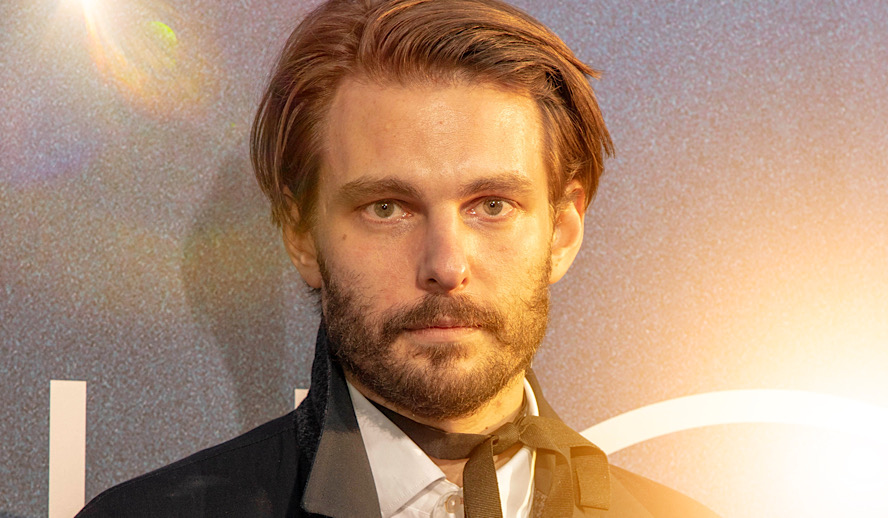
Every director has a fingerprint, and Sam Levinson is no different. His work consistently revolves around specific themes. He is fascinated by the human condition, specifically the parts we try to hide. Addiction, mental health, and the search for identity are pillars of his writing. He doesn’t offer easy answers or happy endings wrapped in a bow. He prefers to leave things messy, just like real life.
Addiction and Recovery
Because of his personal history, Sam Levinson writes about addiction with a brutal honesty that is rare in Hollywood. In Euphoria, Rue’s cycles of sobriety and relapse are painful to watch, but they are realistic. He doesn’t glamorize the drugs; he shows the destruction they cause to the user and their family. This has made his work incredibly important for many viewers who see their own struggles reflected on screen.
He often uses fantasy sequences to show what the drug high feels like, contrasting it sharply with the grim reality of the comedown. This technique helps the audience understand why the character is using, without excusing the behavior. It creates empathy. When you watch a Sam Levinson project, you aren’t judging the addict; you are rooting for the human being underneath the addiction.
Generational Anxiety
Sam Levinson captures the specific anxiety of growing up in the digital age. His characters are constantly bombarded with information, images, and pressure from social media. He understands that for Gen Z, the online world is just as real as the physical world. His stories explore how this constant connectivity affects self-esteem, relationships, and mental health.
The characters in his shows often feel like they are inheriting a broken world. There is a sense of hopelessness or nihilism that permeates his work, but there are also glimmers of profound hope and connection. He suggests that even in a chaotic world, finding someone who understands you can save your life. This balance of darkness and light is key to his storytelling success.
Collaborations and Relationships
Filmmaking is a team sport. Sam Levinson has built a tight-knit circle of collaborators who help bring his visions to life. He tends to work with the same people repeatedly, building a level of trust that allows for greater creative risks. This loyalty is evident in his recurring work with certain actors and crew members.
One major collaborator is cinematographer Marcell Rév. Rév is the eye behind the lens for both Euphoria and Malcolm & Marie. He and Sam Levinson have developed a visual language together. They understand each other without needing to speak, which allows them to work quickly and effectively. Their partnership is responsible for the signature “Levinson look” that fans love.
The Zendaya Partnership
We cannot talk about Sam Levinson without mentioning Zendaya again. Their relationship goes beyond director and actor; they are creative partners. Zendaya serves as an executive producer on Euphoria, giving her a say in the direction of the show. Levinson has often said that he writes with her voice in mind.
This partnership has elevated both of their careers. For Zendaya, working with Sam Levinson allowed her to break out of the child star mold and be taken seriously as a dramatic actress. For Levinson, having a star of Zendaya’s caliber who trusts him completely allows him to push boundaries that other directors might shy away from.
Criticism and Controversy
No artist who pushes boundaries escapes criticism. Sam Levinson has faced his fair share of backlash. Critics have argued that his work can be overly sexualized or gratuitous. Some have questioned whether the intense depictions of drug use and trauma in Euphoria are responsible or if they cross a line into exploitation.
There have also been reports regarding the working conditions on his sets. Rumors of long hours and disorganized shoots surfaced during the filming of Euphoria season two. While some defend his methods as part of the creative process, others argue that a director needs to maintain a more structured environment.
However, controversy often fuels conversation. The debates surrounding Sam Levinson and his work keep him relevant. People are talking about his shows, writing essays about them, and dissecting every scene. In the modern media landscape, being provocative is often a key to longevity. Love him or hate him, you cannot ignore him.
Comparison of Works
Here is a quick look at how his major projects compare:
|
Project |
Role |
Genre |
Key Themes |
Reception |
|---|---|---|---|---|
|
Another Happy Day |
Writer/Director |
Dark Comedy |
Family dysfunction, mental health |
Positive/Mixed |
|
Assassination Nation |
Writer/Director |
Thriller/Satire |
Social media, mob mentality |
Cult Following |
|
Euphoria |
Creator/Director |
Teen Drama |
Addiction, identity, trauma |
Critical Acclaim |
|
Malcolm & Marie |
Writer/Director |
Romantic Drama |
Relationships, art vs. criticism |
Mixed |
|
The Idol |
Co-Creator |
Drama |
Fame, industry exploitation |
Negative/Polarizing |
Sam Levinson’s Impact on Fashion and Music
The influence of Sam Levinson extends far beyond the screen. Euphoria triggered a massive shift in fashion and makeup trends. The “Euphoria makeup” look—characterized by glitter, rhinestones, and bright neon colors—became a global phenomenon. You could walk into a high school or scroll through TikTok and see the direct impact of Levinson’s visual choices.
The music in his shows is equally influential. He works closely with the musician Labrinth to create original scores that are soulful and electronic. The music isn’t just background noise; it drives the emotional beat of the scene. Songs from the Euphoria soundtrack have charted globally, introducing Labrinth’s music to a massive new audience. This ability to blend visual art with audio and fashion makes Sam Levinson a true multi-media artist.
Why Gen Z Loves Him
It might seem strange that a man in his late 30s is the voice of a generation, yet Gen Z claims Sam Levinson‘s work as their own. Why? Because he validates their feelings. He doesn’t dismiss teenage emotions as “phases.” He treats a high school breakup with the same gravity as a divorce. He acknowledges that growing up today is scary and hard.
By not sanitizing the teenage experience, he shows respect. Viewers feel seen. Even if their lives aren’t as dramatic as Rue’s or Jules’, they relate to the underlying feelings of loneliness, confusion, and the desire to be loved. For more insights into cultural trends and modern storytelling, you can check out resources like Silicon Valley Time.
Future Projects and What’s Next
What does the future hold for Sam Levinson? Fans are eagerly awaiting the third season of Euphoria. Due to the Hollywood strikes and the busy schedules of the cast, the wait has been long. However, expectations are sky-high. Levinson has hinted that the show might take a time jump or explore a “film noir” tone for Rue.
Beyond Euphoria, Sam Levinson will likely continue to make films. He has established himself as a director who can attract A-list talent. Whether he stays in the realm of gritty drama or tries his hand at something completely new, the industry will be watching. He has the freedom now to pick and choose his projects, a luxury he earned through the massive success of his HBO work.
FAQs About Sam Levinson
Here are some common questions people ask about this director.
1. Is Sam Levinson related to Barry Levinson?
Yes, Sam Levinson is the son of Barry Levinson, the famous director of films like Rain Man and Wag the Dog.
2. Did Sam Levinson struggle with addiction?
Yes, he has been very open about his past struggles with drug addiction during his teenage years. He has been sober for many years and uses his experiences to write authentic stories, particularly for the character Rue in Euphoria.
3. What is Sam Levinson’s most famous show?
His most famous work is undoubtedly Euphoria, an HBO series starring Zendaya.
4. Does Sam Levinson act in movies?
He started his career with small acting roles, appearing in films like Stoic and The Private Lives of Pippa Lee, but he is now primarily known as a writer and director.
5. Why is the lighting in his shows so distinct?
Sam Levinson and his cinematographer prefer using Kodak Ektachrome film and strong, colorful lighting to create an emotional, heightened reality rather than a strictly realistic look.
Conclusion
Sam Levinson is a defining voice in modern entertainment. He has managed to take his personal demons and transform them into art that resonates with millions of people. His work on Euphoria has set a new standard for what teen dramas can look and feel like. Through bold visuals, incredible music choices, and raw, honest writing, he has captured the anxiety and the ecstasy of being young in the 21st century.
While he is not without his critics, his impact is undeniable. He challenges audiences to look at uncomfortable truths and find the beauty within them. As he continues his career, it will be fascinating to see how his storytelling evolves. Whether you are a die-hard fan of his shows or just curious about the man behind the camera, there is no denying that Sam Levinson is a creative force to be reckoned with. For more updates on influential figures in media, keep an eye on Silicon Valley Time.