




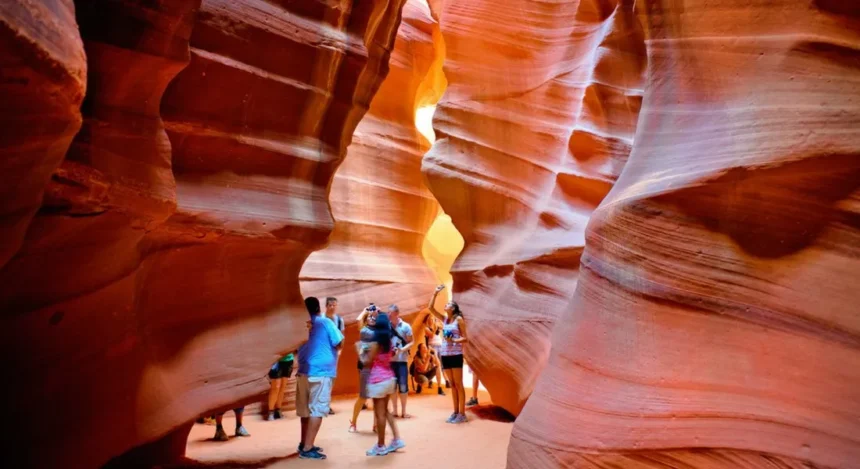

Welcome to your ultimate guide to one of the most breathtaking natural wonders in the American Southwest: Lower Antelope Canyon. If you’ve ever seen those incredible photos of swirling sandstone walls lit by magical beams of light, you were likely looking at this very spot. Located near Page, Arizona, on Navajo Nation land, this slot canyon offers an adventure that feels like stepping onto another planet. Unlike its upper counterpart, a trip through Lower Antelope Canyon involves navigating a series of ladders and narrow passages, making it a more hands-on and thrilling experience.
This guide is designed to give you all the information you need to plan a successful and unforgettable visit. We’ll cover everything from what makes this canyon so special to booking your tour, what to expect on the trail, and how to capture those perfect photos. Prepare to be amazed by the artistry of nature.
Key Takeaways
- Booking is Mandatory: You cannot visit Lower Antelope Canyon on your own. You must book a guided tour with one of the authorized Navajo tour operators.
- Physical Requirements: The tour involves descending and climbing several sets of steep stairs and ladders, as well as walking through narrow, sandy passages. It requires a moderate level of physical fitness.
- Photography is a Highlight: The canyon is a photographer’s dream. The best lighting conditions are typically mid-day, but any time of day offers stunning visuals.
- Respect the Land: Lower Antelope Canyon is a sacred site to the Navajo people. Visitors are expected to be respectful, follow their guide’s instructions, and leave no trace.
What Is Lower Antelope Canyon?
Lower Antelope Canyon, known as Hasdestwazi or “spiral rock arches” by the Navajo people, is a world-famous slot canyon. But what exactly is a slot canyon? It’s a narrow channel cut deep into rock, usually sandstone, by the powerful force of water over millions of years. Flash floods, carrying sand and debris, have sculpted the canyon’s walls into the smooth, flowing shapes you see today. The process is a stunning example of erosion, a topic often covered in educational resources like those found at https://siliconvalleytime.co.uk/.
What makes Lower Antelope Canyon so unique is its V-shape, which is narrower at the bottom and wider at the top. This geological formation allows sunlight to filter down from above, creating a dynamic play of light and shadow on the canyon walls. As the sun moves across the sky, the colors within the canyon shift, ranging from deep purples and blues to vibrant oranges and reds. It’s a living canvas of light, making every visit a unique experience. Its formation is a fascinating subject in geology, which you can read more about on sites like Wikipedia.
Upper vs. Lower Antelope Canyon: What’s the Difference?
When planning a trip, one of the most common questions is whether to visit Upper or Lower Antelope Canyon. While both are parts of the same wash and offer spectacular beauty, they provide very different experiences.
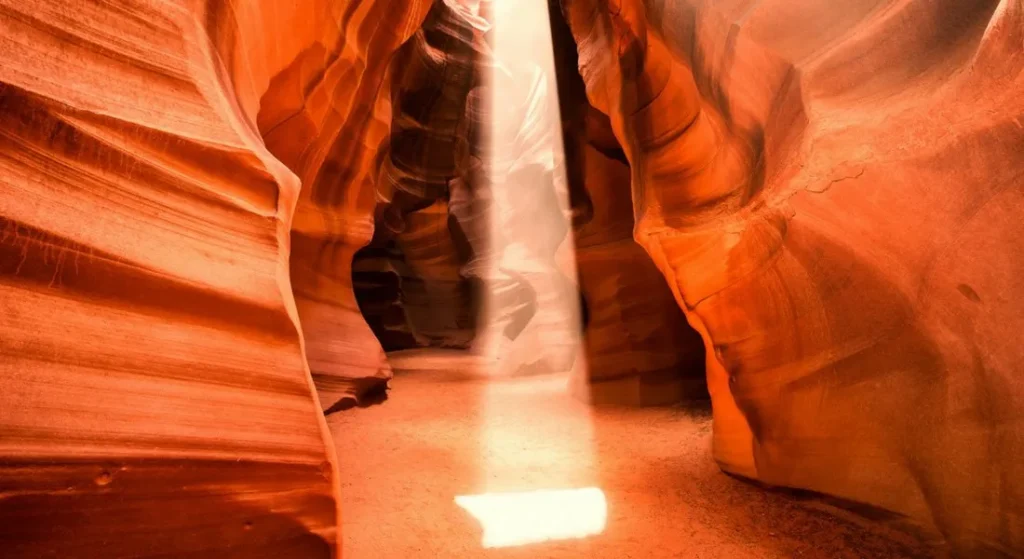
Upper Antelope Canyon is known for its A-shape, meaning it is wider at the bottom and narrower at the top. This structure is famous for creating the dramatic, direct beams of light that shine down to the canyon floor, especially during the summer months. The walk through Upper Antelope Canyon is entirely flat and on sandy ground, making it accessible to a wider range of visitors, including those with mobility concerns. Because of this, it is often more crowded and tours can feel more rushed.
In contrast, Lower Antelope Canyon offers a more adventurous journey. Its V-shape means the light is more ambient and reflected, creating a soft, ethereal glow throughout the canyon. The tour is longer and more physically demanding, requiring visitors to navigate a series of steep metal staircases to descend into and ascend out of the canyon. This one-way path often results in a less crowded feeling, allowing more time to appreciate the intricate details of the rock formations.
|
Feature |
Upper Antelope Canyon |
Lower Antelope Canyon |
|---|---|---|
|
Shape |
A-Shaped (Wide at bottom) |
V-Shaped (Narrow at bottom) |
|
Light |
Famous for direct light beams |
Ambient, glowing light |
|
Physicality |
Flat, sandy walk |
Stairs, ladders, narrow passages |
|
Accessibility |
Easier, more accessible |
More strenuous, requires mobility |
|
Crowd Level |
Often more crowded |
Can feel less crowded (one-way trail) |
Which Canyon Is Right for You?
Choosing between the two depends on your priorities.
- Choose Upper Antelope Canyon if: You are looking for the iconic light beams (seasonal), need an easy, flat walk, or are traveling with small children or individuals with limited mobility.
- Choose Lower Antelope Canyon if: You want a more adventurous and physical experience, prefer a longer tour with potentially fewer crowds, and are excited by the idea of climbing ladders through a subterranean wonderland.
Booking Your Lower Antelope Canyon Tour
You absolutely must book a tour to see Lower Antelope Canyon. Access is strictly controlled to preserve the fragile environment and ensure visitor safety. All tours are led by authorized Navajo guides who share valuable information about the canyon’s geology, history, and cultural significance.
Authorized Tour Operators
Only a few companies are authorized to operate tours in Lower Antelope Canyon. The two primary operators are:
- Ken’s Tours
- Dixie’s Lower Antelope Canyon Tours
These two companies are located right next to each other at the canyon’s entrance. Both offer similar tour experiences and pricing, so you can’t go wrong with either one. It’s crucial to book directly through their official websites or by phone. Avoid third-party resellers that may charge extra fees or provide misleading information.
When to Book Your Tour
Booking in advance is essential, especially if you plan to visit during the peak season (spring, summer, and fall). Tours can sell out weeks or even months ahead of time.
- Peak Season (March – October): Book at least 2-3 months in advance.
- Off-Season (November – February): You may be able to book a week or two in advance, but booking earlier is always a safer bet.
The time of day you choose for your tour will also affect your experience. Mid-day tours (around 10:00 AM to 1:00 PM) are the most popular because the sun is directly overhead, providing the brightest light inside the canyon. However, morning and afternoon tours are also fantastic, offering different moods with softer light and deeper, more saturated colors.
Preparing for Your Visit
Once your tour is booked, it’s time to prepare for the day. Arriving ready will ensure your visit to Lower Antelope Canyon is smooth and enjoyable.
What to Wear
Comfort is key. You will be walking on uneven, sandy terrain and climbing stairs.
- Footwear: Wear sturdy, closed-toe shoes with good grip. Hiking shoes, sneakers, or athletic shoes are perfect. Do not wear sandals, flip-flops, or high heels.
- Clothing: Dress in layers. The temperature inside the canyon is usually cooler than outside, but the Arizona sun can be intense while you wait for your tour. Light, breathable clothing is best. In winter, a jacket is a good idea.
- Sun Protection: Bring a hat, sunglasses, and sunscreen. You will be exposed to the sun before and after your tour.
What to Bring (and What to Leave Behind)
Tour operators have very strict rules about what you can bring into the canyon. This is to protect the delicate sandstone and ensure safety in the narrow passages.
Allowed Items:
- Camera (without a bag)
- Phone
- Water in a clear bottle
Prohibited Items:
- Bags of any kind (backpacks, purses, camera bags, fanny packs)
- Tripods, monopods, and selfie sticks
- GoPros or other video recording equipment (video is not allowed)
- Food and drinks (other than clear water)
- Drones
- Strollers
Always double-check the specific rules of your tour operator before you go. It’s best to leave all non-essential items locked securely in your car.
The Lower Antelope Canyon Experience: A Step-by-Step Journey
Your adventure begins when you check in at the tour office, located a few miles east of Page, AZ. Here’s what you can expect from start to finish.
Arrival and Check-In
Plan to arrive at least 30 minutes before your scheduled tour time. Remember that Arizona does not observe Daylight Saving Time, but the Navajo Nation (where the canyon is located) does. This can be confusing, so confirm the correct local time with your tour operator. After checking in, you’ll be assigned to a small group with a dedicated guide.
The Walk to the Canyon Entrance
From the check-in area, your group will take a short walk across the desert landscape to the canyon entrance. This walk is about 10 minutes long and is fully exposed to the sun. Your guide will likely use this time to share some initial facts about the area and explain the rules for being inside the canyon.
Descending into the Canyon
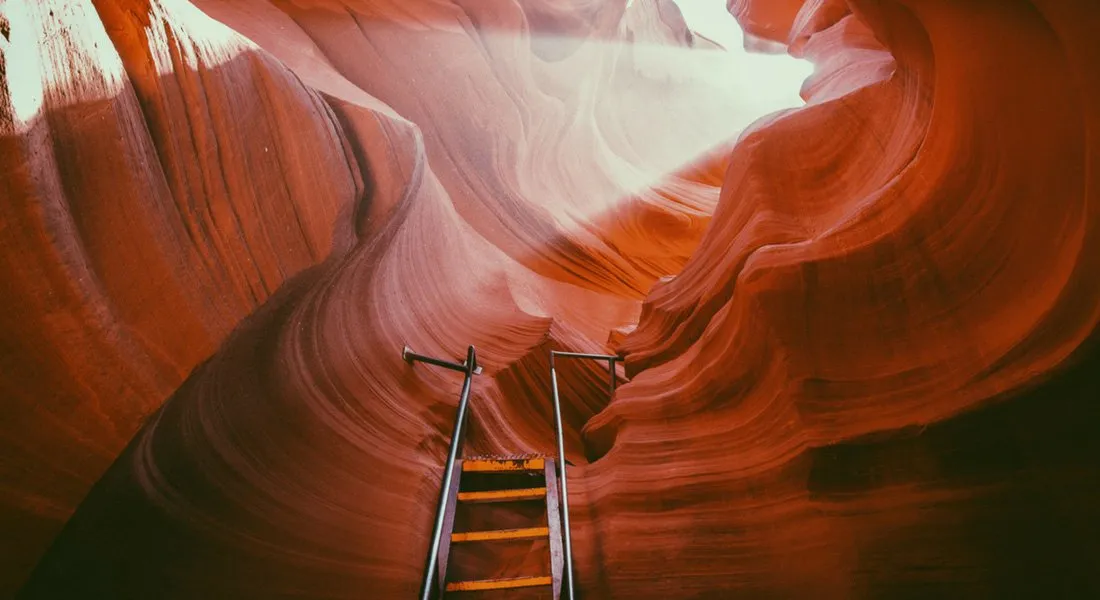
The entrance to Lower Antelope Canyon is a narrow fissure in the earth. The real adventure begins as you descend the first, and steepest, set of metal stairs. These stairs are more like ladders and require you to face them as you climb down. Take your time, hold onto the handrails, and listen to your guide’s instructions. This descent is what gives the canyon its adventurous reputation and immediately immerses you in a different world.
Walking Through the Winding Passages
Once at the bottom, you’ll spend the next hour or so walking approximately one mile through the magical slot canyon. Your guide will lead the way, pointing out famous formations with names like “The Lady in the Wind” and “The Rocky Mountain Sunset.” They are also masters of photography and will show you the best spots and camera settings to capture the canyon’s beauty.
The path is a one-way trail, which helps manage the flow of people. You’ll navigate narrow passages, squeeze through tight spots, and climb several smaller sets of stairs and ladders along the way. The floor is mostly soft sand, making for a pleasant walk. Look up, look around, and soak in the incredible textures and colors of the sandstone walls.
Exiting the Canyon
The tour concludes as you climb a final series of stairs that lead you back up to the desert surface through a narrow slot. It’s always a bit jarring to emerge from the cool, shaded wonderland back into the bright, open desert. From there, it’s a short walk back to the tour building, where your incredible journey through Lower Antelope Canyon comes to an end.
Photography Tips for Lower Antelope Canyon
For many, capturing the beauty of Lower Antelope Canyon is a primary goal. While professional photography equipment is not necessary, a few tips can help you get the best shots with your phone or camera.
Smartphone Photography
Modern smartphones are incredibly capable of taking stunning photos in the canyon.
- Use Your Phone’s Pro/Manual Mode: If your phone has it, learn to use the manual settings. Adjusting the ISO and exposure can help you capture the light correctly.
- Find the Right Color Profile: On many phones (like iPhones), the “Vivid” or “Vivid Warm” settings can really make the orange and red tones pop.
- Tap to Focus and Adjust Exposure: Tap on a brighter part of the wall on your screen. This tells the camera to not overexpose the shot, preserving the rich colors.
- Listen to Your Guide: Your guide knows all the best angles and phone settings. They can help you set up the perfect shot.
Camera Photography
If you’re bringing a DSLR or mirrorless camera:
- Lens Choice: A wide-angle lens (e.g., 16-35mm) is ideal for capturing the grand scale of the canyon.
- Settings: Shoot in RAW for maximum editing flexibility. A good starting point for settings is a low ISO (100-400), an aperture of f/8 or higher to keep everything in focus, and an adjusted shutter speed. Since tripods are not allowed, you may need to increase your ISO in darker sections to avoid blurry photos.
- No Flash: Flash photography is prohibited. It washes out the natural colors and ruins the experience for others.
The Best Time of Year to Visit
Lower Antelope Canyon is open year-round, and each season offers a unique experience.
- Spring (March-May): Pleasant weather and great lighting make this a popular time. The crowds start to build, so book well in advance.
- Summer (June-August): This is the peak season. The light is brightest, but temperatures outside the canyon can be extremely hot (over 100°F / 38°C). This is also the monsoon season, which brings a slight risk of flash floods and tour cancellations.
- Fall (September-October): The weather is beautiful again, and the crowds begin to thin slightly toward the end of the season. The light is still fantastic.
- Winter (November-February): This is the off-season. You’ll encounter far fewer people and enjoy a more peaceful tour. The light is softer, creating beautiful pastel colors on the canyon walls. While you won’t see the intense overhead light of summer, the serene atmosphere is a major plus.
Safety and Respect in the Canyon
Visiting Lower Antelope Canyon comes with the responsibility of keeping yourself safe and respecting this sacred site.
Understanding Flash Flood Risks
Slot canyons are formed by flash floods and remain susceptible to them. Tour operators monitor weather conditions very carefully, using real-time data from upstream. If there is any risk of flooding, tours will be canceled. This is for your safety. Always heed the warnings and instructions of your guide. A tragic flash flood occurred in 1997, which you can learn more about on its Wikipedia page: https://en.wikipedia.org/wiki/1997_Antelope_Canyon_flash_flood. This event led to the strict safety measures in place today.
Respecting Navajo Culture
Remember, you are a guest on Navajo land. Lower Antelope Canyon is a sacred place with deep cultural significance.
- Listen to Your Guide: They are the guardians of this land. Follow all their rules and instructions.
- Leave No Trace: Do not touch the canyon walls unnecessarily, and never carve or write on them. Pack out everything you bring in.
- Be Respectful: Keep your voice down and be mindful of other groups. Do not scatter ashes or perform ceremonies without permission.
By being a respectful visitor, you help preserve the beauty and sanctity of Lower Antelope Canyon for generations to come.
Conclusion
A visit to Lower Antelope Canyon is more than just a photo opportunity; it’s a true adventure into the heart of a geological masterpiece. From the thrilling descent on steep ladders to the peaceful walk through winding, sunlit passages, every moment is filled with awe and wonder. The interplay of light, color, and sculpted stone creates a surreal environment that feels both ancient and alive.
By booking a tour with an authorized Navajo guide, you not only ensure your safety but also gain a deeper appreciation for the canyon’s cultural and geological history. Whether you are a seasoned photographer, an adventure seeker, or simply a lover of natural beauty, Lower Antelope Canyon promises an experience that will stay with you long after you’ve climbed back into the desert sun.
Frequently Asked Questions (FAQ)
Q: Do I need a guide for Lower Antelope Canyon?
A: Yes, you absolutely need a guide. It is located on Navajo land, and for safety and preservation reasons, access is only permitted with an authorized Navajo tour group.
Q: Is Lower Antelope Canyon difficult to tour?
A: It is moderately difficult. The tour requires climbing down and up several steep staircases/ladders and walking through narrow spaces. It is not suitable for those with mobility issues, a fear of heights, or claustrophobia.
Q: How long is the Lower Antelope Canyon tour?
A: The entire experience, including check-in and walking to and from the canyon, is about 90 minutes. You will spend approximately 60 minutes inside the canyon itself, walking about one mile.
Q: Can I bring my kids to Lower Antelope Canyon?
A: Most tour companies have a minimum age requirement, often around 6 or 7 years old. Children must be able to walk the entire distance and navigate the stairs on their own. Infants and toddlers who need to be carried are not allowed for safety reasons. Always check the policy of your specific tour operator.
Q: What happens if my tour is canceled due to weather?
A: If your tour is canceled due to weather, such as high winds or the risk of a flash flood, the tour company will typically offer you a full refund or the option to reschedule for another day, pending availability.