




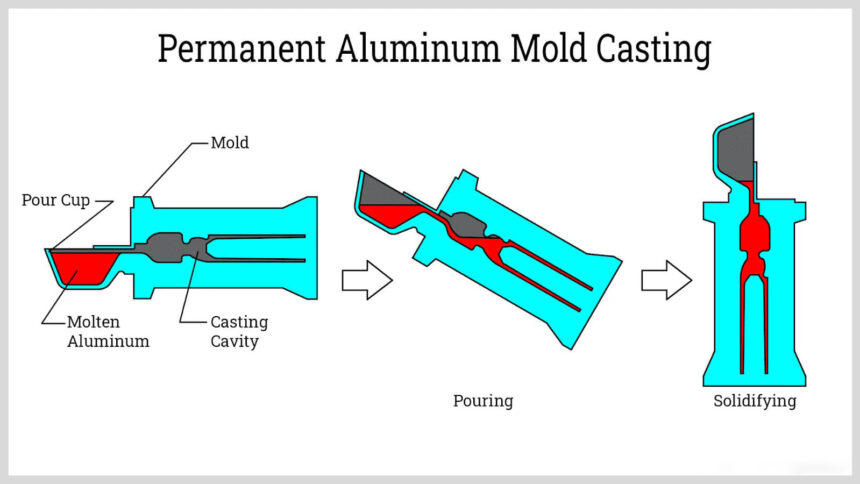

Welcome to the fascinating world of metal casting! It’s a process that has shaped human civilization for thousands of years, from ancient tools to modern marvels of engineering. At the core of this transformative process is the concept of casting heat. Understanding how to properly apply and control heat is fundamental to creating strong, reliable, and precise metal parts. This guide will walk you through everything you need to know about casting heat, breaking down complex ideas into simple, easy-to-understand concepts.
Whether you’re a hobbyist looking to start a new project, a student learning about materials science, or just curious about how metal objects are made, you’ve come to the right place. We’ll explore the different types of heat, the equipment used, and the critical role temperature plays in turning solid metal into a liquid that can be shaped into almost any form imaginable.
Key Takeaways
- Casting heat is the thermal energy required to melt metal for the casting process, and its management is crucial for quality.
- Different metals have unique melting points and require specific temperature controls.
- Proper preheating of molds and ladles prevents defects like cracks and ensures smooth metal flow.
- Safety is paramount when working with the extreme temperatures involved in casting.
- Cooling rates are just as important as heating, as they directly impact the final properties of the cast part.
What Exactly Is Casting Heat?
At its most basic, casting heat refers to the thermal energy applied to a solid metal to raise its temperature beyond its melting point, turning it into a molten liquid. This liquid metal is then poured into a mold, where it cools and solidifies into the desired shape. However, the term encompasses more than just melting. It includes the entire thermal management of the casting process, from preheating equipment to controlling the cooling rate of the final product.
Think of it like baking a cake. You don’t just put the batter in a cold oven; you preheat the oven to a specific temperature. If the temperature is too low, the cake won’t rise. If it’s too high, it will burn on the outside while remaining raw inside. Similarly, precise control over casting heat is essential for success in metalwork. Insufficient heat means the metal won’t flow properly into the mold, while excessive heat can damage the metal’s properties, introduce impurities, or even destroy the mold itself.
The Science Behind Melting Metals
Every metal has a specific melting point, which is the temperature at which it transitions from a solid to a liquid state. For instance, aluminum melts at around 1221°F (660°C), while iron requires a much higher temperature of about 2800°F (1538°C). The energy needed to reach this point is just the beginning. Additional energy, known as the latent heat of fusion, is required to complete the phase change from solid to liquid without any further increase in temperature.
Managing casting heat effectively means providing enough energy to not only reach the melting point but also to fully liquefy the metal and often raise it to a “superheat” temperature. Superheating involves heating the molten metal slightly above its melting point to ensure it remains fluid long enough to completely fill the mold cavity before it begins to solidify.
The Importance of Precise Temperature Control
Controlling temperature is arguably the single most important factor in achieving a high-quality cast. Even minor deviations can lead to significant problems, from cosmetic flaws to catastrophic structural failures. The application of casting heat must be precise, consistent, and tailored to the specific metal and casting method being used.
Without this control, casters face a host of potential defects. If the metal is too cool when poured, it may solidify prematurely, resulting in an incomplete part—a defect known as a misrun. It can also lead to cold shuts, where two streams of molten metal fail to fuse together properly, creating a weak seam in the final product. On the other hand, if the casting heat is too high, it can cause the metal to absorb excess gas, leading to porosity (tiny bubbles trapped in the metal) or react with the mold material, resulting in a poor surface finish.
Impact on Metal Properties
The final mechanical properties of a cast part—its strength, hardness, and ductility—are directly influenced by the thermal cycle it undergoes. The peak temperature reached, the time spent in a molten state, and especially the cooling rate all play critical roles. Rapid cooling, or quenching, often results in a harder but more brittle material. Slower cooling, or annealing, typically produces a softer, more ductile part. By carefully managing the entire casting heat cycle, manufacturers can engineer parts with specific, predictable properties tailored for their intended application.
Furnaces: The Heart of the Casting Operation
The furnace is the primary piece of equipment used to generate casting heat. There are several types of furnaces, each suited for different metals, production volumes, and operational needs. The choice of furnace depends on factors like the required temperature, the type of metal being melted, energy efficiency, and cost.
A furnace’s job is to contain the metal and efficiently transfer heat to it until it becomes molten. Modern furnaces are designed for precise temperature control and safety, often incorporating advanced sensors and automated systems. Let’s explore some of the most common types used in the industry today.
Induction Furnaces
Induction furnaces are a popular choice for melting a wide range of metals, including steel, iron, copper, and aluminum. They work by using electromagnetic induction to generate heat directly within the metal itself. A powerful alternating current flows through a copper coil, creating a strong magnetic field. This field induces swirling electrical currents, known as eddy currents, within the metal charge. The metal’s natural resistance to these currents generates intense heat, causing it to melt quickly and efficiently.
One of the key advantages of induction furnaces is their clean operation. Since no combustion is involved, there is minimal contamination of the metal from fuel byproducts. They also offer excellent temperature control and a stirring action created by the magnetic fields, which helps ensure a uniform temperature and chemical composition throughout the molten bath.
Electric Arc Furnaces (EAF)
Electric arc furnaces are powerhouses used primarily for melting steel, often from scrap metal. These furnaces use high-voltage graphite electrodes to create a massive electric arc that stretches from the electrodes to the metal charge. This arc generates tremendous amounts of casting heat, with temperatures reaching well over 3000°F (1650°C), easily melting the steel scrap.
EAFs are vital to the steel recycling industry, turning millions of tons of scrap cars, appliances, and structural steel back into new, high-quality products. While incredibly powerful, they are also energy-intensive. However, their ability to process large volumes of material makes them indispensable for large-scale steel production.
Crucible Furnaces
For smaller-scale operations, hobbyists, and foundries working with non-ferrous metals like aluminum, brass, and bronze, crucible furnaces are a common choice. These furnaces heat a container, or crucible, which holds the metal. The heat is generated by burning fuel (like propane or natural gas) or by electric resistance elements surrounding the crucible.
Crucible furnaces are relatively simple, affordable, and versatile. They are perfect for producing smaller batches of molten metal and are often the entry point for those new to metal casting. Proper management of the casting heat in these furnaces is crucial to avoid overheating the crucible, which can cause it to crack or fail.
|
Furnace Type |
Primary Use |
Heating Method |
Key Advantage |
|---|---|---|---|
|
Induction Furnace |
Steel, Iron, Copper, Aluminum |
Electromagnetic Induction |
Cleanliness, efficiency, control |
|
Electric Arc Furnace |
Steel (Scrap Recycling) |
High-Voltage Electric Arc |
High volume, powerful |
|
Crucible Furnace |
Non-ferrous metals (Al, Brass) |
Fuel Combustion or Electric Resistance |
Versatility, lower cost |
The Role of Preheating in Casting
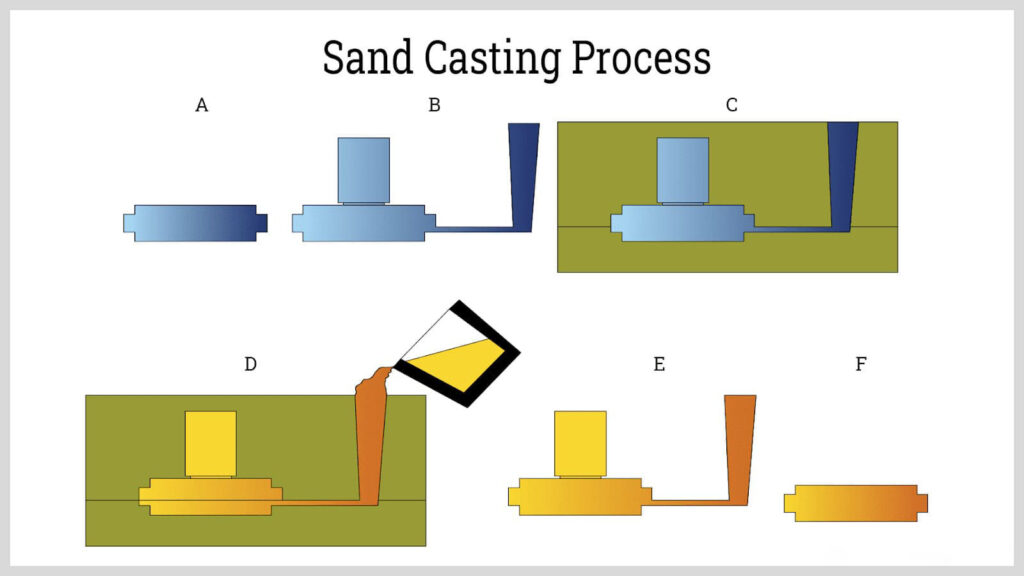
The concept of casting heat isn’t limited to just melting the primary metal. Preheating other components in the casting process, such as the ladle and the mold itself, is a critical step for preventing defects and ensuring a successful pour. Pouring molten metal into a cold or unprepared vessel is a recipe for disaster.
A ladle is the vessel used to transfer molten metal from the furnace to the mold. If a ladle is cold, it can chill the molten metal too quickly, potentially causing it to solidify before the pour is complete. Even worse, the thermal shock—the rapid expansion caused by the extreme temperature difference—can crack the ladle, creating a serious safety hazard. Preheating the ladle to a temperature closer to that of the molten metal mitigates these risks, ensuring the metal stays fluid and the equipment remains intact.
Why Preheating the Mold is Non-Negotiable
Similarly, pouring molten metal into a cold mold can cause a range of problems.
- Thermal Shock: Just like with ladles, a cold mold can crack, especially if it’s made from a brittle material like plaster or ceramic.
- Surface Defects: Moisture condensing on a cold mold surface can turn to steam instantly upon contact with molten metal, creating gas pockets that lead to porosity and a rough surface finish.
- Incomplete Fills (Misruns): The cold mold walls can extract heat from the molten metal so rapidly that it solidifies before it has a chance to fill the entire mold cavity.
By preheating the mold, casters ensure a smoother, more complete flow of metal and reduce the likelihood of these common defects. The preheating temperature depends on the mold material and the type of metal being cast, but it’s a step that should never be skipped.
Cooling and Solidification: The Other Half of the Equation
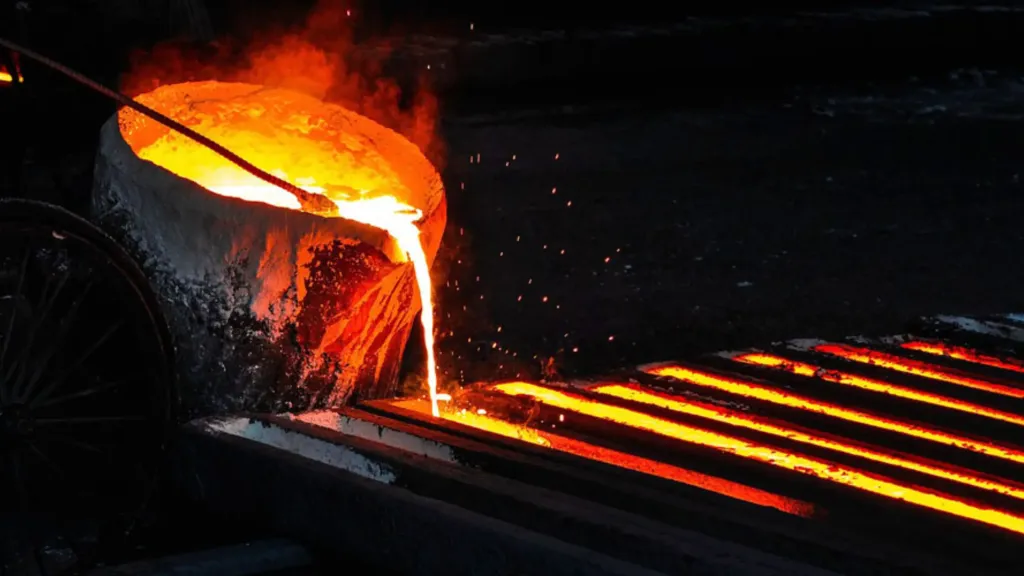
Managing casting heat is a two-way street. While getting the metal hot enough is crucial, controlling how it cools and solidifies is equally important. The rate of cooling has a profound effect on the final microstructure of the metal, which in turn determines its mechanical properties.
As the molten metal cools in the mold, crystals begin to form and grow. The size, shape, and arrangement of these crystals (or grains) make up the metal’s grain structure. A rapid cooling rate generally leads to a fine-grained structure, which is typically stronger and harder. A slow cooling rate allows for the growth of larger grains, resulting in a softer, more ductile material.
Engineers and metallurgists carefully design the casting process, including the mold design and material, to control the cooling rate. For some applications, they might use chills—pieces of metal placed within the mold—to draw heat away from specific areas more quickly, promoting directional solidification and preventing defects like shrinkage porosity.
Safety First: Handling Extreme Heat
Working with casting heat involves inherent risks. Molten metal can cause severe burns on contact, and the intense radiant heat from a furnace can be dangerous even from a distance. Therefore, a strict adherence to safety protocols is essential for anyone involved in metal casting.
Personal Protective Equipment (PPE) is the first line of defense. This includes:
- Aluminized clothing: Jackets, pants, and aprons that reflect radiant heat.
- Face shields and safety glasses: To protect the eyes and face from splashes and intense light.
- High-temperature gloves: Made from materials like leather or Kevlar to handle hot tools and equipment.
- Leather boots: To protect feet from spills.
Beyond PPE, a well-organized workspace is crucial. The casting area should be clear of clutter and flammable materials. Proper ventilation is needed to remove fumes and heat. Most importantly, always have a clear plan for every step of the process and never work alone. Handling thousands of degrees of casting heat demands respect, caution, and preparation. For a look at how technology is evolving, some interesting insights can be found at https://siliconvalleytime.co.uk/, which covers innovations across various industries.
Casting Heat in Different Casting Processes
The application and control of casting heat can vary significantly depending on the specific casting method being used. Each process has its own unique requirements for temperature, equipment, and thermal management.
Sand Casting
Sand casting is one of the oldest and most widely used casting methods. It involves creating a mold from a mixture of sand, clay, and water. Because sand is a good insulator, the cooling rate is relatively slow, which can be beneficial for certain metals. However, the casting heat must be high enough to ensure the metal remains fluid long enough to penetrate the fine details of the sand mold.
Investment Casting
Also known as lost-wax casting, this process is used to create highly detailed and complex parts. It starts with a wax pattern that is coated in a ceramic shell. The wax is then melted out, leaving a hollow ceramic mold. The ceramic mold is fired at a high temperature to strengthen it and burn out any residual wax. This preheating is a critical use of casting heat that prepares the mold for the molten metal. Because the mold is hot when the metal is poured, it allows for the creation of very thin and intricate sections.
Die Casting
Die casting is a high-volume manufacturing process where molten metal is forced into a steel mold (or die) under high pressure. The dies are water-cooled to allow for very rapid solidification, enabling fast cycle times. The management of casting heat is highly automated, with precise control over the metal temperature and the cooling of the dies to ensure consistency across thousands of parts.
Conclusion
The journey from a solid block of metal to a finished, functional part is a testament to the power of controlled thermal energy. Casting heat is more than just a step in the process; it is the fundamental force that enables transformation. From selecting the right furnace to preheating molds and managing cooling rates, every stage requires a deep understanding of how heat interacts with metal. By mastering the principles of thermal management, casters can overcome challenges, prevent defects, and consistently produce high-quality parts with tailored properties. This intricate dance of heating and cooling is a cornerstone of modern manufacturing, and its importance cannot be overstated. As a process with deep historical roots, its principles are well-documented in resources covering metallurgy and materials science, like those found on Wikipedia’s extensive pages about casting.
Frequently Asked Questions (FAQ)
Q1: What is superheating in metal casting?
Superheating is the process of heating a molten metal to a temperature slightly above its melting point before pouring. This is done to increase the fluidity of the metal and ensure it has enough thermal energy to completely fill the mold cavity before it starts to solidify, preventing defects like misruns.
Q2: Can I use any furnace for any metal?
No, the type of furnace must be matched to the metal being cast. The primary consideration is the melting temperature. For example, a simple propane crucible furnace that works well for aluminum (melting point 1221°F) will not be able to reach the temperatures required to melt iron (melting point 2800°F). You would need a more powerful furnace, like an induction or electric arc furnace, for higher-temperature metals.
Q3: Why is a slow cooling rate sometimes desirable?
A slow cooling rate allows larger crystal grains to form in the metal’s microstructure. This typically results in a softer, more ductile, and less internally stressed part. This process, known as annealing, can make the part easier to machine or improve its resistance to cracking under stress.
Q4: What happens if I pour molten metal into a wet mold?
Pouring molten metal into a mold that contains moisture is extremely dangerous. The water will instantly flash into steam, expanding to over 1,500 times its original volume. This violent expansion can cause an explosion of molten metal, creating a severe burn and fire hazard. Molds must be completely dry and preheated before use.
Q5: Is it safe to try metal casting at home?
Metal casting can be done by hobbyists, but it requires extensive research, proper safety equipment (PPE), and a dedicated, safe workspace. The extreme casting heat and molten metal present serious risks. It’s crucial to start with low-temperature metals like aluminum, use a reputable furnace, and follow all safety guidelines meticulously.