




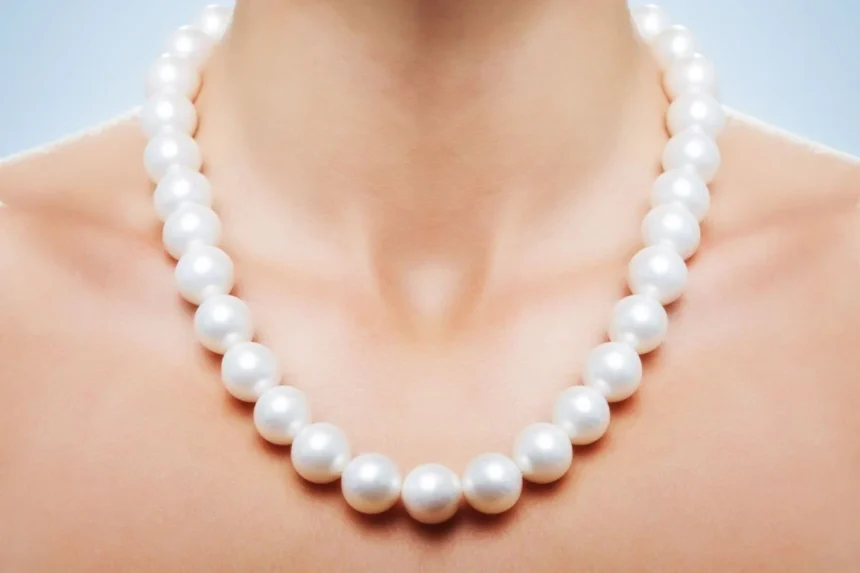

Pearls have captivated humanity for millennia. These lustrous gems, born from the water, possess a unique beauty that is both understated and profound. A pearl necklace isn’t just an accessory; it’s a statement, a legacy, and a symbol packed with layers of meaning. But what is the true pearl necklace meaning? From ancient royalty to modern fashion icons, the significance of these radiant strands has evolved, yet their core symbolism remains powerful.
This comprehensive guide will explore the rich history and varied interpretations behind wearing a pearl necklace. We will journey through different cultures, time periods, and contexts to understand why this classic piece of jewelry continues to be so cherished. Whether you’ve inherited a family heirloom, are considering a purchase, or are simply curious, you’ll discover the deep-seated significance of these oceanic treasures.
Key Takeaways
- Symbolism of Purity and Innocence: Pearls are traditionally associated with purity, innocence, and new beginnings, making them a popular choice for weddings and graduations.
- Sign of Wealth and Status: Historically, the rarity of natural pearls made them a symbol of immense wealth, royalty, and high social standing.
- Wisdom and Experience: As pearls are formed over time, they also represent wisdom gained through experience, resilience, and personal growth.
- Cultural Variations: The pearl necklace meaning can differ significantly across cultures, from symbols of good fortune in Asia to representations of mourning in Victorian England.
- Modern Interpretations: Today, pearls have been embraced as a symbol of empowerment, personal style, and timeless elegance that transcends gender and tradition.
A Glimpse into the History of Pearls
To fully grasp the pearl necklace meaning, we must first look back at their storied past. Pearls were one of the first gems discovered by prehistoric peoples, likely found while foraging for food along the seashore. Their natural, perfect shape and luminous glow required no cutting or polishing to reveal their beauty, making them instantly valuable. Ancient civilizations from Rome to Egypt and China revered pearls, associating them with the moon, divinity, and power. In ancient Rome, pearls were considered the ultimate status symbol; Julius Caesar reportedly passed a law limiting their wear to the ruling classes. Similarly, Egyptian royalty were often buried with their pearls, believing they held divine power. This historical context laid the foundation for the pearl’s enduring association with luxury, power, and sacredness.
These gems were so highly prized that entire economies were built around them. The Persian Gulf was the world’s primary source for natural pearls for centuries, fueling trade routes and captivating the imaginations of monarchs and merchants alike. The rarity and danger involved in diving for them only added to their mystique and value. This rich history is crucial for understanding why a simple strand of pearls can carry so much weight and significance even today. The legacy of ancient kings and queens is, in a way, embedded in every pearl.
The Core Symbolism: Purity, Innocence, and New Beginnings
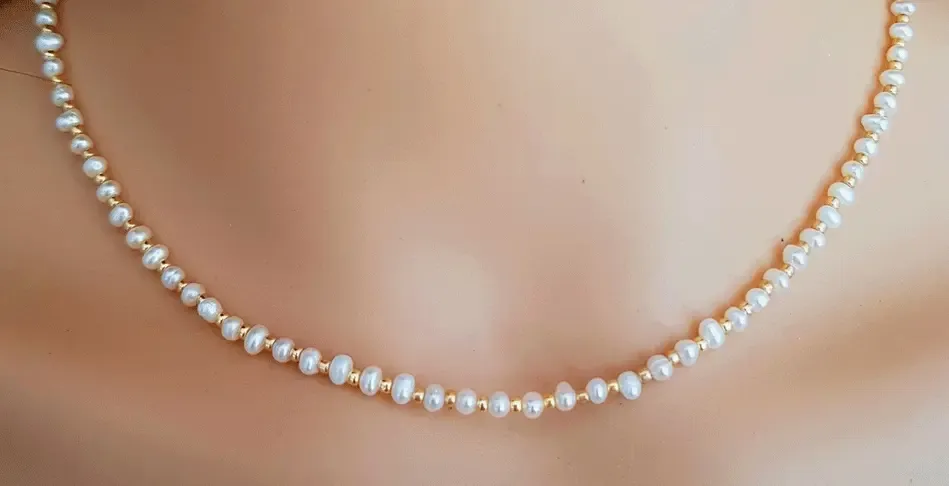
At the heart of the pearl necklace meaning is its powerful connection to purity and innocence. The pearl’s flawless, milky-white appearance has made it a timeless symbol of a pure heart and untainted spirit. This is why pearls are a traditional and overwhelmingly popular choice for brides. A bridal pearl necklace is thought to represent the bride’s purity and symbolize a fresh start as she embarks on a new life with her partner. It is a gentle, classic choice that complements the solemnity and joy of the occasion without being overly ostentatious. This tradition dates back centuries and is practiced in numerous cultures around the world, solidifying the pearl’s place as the ultimate wedding gem.
Beyond weddings, this symbolism extends to other significant life milestones. Pearls are often given as gifts for graduations, christenings, and coming-of-age celebrations like a quinceañera or a Sweet Sixteen. In each of these contexts, the pearls mark a transition into a new phase of life, carrying with them wishes for a future filled with integrity and happiness. The gift of a pearl necklace is more than just jewelry; it is a blessing, a protective talisman, and a beautiful reminder of the wearer’s inherent worth and innocence as they step forward into the world.
Pearls in Wedding Traditions
In many Western cultures, a pearl necklace is considered the quintessential bridal accessory. The pearl necklace meaning in this context is deeply tied to the virtues of love, loyalty, and new beginnings. It is believed that wearing pearls on one’s wedding day will lead to a happy marriage. An old superstition even suggests that pearls are “mermaid’s tears” and that by wearing them, a bride will not shed any tears of her own during her marriage. This folklore adds a touch of romantic mystique to the tradition. The soft luster of pearls beautifully complements a white wedding gown, creating a look of timeless elegance and grace that many brides aspire to.
Beyond the bride, other members of the wedding party, such as the mother of the bride or bridesmaids, often wear pearls as well. This creates a cohesive and classic aesthetic. For the mother of the bride, wearing pearls can symbolize her wisdom and her pride in her daughter. When given as gifts to bridesmaids, pearls serve as a token of gratitude and a lasting memento of a shared special day. The versatility and classic appeal of pearls make them a fitting choice for celebrating love and union in all its forms.
A Symbol of Femininity and a Mother’s Love
Pearls have long been associated with feminine energy. Their connection to the moon and water—both classic feminine symbols—cements this association. The gentle, nurturing process by which an oyster creates a pearl over time mirrors the process of motherhood. As such, a pearl necklace is often seen as a powerful symbol of a mother’s love, protection, and wisdom. Giving a pearl necklace for Mother’s Day or upon the birth of a child is a beautiful way to honor this bond. The layers of nacre that form a pearl can be seen as representing the layers of love, sacrifice, and strength that define motherhood.
This connection to femininity has made the pearl necklace a staple in women’s jewelry boxes for generations. It is a piece that is often passed down from mother to daughter, carrying with it family history and sentimental value. This act of inheritance deepens the pearl necklace meaning, transforming it from a simple piece of jewelry into a treasured heirloom. It becomes a tangible link between generations of women, embodying their shared stories, struggles, and triumphs. The necklace represents a continuous line of feminine strength and love.
Wealth, Status, and Royalty: The Luxurious Side of Pearls
For much of history, the primary pearl necklace meaning was one of incredible wealth and elite status. Before the advent of cultured pearls in the early 20th century, natural pearls were exceptionally rare and difficult to harvest. Divers had to manually search for oysters in deep, dangerous waters, and only a tiny fraction of those oysters would contain a pearl of gem quality. This rarity made natural pearls more valuable than diamonds. Consequently, only royalty and the extremely wealthy could afford to own them. A long, multi-strand pearl necklace was the ultimate display of power and opulence, a clear signal of one’s place at the very top of the social hierarchy.
Famous monarchs like Queen Elizabeth I of England were known for their extensive pearl collections, often depicted in portraits draped in ropes of them. In the Gilded Age of America, industrialist families like the Vanderbilts and Astors competed to acquire the most magnificent pearl necklaces, cementing their status as the new “royalty” of the modern world. One of the most famous examples is the Cartier pearl necklace purchased by Morton F. Plant for his wife in 1917. He traded his Fifth Avenue mansion for the double-strand necklace, which was then valued at over $1 million—an astronomical sum at the time.
The Shift with Cultured Pearls
The jewelry world was revolutionized in the early 1900s when Kokichi Mikimoto perfected the technique for creating cultured pearls. By introducing an irritant into an oyster manually, a pearl could be grown under controlled conditions. This breakthrough made high-quality pearls accessible to a much wider audience. While this democratization of pearls diminished their status as a gem reserved exclusively for the ultra-rich, it did not erase their association with elegance and class. Instead, the pearl necklace meaning evolved. It became a symbol of attainable luxury and sophisticated taste, accessible to the burgeoning middle class.
Today, cultured pearls, including Akoya, Tahitian, South Sea, and Freshwater varieties, dominate the market. The availability of different types, sizes, and colors of pearls allows for a wide range of styles and price points. A simple, elegant strand of Akoya pearls remains a hallmark of classic style, while a necklace of large, exotic Tahitian pearls can make a bold and modern statement. The introduction of cultured pearls ensured that the beauty of this gem could be appreciated by everyone, not just the privileged few.
|
Pearl Type |
Origin |
Common Colors |
Typical Size Range |
|---|---|---|---|
|
Akoya |
Japan, China |
White, Cream, Rose |
6-9 mm |
|
Freshwater |
China |
White, Pink, Lavender, Peach |
5-12 mm |
|
Tahitian |
French Polynesia |
Black, Grey, Green, Peacock |
9-14 mm |
|
South Sea |
Australia, Indonesia |
White, Silver, Gold |
10-20 mm |
This table shows how different types of cultured pearls offer a variety of looks, contributing to the diverse ways a pearl necklace meaning can be interpreted today.
Pearls as a Symbol of Wisdom and Experience
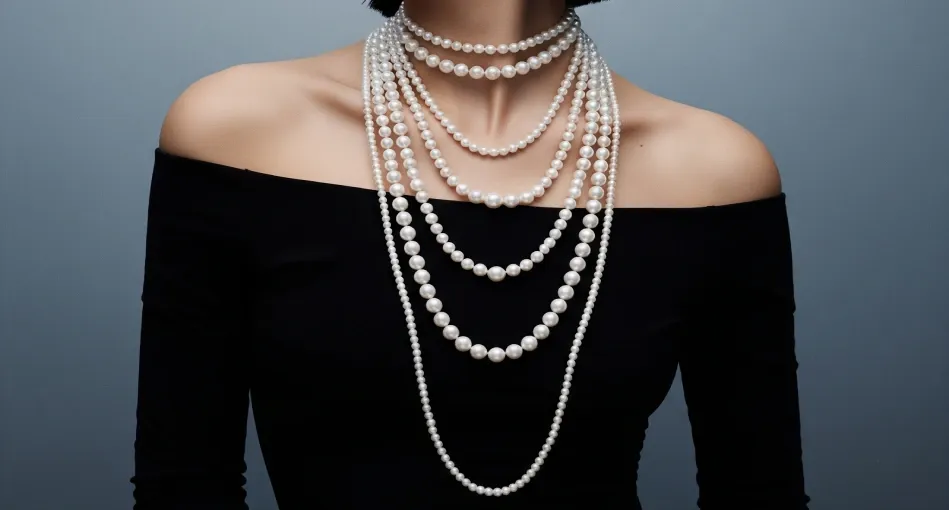
Another fascinating layer to the pearl necklace meaning is its representation of wisdom gained through experience. A pearl is formed when an irritant, like a grain of sand, enters an oyster’s shell. To protect itself, the oyster secretes layers of nacre around the intruder. Over a long period, these layers build up to create a lustrous pearl. This natural process is a powerful metaphor for the human experience. It symbolizes how one can take a source of irritation or a difficult challenge and, through resilience and time, transform it into something beautiful and valuable.
Therefore, wearing a pearl necklace can be a personal reminder of one’s own journey of growth. It signifies the wisdom and strength that come from overcoming adversity. Each pearl on the strand can represent a lesson learned, a hardship endured, and the inner fortitude developed along the way. This interpretation moves beyond the external markers of purity or wealth and focuses on a more profound, internal significance. It makes the pearl a deeply personal gem, one that reflects the wearer’s unique life story and the beauty of their resilience.
Cultural Interpretations of the Pearl Necklace Meaning
The significance of pearls is not universal; it varies greatly across different cultures and belief systems. Exploring these different perspectives provides a richer, more complete understanding of the pearl necklace meaning. While Western cultures often focus on purity and wealth, Eastern traditions offer unique and equally compelling interpretations.
Pearls in Asian Cultures
In many Asian cultures, pearls are symbols of good fortune, wisdom, and spiritual enlightenment. In ancient China, pearls were believed to offer protection from fire and dragons. They were also associated with dragons themselves, with folklore often depicting these mythical creatures holding a pearl that symbolized wisdom and spiritual energy. Taoism teaches that the “sacred pearl” represents a union of matter and spirit. Consequently, wearing pearls was thought to promote mental clarity and a connection to a higher consciousness. This spiritual dimension adds a layer of depth to the gem’s significance, viewing it not just as an ornament but as a tool for personal and spiritual development.
In Hindu tradition, the god Krishna was said to have discovered the first pearl and presented it to his daughter on her wedding day as a symbol of love and purity. In Japan, pearls represent good luck and are a cherished part of the national identity, thanks to the country’s pioneering role in the cultured pearl industry.
Pearls in European Folklore and History
In Europe, the pearl necklace meaning has also had its darker side. During the Victorian era, for instance, pearls were often used in mourning jewelry. Queen Victoria famously wore strands of pearls to mourn the death of her beloved husband, Prince Albert. In this context, the pearls were thought to symbolize tears and were worn to express sorrow and remembrance. This association with grief stands in stark contrast to the joyful symbolism of pearls in weddings.
Ancient Greek mythology connected pearls to the goddess of love, Aphrodite. Legend says that when Aphrodite was born from the sea foam, the droplets of water that fell from her body turned into pearls. Because of this, the Greeks believed that wearing pearls would promote marital harmony and prevent newlywed brides from crying. These diverse and sometimes contradictory meanings highlight the pearl’s complex and multifaceted identity throughout history.
The Modern Revival: Pearls and Personal Empowerment
In recent years, the pearl necklace has undergone a remarkable transformation. No longer confined to the jewelry boxes of grandmothers or brides, pearls have been reclaimed by a new generation and re-imagined as a symbol of personal empowerment and individual style. The modern pearl necklace meaning is less about conforming to tradition and more about breaking it. Fashion designers and style icons have played a huge role in this revival, showcasing pearls in fresh, contemporary ways. We now see pearls paired with casual wear like jeans and t-shirts, layered with gold chains, and worn by people of all genders.
This shift has been particularly powerful in redefining masculinity in fashion. Influential male celebrities like Harry Styles, A$AP Rocky, and Pharrell Williams have famously embraced the pearl necklace, challenging outdated gender norms in jewelry. For them and many others, wearing pearls is a statement of confidence, creativity, and the freedom to express oneself authentically. The pearl is no longer just a “feminine” gem; it is a versatile accessory for anyone who appreciates its beauty and wants to make a bold style statement. As noted by one lifestyle publication, trends in personal expression are constantly evolving, much like those in the tech world discussed at https://siliconvalleytime.co.uk/.
Choosing Your Pearl Necklace: What Does It Mean to You?
Ultimately, the most important pearl necklace meaning is the one you assign to it. When choosing a pearl necklace, consider what you want it to represent. Are you drawn to its classic elegance and connection to timeless traditions? Do you see it as a symbol of a new beginning, such as a graduation or a new job? Perhaps you are inspired by its modern interpretation as a sign of empowerment and self-expression. The type of pearl, the length of the strand, and the style of the necklace can all influence its meaning.
A short, single-strand choker might feel modern and edgy, while a long, classic opera-length strand evokes vintage glamour. A necklace of irregularly shaped baroque pearls can symbolize an appreciation for unique, imperfect beauty, while a perfectly matched strand of round Akoya pearls represents a love for classic perfection. There is no right or wrong answer. The beauty of the pearl necklace lies in its ability to absorb and reflect the intentions and personality of the person who wears it.
Frequently Asked Questions (FAQ)
Q1: What does it mean when a man wears a pearl necklace?
When a man wears a pearl necklace, it is typically a modern statement of style, confidence, and individuality. It challenges traditional gender norms in fashion and jewelry, symbolizing a progressive and self-assured approach to personal expression. It has been popularized by male celebrities and is seen as a high-fashion, confident choice.
Q2: Is it bad luck to buy your own pearls?
No, this is a common myth. There is no truth to the superstition that it is bad luck to buy pearls for yourself. In fact, purchasing your own pearl necklace can be an empowering act of self-love and a celebration of your own achievements and personal style. The modern pearl necklace meaning often revolves around this very idea of self-empowerment.
Q3: Do pearls represent tears?
In some historical contexts, particularly Victorian mourning jewelry, pearls were used to symbolize tears and grief. However, an older and more common superstition suggests the opposite: that wearing pearls (especially for a wedding) prevents the wearer from shedding tears in the future. Today, the association with tears is not a primary meaning.
Q4: What is the spiritual meaning of a pearl?
Spiritually, pearls are often associated with wisdom, purity, and spiritual transformation. Their creation process—transforming an irritant into something beautiful—is seen as a metaphor for spiritual growth and enlightenment. In some Eastern traditions, they are believed to promote mental clarity, serenity, and a connection to divine energy.
Q5: What is the difference between natural and cultured pearls?
Natural pearls are formed entirely by nature, without any human intervention, and are extremely rare and expensive. Cultured pearls are created with human assistance, where a technician inserts a small irritant into an oyster to stimulate the pearl-growing process. The vast majority of pearls sold today are cultured.
Conclusion: A Gem of Timeless Significance
The pearl necklace meaning is as layered and luminous as the gem itself. It is a story of purity, wealth, wisdom, and love that has been told for thousands of years. From the opulent courts of ancient monarchs to the modern runways of high fashion, the pearl has consistently proven its timeless appeal. It has the rare ability to be both classic and contemporary, traditional and rebellious. Whether it’s a gift symbolizing a new beginning, an heirloom connecting generations, or a personal statement of empowerment, the pearl necklace remains one of the most meaningful and cherished pieces of jewelry one can own.
Its journey from a simple irritant in an oyster shell to a radiant gem is a powerful reminder of the beauty that can arise from challenge and time. As you wear a pearl necklace, you are not just wearing an accessory; you are carrying a piece of history, a work of art from nature, and a symbol whose meaning is rich and ever-evolving. You can learn more about the extensive history and cultural significance of pearls from various resources, including the detailed information available on pages like the one on Wikipedia concerning these beautiful gems.