




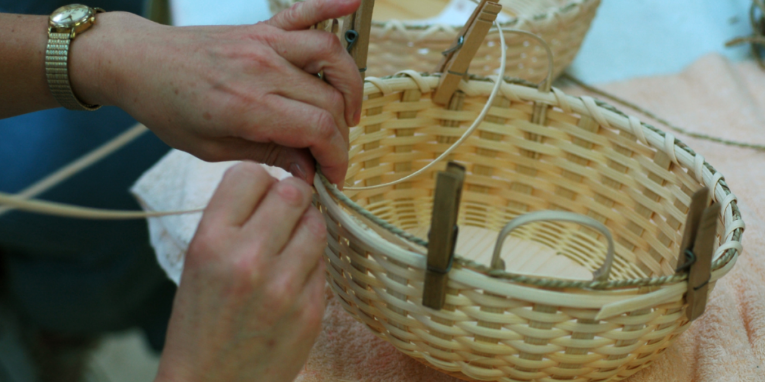

Have you ever heard a joke about someone majoring in “underwater basket weaving” in college? For decades, this phrase has been a popular way to describe a supposedly easy or useless college course. But what if I told you that underwater basket weaving is a real, challenging, and fascinating activity? It combines the ancient craft of basketry with the unique environment of being submerged in water. This guide will take you on a deep dive, exploring everything from the history of this quirky craft to the skills you need to get started. We’ll unravel the myths, discover the practical applications, and show you why this niche hobby is making a splash.
Key Takeaways
- It’s Real: Underwater basket weaving is not just a joke; it’s a genuine activity that requires skill in both scuba diving and crafting.
- Historical Roots: The concept emerged in the mid-20th century, evolving from a punchline into a real-life recreational pursuit.
- Requires Dual Skills: Participants must be proficient in scuba diving or freediving, as well as knowledgeable about basket weaving techniques.
- Unique Challenges: Weaving underwater presents specific difficulties, including material buoyancy, limited dexterity, and communication barriers.
- Benefits: The activity offers benefits like improved focus, enhanced diving skills, and a unique form of meditative art.
What Exactly Is Underwater Basket Weaving?
At its core, underwater basket weaving is the art of creating baskets while fully submerged in a body of water, typically a swimming pool or a calm, clear lake. Practitioners use scuba gear or freediving techniques to stay underwater while they work with specially chosen materials. It’s far from the easy A+ class it’s made out to be. The activity demands a high level of coordination, breath control, and patience. Imagine trying to manipulate reeds into a tight pattern while your body is weightless and your movements are slowed by the water. It’s a true test of multitasking and focus, blending the mental discipline of a craft with the physical demands of diving. This unique combination makes it a compelling challenge for adventurers and artisans alike.
The Surprising History of a Cultural Joke
The phrase “underwater basket weaving” first entered the public consciousness in the 1950s as slang for an absurdly easy college course. It was a go-to punchline for anyone wanting to poke fun at the perceived decline of academic rigor. For years, it remained just that—a funny, imaginary subject. However, human creativity knows no bounds. Inspired by the long-running joke, colleges and recreational groups began to offer actual underwater basket weaving classes. Reed College in Oregon is often credited with holding one of the first official courses in the 1980s as a fun, non-credit activity. What started as a joke evolved into a real, albeit niche, hobby. This transition from myth to reality shows how a simple phrase can capture the imagination and inspire people to turn a funny idea into a genuine experience.
From Punchline to Reality
The journey of underwater basket weaving from a simple joke to a legitimate activity is a fascinating piece of modern folklore. Initially, it was a term used to mock what some considered “soft” subjects in higher education. The humor lies in the sheer absurdity of combining a dry, terrestrial craft with a wet, aquatic environment. However, as scuba diving became more accessible and people sought new and interesting experiences, the joke started to seem like a fun challenge. Universities and dive shops began offering novelty workshops, partly as a gimmick but also as a legitimate test of diving skills. These early classes proved that the activity was not only possible but also enjoyable, cementing its place as a real-world hobby.
Its Place in Pop Culture
Even as a real activity, underwater basket weaving has never lost its status as a cultural reference. It continues to appear in movies, TV shows, and books as shorthand for a trivial pursuit. This dual identity is what makes it so unique. It can be both a serious hobby and a lighthearted joke, depending on the context. For those who practice it, the humorous reputation is part of the charm. It creates a fun, low-pressure atmosphere where the goal is not to create a perfect masterpiece but to enjoy the strange and wonderful process of weaving a basket at the bottom of a pool.
The Essential Gear for Weaving Underwater
Getting started with underwater basket weaving requires a combination of diving equipment and crafting supplies. You can’t just jump into the water with some reeds and hope for the best. Proper preparation and the right gear are crucial for a safe and successful experience.
Diving Equipment
Safety and comfort underwater are the top priorities. Before you even think about weaving, you need to be properly equipped for the aquatic environment.
- Scuba Gear: For extended sessions, a full scuba setup is necessary. This includes a mask, snorkel, fins, a buoyancy control device (BCD), a regulator, and an air tank. Being a certified scuba diver is highly recommended.
- Wetsuit or Drysuit: Depending on the water temperature, a wetsuit or drysuit will keep you comfortable and allow you to focus on your craft rather than the cold.
- Weight Belt: A weight belt is essential for achieving neutral buoyancy, which allows you to hover effortlessly in the water without sinking or floating to the surface. This is key for stable weaving.
Basket Weaving Supplies
The materials you use for underwater basket weaving must be able to withstand being submerged and still be pliable enough to work with.
- Weaving Materials: Natural reeds, like rattan or seagrass, are popular choices, but they often need to be pre-soaked to become flexible. Synthetic options, such as plastic lacing or vinyl strips, are also excellent because they are unaffected by water and come in various colors.
- Basket Frame: Starting with a pre-made base or frame can make the process much easier, especially for beginners. This provides a stable structure to weave your materials around.
- Cutting Tool: A pair of dive-safe shears or a blunt-tipped knife is necessary for trimming materials. Ensure it is securely attached to your BCD to prevent it from getting lost.
|
Gear Category |
Essential Items |
Optional Items |
|---|---|---|
|
Diving Gear |
Mask, Fins, BCD, Regulator, Tank, Weight Belt |
Dive Computer, Wetsuit/Drysuit, Hood, Gloves |
|
Weaving Supplies |
Weaving materials (reeds, vinyl), Basket Frame |
Colorful materials for patterns, Zip ties |
|
Safety |
Dive Knife/Shears, Dive Buddy |
First Aid Kit, Emergency Oxygen |
Mastering the Basic Techniques
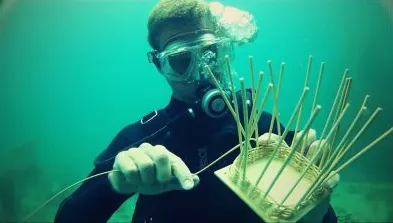
The process of underwater basket weaving involves adapting traditional weaving methods to the physics of being underwater. Your movements are slower, your materials may want to float away, and you can’t just set your tools down beside you. Success depends on patience, practice, and a few special techniques.
Achieving Neutral Buoyancy
Before you start weaving, you must master neutral buoyancy. This is the skill of being perfectly balanced in the water, neither sinking nor rising. It’s the single most important technique for underwater basket weaving. Without it, you will constantly fight to stay in one place, making the delicate work of weaving nearly impossible. Practice hovering in a fixed position until you can do it with minimal effort. This control over your position in the water is the foundation upon which all your weaving skills will be built. You need your hands free to work with the materials, not to paddle to stay in place.
Handling Materials Underwater
Working with materials underwater presents a unique set of challenges. Reeds and other natural fibers can become slimy or difficult to grip. Lightweight synthetic materials might try to float away from you.
Securing Your Materials
One common strategy is to use your weight belt to anchor your supplies. You can tuck bundles of reeds under the belt or use clips to attach spools of vinyl lacing. Some weavers even fashion a small, weighted toolkit that can rest on the pool floor. The key is to keep everything organized and within reach so you can focus on the pattern without having to chase down your supplies. It’s a good idea to practice these management techniques before diving into a complex project.
The Weaving Process
The actual weaving process is surprisingly meditative. The most common technique is a simple over-under pattern. You take a strand of material (the weaver) and guide it over one spoke of the frame and under the next, repeating the pattern as you circle the basket. The water’s resistance forces you to be slow and deliberate. Every movement is intentional. This slow pace can be incredibly calming, allowing you to enter a state of flow where the outside world fades away, and it’s just you, the water, and the basket taking shape in your hands.
The Benefits of This Unconventional Hobby
Why would anyone go through the trouble of learning underwater basket weaving? Beyond the novelty, this activity offers a surprising number of mental and physical benefits. It’s more than just a quirky pastime; it’s a form of active meditation that challenges your body and mind in new ways.
- Improved Diving Skills: The intense focus required for weaving helps divers refine their fundamental skills. Maintaining neutral buoyancy, controlling breathing, and moving with precision become second nature. It’s an excellent training exercise that has practical applications for all types of diving.
- Enhanced Focus and Concentration: In our distraction-filled world, the ability to concentrate on a single task is a valuable skill. Underwater, with no emails, texts, or notifications, you can achieve a deep level of focus. This meditative state can reduce stress and improve mental clarity.
- A Creative Outlet: Underwater basket weaving is a unique form of artistic expression. It allows you to create something tangible and beautiful in an extraordinary setting. The finished product is not just a basket; it’s a trophy that represents a unique and memorable experience.
- Joining a Niche Community: While small, the community of underwater weavers is passionate and welcoming. Sharing this unusual hobby is a great way to connect with other adventurous and creative individuals.
Is Underwater Basket Weaving Right for You?
This hobby isn’t for everyone. It requires a sense of adventure, a good deal of patience, and a willingness to embrace the absurd. If you are a certified diver looking for a new challenge, it could be a perfect fit. If you’re an artist who loves trying new mediums, the underwater world could be your next studio. However, if you are uncomfortable in the water or get frustrated easily, you might find the experience more stressful than relaxing. The best way to find out is to try a beginner workshop. Many dive shops and resorts offer introductory sessions where you can get a feel for the activity in a controlled environment.
Conclusion: More Than Just a Joke
What began as a punchline has blossomed into a real and rewarding activity. Underwater basket weaving challenges the body and calms the mind, blending the technical skill of scuba diving with the ancient art of basketry. It’s a testament to human creativity and our endless quest for new experiences. Whether you are looking to improve your dive skills, find a new form of meditation, or simply want a great story to tell, this unique hobby offers a little something for every adventurer. It’s a perfect reminder that sometimes the most absurd ideas can lead to the most wonderful experiences. You can find more interesting content and innovative ideas at a site like https://siliconvalleytime.co.uk/.
The history and practice of underwater basket weaving showcase a unique intersection of sport and craft, which has been documented in various forms. As noted on its Wikipedia page, the activity serves both as a real recreational course and a persistent academic joke, highlighting its dual identity in modern culture.
Frequently Asked Questions (FAQ)
Q1: Do I need to be a certified scuba diver to try underwater basket weaving?
A1: Yes, for your safety, it is highly recommended that you are a certified open-water diver. The activity requires excellent buoyancy control and familiarity with scuba equipment. Some beginner workshops may be held in shallow water where certification is not required, but full scuba certification is best.
Q2: What kind of materials are best for weaving underwater?
A2: Flat, synthetic materials like plastic craft lacing or vinyl strips work exceptionally well because they are durable, easy to handle in water, and come in many colors. Natural fibers like rattan reeds can also be used, but they need to be pre-soaked and can be more challenging to manage.
Q3: Is underwater basket weaving a difficult skill to learn?
A3: It can be challenging at first. The main difficulty lies in multitasking—managing your buoyancy, handling your materials, and executing the weaving pattern all at once. However, with practice, the movements become more natural, and the process becomes very relaxing.
Q4: Where can I take an underwater basket weaving class?
A4: Classes are often offered as novelty workshops at dive resorts, on cruise ships, or by local dive shops. Some universities with strong recreational programs may also offer them. A quick online search for “underwater basket weaving class near me” is the best way to find an opportunity.
Q5: What do you do with the basket once it’s finished?
A5: The finished basket is a fantastic souvenir of your unique experience! While it might not be as perfectly crafted as a basket made on dry land, it serves as a great conversation piece and a tangible reminder of your underwater adventure. You can use it as a decorative item in your home.