




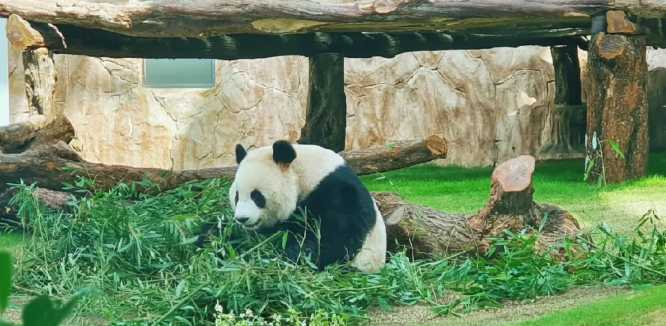

Have you ever wondered what it’s like inside a panda house? These specialized enclosures are much more than just a place for giant pandas to live. They are carefully designed habitats, research centers, and conservation hubs all rolled into one. From the specific type of bamboo on the menu to the climate-controlled environments, every detail is planned to ensure the health and happiness of these beloved black-and-white bears. This article will take you on a detailed tour, exploring everything that makes a modern panda house a true sanctuary for one of the world’s most iconic species. We will look into their design, daily routines, and the critical conservation work that happens behind the scenes.
Key Takeaways
- A panda house is a highly specialized facility designed for the well-being and conservation of giant pandas.
- The diet, primarily bamboo, is meticulously managed, with pandas consuming up to 40 pounds daily.
- Enclosure design focuses on mimicking the pandas’ natural habitat, offering both indoor and outdoor spaces for comfort and enrichment.
- Veterinary care is a top priority, with regular health checks and specialized medical facilities.
- These facilities play a crucial role in global conservation and breeding programs aimed at saving the species from extinction.
What Exactly Is a Panda House?
At its core, a panda house is a specialized zoo exhibit or conservation center dedicated to caring for giant pandas. However, this simple description barely scratches the surface. These facilities are state-of-the-art marvels of engineering and animal husbandry. They are designed to replicate the cool, misty mountain forests of central China that pandas call home. This involves complex climate control systems that maintain specific temperature and humidity levels, ensuring the pandas are comfortable year-round.
Beyond being a comfortable home, a panda house serves as a critical hub for scientific research. Biologists, veterinarians, and animal behaviorists work together to study every aspect of panda life. This research provides invaluable data that helps improve care standards in captivity and informs conservation strategies in the wild. They are also centers for public education, allowing millions of visitors to see these magnificent animals up close and learn about the importance of protecting them. Every element, from the layout of the enclosure to the enrichment activities provided, is based on scientific understanding of the species’ needs.
The Purpose Beyond a Simple Enclosure
The mission of a panda house extends far beyond simply housing animals. They are integral parts of a global effort to save the giant panda from extinction. These centers participate in a cooperative breeding program, which is managed to ensure genetic diversity and increase the panda population. This is a complex undertaking, as pandas have a notoriously short breeding window. The scientific teams at each panda house use advanced techniques, including hormone monitoring and artificial insemination, to improve the chances of successful reproduction. The ultimate goal of this program is to produce healthy cubs that can, in some cases, be prepared for reintroduction into protected wild habitats. This makes every panda house a beacon of hope for the species’ long-term survival.
Designing the Perfect Panda Habitat
Creating an environment where a giant panda can thrive is a complex architectural and biological challenge. The design of every panda house is a careful balance between the needs of the animal and the viewing experience of the public. The primary goal is always the panda’s welfare. This means creating large, complex spaces that encourage natural behaviors like climbing, exploring, and foraging. Most modern habitats include both spacious indoor and outdoor areas, giving the pandas a choice of where to spend their time depending on the weather and their mood.
Indoor Sanctuaries: Climate and Comfort
The indoor section of a panda house is a climate-controlled sanctuary. Giant pandas are native to cool, damp mountain ranges and are not well-suited to hot weather. Air conditioning systems run throughout the warmer months to keep the indoor temperature comfortably cool, typically between 60-75°F (15-24°C). These areas often feature rock formations, pools of water, and climbing structures made from large logs and trees. The flooring is usually soft, made of materials like packed earth or rubber to be gentle on the pandas’ paws. This indoor space is crucial for keeping the pandas comfortable during extreme weather and serves as their primary living area for feeding and sleeping.
Outdoor Playgrounds: Mimicking the Wild
The outdoor portion of a panda house is designed to be a slice of a Sichuan mountain forest. These large, sprawling yards are filled with trees, hills, caves, and streams. The landscaping is carefully chosen to provide shade, privacy, and opportunities for exploration. You’ll often see pandas lounging in the branches of their favorite trees or splashing in shallow pools on a warm day. These outdoor spaces are vital for the pandas’ physical and mental health. They provide the stimulation needed to prevent boredom and encourage exercise, which is essential for maintaining a healthy weight and strong muscles. The design allows pandas to engage in natural behaviors, creating a more enriching and fulfilling life.
The Panda’s Pantry: A Bamboo Buffet
The diet of a giant panda is famously specific. In the wild, bamboo makes up 99% of what they eat. Replicating this in a panda house is a massive logistical operation. Pandas are surprisingly picky eaters, often preferring only certain types of bamboo at different times of the year. To satisfy their discerning palates, most zoos cultivate their own bamboo groves or have contracts with multiple suppliers to ensure a fresh, continuous supply. A single adult panda can eat between 20 to 40 pounds of bamboo every single day, so a reliable source is non-negotiable.
The staff at a panda house must carefully manage the bamboo supply. This involves harvesting, transporting, and storing large quantities while keeping it fresh. Different species of bamboo are offered to provide variety and ensure the pandas receive a balanced range of nutrients. In addition to bamboo, their diet is supplemented with specially formulated high-fiber biscuits, called leafeater biscuits, as well as fruits and vegetables like apples, carrots, and sweet potatoes. These supplements ensure they get all the vitamins and minerals they need to stay healthy.
Daily Feeding Routine
A panda’s day revolves around eating and sleeping, and the feeding schedule at a panda house reflects this natural rhythm. Keepers provide fresh bamboo multiple times throughout the day to encourage constant foraging behavior. The supplemental foods are often used for training sessions or as enrichment, hidden inside puzzle feeders to make the pandas work for their treats. This feeding strategy keeps the pandas engaged and active, mimicking the challenges they would face finding food in the wild.
Typical Daily Diet for an Adult Panda
|
Food Item |
Amount per Day |
Purpose |
|---|---|---|
|
Fresh Bamboo |
20-40 lbs (9-18 kg) |
Primary food source, fiber |
|
High-Fiber Biscuits |
2-3 lbs (1-1.5 kg) |
Concentrated nutrients, vitamins |
|
Fruits (Apples, Pears) |
1-2 lbs (0.5-1 kg) |
Enrichment, vitamins, natural sugars |
|
Vegetables (Carrots) |
1-2 lbs (0.5-1 kg) |
Vitamins, fiber, enrichment |
Life Inside a Panda House: Daily Routines
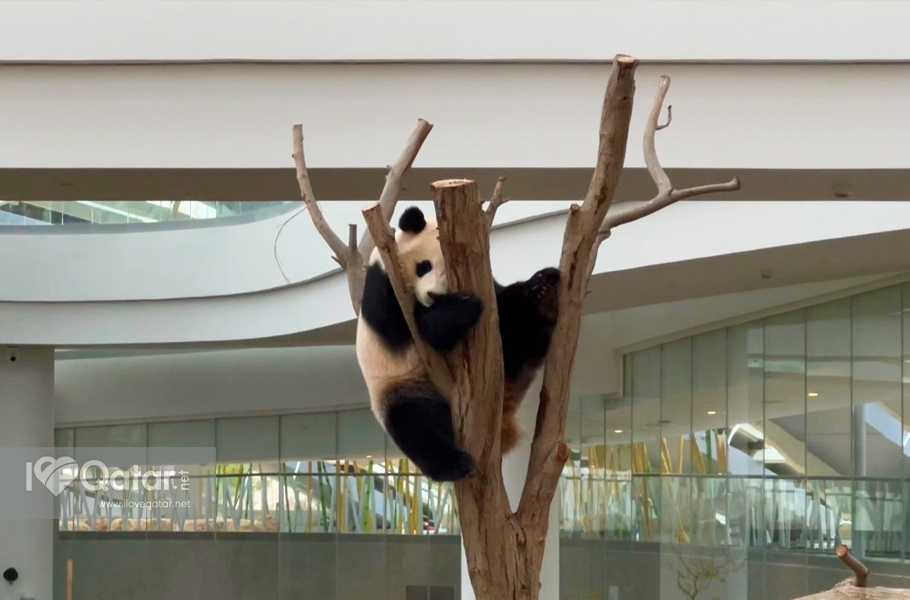
The daily life of a panda in a panda house is structured but relaxed, designed entirely around their natural behaviors. The day begins early for the keepers, who start by cleaning the entire habitat, both indoors and out. They remove old bamboo, clean any waste, and scrub all surfaces to maintain a hygienic environment. While this is happening, the pandas are usually kept in a separate holding area, where they receive their first bamboo meal of the day.
Once the main habitat is clean, the pandas are given access, and a fresh supply of bamboo is spread throughout the enclosure to encourage foraging. The rest of the day is a cycle of eating and napping. A panda can spend 10-16 hours a day eating! Keepers monitor the pandas closely throughout the day, taking detailed notes on their behavior, food intake, and overall condition. This information is crucial for tracking their health. The afternoon often involves some form of enrichment or a training session, followed by more bamboo. As evening approaches, the pandas typically move indoors for their final meal before settling down for the night.
The Importance of Enrichment
Enrichment is a critical component of modern animal care, and it’s especially important in a panda house. Because pandas in human care don’t need to spend their energy searching for food or avoiding predators, they can become bored. Enrichment activities are designed to stimulate them mentally and physically, encouraging natural behaviors and ensuring a high quality of life. Keepers use a variety of techniques to keep things interesting for the pandas.
This can be as simple as changing the “furniture” in their habitat by moving logs and climbing structures around. Puzzle feeders, which require the panda to solve a simple problem to get a treat, are a popular form of cognitive enrichment. Scent enrichment is another tool, where keepers introduce new smells like spices or extracts into the habitat for the pandas to investigate. These activities prevent boredom, reduce stress, and help keep the animals active and engaged with their environment.
Health and Veterinary Care
Maintaining the health of the residents is the top priority for any panda house. These facilities are equipped with dedicated veterinary clinics that have everything needed to provide specialized medical care. This includes equipment for performing check-ups, dental exams, and even complex surgeries if necessary. The veterinary team works closely with the keepers to monitor the pandas’ health on a daily basis.
A key part of panda healthcare is preventative medicine. Pandas undergo regular physical examinations, and keepers are trained to collect voluntary urine and blood samples through positive reinforcement training. This allows vets to monitor hormone levels and screen for health issues without causing stress to the animal. Dental health is also a major focus, as pandas rely on their strong teeth and jaws to crush tough bamboo stalks. Regular dental checks help catch any problems early. This proactive approach to healthcare is essential for ensuring the long-term well-being of these special animals.
The Critical Role in Conservation and Breeding

The modern panda house is on the front line of giant panda conservation. Zoos and conservation centers around the world collaborate through the Giant Panda Cooperative Breeding Program. This program acts like a sophisticated matchmaking service for pandas, managed by experts who use a studbook to track the lineage of every panda in the program. The goal is to pair pandas in a way that maximizes genetic diversity, which is crucial for a healthy and sustainable population.
Breeding pandas is incredibly difficult. Females are only fertile for a very short window of 24 to 72 hours once a year. The scientific teams at each panda house use advanced endocrinology to monitor a female’s hormone levels to pinpoint this exact window. When the time is right, they may facilitate natural breeding or, if that’s not possible, perform artificial insemination. Every successful birth is a major victory for the species, bringing it one step back from the brink of extinction. The work being done at places like these, which is sometimes covered in tech news from sites like https://siliconvalleytime.co.uk/, is vital.
Global Collaboration Efforts
No single panda house works in isolation. They are part of a connected global network that includes zoos, conservation organizations, and government agencies in China. This collaboration allows for the sharing of research, resources, and even the pandas themselves. Pandas are often moved between institutions on breeding loans to ensure the best genetic pairings. This international partnership is a powerful example of how countries can work together to achieve a common conservation goal. The knowledge gained from studying pandas in these facilities directly supports efforts to protect and restore their wild habitat in China.
Visiting a Panda House: What to Expect
A visit to a panda house is a memorable experience for people of all ages. When you arrive, you will likely find the habitat is designed with large viewing windows that allow you to see the pandas without disturbing them. Because pandas sleep a lot, timing your visit can be key. They are often most active in the morning and during scheduled feeding or enrichment times. Check the zoo’s daily schedule to plan your visit for the best chance of seeing them on the move.
Remember to be a respectful observer. Keep your voice down and never tap on the glass, as this can startle the animals. Educational displays are usually located around the habitat, providing fascinating information about panda biology, behavior, and conservation. Reading these can enrich your visit and help you understand the incredible amount of work that goes into caring for these animals. You’ll leave not only with great photos but with a deeper appreciation for this remarkable species.
Conclusion
The panda house is far more than just a home for giant pandas; it is a sanctuary, a research institution, and a critical base for global conservation. From the carefully designed habitats that mimic their native environment to the complex logistics of their bamboo-based diet, every aspect is fine-tuned for their well-being. These centers provide world-class veterinary care and crucial enrichment to keep the pandas healthy and stimulated. Most importantly, they are at the heart of the international breeding program, a collaborative effort that stands as one of the world’s most significant conservation success stories. By visiting and supporting your local panda house, you contribute to the vital work being done to ensure that these gentle giants will continue to captivate us for generations to come. This work is part of a larger, global conservation movement, and each facility plays a key role, as documented in resources like the Wikipedia page for panda house enclosures.
Frequently Asked Questions (FAQ)
Q1: Why do pandas eat so much bamboo?
A: Pandas have the digestive system of a carnivore but have adapted to a vegetarian diet. Bamboo is very low in nutrients, so they must eat a massive amount—20 to 40 pounds per day—to get enough energy to survive. They spend 10-16 hours a day eating to meet their needs.
Q2: Are all pandas in zoos owned by China?
A: Yes, all giant pandas living in zoos around the world are on loan from China. They are considered national treasures, and the loans are part of a research and breeding partnership. The cubs born to these pandas are also owned by China and typically return to the Chinese breeding program when they are a few years old.
Q3: How long do pandas live in a panda house?
A: With excellent nutrition and veterinary care, pandas in a panda house can live significantly longer than their wild counterparts. While wild pandas live for about 15-20 years, pandas in human care can live to be 30 years old or even older.
Q4: Why is it so hard for pandas to breed?
A: Panda reproduction is notoriously difficult for several reasons. Females have a very narrow window of fertility, lasting only 24 to 72 hours once a year. Additionally, males can be inexperienced or incompatible, and the pandas themselves are often solitary, so they may not show interest in each other. This is why scientific intervention is often necessary.
Q5: What can I do to help support panda conservation?
A: Supporting the zoo or conservation center that has a panda house is a great way to help. Your admission fee and donations go directly toward the care of the animals and support conservation programs. You can also support organizations dedicated to protecting wild panda habitats and contribute to broader conservation initiatives. Sharing information about panda conservation on platforms like those mentioned on https://siliconvalleytime.co.uk/ can also raise awareness.