




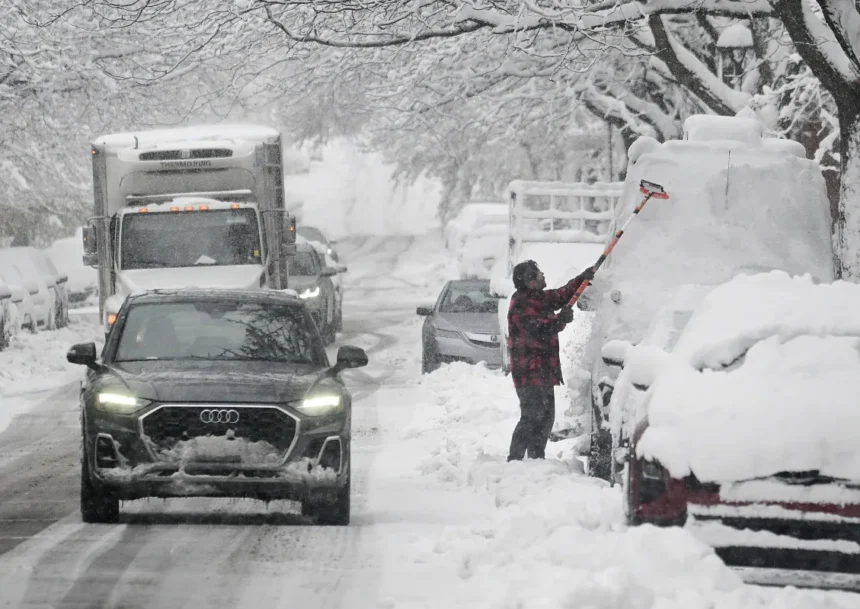

When the sky turns a heavy gray and the wind begins to howl, hearing the words “winter storm warning” can cause a surge of anxiety. It’s a serious alert from weather authorities that signifies a significant and potentially dangerous winter weather event is imminent or already happening. But what does it really mean for you and your family? Understanding these warnings is the first step toward keeping everyone safe and sound.
This comprehensive guide will walk you through everything you need to know. We’ll break down the different types of winter alerts, explain what to do when a winter storm warning is issued, and provide detailed checklists for your home, car, and family. By the end, you’ll feel confident and prepared to face whatever the winter season throws your way.
Understanding Winter Weather Alerts
Before diving into the specifics of a winter storm warning, it’s helpful to understand the different levels of winter weather alerts issued by the National Weather Service. These alerts are designed to give you a heads-up and help you gauge the severity of an approaching storm. Think of them as a tiered system: watch, advisory, and warning. Each has a distinct meaning and requires a different level of preparedness. Knowing the difference can help you make informed decisions, whether that means a quick trip to the store for essentials or hunkering down for a few days. These alerts are your primary tool for staying ahead of the weather and ensuring you have enough time to prepare your home and family for the incoming conditions.
Winter Storm Watch vs. Advisory vs. Warning
Navigating the terminology of winter weather can be confusing, but it’s crucial for your safety. Let’s clarify the three main types of alerts you’ll encounter.
- Winter Storm Watch: This is the earliest alert. It means that conditions are favorable for a significant winter storm to develop. A watch is typically issued 24 to 48 hours before the storm is expected to begin. This is your signal to start preparing. Check your emergency kits, review your family’s communication plan, and pay close attention to weather updates. It’s a “heads-up” to get ready because a storm might happen.
- Winter Storm Advisory: An advisory is a step up from a watch. It’s issued when a winter weather event is expected to cause significant inconveniences but is not life-threatening if you exercise caution. This could mean light to moderate snow, freezing rain, or sleet that could make travel difficult. While not a full-blown emergency, you should be careful if you need to be on the roads.
- Winter Storm Warning: This is the most serious alert. A winter storm warning is issued when a life-threatening winter storm is imminent or already occurring. This means heavy snow, significant ice accumulations, or blizzard conditions are expected. Travel is strongly discouraged, and you should make your final preparations to stay home and shelter in place.
|
Alert Type |
What It Means |
Recommended Action |
|---|---|---|
|
Watch |
Conditions are favorable for a storm. |
Monitor forecasts, review plans, check supplies. |
|
Advisory |
A less severe storm is expected; travel may be difficult. |
Exercise caution, especially when driving. |
|
Warning |
A dangerous, significant storm is imminent or occurring. |
Complete preparations, avoid travel, shelter in place. |
What Triggers a Winter Storm Warning?
The National Weather Service (NWS) doesn’t issue a winter storm warning lightly. Specific criteria must be met, and these can vary slightly based on your geographic location. A “major” snowstorm in Georgia looks very different from one in Minnesota. However, the NWS has general guidelines that trigger this serious alert. Typically, a warning is issued when there’s a high confidence that a storm will produce dangerous amounts of winter precipitation. This includes heavy snow that can make roads impassable, sleet that creates a thick layer of ice pellets, or freezing rain that coats surfaces in a slick, heavy glaze of ice. The decision to issue a warning is based on sophisticated weather models, satellite data, and on-the-ground observations. Forecasters analyze temperature profiles, moisture levels, and atmospheric dynamics to predict the storm’s impact with as much accuracy as possible.
Criteria for Heavy Snow and Ice
The threshold for what constitutes “heavy snow” or “significant ice” is regionally dependent, as communities are equipped to handle different levels of winter weather.
- Heavy Snow: For many parts of the country, a winter storm snow warning is triggered when 6 inches or more of snow is expected in a 12-hour period, or 8 inches in a 24-hour period. In areas less accustomed to snow, like the southern United States, the threshold may be as low as 2 to 3 inches. Conversely, in mountainous regions or the Great Lakes snow belts, the criteria might be a foot or more of snow.
- Significant Ice Accumulation: Freezing rain is particularly dangerous. An ice accumulation of just a quarter-inch can cause major problems. It can snap tree branches, weigh down power lines (leading to widespread outages), and create treacherous, nearly invisible ice sheets on roads and sidewalks. A warning for ice is often issued when accumulations of 1/4 inch to 1/2 inch or more are forecast. The combination of wind with ice makes the situation even more perilous, increasing the likelihood of damage and power failures. Understanding these specific criteria helps you appreciate the seriousness of the situation when a winter storm warning is announced for your area.
Key Takeaways for Winter Storm Preparedness
Staying safe during severe winter weather boils down to being informed and prepared. Here are the most critical takeaways:
- Know Your Alerts: Understand the difference between a watch, advisory, and warning. A winter storm warning is the highest alert and requires immediate action.
- Prepare in Advance: Don’t wait until the storm hits. Build your emergency kits for your home and car at the beginning of the season.
- Stay Informed: Monitor reliable weather sources like the National Weather Service. Have a battery-powered or hand-crank radio for updates if the power goes out.
- Home Safety is Priority: Prepare your home to withstand the storm by insulating pipes, checking your heating system, and gathering supplies to last at least 72 hours.
- Avoid Travel: During a winter storm warning, roads can become impassable and extremely dangerous. Stay off the roads unless it is an absolute emergency.
Preparing Your Home for a Winter Storm
Your home is your primary shelter during a winter storm, so ensuring it’s ready is your most important task. When you hear that a winter storm warning has been issued, it’s time to run through your final home-prep checklist. This doesn’t mean a last-minute panic, but rather a calm and methodical check to ensure everything is secure. You’ll want to focus on three key areas: keeping the heat in and the cold out, ensuring you have essential supplies, and preparing for a potential power outage. A little bit of work before the storm’s arrival can make a huge difference in your comfort and safety. Taking these steps helps protect not just your family, but also your property from potential damage caused by freezing temperatures, heavy snow, and high winds.
The 72-Hour Home Emergency Kit
Emergency officials recommend having enough supplies to last you and your family for at least 72 hours without outside assistance. A winter storm warning is your final call to make sure this kit is stocked and accessible.
Here’s a checklist for your home kit:
- Water: One gallon per person, per day. Don’t forget pets need water too!
- Non-Perishable Food: Canned goods, dried fruit, protein bars, and other foods that don’t require cooking or refrigeration. Remember a manual can opener.
- Light Sources: Flashlights, lanterns, and plenty of extra batteries. Avoid using candles as they are a fire hazard.
- Communication: A battery-powered or hand-crank radio to listen to NWS updates. Keep cell phones and power banks fully charged.
- Heating: Extra blankets, sleeping bags, and warm winter coats. If you have a safe indoor heat source, like a fireplace or a properly ventilated kerosene heater, ensure you have an adequate supply of fuel.
- First-Aid Kit: Include any prescription medications, pain relievers, and standard first-aid supplies.
- Sanitation: Moist towelettes, garbage bags, and basic hygiene items.
Protecting Your Home from the Elements
Beyond your emergency kit, you need to prepare the structure of your home itself. When a winter storm warning is active, run through these final steps.
- Prevent Frozen Pipes: Let faucets drip slightly with cold water to keep it moving through your plumbing system. Open kitchen and bathroom cabinet doors to allow warmer air to circulate around the pipes.
- Check Heating Systems: Make sure your primary heating system is working correctly. If you use alternative sources like a fireplace, ensure the chimney has been recently cleaned. Never use a gas stove, oven, or outdoor grill to heat your home; they can release deadly carbon monoxide gas.
- Bring Pets Inside: Your pets are part of the family. Bring all outdoor pets inside to protect them from the severe cold. Ensure they have food, water, and a warm place to rest.
- Know Your Utilities: Know how to shut off your water main in case a pipe bursts. This can prevent catastrophic water damage.
Vehicle Preparation: The Winter Car Survival Kit
Even with warnings to stay off the roads, you might get caught in a storm or face an emergency that requires you to drive. A winter storm warning should prompt you to ensure your vehicle is as prepared as you are. A car that isn’t ready for winter conditions is a hazard to you and everyone else on the road. Before the season even starts, get your car serviced. Check the antifreeze, brakes, heater, and defroster. Most importantly, your tires should have adequate tread, or you should switch to snow tires if you live in an area with heavy winter weather. Keeping your gas tank at least half full at all times during the winter is also a smart habit; it can prevent the fuel line from freezing and provides a source of heat if you become stranded.
If a winter storm warning remains in effect Wednesday and you absolutely must travel, being prepared can be the difference between a minor inconvenience and a life-threatening situation. Having a well-stocked survival kit in your trunk is non-negotiable. Should you become stranded, you’ll need to rely on these supplies to stay safe until help arrives. This kit should be separate from your home kit and live in your car throughout the winter months.
Essential Items for Your Vehicle Kit
Think of this kit as your lifeline if you get stuck in the snow. Pack these items in a small duffel bag or plastic bin and keep it in your trunk:
- Blankets, Mittens, Socks, and a Hat: If you’re stranded, your car’s engine may not be running. You’ll need to stay warm.
- Ice Scraper and Snow Brush: Essential for maintaining visibility.
- Flashlight and Extra Batteries: It gets dark early in the winter.
- Jumper Cables: Car batteries are more likely to die in cold weather.
- First-Aid Kit: Tailor it to your family’s needs.
- Sand, Kitty Litter, or Traction Mats: Use these to get traction if your wheels are spinning on ice.
- Small Shovel: To dig snow away from your tires and exhaust pipe.
- Windshield Washer Fluid: Make sure it’s a winter blend that won’t freeze.
- Snacks and Water: High-energy, non-perishable snacks like granola bars and nuts are perfect.
- Warning Flares or Reflective Triangles: To make your car visible to other drivers and rescue crews.
- Phone Charger or Power Bank: A charged phone is your link to help.
Safety During the Storm
Once the storm arrives and a winter storm warning is in full effect, your best bet is to stay put. This is the time to shelter in place and wait for the storm to pass. The primary dangers during the storm itself are not just the snow and ice, but also the associated risks like power outages, extreme cold, and isolation. Your focus should be on staying warm, safe, and informed. It is crucial to listen to the advice of local authorities and emergency managers. If they advise against travel, it’s for a good reason. The conditions are likely too dangerous even for emergency vehicles to navigate easily. Use this time to connect with family, play board games, read books, and rest, knowing that you are prepared.
Surviving a Power Outage
One of the most common and disruptive consequences of a severe winter storm is a power outage. Heavy ice and wind can bring down power lines, leaving you in the dark and cold for hours or even days.
Staying Warm and Safe
- Layer Up: Dress in multiple loose-fitting layers of clothing. Wear a hat and gloves, even indoors.
- Conserve Heat: Close off rooms you aren’t using to contain heat in a smaller area. Stuff towels or blankets under doors to block drafts.
- Safe Heating: Only use safe, approved indoor heating sources. Crucially, ensure you have proper ventilation to prevent carbon monoxide poisoning. Install a CO detector with a battery backup on every level of your home.
- Never Use Unsafe Heat Sources: Do not use charcoal grills, propane heaters not rated for indoor use, or gas ovens to heat your home. These can lead to a fatal buildup of carbon monoxide.
Food and Water Safety
- Keep Fridges Closed: An unopened refrigerator will keep food cold for about 4 hours. A full freezer will hold its temperature for about 48 hours.
- Use a Cooler: If the power is out for an extended period, transfer perishable food to a cooler with ice or snow.
- Water Supply: If you have a well that relies on an electric pump, your 72-hour water supply is essential. You can also melt snow for non-drinking uses, like flushing toilets. Be sure to boil it first if you need to drink it.
Regional Focus: Winter Storms Across the U.S.
Winter storms don’t impact the entire country in the same way. The type of weather, the amount of precipitation, and the level of community preparedness vary drastically from one region to another. A winter storm warning in Oregon is very different from one in Texas. Understanding these regional differences can help you better prepare for the specific threats your area faces. From lake-effect snow in the Great Lakes to ice storms in the South, each region has its own unique winter challenges. The National Weather Service issued winter storm warnings for several states at a time, but the local impact will always be unique.
When Winter Storm Warnings are in Effect for the Midwest
The Midwest is no stranger to harsh winters. When winter storm warnings are in effect for the Midwest, it often means a large, powerful storm system is moving through, capable of producing blizzard conditions. Blizzards are characterized by strong winds (35 mph or more), blowing snow, and very low visibility (less than a quarter-mile) for at least three hours. This combination is deadly. The blowing and drifting snow can create massive snowdrifts that block roads and even bury cars. Residents are accustomed to heavy snow, but a winter storm warning here commands respect. For example, a winter storm warning issued for west Michigan counties on Monday often involves heavy lake-effect snow, which can drop multiple feet of snow in a very localized area.
Navigating a Winter Storm Warning in the Northeastern US
The Northeast is another region well-versed in battling winter weather, especially from powerful Nor’easters. A winter storm warning for Thanksgiving travel in the northeastern US can cause chaos, disrupting one of the busiest travel periods of the year. These storms can bring a messy mix of precipitation, with snow in the interior and a wintry mix of sleet and freezing rain closer to the coast. The high population density means that any disruption to transportation has a massive ripple effect. Power outages are also a major concern due to the abundance of older trees and above-ground power lines.
Unique Challenges in the Western States
Out west, a winter storm warning western states often pertains to mountain areas. A winter storm warning issued for Oregon Cascades, for instance, signifies extremely heavy snow at high elevations. This is great for the ski resorts but treacherous for anyone attempting to cross mountain passes. The rapid changes in elevation mean that a valley might be getting rain while the pass just a few thousand feet higher is experiencing blizzard conditions. Avalanches are another serious risk in these mountainous regions during and after a major snowstorm.
When Winter Hits the South: Fort Worth and North Texas
Winter storms in the southern U.S. present a unique set of challenges because the region is less equipped to handle them. When a winter storm warning issued for Fort Worth and North Texas occurs, the primary threat is often ice. Even a thin glaze of ice can shut down the entire region, as municipalities have a limited number of plows and salt trucks. Drivers are also inexperienced with icy conditions, leading to a high number of accidents. The 2021 deep freeze in Texas highlighted the vulnerability of the region’s power grid to extreme cold, a situation that can turn a winter storm into a catastrophic humanitarian crisis.
After the Storm: Recovery and Safety
The passing of the storm doesn’t mean the danger is over. The recovery phase has its own set of risks, from overexertion to lingering cold. After a winter storm warning is lifted, it’s important to proceed with caution. The landscape has been altered by snow and ice, and new hazards may be present. Take your time, be methodical in your cleanup, and continue to prioritize safety. Check on your neighbors, especially the elderly or those with medical needs, to ensure they are safe and have what they need. Community cooperation is key to a swift and safe recovery.
Safe Snow Removal
Shoveling heavy, wet snow is strenuous work and can lead to back injuries and even heart attacks.
- Pace Yourself: Shovel for short periods and take frequent breaks. Push the snow rather than lifting it whenever possible.
- Use Proper Form: Bend your knees and lift with your legs, not your back.
- Stay Hydrated: You’re still exerting yourself, so drink plenty of water.
- Be Aware of a Buried Exhaust Pipe: If your car is buried in snow, make sure to clear the exhaust pipe before starting the engine to prevent carbon monoxide from leaking into the cabin.
Driving After the Storm
Roads may not be clear for some time. Local crews work hard, but it takes time to treat every street. Winter storm warnings and advisories updated for Sunday’s snow storm might be lifted, but that doesn’t mean the roads are safe.
- Drive Slowly: Allow for much longer stopping distances. Accelerate and decelerate slowly.
- Don’t Crowd the Plow: Give snowplows plenty of room to work. Never pass them on the right.
- Watch for Black Ice: Pavement that looks wet might actually be a thin layer of transparent ice. Be especially cautious on bridges, overpasses, and in shady spots. The latest news on road conditions can often be found on sites like https://siliconvalleytime.co.uk/.
Checking for Damage
Once it is safe to go outside, inspect your property for any damage.
- Look for Downed Power Lines: Treat any downed wire as if it were live. Stay far away and report it to the utility company immediately.
- Inspect Your Roof: Heavy snow and ice can put a lot of stress on your roof. If you have concerns, consider hiring a professional to safely remove the snow.
- Check for Ice Dams: Ice dams form at the edge of a roof and prevent melting snow from draining. This can cause water to back up and leak into your home.
A winter storm warning is a call to action. It signals the need for preparation, caution, and respect for the power of nature. By understanding what these warnings mean, preparing your home and vehicle, and knowing how to stay safe during and after the storm, you can face the winter season with confidence. Preparation is your best defense against the dangers of severe winter weather.
For those interested in a deeper dive into the science and classification of these weather events, a wealth of information is available. For a comprehensive overview, you can learn more about winter storms on Wikipedia, which provides detailed explanations of their formation and impact.
Frequently Asked Questions (FAQ)
1. How long does a winter storm warning usually last?
A winter storm warning is typically issued for a 12 to 24-hour period, but it can be extended if the storm is slow-moving or conditions persist. For instance, you might see an alert that a winter storm warning remains in effect Wednesday even if it was issued on Tuesday. Always monitor your local NWS office for the latest updates.
2. Can I go to work if there is a winter storm warning?
Authorities strongly advise against all non-essential travel during a winter storm warning. The conditions are considered life-threatening. Many businesses and schools will close. Unless you are an essential employee (e.g., hospital staff, emergency services), you should stay home.
3. What is the difference between sleet and freezing rain?
Both are dangerous, but they form differently. Sleet consists of ice pellets that bounce when they hit the ground. Freezing rain falls as a liquid but freezes instantly upon contact with a surface, coating everything in a layer of glaze ice. Freezing rain is generally more dangerous as it creates a smoother, more treacherous surface and adds significant weight to trees and power lines.
4. What should I do if my power goes out and I have no alternative heat source?
Your priority is to conserve body heat. Gather everyone in a single, small interior room. Close the door and block any drafts with towels. Huddle together under blankets and sleeping bags. Wear multiple layers, including hats and gloves. Do not use unsafe heating methods like a gas oven.
5. How are winter storm warnings issued to the public?
The National Weather Service issues warnings through multiple channels. These include the NOAA Weather Radio, the official weather.gov website, local TV and radio stations, and smartphone alerts (Wireless Emergency Alerts). When winter storm warnings issued ahead of Sunday’s snowstorm are announced, you will likely see them across all these platforms.