




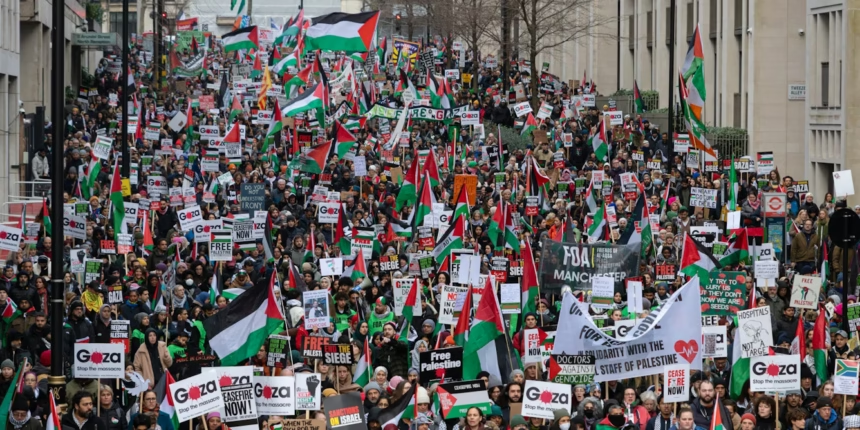

Introduction to Protests Today
What Are Protests?
In its simplest form, a protest is a public expression of objection, disapproval, or dissent towards an idea or action, typically a political one. When we look at protests today, we see a vibrant tapestry of voices demanding to be heard. These are not just crowds shouting in the street; they are organized, strategic movements aimed at highlighting grievances that might otherwise go unnoticed. Whether it’s a small group of neighbors gathering to save a local park or thousands marching in the capital for civil rights, the core essence remains the same: a desire for change.
People often think of protests as chaotic events, but many are peaceful gatherings where individuals share speeches, songs, and signs. The visual aspect of protests today is powerful, often involving creative art, performance, and symbolic gestures. It is a fundamental way for citizens to communicate with their leaders when they feel that traditional channels—like voting or writing letters—are not moving fast enough or are being ignored entirely.
Why Protests Are Relevant in Modern Society
You might wonder why, in an age of digital communication, people still feel the need to physically gather. The relevance of protests today lies in their ability to disrupt the status quo and force a conversation. When a community faces injustice, silence is often interpreted as acceptance. Protesting breaks that silence. It makes an issue impossible to ignore for politicians, media, and the general public.
Furthermore, modern society moves at a breakneck speed. Issues can be buried under the 24-hour news cycle. A sustained protest movement keeps a topic in the headlines. It serves as a constant reminder that the issue has not been resolved. Protests today also serve a vital social function: they build community. They bring like-minded individuals together, fostering a sense of solidarity and shared purpose that can be incredibly empowering in a world that often feels fragmented and isolating.
The Role of Protests in Democracy
Democracy is not just about casting a ballot once every few years. It is an ongoing dialogue between the government and the governed. Protests today are a crucial part of this dialogue. They serve as a check on power, ensuring that leaders remain accountable to the people they serve. Without the right to protest, a democracy can easily slide into authoritarianism, where dissent is crushed and only one viewpoint is allowed.
The First Amendment in the United States Constitution explicitly protects the right of the people peaceably to assemble and to petition the government for a redress of grievances. This highlights how foundational protest is to the American experiment. Protests today continue this tradition, acting as a pressure valve for society. When people feel heard, they are less likely to resort to violence. By allowing peaceful dissent, democracies actually become more stable and resilient in the long run.
Historical Context of Protests
Key Protests That Shaped History
To understand protests today, we must look back at the giants upon whose shoulders modern activists stand. History is filled with turning points sparked by public demonstration. The Boston Tea Party, for example, was a protest against taxation without representation that eventually led to the American Revolution. It showed that organized dissent could alter the course of nations.
Later, the Women’s Suffrage Parade of 1913 was pivotal in the fight for women’s right to vote. Braving insults and violence, these women marched to demand equal participation in democracy. Similarly, the Civil Rights Movement of the 1950s and 60s, defined by the March on Washington and the Selma to Montgomery marches, fundamentally reshaped American society. These events prove that the spirit driving protests today is deeply rooted in a legacy of fighting for justice and equality.
Lessons Learned from Past Movements
One of the biggest lessons from history is that change rarely happens overnight. The movements mentioned above took years, sometimes decades, to achieve their goals. Protests today often face the criticism of “not accomplishing anything” immediately, but history teaches us the value of persistence. The Civil Rights Movement didn’t end segregation in a day; it was a sustained campaign of pressure.
Another lesson is the power of non-violence. While frustrations can boil over, history suggests that peaceful movements often garner broader public support and are more successful in effecting long-term legislative change. Figures like Martin Luther King Jr. and Mahatma Gandhi demonstrated that moral authority can be a more potent weapon than physical force. Activists involved in protests today often study these past strategies to understand how to maintain discipline and focus in the face of opposition.
How Protests Have Evolved Over Time
While the core desire for change remains, the methods have shifted dramatically. In the past, organizing a protest required phone trees, printed flyers, and word-of-mouth. Protests today can be organized in hours using social media apps. A hashtag can spark a global movement before a single person has stepped onto the street. This speed is a defining characteristic of modern activism.
Additionally, the scope has broadened. Historically, protests were often local or national. Now, they are frequently global. A protest in New York can inspire solidarity marches in London, Tokyo, and Sydney simultaneously. The imagery of protests today is also different; everyone has a camera in their pocket. This means that police conduct and protester behavior are documented in real-time, changing the way the narrative is shaped and consumed by the public.
Types of Protests Today
Peaceful Demonstrations
The most common form of protests today is the peaceful demonstration. This includes marches, rallies, vigils, and picketing. The goal here is visibility. Participants want to show the sheer number of people who care about an issue. These events are often permitted by the city, meaning organizers work with law enforcement to close streets and ensure safety.
Peaceful demonstrations rely on the power of presence. A silent vigil with candles can be just as moving as a loud march with drums. The atmosphere is often one of hope and determination. Families often attend these events, teaching the younger generation about civic duty. When the media covers protests today, these large, peaceful gatherings often provide the most compelling images of unity and democratic engagement.
Civil Disobedience
Civil disobedience takes protest a step further. It involves the active refusal to obey certain laws, demands, and commands of a government or an occupying international power. The key here is that the refusal is non-violent. Participants in protests today who engage in civil disobedience might block a road, occupy a building, or refuse to pay a specific tax.
The philosophy is that if a law is unjust, one has a moral obligation to break it. However, those engaging in civil disobedience usually accept the consequences, such as arrest, to highlight the injustice. This willingness to sacrifice personal freedom for a cause sends a powerful message. It forces the legal system and the public to confront the specific issue at hand directly.
Online and Digital Protests
We cannot talk about protests today without mentioning the digital realm. “Hacktivism,” online petitions, and social media campaigns are now standard tools. Digital protests allow people who cannot physically attend a march—due to disability, geography, or work—to lend their voice to the cause.
Changing a profile picture, using a specific hashtag, or flooding a politician’s email inbox are all forms of digital protest. While some critics call this “slacktivism,” it has undeniably led to real-world results. It raises awareness rapidly and can pressure corporations and governments to act. The viral nature of protests today means that a local injustice can become a global scandal in a matter of hours, largely thanks to digital activism.
Violent Protests and Their Consequences
Unfortunately, not all protests remain peaceful. Sometimes, frustrations boil over, or opportunistic groups hijack a movement, leading to riots, looting, and vandalism. Violent protests today often dominate the news cycle, overshadowing the original message of the demonstrators. When property is destroyed or people are hurt, public sympathy tends to evaporate quickly.
The consequences of violence are severe. It gives authorities justification to use heavy-handed tactics, leading to further escalation. It also alienates potential allies who might support the cause but condemn the methods. Understanding the distinction between the main body of peaceful protesters and the small factions inciting violence is crucial when analyzing protests today.
|
Protest Type |
Primary Goal |
Typical Methods |
Common Outcome |
|---|---|---|---|
|
Peaceful |
Visibility & Unity |
Marches, speeches, signs |
Public awareness, media coverage |
|
Civil Disobedience |
Disruption of Status Quo |
Sit-ins, blocking roads |
Arrests, legal challenges, intense debate |
|
Digital |
Viral Awareness |
Hashtags, petitions, email blasts |
Rapid spread of info, corporate pressure |
|
Violent |
Expression of Rage |
Vandalism, physical confrontation |
Police crackdown, loss of public support |
Key Issues Driving Protests Today
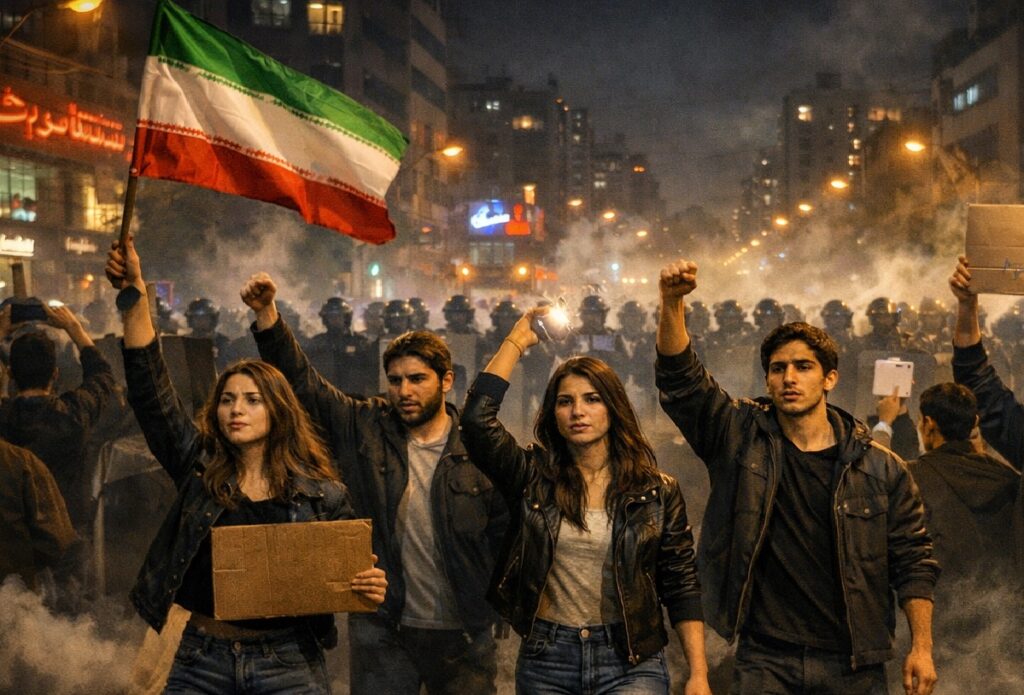
Social Justice Movements
A massive driver of protests today is the fight for social justice. This umbrella term covers racial equality, gender rights, and LGBTQ+ advocacy. Movements like Black Lives Matter have brought systemic racism to the forefront of global consciousness. These protests demand not just legal equality, but equitable treatment in all aspects of life, from policing to employment.
People are tired of discrimination and are taking to the streets to demand a society where everyone is treated with dignity regardless of their skin color, gender, or sexual orientation. The energy behind these protests today is palpable, driven by a younger generation that is increasingly intolerant of intolerance. They are calling for a dismantling of old structures that perpetuate inequality.
Environmental Activism
The climate crisis has sparked a global wave of protests today. Led often by youth activists like Greta Thunberg, these movements demand urgent action to save the planet. Groups like Extinction Rebellion use dramatic, non-violent civil disobedience to highlight the ecological emergency.
These protests are unique because they are driven by science and a fear for the future. Protesters argue that current leaders are failing to protect the earth for future generations. Issues range from opposing new oil pipelines to demanding legislation for carbon neutrality. The “Fridays for Future” strikes showed that students are willing to skip school to demand a livable world, proving the deep commitment behind environmental protests today.
Economic Inequality and Labor Rights
As the gap between the rich and the poor widens, economic issues are fueling many protests today. We see strikes by teachers, nurses, and factory workers demanding fair wages and safe working conditions. The “Fight for $15” movement in the US is a prime example of workers organizing to demand a living wage.
Beyond wages, there are protests against austerity measures, rising housing costs, and student debt. People feel the economic system is rigged against them, and they are mobilizing to demand a fairer distribution of wealth. These protests often intersect with other issues, as marginalized communities are frequently the hardest hit by economic inequality. Protests today regarding economics are fundamentally about the right to live a secure and decent life.
Political and Electoral Protests
Politics remains a hotbed for protests today. This includes demonstrations against specific laws, corruption, or election results. In recent years, we have seen massive protests in various countries challenging authoritarian leaders or demanding free and fair elections.
In the US, protests often erupt over Supreme Court decisions or controversial bills passing through Congress. These events are highly charged and partisan. They reflect the deep political polarization in society. Supporters of different parties often hold counter-protests, facing off in the streets. These political protests today highlight the intense struggle for the direction of the country and the values it should uphold.
The Role of Social Media in Protests Today
How Social Media Amplifies Voices
Social media has revolutionized the way we experience protests today. Platforms like X (formerly Twitter), Instagram, and TikTok allow activists to bypass traditional media gatekeepers. They can broadcast their message directly to the world, uncut and unfiltered. A video of an injustice can go viral in minutes, sparking outrage and mobilization before the evening news even airs.
This amplification is crucial for marginalized groups who have historically been ignored by mainstream outlets. It allows them to control their own narrative. Hashtags serve as rallying cries that unite people across borders. When we look at protests today, we see that the digital conversation is just as important as the physical one. It creates a global witness to local events.
Challenges of Misinformation
However, the digital age is a double-edged sword. Protests today are often plagued by misinformation and disinformation. False rumors can spread just as fast as the truth, inciting panic or anger based on lies. doctored images or videos taken out of context can be used to discredit a movement or demonize protesters.
Trolls and bad actors—sometimes even state-sponsored—can infiltrate online discussions to sow discord. This makes it difficult for the public to know what is actually happening. Participants in protests today have to be vigilant about verifying information before sharing it. The rapid speed of social media means that a correction rarely travels as far as the original lie, creating a lasting false impression.
Organizing Protests in the Digital Age
The logistics of protests today rely heavily on digital tools. Encrypted messaging apps like Signal and Telegram are used to coordinate movements, ensuring privacy and security for organizers. Events are created on Facebook to track attendance numbers. Crowdfunding platforms are used to raise money for bail funds or supplies.
This digital infrastructure makes organizing cheaper and faster. You don’t need a headquarters or a printing press anymore; you just need a smartphone. However, this also leaves movements vulnerable to surveillance. Authorities monitor social media to track leaders and predict movements. The cat-and-mouse game between digital organizing and digital surveillance is a defining feature of protests today.
The Legal and Ethical Aspects of Protests
Rights to Protest in the United States
In the United States, the right to protest is constitutionally protected, but it is not absolute. The government can impose “time, place, and manner” restrictions. This means they can’t ban protests today based on the message, but they can say you can’t protest in the middle of a highway at rush hour or use bullhorns at 3 AM in a residential neighborhood.
Understanding these rights is crucial for protesters. Generally, you have the right to protest on public sidewalks and in parks. You have the right to film police officers in public spaces. However, private property is different; owners can ask you to leave. Legal observers often attend protests today specifically to document whether police are respecting these constitutional rights or infringing upon them.
Ethical Considerations for Protesters and Authorities
Ethics play a huge role in the dynamics of protests today. For protesters, the ethical dilemma often revolves around tactics. Is it ethical to disrupt the lives of ordinary citizens to make a point? Is damaging property ever justified? Most adhere to non-violent principles, believing that maintaining the moral high ground is essential for success.
For authorities, the ethical burden is heavy. They must balance maintaining order with respecting civil liberties. The use of force—tear gas, rubber bullets, batons—is a major ethical flashpoint. Excessive force against peaceful protesters is widely condemned as unethical and undemocratic. The way police handle protests today is under intense scrutiny, with demands for de-escalation tactics rather than militarized responses.
Balancing Freedom of Speech and Public Safety
The tension between free speech and public safety is the central conflict in managing protests today. The government has a duty to keep the public safe, ensuring that ambulances can pass and that riots don’t break out. However, “public safety” is sometimes used as an excuse to shut down legitimate dissent.
finding the right balance is difficult. A protest that is completely non-disruptive is often ignored, but a protest that is too disruptive is declared a safety hazard. Courts are constantly adjudicating this balance. As protests today evolve, legal definitions are tested. For example, does a “digital sit-in” that crashes a government website count as free speech or a cyberattack? These are the complex questions society is grappling with.
The Impact of Protests Today
Social and Cultural Changes
The impact of protests today is often felt most deeply in culture. They change the way we talk and think. Terms like “systemic racism,” “climate emergency,” and “me too” have entered the mainstream vocabulary largely due to protest movements. They force society to confront uncomfortable truths.
Even if laws don’t change immediately, culture shifts. We see diversity initiatives in companies, changes in school curriculums, and more representation in media. These are direct ripples from the waves made by protests today. They normalize ideas that were once considered radical, slowly moving the “Overton window” of what is politically acceptable.
Policy Reforms and Legislative Actions
While slower, legislative change does happen. Protests today put immense pressure on lawmakers. We have seen cities ban chokeholds, states raise the minimum wage, and countries commit to carbon reduction goals—all in direct response to public pressure.
The connection isn’t always linear. A protest might happen in 2024, and the law might pass in 2026. Politicians read the polls, and protests influence polls. When a movement shows that a significant block of voters cares about an issue, politicians listen to preserve their own power. The legislative victories of protests today are the concrete evidence of their efficacy.
Global Influence of Local Protests
We live in a hyper-connected world. A local injustice in Minneapolis can spark protests today in Paris. This global solidarity puts international pressure on governments. When the world is watching, leaders are less likely to commit human rights abuses.
This global influence also means that tactics are shared. Protesters in Hong Kong shared techniques for neutralizing tear gas that were then used by protesters in the US and Chile. Ideas and strategies cross borders instantly. The interconnected nature of protests today creates a global community of activists who support and learn from each other, making local movements feel like part of a worldwide struggle.
Challenges Faced by Protests Today
Government Crackdowns and Restrictions
Across the globe, and even in democratic nations, we are seeing a trend of governments tightening the screws on protests today. New laws are being introduced to increase penalties for blocking infrastructure or to define “riot” more broadly. This creates a chilling effect, making people afraid to exercise their rights.
Authorities are also using advanced surveillance technology, such as facial recognition, to identify and track protesters. This digital crackdown is a major challenge. It attempts to strip away the anonymity that often protects dissenters. Fighting these restrictive laws is becoming a protest movement in itself, as activists battle to preserve the right to protest for future generations.
Public Perception and Media Bias
How the media frames protests today dictates how the public perceives them. If the news focuses solely on a burning trash can and ignores the thousands of peaceful marchers, the public will view the movement as violent. Activists constantly struggle against this bias.
There is also the challenge of “protest fatigue.” If people see protests on the news every night, they might become desensitized. They might stop caring or get annoyed by the disruption. Maintaining public sympathy while continuing to apply pressure is a delicate balancing act for organizers of protests today. They must find creative ways to keep their message fresh and engaging.
Internal Divisions Within Movements
No movement is a monolith. Protests today are often coalitions of different groups with slightly different goals. Internal disagreements can fracture a movement. Some might want to negotiate with politicians, while others want to remain outside the system. Some advocate for strict non-violence, while others believe in more aggressive self-defense.
These divisions can weaken the movement’s impact. Infighting consumes energy that should be directed outward. Successful protests today are those that manage to keep these internal tensions in check, rallying everyone around a few core demands despite their differences in strategy or ideology.
How to Support Protests Today
Ways to Get Involved
You don’t have to carry a sign to support protests today. There are many roles to play. You can donate to bail funds or organizations that support the cause. You can offer your skills—graphic design for flyers, legal advice, or medical aid.
Simply showing up is huge, but if you can’t, you can amplify the message online. Share accurate information, sign petitions, and call your representatives. Engaging in conversations with friends and family is also a form of activism. Changing one mind at the dinner table contributes to the cultural shift that protests today aim to achieve.
Supporting Peaceful Movements
Supporting peaceful movements helps ensure their longevity and safety. When you support protests today, look for leadership that emphasizes non-violence and clear goals. Attend their events, volunteer to be a peace marshal, or help with cleanup after a rally.
By supporting the peaceful elements, you help delegitimize the violence that detractors try to focus on. It sends a message that the public supports the message, not the destruction. This kind of support is vital for maintaining the moral authority of the movement in the eyes of the wider public.
Educating Yourself and Others
Before you join or support protests today, it is crucial to understand why they are happening. Read books, watch documentaries, and listen to the people directly affected by the issue. Don’t rely solely on soundbites.
Education is the foundation of effective advocacy. When you understand the history and the data, you can articulate the cause better to others. You become a more effective ally. Sharing this knowledge helps combat misinformation and builds a more informed citizenry, which is ultimately the goal of all protests today.
Key Takeaways
- Definition: Protests today are organized public expressions of dissent aimed at creating political or social change.
- Relevance: They are essential for democracy, acting as a check on power and a megaphone for marginalized voices.
- Types: They range from peaceful marches and civil disobedience to digital activism and, occasionally, violent unrest.
- Key Issues: Major drivers include social justice, climate change, economic inequality, and political rights.
- Digital Role: Social media is a critical tool for organizing and amplifying, but it also spreads misinformation.
- Impact: Protests shift culture, influence legislation, and create global solidarity, even if results aren’t immediate.
- Support: You can support by attending, donating, educating yourself, and amplifying accurate information.
Frequently Asked Questions (FAQ)
What is the purpose of protests today?
The primary purpose of protests today is to draw attention to grievances, demand change, and hold those in power accountable. They aim to disrupt the status quo to force a conversation about issues that might otherwise be ignored, such as racial injustice, climate change, or economic inequality.
Are protests effective in creating change?
Yes, though the timeline varies. Protests today are highly effective at shifting public opinion and raising awareness. While legislative change can take years, protests keep the pressure on. Historical examples like the Civil Rights Movement prove that sustained protest can fundamentally reshape society.
How can I participate in protests safely?
To participate safely in protests today, go with a friend, stay hydrated, and know your rights. Have an exit plan in case things escalate. Avoid engaging with agitators. If you have medical conditions, consider supporting from home via digital means or donations rather than risking physical confrontation.
Conclusion
In summary, protests today are a vital, dynamic force in our world. They are the voice of the people refusing to be silenced. From the streets to the screens, the movement for a better future is alive and well. Whether it is fighting for the planet, for equality, or for basic human rights, these demonstrations remind us that power ultimately resides with the citizenry. While they face challenges like misinformation and government restrictions, the spirit of dissent remains a cornerstone of freedom.
Understanding these movements helps us navigate the complex world we live in. It encourages us to listen, to learn, and perhaps, to act. For more insights on current events, visit https://siliconvalleytime.co.uk/. We encourage you to dig deeper into history to see how today’s actions echo the past. Learn more about protests on Wikipedia.