




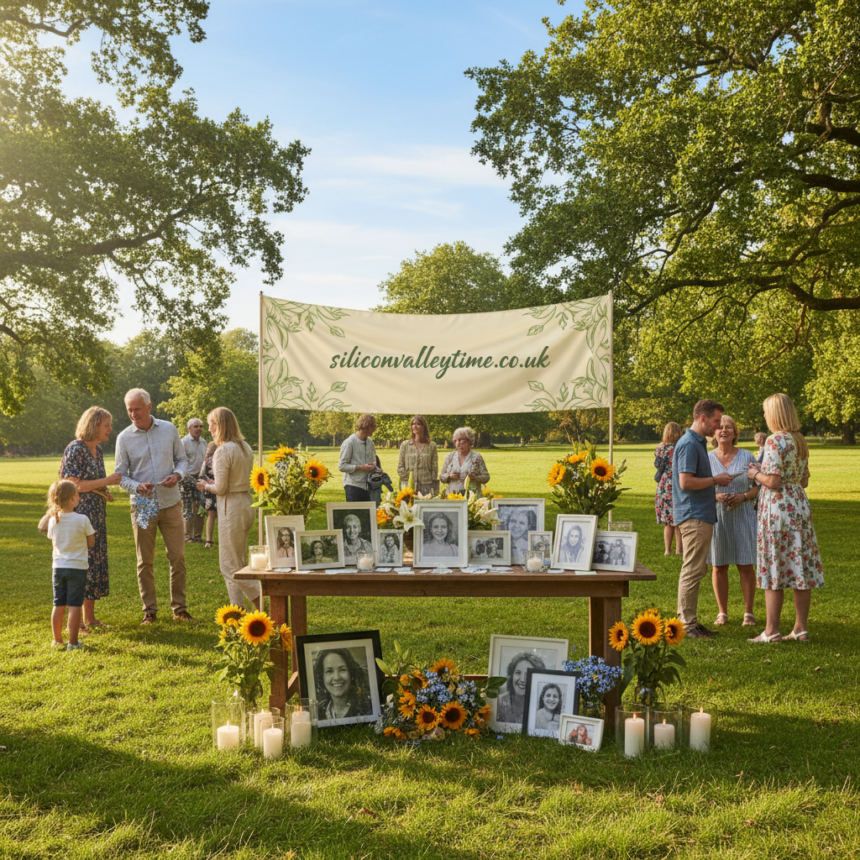

Losing someone you care about brings an overwhelming wave of emotions, and deciding how to honor their memory often feels like a heavy task. However, shifting the focus toward a celebration of life offers a beautiful, uplifting way to gather and remember the joy that person brought into the world. Rather than focusing entirely on the loss, this type of gathering allows families and friends to share stories, laugh about fond memories, and find comfort in community. Planning such an event might seem daunting at first, but it truly serves as a loving tribute to a unique journey. We will guide you through everything you need to know about arranging a meaningful memorial that captures your loved one’s true essence.
Key Takeaways
- A celebration of life focuses on joyful remembrance and personal stories rather than formal mourning.
- You have complete flexibility regarding the venue, date, and overall structure of the gathering.
- Personalization is key; incorporate the deceased’s favorite foods, music, and hobbies.
- Creating a structured budget helps manage costs and reduces stress during the planning process.
- These events offer significant emotional benefits by shifting the focus from grief to shared gratitude.
Read moer: The Ultimate Guide to Mastering Your clima para hoy!
What Actually is a Celebration of Life?
When we talk about a celebration of life, we refer to a gathering that intentionally focuses on the joy, achievements, and unique personality of someone who has passed away. Unlike standard memorial services that follow strict religious or cultural protocols, this event breaks the mold by offering complete creative freedom. You can host it immediately after a passing or wait several months until the time feels right for the family. The core purpose remains the same: to create an environment where guests feel encouraged to smile, laugh, and share their brightest memories.
These gatherings often feel more like a cheerful reunion or a relaxed party than a somber ritual. You might see bright colors, hear upbeat music, and eat the favorite foods of the person you are honoring. Friends and family members often take turns stepping up to a microphone to share funny anecdotes or read heartfelt letters. By prioritizing positive reflections, a celebration of life provides a safe, welcoming space for collective healing. It actively reminds everyone present that while the person is no longer physically here, their impact and spirit continue to live on in the hearts of those they touched.
Traditional Funerals Versus a Celebration of Life
Understanding the differences between conventional funerals and a celebration of life helps you decide which option best suits your family’s needs. Traditional funerals typically occur within a few days of a person’s passing and usually follow a well-established, formal structure. They often take place in a funeral home or religious institution, featuring hymns, prayers, and a somber atmosphere meant for mourning. Guests usually wear black or dark clothing as a sign of respect, and the casket or urn is almost always present at the front of the room.
In contrast, a celebration of life removes many of these strict rules and expectations. Because the body is typically not present (or is present only in the form of an urn), you have incredible flexibility regarding when and where you host the gathering. You might rent a favorite restaurant, reserve a spot at a local park, or host a backyard barbecue. The dress code completely depends on what the family desires; you could ask guests to wear the deceased’s favorite color or even a specific sports team jersey.
|
Feature |
Traditional Funeral |
Celebration of Life |
|---|---|---|
|
Atmosphere |
Somber, reflective, formal |
Uplifting, joyful, casual |
|
Timing |
Within a week of passing |
Anytime (weeks or months later) |
|
Location |
Funeral home or church |
Parks, restaurants, private homes |
|
Dress Code |
Dark colors, formal attire |
Bright colors, casual or themed clothing |
|
Structure |
Predetermined religious or cultural order |
Highly customized and flexible |
|
Body Presence |
Usually present (casket or urn) |
Usually absent (or urn only) |
The Deep Emotional Significance Behind the Event
Grief is a complex, deeply personal experience, and finding healthy ways to process it proves essential for emotional well-being. Hosting a celebration of life plays a major role in this healing journey because it actively shifts the mental focus from the pain of loss to the gratitude of having known the person. When friends and family gather in a relaxed setting, it breaks down the walls of isolation that grief often builds. People feel more comfortable approaching one another, offering hugs, and engaging in open conversations about their feelings and memories.
This communal sharing acts as a powerful psychological tool. Hearing a story you never knew about your loved one can bring a sudden burst of warmth and comfort during a dark time. It validates the impact the deceased had on the wider world, proving that their life mattered deeply to many people. Furthermore, designing an event that authentically reflects the person’s personality brings a sense of closure and peace to the planners. You are not just going through the motions of a standard ritual; you are actively crafting a loving tribute. This proactive engagement helps individuals regain a sense of control and purpose amidst the unpredictable waves of sorrow.
How to Begin Planning Your Celebration of Life
Starting the planning process requires a clear head and a bit of organization, but breaking it down into smaller steps makes it entirely manageable. First, decide who will help you organize the event. Form a small committee of close friends or family members so you do not have to carry the burden alone. Next, brainstorm the overall theme or vibe you want to achieve. Ask yourself what your loved one enjoyed doing most. Did they love hosting dinner parties, hiking in the mountains, or listening to live jazz? Use those answers to guide your primary event concept.
Once you have a general idea, you can begin tackling the logistics. Start by drafting a guest list to determine the approximate number of attendees. This headcount directly influences your venue choices, catering needs, and overall budget. Here is a helpful numbered list to keep your planning on track:
- Determine the core theme and atmosphere of the gathering.
- Draft an estimated guest list to gauge the required event size.
- Establish a firm budget to guide your purchasing decisions.
- Select the date, time, and suitable location.
- Send out invitations (digital or physical) with clear instructions on dress code and expectations.
- Plan the food, drinks, music, and activities.
Choosing the Right Venue and Timing
Finding the perfect venue drastically impacts the success and feel of your gathering. Because a celebration of life is inherently flexible, you are not restricted to traditional funeral parlors or religious buildings. Look for spaces that hold special meaning or can easily accommodate your desired theme. If the person loved nature, look into renting a pavilion at a botanical garden, a local state park, or a scenic beach. If they were a foodie, consider booking a private room at their favorite restaurant or hiring food trucks for a backyard gathering. Community centers, art galleries, and even boats are excellent alternatives.
Timing also plays a crucial role in your venue selection. Since there is no rush to host the event immediately after the passing, you can choose a time of year that offers the best weather for an outdoor gathering. You also have the luxury of giving out-of-town guests plenty of advance notice to arrange their travel plans. Afternoon events tend to feel more relaxed and casual, while evening events can be slightly more formal or atmospheric. Ultimately, the venue and timing should reflect the personality of the person you are honoring while remaining accessible and comfortable for your expected guests.
Selecting Meaningful Dates for the Gathering
When you remove the pressure of hosting an immediate service, you open up the possibility of choosing a highly symbolic date for the celebration of life. Many families choose to host the event on the deceased’s birthday, transforming what would be a difficult milestone into a day of joyful remembrance. This naturally sets a celebratory tone, making it feel completely appropriate to bring out a cake, share joyful toasts, and sing happy birthday.
Other meaningful dates might include a wedding anniversary, a favorite holiday, or the anniversary of a significant achievement, like a graduation or retirement date. If your loved one adored the Fourth of July, hosting a summer barbecue in their honor makes perfect sense. Choosing a specific, meaningful date gives the event a natural anchor and makes the invitation process easier to explain to guests. It provides a comforting narrative for the gathering, reminding everyone that you are coming together not just to mourn a passing, but to actively celebrate the day this wonderful person entered the world or experienced great joy.
Unique Ideas for Activities and Tributes
The most memorable events feature interactive elements that encourage guests to participate and share their own connections to the deceased. Moving away from a rigid schedule allows you to set up various stations or activities around the room. For example, a memory table serves as a beautiful focal point. You can display favorite photographs, cherished items, awards, and items related to their hobbies, such as fishing gear, knitting needles, or a favorite guitar.
Consider setting up a dedicated space where guests can write down their favorite memories. You can provide a beautiful journal, or ask people to write on small cards and drop them into a decorative memory jar. These written memories become incredible keepsakes for the immediate family to read later.
- Video Montage: Compile photos and home videos set to the person’s favorite songs. Let it play on a loop in the background.
- Tree Planting: If the venue allows, plant a tree or a small garden in their honor, allowing guests to take turns placing soil.
- Open Mic: Designate a specific time for an open microphone where anyone can step up and share a short, funny, or touching story.
- Take-Home Favors: Give guests a small token to remember the day, such as a packet of favorite flower seeds, a custom bookmark, or a recipe card of their famous dish.
Building a Budget for a Celebration of Life
Money matters can add unnecessary stress to an already emotional time, making a clear budget an absolute necessity. The cost of a celebration of life varies wildly depending on your choices; it can cost as little as a few hundred dollars or easily stretch into the thousands. The beauty of this format is that you control the expenses. If funds are tight, a potluck at a public park costs very little but still provides a beautiful, community-driven experience.
When building your budget, prioritize the elements that matter most to you and your family. If great food is essential, allocate more funds to catering and save on decorations by using items from home. If you want a specific band to play, you might choose a free venue like a friend’s large backyard to offset the entertainment cost.
|
Expense Category |
Low-Cost Options |
Higher-Cost Options |
|---|---|---|
|
Venue |
Public park, private home, beach |
Rented hall, country club, restaurant |
|
Food & Drink |
Potluck, homemade snacks, water/tea |
Full-service catering, open alcohol bar |
|
Decorations |
Personal photos, wildflowers |
Custom floral arrangements, lighting |
|
Entertainment |
Spotify playlist and Bluetooth speaker |
Live band, professional DJ, string quartet |
|
Invitations |
Digital Evites, social media groups |
Custom printed cards with postage |
Proper Etiquette for Guests and Event Hosts
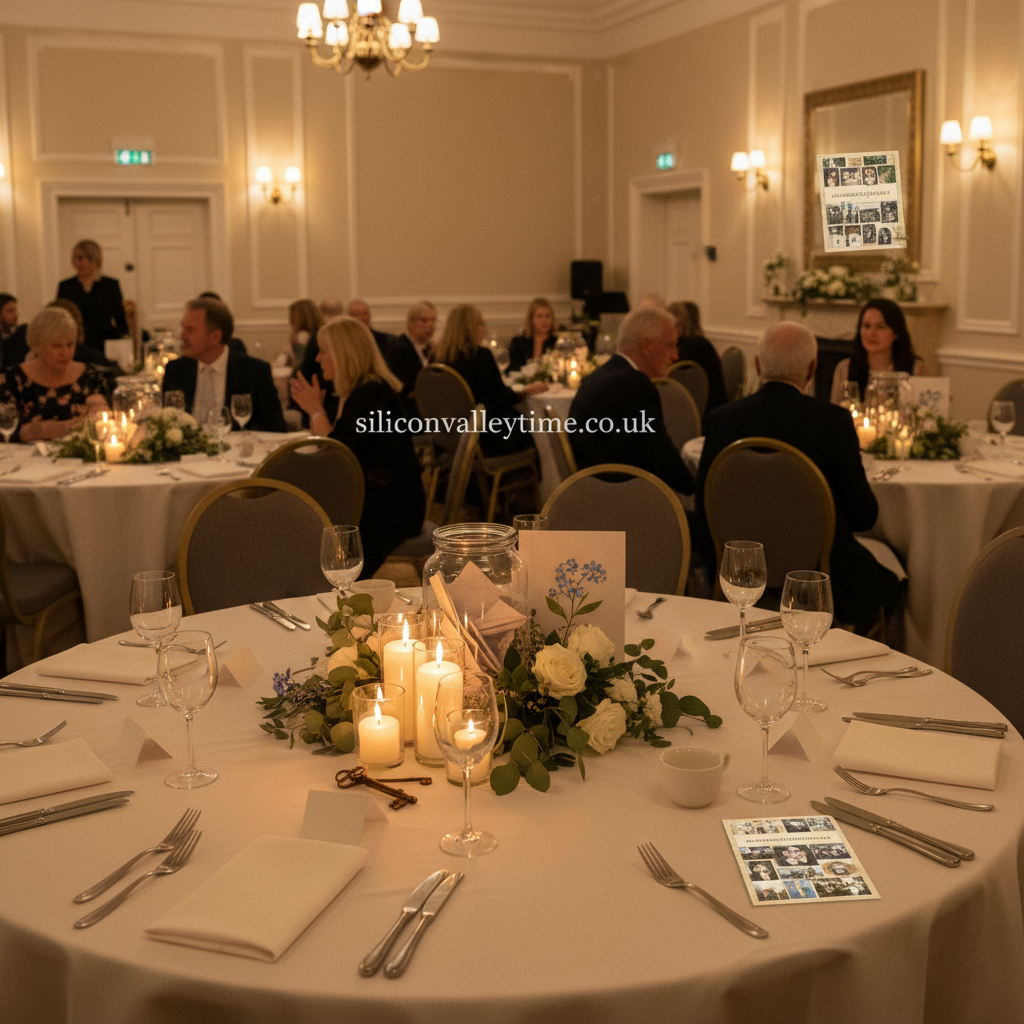
Navigating the social expectations of a celebration of life sometimes feels confusing because the rules are intentionally less strict than traditional funerals. As a host, your primary job is to communicate your expectations clearly on the invitation. If you want guests to wear bright colors or Hawaiian shirts, state that plainly. Let them know if food will be provided, if they should bring a dish to share, and if the environment will be kid-friendly. Clear communication eliminates guest anxiety and ensures everyone arrives in the right mindset.
For guests attending the event, the best approach is to read the invitation carefully and follow the family’s lead. If the family requests casual attire, do not show up in a formal black suit, as this might disrupt the joyful atmosphere they are trying to create. When speaking to the hosts, keep your condolences warm but brief, and try to quickly pivot to sharing a positive memory or a lighthearted story. Avoid asking intrusive questions about the nature of the passing. Instead, focus entirely on celebrating the person’s legacy. Bringing a small sympathy card or contributing to a requested charity is always appropriate and highly appreciated by grieving families.
Frequently Asked Questions (FAQ) About Planning
When you step outside the boundaries of traditional funeral planning, it is completely normal to have several questions. Many families wonder how to handle the logistics and social nuances of these modern events. Here are some of the most frequently asked questions to help guide you through the process.
Do we still need a funeral director for this type of event?
You are not required to hire a funeral director to host a celebration of life, especially if you are managing the event weeks or months after the passing. However, some funeral homes now offer event planning services specifically for these types of gatherings, which can be helpful if you want professional assistance.
Is it okay to serve alcohol?
Yes, serving alcohol is entirely acceptable if it aligns with the personality of the person you are honoring and the venue permits it. Many families choose to feature the deceased’s favorite beer, wine, or a custom signature cocktail for a special toast.
What happens to the ashes?
If the person was cremated, the family can choose to display the urn at the event, scatter the ashes as part of the ceremony, or simply keep the ashes securely at home. There is no strict rule; it is completely up to your comfort level.
Moving Forward After a Celebration of Life
Bringing family and friends together for a celebration of life marks a significant milestone in the grieving process. It is a day dedicated to laughter, shared tears, and profound gratitude for a journey well-lived. Once the event concludes, you might experience a complex mix of relief and lingering sadness. This is entirely normal. The goal of the gathering was never to magically erase the grief, but rather to surround yourself with love and to ensure your loved one’s story was told with accuracy, warmth, and joy.
As you move forward, hold onto the positive stories and new connections made during the gathering. You can keep the memory jar notes on your nightstand or look through the event’s photo album whenever you need a reminder of the community that supports you. Honoring someone’s legacy is an ongoing practice, and the beautiful event you planned serves as a powerful foundation for that continued remembrance. To learn more about how human beings process loss and honor those who have passed throughout history, you can explore comprehensive resources on funeral practices around the world at Wikipedia.org, which offers valuable context on global memorial traditions.