




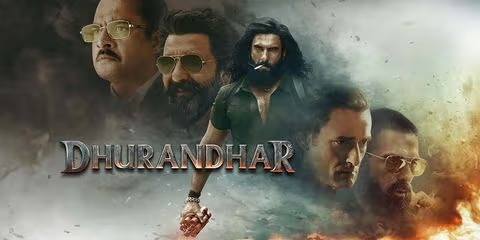

Language is full of unique words that carry deep historical and cultural weight. Have you ever heard a term that sounds powerful just by the way it rolls off the tongue? The word dhurandhar fits perfectly into this category. It is a term that commands respect, implies mastery, and carries centuries of meaning within its syllables.
This guide will break down everything you need to know about the word dhurandhar. We will explore its ancient roots, how people use it today, and the famous personalities who share this title. Whether you are learning a new language, studying Indian culture, or simply curious about interesting words, you will find valuable insights here.
Read More: Unlocking the Power of leonardo 13: A Complete Guide
Key Takeaways
|
Feature |
Description |
|---|---|
|
Origin |
Derived from ancient Sanskrit texts. |
|
Meaning |
Translates to expert, stalwart, or a master of a specific craft. |
|
Usage |
Used as both an adjective to praise someone and as a prominent surname. |
|
Culture |
Represents leadership and the ability to carry heavy responsibilities. |
1. The Linguistic Roots of Dhurandhar
Sanskrit Origins
To understand the true meaning of dhurandhar, we must look back at its ancient roots. The term originates from Sanskrit, which is one of the oldest languages in human history. In Sanskrit, the word is a combination of two distinct parts. “Dhur” translates to the yoke of a cart or a heavy burden. “Dhara” means the one who holds or carries it. When you put them together, dhurandhar literally means the person who carries the yoke.
Over time, this literal meaning transformed into a powerful metaphor. People stopped using it just for physical burdens. Instead, they used it to describe someone who could carry the heavy weight of leadership, responsibility, and knowledge. A dhurandhar became someone you could rely on when things got difficult. They were the experts, the stalwarts, and the pillars of their communities. This Sanskrit foundation helped the word survive for thousands of years, adapting slowly as languages shifted and evolved across the Indian subcontinent.
Evolution into Modern Languages
As Sanskrit slowly gave way to modern languages, the word dhurandhar did not disappear. It found a comfortable home in modern Indo-Aryan languages, particularly Hindi and Marathi. In these languages, the word retained its core meaning of excellence and capability.
When a Hindi speaker calls someone a dhurandhar, they are offering a high compliment. They are saying this person is an absolute master of their field. For instance, a brilliant chess player or a master musician might receive this title. In Marathi, the usage is remarkably similar. It denotes a veteran or an expert who has spent years perfecting their craft. The evolution of the word shows how ancient concepts of leadership and strength remain relevant. Even though we no longer use wooden yokes to pull carts, we still need capable leaders to carry the heavy burdens of modern society.
2. Cultural Significance of the Term
Symbolism of Leadership
In South Asian culture, leadership is often associated with sacrifice and endurance. The term dhurandhar captures this cultural nuance perfectly. A true leader is not just someone who gives orders from a comfortable chair. A leader is someone who gets into the mud and pulls the heaviest weight alongside their team.
When a community identifies a dhurandhar, they are placing their trust in that person. This title is not given lightly. You must earn it through years of consistent effort, unmatched skill, and a willingness to help others. In traditional village settings, the local dhurandhar might be the wise elder who settles disputes. In a musical family, it might be the master teacher who preserves ancient melodies. The cultural weight of the word highlights how much society values resilience and expertise. It reminds us that true greatness comes from taking responsibility for others and guiding them toward success.
Carrying the Yoke
The metaphor of carrying a yoke is a recurring theme in many Eastern philosophies. The yoke represents duty, or “dharma.” Every person has a duty to their family, their community, and their craft. The dhurandhar accepts this duty willingly and performs it with exceptional skill.
This concept appears in various cultural stories and folktales. You will often hear stories of a young student who trains for decades under a harsh master. Eventually, the student masters the art and becomes a dhurandhar in their own right. They then take on the yoke of teaching the next generation. This beautiful cycle of learning, mastering, and teaching ensures that valuable knowledge survives. The cultural significance of carrying the yoke teaches us that expertise is not just for personal gain. It is a tool for uplifting the entire community and keeping important traditions alive.
3. Dhurandhar as an Indian Surname

Geographic Distribution
While many use the word as an adjective, dhurandhar is also a recognized and respected surname. The surname is primarily concentrated in the western regions of India. If you look at demographic data, you will find the highest concentration of families with this name in the state of Maharashtra.
The presence of the surname in this region is deeply tied to the local history. Historically, families often adopted surnames based on their professions, their status, or titles given to them by local rulers. A family named dhurandhar likely had an ancestor who was recognized as an exceptional leader or a master of a specific trade. Over the generations, this title became a permanent family name. Today, people with this surname can be found all over the world, taking the rich history of their name with them.
Maharashtra Roots
Diving deeper into the Maharashtra connection, we see that the dhurandhar surname is closely linked to specific communities in Mumbai and surrounding areas. The Pathare Prabhu community, for example, features many prominent families with this last name. This community has a long history of contributing to the arts, education, and social reform in western India.
Growing up with this surname in Maharashtra carries a sense of quiet pride. Families often pass down stories of ancestors who lived up to the name’s meaning. They encourage their children to excel in their studies and careers, subtly reminding them of the legacy attached to their identity. The surname acts as a constant link to the past, grounding modern individuals in the traditions of excellence established by their forebears centuries ago.
4. Famous Personalities Named Dhurandhar
M.V. Dhurandhar (The Painter)
When discussing famous people with this name, we must highlight Mahadev Vishwanath Dhurandhar. Born in 1867, M.V. Dhurandhar was a legendary Indian painter and postcard artist. He truly lived up to the meaning of his name, becoming a stalwart in the Indian art world during the British colonial era.
He was a prominent figure at the Sir J.J. School of Art in Mumbai, eventually becoming its first Indian director. His artwork beautifully captured the daily life, mythology, and vibrant culture of India. He created thousands of paintings, illustrations, and sketches throughout his long career. Even today, art historians study his work to understand the social dynamics of early 20th-century India. M.V. Dhurandhar showed exactly what it means to carry the yoke of artistic excellence.
Artistic Contributions
The specific contributions of M.V. Dhurandhar go far beyond just painting pretty pictures. He bridged the gap between traditional Indian art styles and Western academic painting techniques. He mastered the use of oil paints and watercolors, bringing Indian mythological figures to life with stunning realism.
- Mythological Paintings: He illustrated epic tales from the Ramayana and Mahabharata.
- Postcard Art: He designed incredibly popular postcards depicting women from different Indian communities.
- Book Illustrations: He provided artwork for numerous books, making literature visually engaging.
His ability to excel across all these different mediums cemented his legacy as a true artistic dhurandhar. He paved the way for future generations of Indian artists to embrace their cultural heritage while utilizing modern techniques.
5. How to Use Dhurandhar in Conversations
Everyday Examples
If you are learning Hindi or Marathi, knowing how to drop the word dhurandhar into a conversation can impress native speakers. It is a highly expressive word that adds flavor and respect to your sentences. You use it when you want to emphasize that someone is not just good at something, but they are an absolute master.
Here are a few ways you might hear or use the word in everyday situations:
- Sports: “Did you see that cricket match? He is a real dhurandhar on the field.”
- Cooking: “My grandmother is a dhurandhar when it comes to making traditional sweets.”
- Business: “We need to hire a marketing dhurandhar to save this campaign.”
Using the word shows that you appreciate high-level skill and dedication. It is a friendly, enthusiastic term that brings a smile to people’s faces when used correctly. Just remember to reserve it for genuine experts, otherwise, the compliment loses its powerful impact.
6. The Role of a Dhurandhar in Society
Guiding the Community
Every healthy society needs people who can act as pillars of support. This is the core function of a dhurandhar in any community. They are the individuals who possess the rare combination of deep knowledge and the willingness to share it. When a crisis hits, or a difficult problem arises, these are the people everyone turns to for guidance.
In a professional setting, a dhurandhar might be the senior engineer who mentors junior staff and solves the most complex technical issues. In a neighborhood, it might be the community organizer who brings people together to fix local problems. They lead by example, showing others how to navigate challenges through hard work and steady dedication. Society relies heavily on these stalwarts. Without them, vital skills would be lost, and communities would struggle to progress or maintain their cultural stability.
7. Myths and Legends Surrounding the Word
Ancient Texts
The concept of the ultimate stalwart appears frequently in ancient Indian mythology. The word dhurandhar is often used in classic literature to describe legendary heroes and divine figures. These stories use the word to highlight the massive responsibilities these characters bore to protect the universe.
For example, in various texts, deities are described as the ultimate carriers of the cosmic yoke. They hold the universe together through their power and righteousness. Legendary kings in epic poems are also praised as dhurandhar for their ability to protect their subjects from harm and uphold justice. These ancient myths cemented the word’s association with superhuman endurance and flawless leadership. Reading these old texts gives us a fascinating glimpse into how our ancestors viewed duty, strength, and the burden of power.
8. Similar Words and Synonyms
Comparing Hindi and Marathi Terms
Language is rich with synonyms, and dhurandhar has quite a few equivalents depending on the exact context. Understanding these similar words can help you grasp the subtle nuances of South Asian languages. While dhurandhar specifically highlights the carrying of a heavy burden or unmatched expertise, other words offer slightly different flavors.
- Maharathi: This translates to a great warrior. It is often used for someone who dominates their field, much like a champion.
- Diggaj: This word refers to a giant or a highly respected veteran in a specific industry.
- Ustad: A term borrowed from Persian, meaning master or highly skilled teacher, especially in music or arts.
While you can often interchange these words, calling someone a dhurandhar specifically acknowledges their hard work and the heavy responsibilities they manage successfully. It is a uniquely grounded compliment.
9. Dhurandhar in Pop Culture and Media
Literature and Film
The dramatic weight of the word makes it perfect for storytelling, which is why it pops up in Indian pop culture quite a bit. Writers and filmmakers love using the term to build up a character’s reputation before they even appear on screen.
In Bollywood movies, a veteran lawyer, a master thief, or an unbeatable wrestler will often be referred to as a dhurandhar. The word instantly sets the audience’s expectations. It tells them that this character is highly competent and should be taken seriously. Similarly, in modern Indian literature and journalism, sports writers frequently use the term to describe star athletes who carry their team to victory. The continued use of this classic word in modern media proves that we still deeply respect the concept of ultimate mastery and leadership.
10. The Psychological Weight of Being a Dhurandhar
Leadership and Stress
Being recognized as a master is a great honor, but it also comes with significant psychological weight. When everyone calls you a dhurandhar, they expect perfection. They expect you to carry the yoke without ever stumbling or showing weakness. This pressure can be incredibly stressful for the individuals holding the title.
Psychologists often talk about the burden of leadership. The people at the top usually have no one to turn to when they need help themselves. A modern dhurandhar must learn how to balance their high-level performance with self-care. They have to set boundaries and remember that even the strongest individuals need rest. Acknowledging the stress that comes with exceptional capability helps us appreciate our leaders and mentors even more. It reminds us that behind every stalwart is a human being carrying a heavy load.
11. Celebrating the Spirit of Dhurandhar
Festivals and Honors
Many cultural traditions in India indirectly celebrate the spirit of the stalwart. While there might not be a specific holiday named after the word, the concept is honored during various festivals that recognize teachers, masters, and leaders.
For instance, during Guru Purnima, students pay immense respect to their spiritual and academic teachers. They celebrate the dhurandhar who has guided them through the darkness of ignorance. Similarly, the Indian government honors modern-day stalwarts with prestigious civilian awards like the Padma Shri or Padma Vibhushan. These awards recognize individuals who have shown exceptional service and mastery in their respective fields. By celebrating these experts, society encourages the next generation to take up the yoke and strive for excellence in their own lives.
12. Conclusion
The word dhurandhar is much more than just a simple adjective or a regional surname. It is a profound concept that captures the essence of leadership, mastery, and endurance. From its ancient origins in Sanskrit to its everyday use in modern Hindi and Marathi, the term reminds us of the value of hard work and responsibility.
We can all strive to embrace this spirit in our daily lives. Whether you are aiming to be a master in your career, a strong pillar for your family, or an expert in a new hobby, you can adopt the mindset of a stalwart. Start by dedicating yourself to your craft, helping those around you, and willingly carrying your share of the load.
13. Frequently Asked Questions (FAQ)
What language does the word dhurandhar come from?
It originates from ancient Sanskrit, combining the words for “yoke/burden” and “carrier.” Today, it is commonly used in Hindi and Marathi.
Is dhurandhar a first name or a last name?
While it is primarily used as an adjective to describe an expert, it is also a well-known surname, particularly in the western Indian state of Maharashtra.
Who was M.V. Dhurandhar?
He was a famous Indian painter and artist who lived during the late 19th and early 20th centuries. He is celebrated for his incredible mythological paintings and historical illustrations.
How do I use this word in a sentence?
You can use it to praise someone’s high-level skills. For example, “When it comes to fixing classic cars, my uncle is an absolute dhurandhar.”
To learn more about the historical impact of people who carried this prestigious name, you can explore detailed historical archives or visit online encyclopedias like Wikipedia to read up on prominent Indian artists and leaders who embodied the spirit of a true dhurandhar.