





Key Takeaways
- Authentic shiny brite decorations hold a significant place in American holiday history, especially during the World War II era.
- Identifying genuine vintage pieces involves checking the metal caps, glass shapes, and specific paint patterns.
- Proper storage and gentle cleaning are essential to preserve the delicate glass and paint of these ornaments.
- Modern reproductions offer the classic look of shiny brite decorations for those who want to decorate without risking valuable antiques.
- Collectors value specific designs, such as unsilvered wartime ornaments and intricate reflector shapes.
What Are shiny brite decorations?
When families unpack their holiday storage boxes, many are thrilled to find classic, colorful glass ornaments that bring back memories of past celebrations. These beautiful items are famously known as shiny brite decorations. They are arguably the most popular and recognizable vintage holiday ornaments in the United States. Originally produced in the mid-twentieth century, these ornaments feature distinct shapes, bright colors, and often intricate stenciled designs. They revolutionized the way Americans decorated their homes for the winter holidays. Before their invention, most glass ornaments were imported from Europe, specifically from Germany. However, a shift in global events necessitated a change in production, leading to an entirely new industry based right in the United States. The incredible charm of shiny brite decorations lies in their nostalgic appeal, reminding people of a simpler time when families gathered around heavily decorated trees. Today, both vintage originals and modern reproductions are highly sought after by collectors and holiday enthusiasts alike. They represent not just festive cheer, but a fascinating piece of American industrial and cultural history that continues to shine brightly in living rooms across the country.
The Fascinating History of shiny brite decorations
The story behind shiny brite decorations is a captivating tale of innovation, business acumen, and adaptation during challenging global times. The brand was created by a visionary named Max Eckardt, who foresaw the need for domestically produced holiday items. For decades, Eckardt had been importing delicate glass ornaments from Germany, which was the global center for such festive creations. However, as political tensions rose in Europe during the late 1930s, Eckardt realized that relying on European imports would soon become impossible. He proactively sought a solution to manufacture these delicate items in America. This proactive approach led to one of the most successful holiday brands in history. The history of these ornaments is deeply intertwined with the American spirit of ingenuity and resilience. By shifting production to the United States, Eckardt not only saved his business but also established a new holiday tradition that resonated deeply with the American public. The resulting shiny brite decorations became a staple in almost every household, symbolizing hope, celebration, and the endurance of family traditions during both peaceful and turbulent times.
Max Eckardt and the Corning Glass Works Partnership
To bring his vision to life, Max Eckardt needed a partner capable of mass-producing glass spheres with precision and efficiency. He approached the Corning Glass Works in New York, a company already famous for producing lightbulbs. Eckardt recognized that the machinery used to blow glass lightbulbs could be adapted to create spherical ornaments. Corning agreed to the partnership, and together they modified the ribbon machine, which previously churned out thousands of lightbulbs a minute, to produce clear glass ornament blanks. This collaboration was groundbreaking. It allowed for the mass production of ornaments at a scale and speed never before seen, drastically reducing the cost and making them accessible to the average American family. The clear glass spheres were then shipped to Eckardt’s facilities in New Jersey, where they were silvered inside to make them reflective, painted with vibrant colors, and fitted with the brand’s signature metal caps. This ingenious partnership essentially birthed the modern American ornament industry. The success of this joint venture proved that American manufacturing could match and even exceed the output of traditional European artisans, securing the legacy of shiny brite decorations for decades to come.
World War II and the Shift to American Manufacturing
The outbreak of World War II severely disrupted global trade and caused widespread material shortages, which profoundly impacted the production of shiny brite decorations. As the war effort consumed massive amounts of metal and resources, Eckardt and his team had to adapt creatively. Before the war, ornaments were silvered on the inside to give them their trademark gleam, and they featured metal caps and hooks. During the war, silver and base metals were strictly rationed for military use. To keep the festive spirit alive, the company began producing unsilvered ornaments. These wartime pieces were made of clear or pastel-colored glass and were often decorated with simple, painted stripes. Because metal caps were unavailable, the company used cardboard caps and a piece of string or yarn for hanging. Today, these unsilvered wartime shiny brite decorations are highly prized by collectors for their historical significance and unique, muted beauty. They serve as a poignant reminder of the sacrifices made on the home front and the determination to maintain holiday cheer despite immense global challenges. Once the war ended, the classic silvered interiors and metal caps returned, but the wartime adaptations remain a fascinating chapter in the brand’s storied history.
Identifying Authentic Vintage shiny brite decorations
For collectors and enthusiasts, knowing how to identify authentic vintage shiny brite decorations is a crucial skill. Because the brand was so immensely popular, many other companies produced similar-looking glass ornaments, making identification somewhat tricky. The first and most reliable step is to examine the metal cap at the top of the ornament. Authentic pieces usually have a stamped cap. From the late 1930s until the early 1940s, caps were often marked with “Made in U.S.A.” Following the war, the company began stamping the actual brand name onto the scalloped metal caps. If you see “Shiny Brite Made in U.S.A.” pressed into the metal, you almost certainly have a genuine piece. However, it is important to remember that caps can sometimes be swapped between ornaments over the decades. Therefore, you must also look at the shape, color, and paint style of the glass itself. The paint on vintage pieces often shows signs of aging, such as slight fading, crazing, or minor flaking, which adds to their antique charm. Familiarizing yourself with the specific color palettes and stencil designs used by the company during different eras will greatly improve your ability to spot true vintage treasures in antique shops or flea markets.
Inspecting the Metal Caps and Hangers
The metal cap is the undisputed fingerprint of vintage shiny brite decorations. When you pick up an ornament, gently examine the top hardware. Early caps were relatively simple, but as the brand grew, they introduced a distinctive scalloped edge that helped the cap grip the fragile glass neck more securely. The text stamped into this metal is your best guide. You will commonly find “Shiny Brite” and “Made in U.S.A.” clearly indented into the surface. It is essential to handle this area with extreme care, as the glass neck underneath is the most fragile part of the ornament and can easily shatter if the cap is twisted roughly. Additionally, take note of the metal loop or hanger. Original hangers are often simple wire loops that have developed a natural patina or slight rust over the years. If an ornament has a pristine, brightly shining new metal cap but looks old otherwise, a previous owner might have replaced a damaged original cap. Learning to read these small metallic clues is an exciting part of the collection process, allowing you to date the ornament and verify its authenticity with confidence.
Examining the Glass Shapes and Colors
Beyond the metal caps, the physical form and coloration of the glass offer vital clues to authenticity. Vintage shiny brite decorations were manufactured in a specific range of shapes. While the classic round sphere is the most common, you will also find bells, teardrops, lanterns, pinecones, and the highly desirable reflector shapes, which have a concave indentation that reflects light beautifully. The color palette of these vintage items is also distinctive. Early pieces often featured deep, rich tones like ruby red, emerald green, royal blue, and bright gold. The stenciled designs frequently included simple geometric patterns, horizontal stripes, or holiday motifs like snowy landscapes and greeting words. You can often identify a vintage piece by the unique texture of the paint. The original manufacturing process sometimes left small imperfections, and the decades of use typically result in a charming, slightly distressed look. The silvering inside the glass may also show signs of oxidation, appearing slightly dark or mottled near the bottom. These physical characteristics are not flaws; rather, they are the beautiful markers of age that verify you are holding a true piece of mid-century history.
Popular Types of shiny brite decorations
The incredible variety of designs is a major reason why shiny brite decorations remain so beloved. The company did not just produce plain glass balls; they created an expansive catalog of shapes, sizes, and decorative patterns to appeal to every taste. Some of the most iconic types include the heavily stenciled ornaments, which feature intricate white paint applied over brightly colored backgrounds. Another incredibly popular category is the reflector ornament, also known as a diorama or indented ornament. These feature a deep, bowl-like depression on one or more sides, designed to catch and amplify the glow of holiday lights. Additionally, the company produced novelty shapes like bells that actually rang, striped lanterns, and textured pinecones. During the 1950s, as atomic-age design trends took over America, the ornaments began featuring more abstract, geometric, and sputnik-inspired shapes. This vast diversity means that collectors can focus their efforts on specific sub-categories, building collections that feature only pastel colors, only unsilvered wartime pieces, or exclusively reflector designs. Understanding the different types helps buyers appreciate the artistic evolution of the brand over the decades.
Stenciled and Painted Designs
Stenciled and painted designs represent some of the most visually striking examples of shiny brite decorations. To create these patterns, factory workers and machines applied white or contrasting colored paint over the brightly silvered glass spheres. Common stenciled motifs included winter scenes, reindeer, sleighs, stars, and classic holiday greetings like “Merry Christmas” or “Silent Night.” The application of these stencils was often done with a dusting of mica or a type of flocking to give the design a textured, snowy appearance. Horizontal striping was another dominant style, created by spinning the ornament while holding a brush against the glass, resulting in perfectly even, multi-colored bands. Because these painted elements are on the exterior of the glass, they are particularly susceptible to scratching and wear over the years. Finding a heavily stenciled vintage piece with minimal paint loss is a tremendous thrill for collectors. The charm of these painted designs lies in their vintage aesthetic; they perfectly capture the mid-century illustration style, bringing a wave of nostalgia and a pop of retro art to any holiday display.
Indented and Reflector Ornaments
Indented and reflector ornaments are widely considered the crown jewels of any collection of shiny brite decorations. These specialized shapes were designed with a very specific purpose: to maximize the magical glow of incandescent holiday tree lights. During the manufacturing process, while the blown glass was still hot and pliable, a tool was pressed into the side of the sphere to create a concave bowl. This indentation was often multi-faceted or ribbed. Because the inside of the glass was coated in silver, this concave section acted like a tiny, complex mirror. When nestled near a glowing light bulb on a tree branch, the reflector ornament would catch the light and bounce it around the room, creating a dazzling, sparkling effect. The company produced single reflectors, double reflectors (with indentations on two sides), and even complex multi-sided reflectors. The outer edges of these indentations were frequently painted with contrasting colors or dusted with glitter to draw the eye. Due to their intricate manufacturing process and their stunning visual impact, these reflector pieces are heavily sought after and often command higher prices in the vintage market.
How to Care for Your shiny brite decorations
Owning a collection of these fragile historical items comes with the responsibility of proper preservation. Caring for shiny brite decorations requires patience, a gentle touch, and an understanding of the materials involved. The glass used in these ornaments is incredibly thin—often much thinner than modern ornaments—making them susceptible to crushing or shattering from even minor impacts. Furthermore, the exterior paint, mica flocking, and interior silvering are all sensitive to environmental factors like humidity, extreme temperature changes, and direct sunlight. To ensure these beautiful pieces last for future generations to enjoy, you must implement strict guidelines for handling, cleaning, and storing them. Never grab an ornament by its metal cap, as the fragile glass neck can snap under the pressure. Instead, always support the ornament from the bottom using the palm of your hand. When hanging them on a tree or display stand, ensure they are securely fastened and placed in areas where they will not be easily brushed against or knocked down by pets or children. With the right care regimen, these delicate treasures will maintain their brilliant colors and reflective charm for decades.
Cleaning Delicate Glass Surfaces
Cleaning vintage glass ornaments is a task that must be approached with extreme caution. The absolute golden rule when cleaning shiny brite decorations is to avoid water and harsh liquid chemical cleaners entirely. Water can easily seep under the metal cap, ruining the interior silvering by causing it to flake or oxidize rapidly. Furthermore, liquid cleaners can instantly dissolve or wipe away the exterior painted designs, mica, and flocking. To remove decades of dust, use a very soft, dry tool. A clean, premium makeup brush, a soft artist’s paintbrush, or a microfiber cloth is ideal for this delicate job. Lightly brush the surface of the glass, letting the bristles lift the dust without applying any downward pressure. If you encounter stubborn dirt or a sticky spot, you can barely dampen a cotton swab with distilled water and gently dab the specific spot, drying it immediately with a soft cloth. Never submerge the ornament, and avoid rubbing the stenciled areas. Taking your time and using the gentlest possible dry-cleaning methods will preserve the delicate patina and original artwork that make these pieces so valuable and beautiful.
Proper Storage Techniques for Longevity
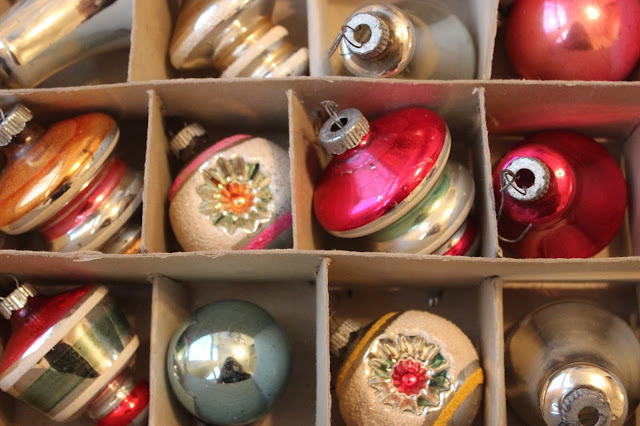
The way you store your ornaments for the eleven months of the year they are not on display is critical to their survival. Proper storage techniques for shiny brite decorations focus on climate control, shock absorption, and preventing chemical damage. First, avoid storing these fragile items in spaces with extreme temperature and humidity fluctuations, such as unfinished attics, damp basements, or outdoor sheds. Extreme heat can cause the paint to crack, while high humidity will accelerate the deterioration of the interior silvering and metal caps. Instead, store them in a climate-controlled closet inside your main living space. When packing them away, never let the glass ornaments touch one another. Use sturdy storage boxes with individual compartments. Archival-quality, acid-free tissue paper is the best material for wrapping each ornament. Gently wrap the glass, ensuring the tissue provides a soft cushion. Avoid using modern bubble wrap directly against the painted glass for long-term storage, as the plastic can sometimes off-gas chemicals or trap moisture that degrades the vintage paint. By investing in proper archival storage boxes and keeping them in a stable environment, you protect your collection from the ravages of time.
Creating a Stunning Display with shiny brite decorations
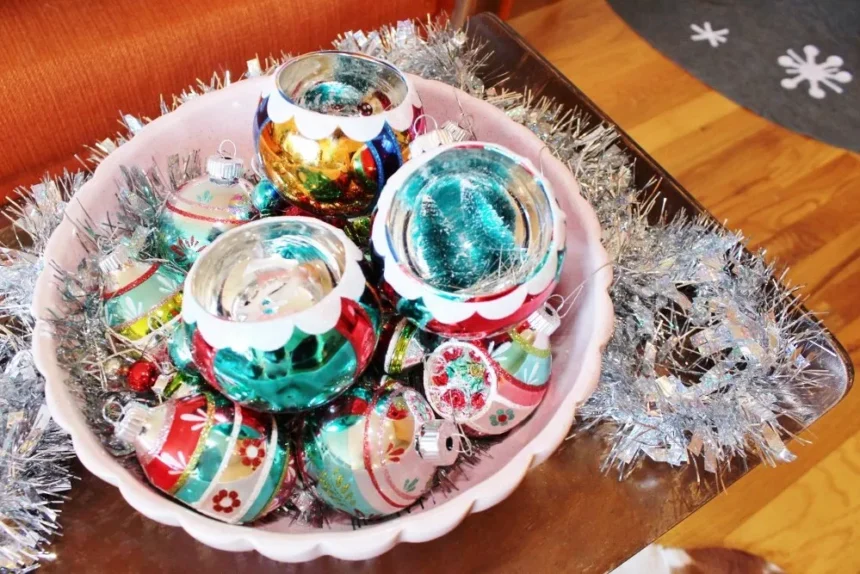
Once you have gathered a collection of these beautiful items, the next step is showcasing them to their best advantage. Creating a stunning display with shiny brite decorations is an art form that allows you to express your personal holiday style while highlighting the unique characteristics of the glass. The most traditional method is, of course, hanging them on an evergreen tree. To maximize their visual impact, group ornaments by color family to create a striking monochromatic look, or embrace a fully retro aesthetic by mixing bold, contrasting colors and various shapes across the entire tree. Ensure that the delicate reflector ornaments are placed directly adjacent to the tree’s light bulbs to activate their sparkling mirror effect. Beyond the traditional tree, these ornaments look spectacular when displayed in clear glass bowls or apothecary jars, where their varied colors and shapes can be admired closely. You can also string them securely along a fireplace mantel garland or use them as a glittering centerpiece on a holiday dining table. The key to a great display is ensuring the pieces are secure from accidental bumps while placing them in areas where ambient lighting can catch their reflective surfaces, bringing their historic charm to life.
The Resurgence of shiny brite decorations Today
Nostalgia is a powerful force in home decor, and this is clearly evident in the massive resurgence of shiny brite decorations today. As younger generations seek to recreate the warm, comforting holiday environments of their grandparents’ homes, the demand for vintage mid-century holiday decor has skyrocketed. People are drawn to the authentic, analog feel of these glass ornaments, which stand in stark contrast to the mass-produced plastic decorations common in modern big-box stores. This renewed interest has created a vibrant online community of collectors who share photos, trading tips, and historical information on social media platforms and dedicated forums. Recognizing this massive wave of nostalgia, companies have acquired the rights to the brand name and have begun manufacturing high-quality reproductions. These modern versions replicate the classic shapes, stenciled designs, and packaging of the originals, allowing new fans to enjoy the aesthetic without the high cost and fragility associated with antique hunting. Whether collecting genuine vintage artifacts or decorating with faithful modern reproductions, the public’s love affair with these iconic, brightly colored glass spheres is stronger than ever.
Where to Buy Authentic shiny brite decorations
Finding authentic pieces for your collection requires a mix of diligence, knowledge, and knowing exactly where to look. While you will not find genuine vintage shiny brite decorations on the shelves of modern retail stores, there are numerous avenues for treasure hunting. Local antique malls and vintage boutiques are excellent starting points. Vendors specializing in mid-century modern decor or holiday items usually curate nice selections, especially during the fall and winter months. Flea markets, estate sales, and neighborhood garage sales can also be goldmines; often, families sell boxes of old holiday decor without realizing their collector value, allowing you to find pieces at incredible bargain prices. For a wider selection, online marketplaces are invaluable. Platforms like eBay and Etsy have thousands of listings for these ornaments, ranging from single, rare items to entire original boxes. When buying online, always read the descriptions carefully, ask the seller for clear photos of the metal caps, and verify how they will package the fragile items for shipping. Joining collector groups on social media can also connect you directly with reputable sellers and fellow enthusiasts willing to trade or sell duplicates from their own private collections.
Understanding the Value of shiny brite decorations
The financial value of these ornaments can vary wildly based on several key factors, making it an exciting field for collectors. Understanding the value of shiny brite decorations involves evaluating age, rarity, condition, and original packaging. Standard, solid-colored round spheres from the 1950s are quite common and generally affordable, often selling for just a few dollars each. However, the value increases significantly for specialized shapes and rare eras. Unsilvered wartime ornaments with cardboard caps are highly collectible due to their historical context and limited production run. Elaborate reflector shapes, especially double or multi-sided reflectors with intact paint, also command premium prices. Condition is paramount; pieces with clear, unblemished paint, minimal oxidation, and original metal caps are worth much more than those with heavy paint loss or missing hardware. Furthermore, ornaments that retain their original cardboard packaging—especially boxes featuring the classic mid-century graphic designs of Uncle Sam or Santa Claus—add immense value to the set. A pristine, rare piece in its original box can easily sell for tens or even hundreds of dollars to the right collector, proving that these delicate glass items are not just beautiful decorations, but legitimate antique investments.
Here is a quick reference table highlighting the factors that influence the value of these items:
|
Factor |
Description |
Impact on Value |
|---|---|---|
|
Condition |
The state of the glass, paint, and silvering. |
High condition equals higher prices. Flaking paint reduces value. |
|
Era |
The time period of manufacture (e.g., WWII era). |
Wartime unsilvered pieces are rare and highly valued. |
|
Shape |
The physical form of the glass. |
Reflectors, bells, and complex shapes are worth more than standard rounds. |
|
Packaging |
The presence of the original cardboard box. |
Original, good-condition boxes significantly increase overall value. |
|
Caps |
The authenticity of the metal hanging cap. |
Original stamped caps verify authenticity and maintain value. |