




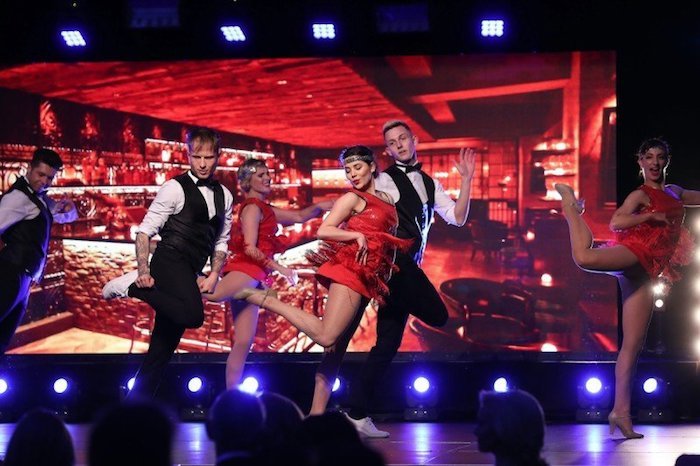

Double entertainment means giving people two shows for the price of one setup — either two football matches on the same ground, back to back, or a TV format that runs two experiences at once. The term pops up in two very different places, and both are worth knowing. Let’s break it down clearly.
Here’s the thing. Most people hear “double entertainment” and assume it’s just marketing fluff. It’s not. It’s a real, documented concept in sports and in reality TV.
Read more: Coco Gauff: The Rise of America’s Tennis Superstar
What Double Entertainment Actually Means
At its core, double entertainment is about stacking value. You get two events, two games, or two storylines from one venue or one show.
To be honest, the phrase means slightly different things depending on where you find it. In football, it’s a scheduling trick. In Tamil television, it’s a whole show concept.
Both versions share one goal — keep the audience hooked for longer.
Double Entertainment in Football (Soccer)
In football, double entertainment means two clubs play their home games on the same ground, one after the other. Fans show up once and watch two matches. Simple.
This isn’t a made-up idea. It comes straight from the 2010–11 Hong Kong First Division League. The format was used to pull in bigger crowds and cut down on costs.
Think of it as a twin match day. One stadium, two home games, double the action.
Why Clubs Use the Shared Stadium Format
Money and crowds. That’s the honest answer.
Running a stadium for a single match is expensive. Staff, security, pitch prep — it all adds up. When two clubs share the same ground on the same day, they split those costs.
Fans win too. You pay for one trip and get a two-game event. That’s strong fan engagement without extra effort from anyone.
How the Two-Game Event Works
The setup is straightforward:
- Two clubs pick the same stadium for their home fixtures.
- The games are scheduled back to back on the same day.
- Fans watch both without leaving.
What’s interesting is that not every club loves it. In the 2010–11 Hong Kong season, Sun Hei SC and Fourway Athletics wanted double entertainment back. Others pushed against it.
South China, Kitchee, Pegasus, and Tai Chung were against the idea. Tuen Mun had a practical problem — their ground didn’t have enough changing rooms for four teams.
The Catch With This Cost-Saving Sports Format
Space is the limit. If a stadium can’t handle two full squads plus staff, the format falls apart.
That’s exactly what stopped it in Hong Kong. The published league calendar for that season listed no double entertainment fixtures at all — the logistics just didn’t line up.
So while it saves money, it needs the right venue. Check the facilities first, or the plan collapses before kickoff.
Double Entertainment in Reality TV
Now for the second meaning. In Tamil television, double entertainment became the entire theme of a hit reality show.
Bigg Boss Tamil Season 7 built its concept around it. The tagline was “Rendula Onnu Paakkalaam” — meaning the audience would get double entertainment.
Instead of two matches, you got two houses. Two sets of drama running at the same time.
Bigg Boss Tamil Season 7 and the Two Houses
The big twist was simple but clever. The season ran with two separate houses — the Big Boss house and the Small Boss house.
For the first time in Bigg Boss Tamil history, contestants were split across both. That doubled the storylines, the tension, and the entertainment.
That’s the reality TV concept version of double entertainment. One show, two live environments.
Key Facts About the Season
Here’s what you should know about the season, laid out plainly:
- Aired: 1 October 2023 to 14 January 2024
- Networks: Star Vijay and Disney+ Hotstar
- Host: Kamal Haasan (his seventh and final season as host)
- Winner: Archana Ravichandran
- Runner-up: Manichandra
- Total days: 105
- Housemates: 23
Archana Ravichandran made history too. She was the first wild card entrant to win the trophy in the TV franchise.
How the Two Houses Created Double Entertainment
The two houses weren’t just for show. They changed how the game worked.
The Small House had its own voice called “Chinna Boss.” Housemates there couldn’t hear the main Bigg Boss voice. That created a second, separate world inside the same show.
Contestants moved between houses week to week. Nominations, tasks, and evictions ran across both. You were basically watching two games at once — real double entertainment for viewers.
Why the Term Shows Up in Two Different Places
Same words, two industries. That confuses people, so let’s clear it up.
Football uses double entertainment as a practical fix — a shared stadium and back-to-back matches. Tamil TV uses it as a creative hook — two houses, twice the drama.
The link between them? Both promise more value from a single event. That’s the whole point.
Double Entertainment vs Regular Formats
The difference is volume. A normal match day gives you one game. A normal reality season gives you one house.
Double entertainment doubles that:
- Football: two home games on one shared stadium
- Reality TV: two houses inside one Bigg Boss season
You spend the same time and get more. That’s why the format sticks around.
Is Double Entertainment Worth It?
For fans, usually yes. You get more content without more cost or effort.
For organizers, it depends on logistics. In football, you need a stadium built for it. In TV, you need a production team that can manage two environments — Star Vijay pulled it off with Season 7.
Skip the format if the setup can’t support it. Force it, and the whole event gets messy.
Quick Recap of Both Meanings
Let’s keep this tight so you remember it:
- Football version: Two clubs, one shared stadium, two games back to back. A cost-saving sports format built for fan engagement.
- Reality TV version: Bigg Boss Tamil Season 7’s two houses, aired on Star Vijay and Disney+ Hotstar, hosted by Kamal Haasan.
Both mean “more for your time.” That’s the thread tying them together.
Common Questions About Double Entertainment
Does double entertainment always mean two events?
Pretty much. Whether it’s a twin match or two houses, the idea is two experiences in one.
Is it still used today?
The reality TV version clearly is — Season 7 ran into 2024. The football version depends on the league and the venue.
Where did the football term come from?
It’s documented from the Hong Kong First Division League, tied to shared stadium scheduling.
Final Thoughts
Double entertainment is a smart idea in both sport and television — you get two experiences from one setup, and that’s hard to argue with. In TV, it powered one of Bigg Boss Tamil’s most talked-about seasons. In football, it was a practical way to fill stands and cut costs.
If you want to see the football side documented in full, read about the shared-stadium double entertainment format used in the 2010–11 Hong Kong First Division League — it lays out exactly why some clubs backed it and why others walked away. Check it before you assume the term only means reality TV.