



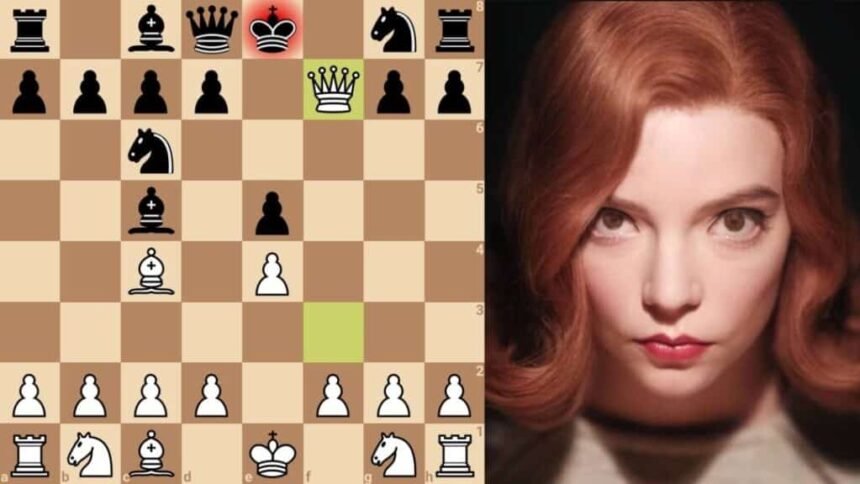

Best chess openings for beginners don’t have to be complicated. When you’re just starting out, you really don’t need to memorize twenty moves deep. You just need a few solid ideas that keep your pieces safe and get you into a good middlegame. That’s it.
Here’s the thing: most beginners lose games not because of some clever trap, but because they wander around in the opening with no plan. So let’s fix that.
Read more: Ceuta Spain Map: Everything You Need to Know About This Unique Spanish City
Why the Opening Matters So Much
The opening is the first phase of the game, usually the first ten or so moves. It sets the stage for everything after. Get it wrong, and you’re playing catch-up the whole game.
To be honest, a good opening won’t win you the game by itself. But a bad one can absolutely lose it. Your goal early on is simple: control the center, develop your pieces, and keep your king safe.
Core Opening Principles Every Beginner Should Know
Before we look at specific openings, let’s cover the basics. These principles matter more than memorizing move orders.
Control the Center
The four squares in the middle of the board (e4, d4, e5, d5) are gold. When you control the center, your pieces have more room to move and more influence over the board.
Push a central pawn early. Something like 1.e4 or 1.d4 is perfect.
Develop Your Pieces Quickly
Get your knights and bishops out early. Don’t move the same piece over and over in the opening. Every move should bring a new piece into the game.
Knights before bishops is a handy rule of thumb, though it’s not a strict law.
Castle Early and Keep Your King Safe
Castling tucks your king into the corner and connects your rooks. Try to castle within the first ten moves. A king stuck in the center is a king asking for trouble.
Don’t Bring Your Queen Out Too Early
Beginners love throwing the queen out for a quick attack. The problem? Your opponent chases it around with smaller pieces, and you waste moves running away. Be patient with your queen.
The Best Chess Openings for Beginners
Alright, now for the fun part. These are beginner-friendly openings that follow good principles and are easy to actually play. You don’t need to learn all of them. Pick one or two and get comfortable.
Italian Game (Giuoco Piano)
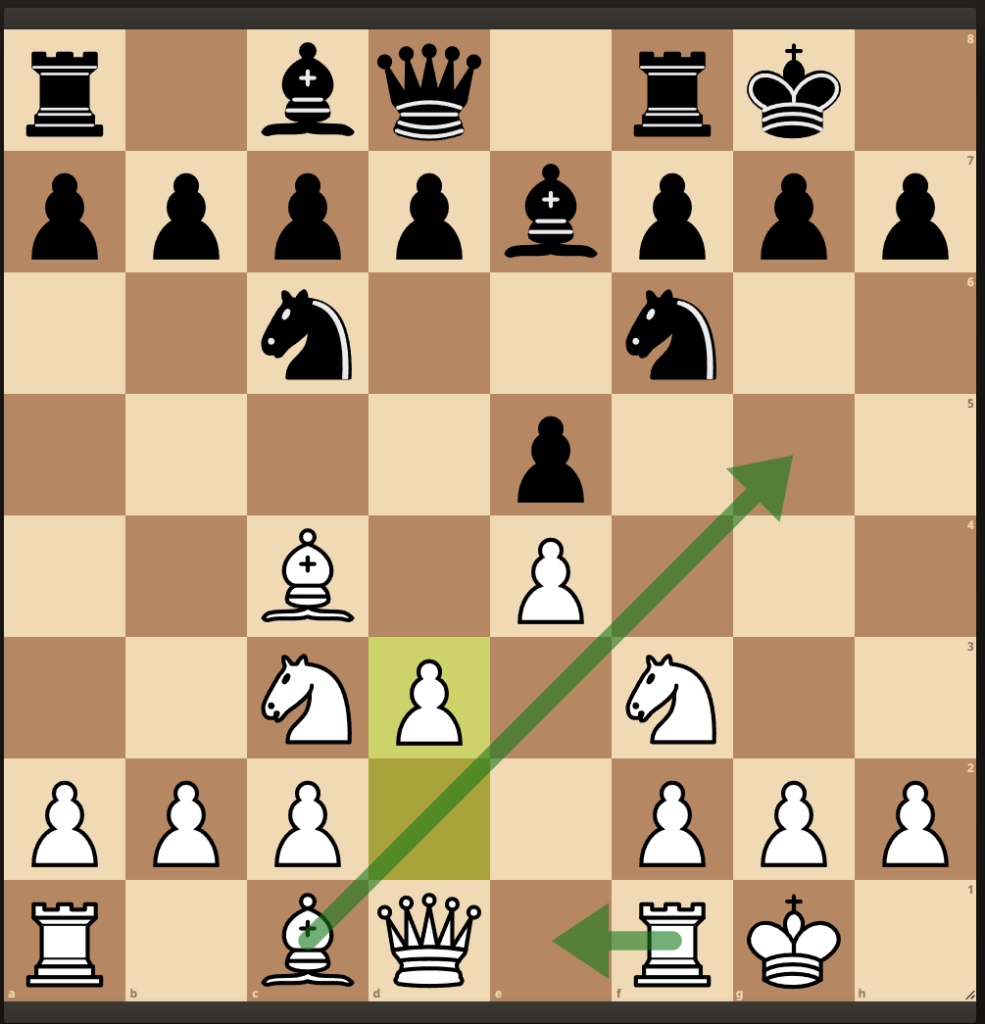
This is probably the best first opening for beginners. It goes 1.e4 e5 2.Nf3 Nc6 3.Bc4.
What’s interesting is that the name “Giuoco Piano” means “quiet game” in Italian. It develops your pieces naturally and aims your bishop right at your opponent’s weak f7 square.
It teaches you all the good habits: central control, fast development, and quick castling. If you learn just one opening from this list, make it this one.
London System
The London System is a favorite for players who don’t want to memorize a ton of theory. You play the same setup almost every time, no matter what Black does.
The main moves are 1.d4, 2.Bf4, then e3, Bd3, Nf3, and c3. You build a solid little structure and go from there.
Here’s why beginners love it: it’s low-stress. You get a safe, familiar position over and over, so you can focus on the middlegame instead of panicking in the first five moves.
Ruy Lopez (Spanish Opening)
The Ruy Lopez is one of the oldest and most respected openings in chess. It starts with 1.e4 e5 2.Nf3 Nc6 3.Bb5.
That bishop move puts pressure on the knight defending the e5 pawn. It’s a bit more advanced than the Italian, but it’s still very playable for beginners who want to grow.
To be honest, you don’t need deep theory to enjoy the Ruy Lopez. Just follow the principles: develop, castle, and target the center.
Best Openings for the Black Side
So far we’ve mostly looked at White. But you’ll be playing Black half the time, so let’s cover some solid defenses too.
Queen’s Gambit
The Queen’s Gambit is one of the most famous openings out there. It starts with 1.d4 d5 2.c4.
White offers a pawn to grab control of the center. As Black, you can accept it or decline it. Most beginners are better off declining with 2…e6, which keeps things solid.
It’s a great opening to learn because it shows you how pawn structure shapes the whole game.
King’s Indian Defense
The King’s Indian is a bit more aggressive. Black lets White build a big center, then attacks it later. The setup involves Nf6, g6, Bg7, and d6.
It’s a little tricky for total beginners, so I’d suggest trying it once you’ve got the basics down. But it’s a fun, fighting choice if you like sharp positions.
Sicilian Defense (The Basics)
The Sicilian is the most popular reply to 1.e4. Black answers with 1…c5, fighting for the center in an unbalanced way.
Now, the Sicilian has a LOT of theory. Full lines can get complicated fast. For beginners, I’d keep it simple and just focus on developing your pieces rather than memorizing sharp variations.
If you love a good fight and don’t mind messy positions, the Sicilian is worth a look later on.
French Defense Basics
The French Defense starts with 1.e4 e6. Black plans to push d5 and build a solid pawn chain.
The trade-off is that your light-squared bishop can get a bit stuck behind your pawns. Still, the French is rock-solid and hard to crack, which makes it a reliable pick for patient players.
How to Actually Learn an Opening
Don’t try to memorize moves like a robot. Instead, understand the ideas behind them. Ask yourself why each move is played.
Play lots of games with your chosen opening. You’ll learn way faster from real games than from staring at a book.
Review Your Games
After each game, look back at your opening. Where did things go wrong? Did you forget to castle? Did you leave a piece hanging? This is how you actually improve.
Common Opening Mistakes to Avoid
A few quick things to watch for:
- Moving too many pawns and not enough pieces
- Bringing the queen out early
- Forgetting to castle
- Copying your opponent’s moves without thinking
Avoid these, and you’re already ahead of most beginners.
Which Opening Should You Start With?
If you’re brand new, start with the Italian Game as White and the Queen’s Gambit Declined or French Defense as Black. These cover you on both sides and teach solid habits.
Keep your repertoire small at first. One opening for White, one or two for Black. That’s plenty.
Final Thoughts
The best chess openings for beginners are the ones that keep things simple and teach good habits. You don’t need fancy traps or deep theory. Control the center, develop your pieces, castle early, and you’ll be in good shape.
Pick an opening, play it a bunch, and learn from your games. Over time, you’ll build real understanding instead of just memorized moves. And if you want to dig deeper into that classic first choice we talked about, this Giuoco Piano breakdown is a great place to start learning the moves and history behind it.