





Foods in Spanish language are one of the best things to learn when you’re picking up the language. Why? Because food is everywhere. You order it at restaurants, you buy it at markets, and you talk about it with friends. Learning these words early makes daily life so much easier.
Here’s the thing: food vocabulary sticks in your head faster than almost anything else. You use it every single day, so it feels natural pretty quickly.
Let me walk you through the most useful food names in Spanish, plus a few tips to help you remember them.
Read more: Canva QR Code Generator: Everything You Need to Know to Get Started
Why Learning Food Words in Spanish Matters
To be honest, food is the heart of any culture. And Spanish-speaking countries take their meals seriously.
When you know common Spanish words for food, you can read menus, shop at local stores, and connect with people. It’s a small skill that pays off big.
What’s interesting is that many food words are similar across Spanish-speaking countries, though some do change from place to place.
The Basics: How to Say “Food” in Spanish
Before we go deeper, let’s cover the obvious one. The word for “food” in Spanish is comida.
You’ll also hear alimento, which means “nourishment” or “food” in a more general sense. But in everyday talk, people just say comida.
If someone asks “¿Tienes hambre?” they’re asking if you’re hungry. Good to know before a meal.
Fruits in Spanish (Las Frutas)
Fruits are a great place to start with Spanish food vocabulary. They’re colorful, common, and easy to picture.
Here are some you’ll use all the time:
- Manzana – apple
- Plátano or banana – banana
- Naranja – orange
- Fresa – strawberry
- Uva – grape
- Sandía – watermelon
- Piña – pineapple
- Mango – mango (easy one!)
Notice how mango is the same in both languages? Little wins like that make learning fun.
Vegetables in Spanish (Las Verduras)
Now let’s move to veggies. These pop up in recipes and grocery lists constantly.
- Zanahoria – carrot
- Tomate – tomato
- Cebolla – onion
- Papa or patata – potato
- Lechuga – lettuce
- Ajo – garlic
- Pimiento – pepper
Quick tip: in Latin America people usually say papa for potato, while in Spain they say patata. Small difference, but worth knowing.
Meats in Spanish (Las Carnes)
If you eat meat, these food names in Spanish will come in handy at restaurants.
- Pollo – chicken
- Carne de res – beef
- Cerdo – pork
- Pescado – fish
- Cordero – lamb
- Jamón – ham
Here’s a fun one: jamón is a huge deal in Spain. Spanish cured ham is famous around the world, and locals are proud of it.
Drinks in Spanish (Las Bebidas)
You can’t talk about foods in Spanish language without covering drinks. Nobody eats without something to sip.
- Agua – water
- Leche – milk
- Café – coffee
- Té – tea
- Jugo or zumo – juice
- Vino – wine
- Cerveza – beer
Again, you’ll notice regional differences. Jugo is common in Latin America, while zumo is used in Spain.
Common Spanish Dishes You Should Know
Words are great, but dishes are even better. When you learn the names of real meals, the food vocabulary comes alive.
Paella
This famous rice dish comes from Spain. It’s loaded with seafood, chicken, or veggies, and it’s a big part of Spanish cuisine.
Tacos
You probably know this one already. Tacos are a Mexican classic, filled with meat, beans, and fresh toppings.
Tortilla Española
Don’t confuse this with a Mexican tortilla. In Spain, a tortilla is a thick omelet made with eggs and potatoes. Simple but delicious.
Empanadas
These are stuffed pastries you’ll find across many Spanish-speaking countries. Each region has its own twist.
Useful Food Phrases at the Table
Knowing food names in Spanish is one thing. Using them in a sentence is another.
Try these:
- “Quiero un café, por favor.” – I want a coffee, please.
- “¿Qué recomienda?” – What do you recommend?
- “La cuenta, por favor.” – The check, please.
- “Está delicioso.” – It’s delicious.
These little phrases make you sound way more confident when ordering.
Tips for Learning Spanish Food Words Fast
Alright, let’s talk about actually remembering all this. Memorizing lists is boring, so here are smarter ways.
Label Things at Home
Stick notes on your fridge, fruit bowl, and pantry. Every time you grab an apple, you see manzana. Repetition works.
Cook a Spanish Recipe
Follow a recipe in Spanish. You’ll pick up common Spanish words for food while doing something fun.
Watch Cooking Videos
Search for Spanish cooking channels. Hearing the words spoken helps your pronunciation a ton.
Practice at Restaurants
Next time you visit a Latin or Spanish restaurant, order in Spanish. Even a small attempt counts.
Regional Differences to Keep in Mind
What’s interesting is that Spanish changes depending on where you go. The same food might have two names.
We already saw papa vs patata and jugo vs zumo. There are plenty more. So don’t panic if you hear a word you don’t recognize.
The good news? People usually understand you no matter which version you use.
Food and Culture Go Hand in Hand
Here’s something worth remembering. Food isn’t just fuel in Spanish-speaking cultures. It’s social.
Meals are slow, shared, and full of conversation. Lunch, called el almuerzo or la comida, is often the biggest meal of the day.
Learning foods in Spanish language helps you understand these traditions, not just the words.
Quick Recap of Key Food Categories
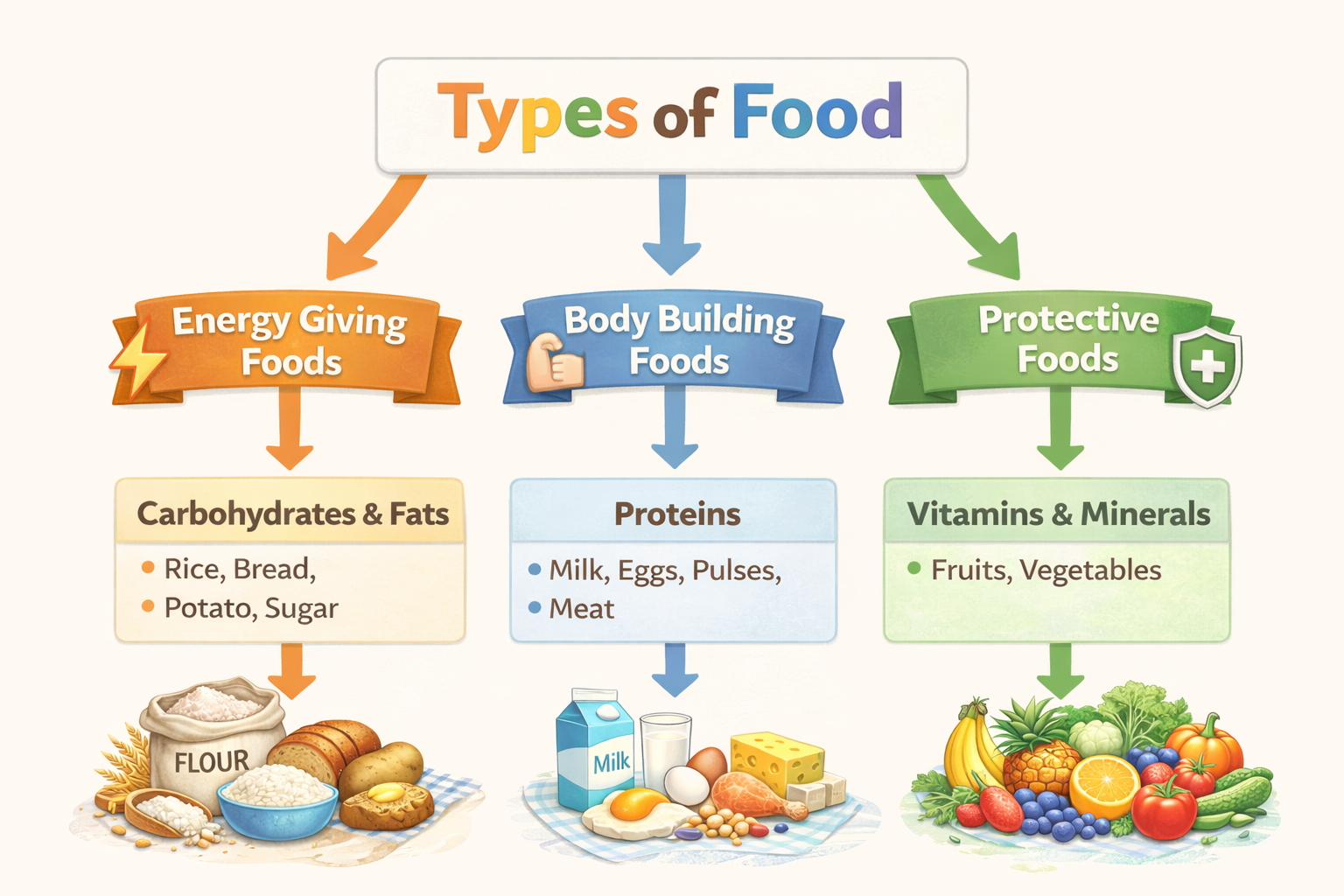
Let’s put it all together in a simple list:
- Frutas – fruits
- Verduras – vegetables
- Carnes – meats
- Bebidas – drinks
- Comida – food in general
Master these five groups, and you’ll cover most everyday situations.
Common Mistakes Beginners Make
A quick heads-up on things that trip people up.
First, don’t mix up tortilla meanings. In Spain it’s an omelet, in Mexico it’s a flatbread.
Second, watch your genders. La manzana but el plátano. Articles matter in Spanish.
And third, don’t stress about perfect grammar. Getting the food word right is what counts at the market.
Keep Building Your Spanish Food Vocabulary
The best way to grow your Spanish food vocabulary is to keep using it. Add a new word every day and try it in a sentence.
Little by little, these food names in Spanish will feel natural. You won’t even have to think about them.
If you want to explore the topic deeper, take a look at this detailed overview of Spanish cuisine. It’s a great read that shows just how rich and varied the food culture really is, and it’ll give you plenty of new words to add to your growing list of foods in Spanish language.