



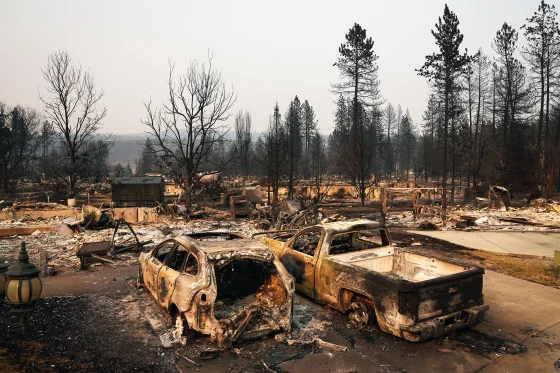

Spokane fires have shaped life in Eastern Washington for over a century. From massive historic burns to recent blazes that destroyed homes overnight, this region knows fire well. If you live here, or you’re just trying to understand what’s going on, this guide breaks it all down in plain language.
Here’s the thing—wildfires around Spokane aren’t rare events. They’re part of the landscape. In this post, you’ll learn about the biggest fires in the area’s history, why the region burns so easily, how smoke affects your air, and what you can do to stay safe.
Let’s get into it.
Read more: Online Presence Management: The Complete Guide to Building Your Brand in 2025
Why Spokane and Eastern Washington Are So Fire-Prone
To be honest, geography plays a huge role. Eastern Washington sits on the dry side of the Cascade Mountains. While the western part of the state stays wet and green, this side turns brown and crispy every summer.
Wildfires are actually a normal part of the ecology out here. The land expects them.
Hot, Dry Summers Set the Stage
By July, the winter and spring moisture has mostly dried up. Grass, brush, and timber become fuel. Add a spark and things move fast.
What’s interesting is that vegetation can make fires spread even faster. More growth in spring means more dry fuel by late summer.
Wind Is the Wild Card
Wind turns a small fire into a monster. Strong gusts push flames across dry fields in minutes. That’s exactly what happened during several of the worst Spokane County wildfire events.
When Is Fire Season in Washington State?
Fire season in Washington state usually runs from July through October. That’s when conditions are hottest and driest.
State law actually defines the season as April 15 through October 15. During this window, the Washington State Department of Natural Resources can put burn bans in place.
Still, hotter and drier years can push fires outside those normal boundaries. So it pays to stay alert.
The 2023 Gray Fire: One of the Most Destructive Spokane Fires
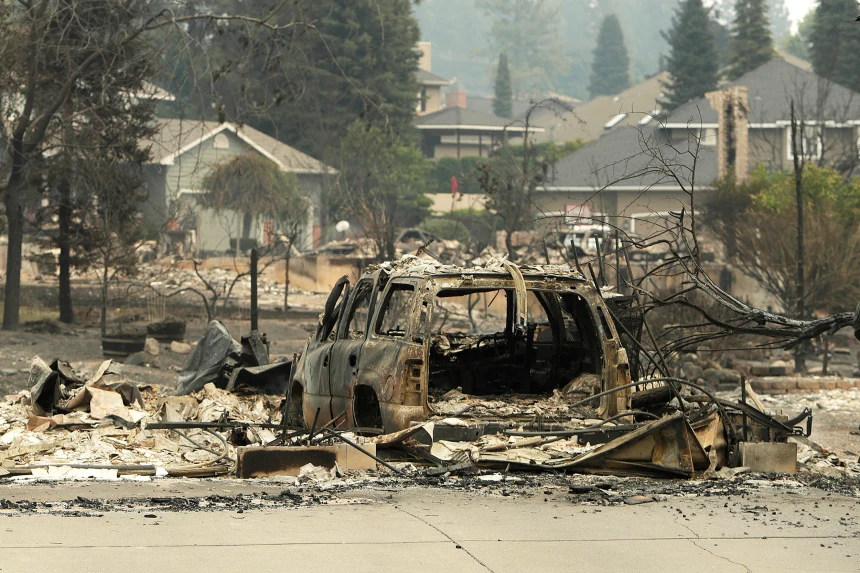
The Gray Fire is one of the most talked-about Spokane fires in recent memory. And for good reason.
It started around 12:27 p.m. on August 18, 2023, near Medical Lake in Spokane County. Within a day, it exploded to roughly 9,500 acres.
How Big and How Bad Was It?
By the time crews got full control, the Gray Fire had burned 10,085 acres. It destroyed about 259 structures and was linked to one death. The estimated cost hit $60 million.
That’s a lot of damage for a fire that lasted just a couple of weeks.
What Caused the Gray Fire?
Investigators traced the cause to a faulty outdoor light owned by Inland Power and Light Company. Sparks from that light set everything off.
Lawsuits followed. Two were filed against the company in September 2023 over the damage.
Evacuations and Road Closures
Level 3 “go now” evacuation orders went out for Medical Lake and the nearby community of Four Lakes. Cheney got Level 2 warnings. A shelter opened at Spokane Falls Community College.
Interstate 90 shut down between mileposts 257 and 270. State Route 902 closed too. It was a scramble for a lot of families.
The Government Response
Things escalated quickly. Governor Jay Inslee declared a state of emergency and activated the Washington National Guard.
FEMA approved a Fire Management Assistance Grant on August 20 to help cover firefighting costs. The Gray Fire reached 100% containment by September 1, 2023.
Spokane Air Quality During the Gray Fire
Here’s where it gets rough. Smoke from the Gray Fire, two other local fires, and Canadian wildfires choked the region.
Spokane recorded the worst air quality in the entire United States for two straight days—August 19 and 20. The Air Quality Index peaked at a stunning 511 on the morning of August 20.
For context, anything over 300 is considered hazardous. So wildfire smoke in Spokane became a genuine health emergency, not just an annoyance.
Other Major Spokane County Wildfire Events
The Gray Fire wasn’t a one-off. Eastern Washington wildfires have hit this area again and again.
The 2016 Spokane Complex Fire
This fire formed from the Wellesley and Yale Road fires burning together. It scorched 7,251 acres and destroyed 10 structures before crews contained it on August 12.
The 2008 Spokane Valley Fire
Smaller in size but still damaging, this fire burned 1,008 acres. It took out 21 buildings and left one person injured. Proof that a fire doesn’t need to be huge to hurt.
The 1987 Hangman Hills Fire
Going back further, the Hangman Hills Fire burned 1,500 acres in Spokane County. It destroyed 24 structures and, sadly, claimed two lives.
The Great Fire of 1910: A Historic Giant
Now for a piece of history. The Great Fire of 1910 was one of the largest fires in United States history.
Its western edge touched the Spokane and Pend Oreille area. In Washington alone, it covered around 150,000 acres and caused 38 deaths.
The heart of the burn was in Idaho and Montana. But it still shows how long fire has threatened the Inland Northwest.
The 2026 Upriver Fire: Fire Inside the City
Recent events remind us this isn’t ancient history. The Upriver Fire ignited on June 16, 2026, right inside the city of Spokane.
It burned 213 acres—small compared to the Gray Fire. But because it was in the city, the impact hit hard.
The fire destroyed 14 primary structures plus several outbuildings. One person died. When Spokane fires reach neighborhoods, the stakes rise fast.
How Spokane Air Quality Is Monitored
The Spokane Regional Clean Air Agency keeps a close watch on air conditions. Their mission is simple: protect the county’s air for current and future generations.
During fire season, they post Air Quality Index readings and issue alerts. When smoke rolls in, they’ll tell you if it’s unsafe to be outside.
They also offer wildfire smoke resources for residents. If you’re sensitive to smoke, their updates are worth checking daily.
Wildfire Safety Tips for Spokane Residents
Let’s talk about staying safe. Wildfire evacuation planning isn’t complicated, but it does need to happen before smoke fills the sky.
Before Fire Season Hits
- Sign up for local alerts so you get evacuation notices fast.
- Pack a go-bag with meds, documents, water, and phone chargers.
- Clear dry brush and flammable material away from your home.
- Know your routes—have at least two ways out of your neighborhood.
When a Fire Is Close
Understand the evacuation levels. Level 1 means get ready. Level 2 means be set to leave. Level 3 means go now, no delays.
Don’t wait to see how bad it gets. During the Gray Fire, conditions changed in minutes.
Protecting Yourself From Smoke
Wildfire smoke in Spokane can be dangerous even miles from the flames. Keep windows closed and run an air purifier if you have one.
If the AQI climbs high, limit time outdoors. People with asthma, heart issues, or lung conditions should be extra careful.
Common Mistakes People Make During Spokane Fires
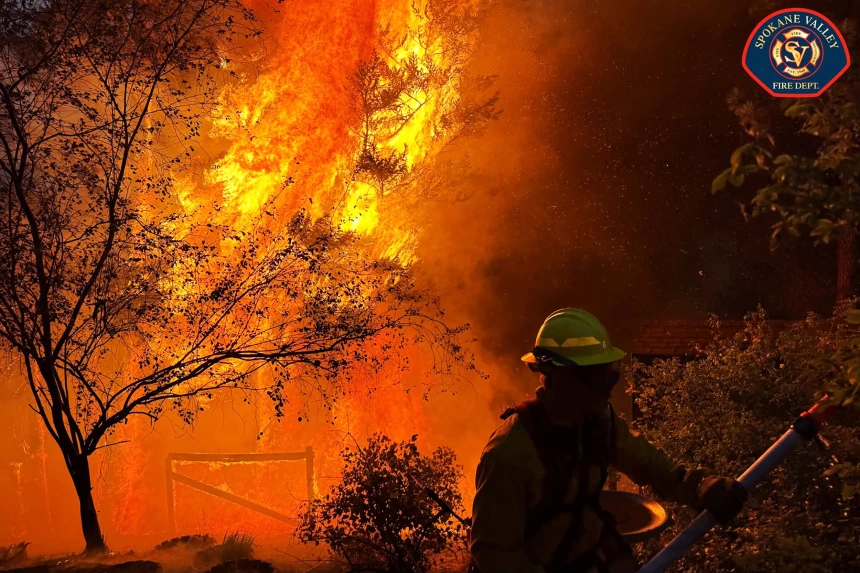
A few habits get folks into trouble every year.
- Ignoring early warnings. Level 1 and 2 alerts exist for a reason.
- Assuming smoke is harmless. Bad air quality causes real health problems.
- Waiting too long to pack. Grabbing essentials during a Level 3 order wastes precious time.
Avoid these, and you’ll be in far better shape.
What History Tells Us About Future Fires
Spokane fires aren’t going away. Fire season in Washington state may even last longer and cut deeper in coming years, according to state officials.
The pattern is clear across decades of Eastern Washington wildfires. Hot summers, dry fuel, and wind keep the risk high. Preparation is your best defense.
The good news? Awareness helps. Agencies track conditions, issue alerts, and share resources faster than ever.
Final Takeaways on Spokane Fires
So what should you walk away with? Spokane fires are a recurring part of life in this corner of Washington, driven by dry summers, plenty of fuel, and strong winds.
The 2023 Gray Fire showed just how destructive a single spark can be—10,085 acres, 259 structures, and record-breaking bad air. Older fires like the 1987 Hangman Hills Fire and the Great Fire of 1910 prove the threat runs deep. And recent blazes like the Upriver Fire show the danger reaching right into the city.
Your next step is simple: build an evacuation plan and follow Spokane air quality updates during fire season. A little prep goes a long way.
If you want the full timeline, causes, and official details of the region’s most destructive recent blaze, the Wikipedia page on the Gray Fire is a solid place to keep reading.