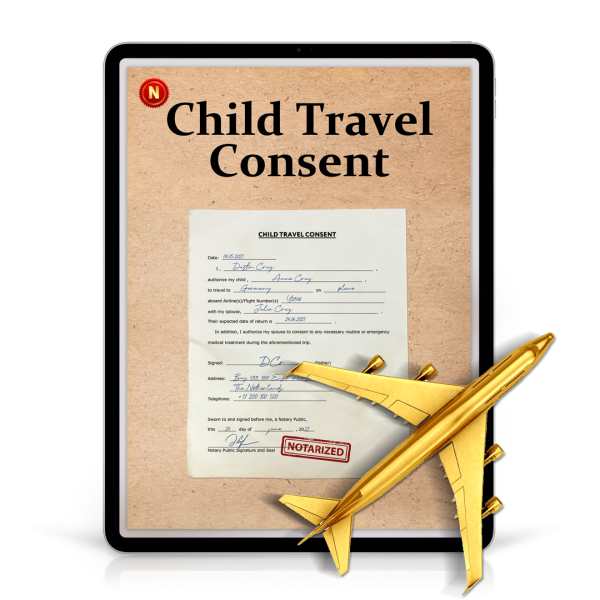

Planning a trip with a child can be exciting, but it also comes with a lot of responsibility. Whether you’re a single parent, a grandparent, or a family friend taking a minor on an adventure, you need to be prepared. One of the most crucial documents you might need is a child travel consent form. This simple piece of paper can prevent major headaches, delays, or even a cancelled trip. This guide will walk you through everything you need to know, from what the form is and why it’s important, to how to fill one out correctly. We’ll make sure you’re ready for a smooth and stress-free journey.
Key Takeaways
- A child travel consent form is a legal document that shows a minor has permission to travel without one or both parents.
- It’s essential for both international and sometimes domestic travel to prevent delays and accusations of parental kidnapping.
- The form should be signed by the non-traveling parent(s) or legal guardian(s) and ideally notarized.
- Key information includes the child’s details, the traveling adult’s information, trip specifics, and emergency contacts.
- Always carry multiple copies of the form along with other important documents like the child’s birth certificate.
What Exactly Is a Child Travel Consent Form?
A child travel consent form is a written letter or document that grants permission for a minor (a child under 18) to travel internationally or domestically with only one parent, or with an adult who is not their legal guardian. Think of it as a permission slip for travel. Its main purpose is to prove to border officials, airline staff, and other authorities that the child is not being taken out of the country or across state lines without the knowledge and consent of all legal guardians.
This document is a critical safeguard against international child abduction. Authorities around the world are highly vigilant about this issue. When they see a child traveling without both parents, they need assurance that the trip is legitimate. Having a properly completed child travel consent form provides that assurance, demonstrating that the non-traveling parent or parents are fully aware and have approved the travel plans. It protects the traveling adult from suspicion and ensures the child’s safety and well-being.
Why Is This Form So Important?
You might wonder if you really need this form. The short answer is yes. While not always a mandatory legal requirement for every single border crossing, carrying one is a strongly recommended best practice. Immigration officers, airline personnel, and even police have the authority to question a child’s travel situation. Without clear proof of permission, they can delay or deny travel until they can contact and confirm consent from the non-traveling parent(s).
Imagine the stress of being detained at an airport, missing a flight, and having your vacation plans ruined, all because you can’t prove you have permission to travel with the child. A child travel consent form helps you avoid this nightmare scenario. It serves as immediate, clear evidence that your trip is authorized. For parents who share custody, it also provides peace of mind, ensuring that one parent cannot take the child on a trip without the other’s agreement, honoring custody arrangements.
Who Needs a Child Travel Consent Form?
Many different travel scenarios call for a child travel consent form. It’s not just for international flights. It’s wise to have one anytime a minor is traveling without both parents present.
Here are some common situations where you should definitely carry one:
- A child traveling with only one parent: Whether you are separated, divorced, or just taking a solo trip with your child, you should have a consent form signed by the other parent.
- A child traveling with grandparents, aunts, or uncles: Relatives do not have legal authority over the child, so they must have written permission from the parents.
- A child traveling with a school group, sports team, or other organization: The group leader should have a consent form for every child on the trip.
- A child traveling with a family friend: Even for a short trip, a child travel consent form is essential to authorize the accompanying adult to make decisions.
- A child traveling alone: Airlines have specific policies for unaccompanied minors, and a consent form is almost always part of their required documentation.
Even in domestic travel, having a form can be beneficial, especially if an emergency arises and medical decisions need to be made.
What to Include in a Child Travel Consent Form
A thorough and effective child travel consent form needs to contain specific information to be considered valid by authorities. Leaving out key details could make the form useless. Your goal is to provide a clear and complete picture of the travel arrangement that leaves no room for questions or doubt.
Parent and Child Information
This is the foundational part of the document. You must clearly identify everyone involved.
- Child’s Full Name, Birthdate, and Place of Birth: Use the legal name as it appears on their passport and birth certificate.
- Parents’/Guardians’ Full Names and Contact Information: Include the names, addresses, and phone numbers of all legal guardians.
- Passport Information for the Child: Include the passport number, date of issue, and expiration date if traveling internationally.
Traveling Adult/Chaperone Details
The form must specify who has permission to travel with the child.
- Full Name and Relationship to the Child: Clearly state who the accompanying adult is (e.g., “Jane Doe, maternal aunt”).
- Passport Information for the Accompanying Adult: If traveling internationally, include their passport number, issue date, and expiration date. This links them directly to the travel plans.
Trip-Specific Information
The consent should be for a specific trip, not a blanket permission.
- Travel Dates: Provide a clear start and end date for the trip (e.g., “from October 5, 2025, to October 15, 2025”).
- Destination(s): List the city, state, and/or country the child will be visiting. If the trip involves multiple locations, list them all.
- Accommodation Details: It’s helpful to include the name and address of the hotel or place where the child will be staying.
Sample Information for a Consent Form
To make it easier, here is a table outlining the essential components of a robust child travel consent form. You can use this as a checklist when preparing your document.
|
Section |
Information to Include |
Example |
|---|---|---|
|
Child’s Details |
Full Legal Name, Date of Birth, Place of Birth, Passport Number & Expiration |
John Michael Smith, 05/15/2012, Los Angeles, CA, Passport #: 123456789 |
|
Parent/Guardian Details |
Full Name(s) of non-traveling parent(s), Address, Phone Number(s) |
Mary Anne Smith, 123 Main St, Anytown, USA, (555) 123-4567 |
|
Chaperone Details |
Full Name of traveling adult, Relationship to child, Passport Number |
Robert David Jones, Paternal Grandfather, Passport #: 987654321 |
|
Trip Details |
Travel Dates (From/To), Destination Address, Reason for Travel |
Travel from 12/20/2025 to 01/05/2026 to Paris, France for family vacation. |
|
Authorization Statement |
A clear statement of consent for the trip and for emergency medical care. |
“I, Mary Anne Smith, authorize my son, John Michael Smith, to travel with…” |
|
Signatures |
Signature of non-traveling parent(s), Date, Witness/Notary Signature |
[Signature], Sept. 11, 2025, [Notary Seal and Signature] |
The Importance of Notarization
Once you have filled out the child travel consent form, your next step should be getting it notarized. A notary public is a state-appointed official who acts as an impartial witness to the signing of documents. When a notary witnesses your signature, they verify your identity and confirm that you signed the document willingly. They then apply their official stamp or seal.
Why is this so important? Notarization adds a significant layer of legal authenticity to your child travel consent form. Border officials in other countries may not be familiar with U.S. laws, but they recognize the authority of a notary seal. It transforms your letter from a simple permission slip into a legally-vetted document, which can be the deciding factor for a skeptical agent. Some countries and airlines may even require the form to be notarized. Don’t skip this step; it’s a small effort that provides immense security and credibility.
International vs. Domestic Travel: Is There a Difference?
The need for a child travel consent form is most critical for international travel. U.S. Customs and Border Protection (CBP) strongly recommends it, and agents are trained to look for signs of child abduction. Many foreign countries have strict entry requirements and may flat-out deny entry without a properly executed consent letter.
For domestic travel within the United States, the requirement is less strict but still highly recommended. Airlines don’t always ask for it on domestic flights, but they have the right to. More importantly, if an emergency occurs—such as a medical issue or an accident—the consent form can authorize the accompanying adult to seek medical treatment for the child. Without it, doctors and hospitals may refuse to provide anything but the most basic emergency care until they can contact a legal guardian. For technology and business insights that can help you stay connected while traveling, you might find resources like https://siliconvalleytime.co.
Special Considerations for Divorced or Separated Parents
For parents who are divorced, separated, or share custody, the child travel consent form is not just a recommendation—it’s a necessity. It’s crucial to review your custody agreement, as it may contain specific clauses about traveling with your child. Some agreements require written consent from the other parent for any travel outside the state or country.
Ignoring this can have serious legal consequences, including being in contempt of a court order. Even if your relationship with your ex-partner is amicable, getting their signature on a consent form is a vital step. It formalizes the agreement and protects both parents, ensuring everyone is on the same page. If the other parent’s consent cannot be obtained, you may need to seek a court order to authorize the travel.
Preparing Your Complete Travel Document Packet
The child travel consent form is just one piece of the puzzle. For smooth travels, you should prepare a complete packet of documents for the child.
What to Carry with the Consent Form
Keep these documents together in a safe, accessible place (like your carry-on bag) throughout your trip:
- The Child’s Birth Certificate: A copy is usually fine, but it’s wise to check requirements for your destination. It proves the relationship between the child and the parents listed on the consent form.
- The Child’s Passport: Essential for international travel. Ensure it’s valid for at least six months beyond your return date.
- Proof of Custody: If applicable, carry a copy of any legal custody documents or court orders.
- Death Certificate: If one parent is deceased, carrying a copy of their death certificate can explain why their signature is not on the form.
- Multiple Copies: Carry at least two copies of the child travel consent form. Keep them in separate bags in case one gets lost.
Conclusion
Traveling with a minor is a wonderful opportunity to create lasting memories. However, it requires careful preparation to ensure the journey is safe and seamless. A child travel consent form is one of the most important tools at your disposal to prevent travel disruptions. This document provides clear, legal proof that a child has permission to travel without both parents, satisfying the requirements of airlines and border officials. By taking the time to prepare a detailed and notarized consent form, along with other essential documents, you are protecting the child, respecting legal agreements, and setting yourself up for a hassle-free trip. Don’t leave it to chance—make this form a non-negotiable part of your travel checklist.
Frequently Asked Questions (FAQ)
Q1: How long is a child travel consent form valid for?
A child travel consent form is typically valid only for the specific trip detailed in the document. It’s recommended to create a new form for each trip with updated dates and destinations. A form with a broad or indefinite timeline may be rejected by authorities.
Q2: What if the other parent refuses to sign the form?
If the other parent refuses to provide consent and your custody agreement requires it, you cannot legally take the child on the trip. You may need to go back to court to have a judge rule on the matter and issue a court order permitting the travel. Consult with a family law attorney in this situation.
Q3: Can I write my own child travel consent form?
Yes, you can write your own form. There is no single official government form in the U.S. However, it’s often easier and safer to use a comprehensive template found online to ensure you include all necessary information. The key is to be thorough and have it notarized.
Q4: Do I need the form if my child has a different last name than me?
Absolutely. A different last name can raise questions from officials. In addition to the child travel consent form signed by the other parent, you should also carry the child’s birth certificate to prove your relationship.
Q5: At what age does a child no longer need a consent form?
A consent form is needed for any child considered a minor. In the United States and most other countries, this means anyone under the age of 18. Once a person turns 18, they are legally an adult and do not need parental consent to travel.