







Have you ever felt tired for no reason, had trouble sleeping, or dealt with annoying muscle cramps? You’re not alone. Many people experience these issues, and sometimes the cause can be a simple lack of an essential mineral: magnesium. Magnesium is a powerhouse nutrient involved in over 300 processes in your body, from energy production to nerve function. While there are many forms of magnesium supplements available, one type has been getting a lot of attention for its unique benefits: magnesium glycinate. This form is known for being gentle on the stomach and highly absorbable, making it a favorite for those looking to boost their magnesium levels without unwanted side effects.
In this guide, we’ll dive deep into everything you need to know about magnesium glycinate. We’ll explore what makes it different from other forms, its many potential health benefits, how to use it safely, and answer your most common questions.
Key Takeaways
- What It Is: Magnesium glycinate is a form of magnesium bound to the amino acid glycine. This combination makes it highly bioavailable and easy on the digestive system.
- Top Benefits: It is most celebrated for its potential to improve sleep quality, reduce anxiety and stress, support muscle relaxation, and promote bone health.
- High Absorption: The presence of glycine helps the magnesium get absorbed efficiently by your body, meaning you get more of the benefits from each dose.
- Gentle on the Stomach: Unlike other forms like magnesium oxide or citrate, which can have a laxative effect, magnesium glycinate is much less likely to cause digestive upset.
- Choosing a Supplement: Look for reputable brands that provide third-party testing to ensure the purity and potency of their product.
Understanding Magnesium and Its Importance
Before we focus specifically on magnesium glycinate, let’s take a moment to appreciate magnesium itself. This essential mineral is the fourth most abundant mineral in the human body, yet many people don’t get enough of it through diet alone. It acts as a “helper molecule,” or cofactor, in hundreds of enzymatic reactions that regulate everything from your heartbeat to your blood sugar levels.
Think of magnesium as the ultimate multitasker. It helps convert the food you eat into energy, creates new proteins from amino acids, and assists in the contraction and relaxation of your muscles. It also plays a vital role in regulating neurotransmitters, which are the chemical messengers that send signals throughout your brain and nervous system. When magnesium levels are low, these critical functions can be compromised, leading to a wide range of health issues. That’s why ensuring you have adequate magnesium intake is fundamental to your overall well-being.
What Makes Magnesium Glycinate Different?
With so many types of magnesium on the shelf—oxide, citrate, malate, threonate—what’s the big deal about magnesium glycinate? The secret lies in its unique chemical structure. This form is what’s known as a chelate, which means the magnesium mineral is chemically bonded to an amino acid. In this case, that amino acid is glycine.
This bond does two very important things. First, it makes the magnesium highly bioavailable. Bioavailability refers to how much of a substance your body can actually absorb and use. Because your body is very good at absorbing amino acids, the magnesium essentially gets a “free ride” into your system. Second, glycine itself is known for its calming properties, particularly in the brain. This creates a powerful synergy, where both the magnesium and the glycine work together to promote relaxation and well-being. This unique combination is why magnesium glycinate is often the top recommendation for people seeking to improve sleep, manage stress, and calm their nervous system.
The Role of Glycine
Glycine is more than just a carrier for magnesium; it’s a beneficial nutrient in its own right. As one of the most important non-essential amino acids, glycine functions as an inhibitory neurotransmitter in the central nervous system. This means it can help calm brain activity, which is why it’s associated with better sleep and reduced feelings of anxiety. When you take magnesium glycinate, you’re getting a two-for-one benefit. The magnesium helps relax your muscles and supports your nervous system, while the glycine helps quiet your mind. This dual-action effect makes it a particularly effective supplement for anyone struggling with stress, restlessness, or difficulty falling asleep. The combination helps you feel both physically and mentally relaxed.
Top 7 Health Benefits of Magnesium Glycinate
So, what can taking magnesium glycinate actually do for you? This powerful supplement is linked to a wide array of health improvements. Let’s explore some of the most well-researched benefits.
1. Promotes Better Sleep Quality
If you toss and turn at night, magnesium glycinate might be the solution you’re looking for. Magnesium plays a key role in supporting deep, restorative sleep by maintaining healthy levels of GABA, a neurotransmitter that promotes sleep. It also helps regulate the hormone melatonin, which guides your body’s sleep-wake cycle. The glycine in this supplement form further enhances its sleep-promoting effects. Studies have shown that glycine can help lower your core body temperature, which is a signal to your body that it’s time to sleep. People who take magnesium glycinate before bed often report falling asleep faster, staying asleep longer, and waking up feeling more refreshed and energized for the day ahead.
2. Reduces Stress and Anxiety
In our fast-paced world, feelings of stress and anxiety are incredibly common. Magnesium is sometimes called the “original chill pill” for its ability to help regulate the body’s stress-response system. It can help control the release of stress hormones like cortisol and adrenaline, preventing them from overwhelming your system. By binding to and stimulating GABA receptors in the brain, magnesium exerts a calming effect on the nervous system. The addition of glycine, with its own anxiety-reducing properties, makes magnesium glycinate a fantastic choice for promoting a sense of calm and well-being. Regular supplementation may help you feel more balanced and less reactive to daily stressors, making it easier to navigate life’s challenges.
3. Supports Muscle Relaxation and Reduces Cramps
Painful muscle cramps, twitches, and spasms are classic signs of magnesium deficiency. Magnesium and calcium work together in a delicate balance to control muscle function. Calcium helps your muscles contract, while magnesium signals them to relax. When you’re low on magnesium, your muscles can contract too much, leading to cramps and soreness. This is especially common in athletes or people who are very physically active. Taking magnesium glycinate can help restore this balance, allowing your muscles to relax properly. It’s an excellent supplement for anyone who experiences leg cramps at night, post-workout soreness, or general muscle tension.
4. May Improve Bone Health
We often hear about calcium being the most important mineral for strong bones, but magnesium is just as crucial. In fact, over 60% of the magnesium in your body is stored in your bones. Magnesium contributes to bone health in several ways. It helps regulate the levels of calcium and vitamin D, two other nutrients vital for bone density. It also stimulates the activity of osteoblasts, the cells responsible for building new bone tissue. A sufficient intake of magnesium is associated with a lower risk of osteoporosis, a condition that causes bones to become weak and brittle. By supporting bone formation and density, magnesium glycinate can play an important role in maintaining a strong, healthy skeleton throughout your life.
5. Helps Maintain Healthy Blood Sugar Levels
Magnesium is essential for proper glucose metabolism and insulin function. Insulin is the hormone that helps shuttle sugar from your bloodstream into your cells to be used for energy. Magnesium acts as a cofactor for the enzymes that are involved in this process. Research has shown that people with higher magnesium intake tend to have a lower risk of developing type 2 diabetes. For those who already have the condition, magnesium supplementation can help improve insulin sensitivity and glycemic control. By supporting your body’s ability to manage blood sugar effectively, magnesium glycinate can be a valuable addition to a healthy lifestyle aimed at preventing or managing metabolic issues.
6. Supports Cardiovascular Health
Your heart is a muscle, and just like the other muscles in your body, it relies on magnesium to function correctly. Magnesium is vital for maintaining a steady heartbeat and normal blood pressure. It helps relax the walls of your blood vessels, which allows blood to flow more easily and reduces strain on your heart. Studies have linked adequate magnesium levels to a lower risk of hypertension (high blood pressure), atherosclerosis (hardening of the arteries), and other cardiovascular problems. While not a substitute for medical treatment, ensuring you get enough magnesium through sources like magnesium glycinate is a smart move for long-term heart health.
7. May Reduce Symptoms of PMS
For many women, the days leading up to their period can bring on a host of uncomfortable symptoms, including mood swings, irritability, bloating, and cramps. Some research suggests that these symptoms may be linked to fluctuating magnesium levels. Supplementing with magnesium glycinate during the second half of the menstrual cycle may help alleviate some of these issues. Its muscle-relaxing properties can ease cramps, while its calming effect on the nervous system can help soothe irritability and moodiness. By addressing some of the underlying factors that contribute to PMS, this supplement could make that time of the month much more manageable.
How Much Magnesium Glycinate Should You Take?
Finding the right dosage of magnesium glycinate depends on several factors, including your age, sex, and individual health needs. The Recommended Dietary Allowance (RDA) for magnesium varies, but generally falls in the range of 310-420 mg per day for most adults.
|
Age Group |
Recommended Daily Allowance (RDA) |
|---|---|
|
Men (19-30) |
400 mg |
|
Women (19-30) |
310 mg |
|
Men (31+) |
420 mg |
|
Women (31+) |
320 mg |
|
Pregnant Women |
350-360 mg |
|
Breastfeeding Women |
310-320 mg |
It’s important to remember that this RDA includes magnesium from all sources, including food. When starting a supplement like magnesium glycinate, it’s often best to begin with a lower dose, such as 100-200 mg per day, and see how your body responds. You can gradually increase the dose if needed, but it’s wise not to exceed the dosage recommended on the product label unless advised by a healthcare professional. For specific benefits, such as improving sleep, many people find taking their dose an hour or two before bedtime is most effective.
Are There Any Side Effects?
One of the main reasons magnesium glycinate is so popular is because it’s exceptionally well-tolerated. Unlike other forms of magnesium that are famous for causing digestive distress, this form is very gentle on the stomach. Because the magnesium is bound to glycine, it is absorbed through different pathways in the gut, bypassing the mechanism that can cause a laxative effect.
That said, taking extremely high doses of any magnesium supplement can lead to side effects. These may include:
- Nausea
- Diarrhea
- Stomach cramps
These symptoms are rare with magnesium glycinate at standard doses. People with kidney problems should be cautious and consult their doctor before taking any magnesium supplement, as their bodies may have trouble clearing excess magnesium from the blood. For most healthy individuals, magnesium glycinate is a safe and effective way to boost their magnesium levels.
How to Choose a High-Quality Supplement
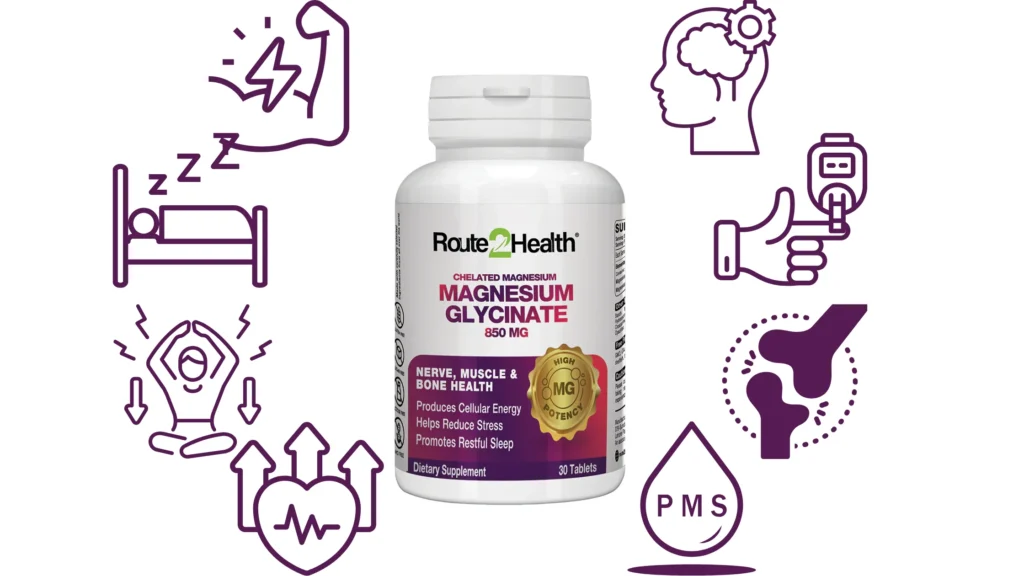
The supplement market can be overwhelming, but there are a few key things to look for to ensure you’re buying a high-quality magnesium glycinate product.
Check for Third-Party Testing
Reputable brands will have their products tested by an independent, third-party lab. This verifies that the supplement contains what the label says it contains and is free from harmful contaminants like heavy metals. Look for certifications from organizations like NSF International, USP, or ConsumerLab.
Read the Label Carefully
Make sure the product clearly states that it is magnesium glycinate (sometimes listed as magnesium bisglycinate). Some products may be a blend of different magnesium forms, which might not be what you’re looking for if you want to avoid digestive side effects. Also, check the “elemental magnesium” content—this tells you how much actual magnesium is in each serving.
Avoid Unnecessary Fillers
A good supplement will have a clean ingredient list without a lot of unnecessary fillers, binders, or artificial colors. The fewer extra ingredients, the better. As noted by some tech and wellness publications, like those you might find on https://siliconvalleytime.co.uk/, consumers are becoming more discerning about product purity. Choosing a supplement with a simple and transparent formula is always a good practice.
Frequently Asked Questions (FAQ)
1. How long does it take for magnesium glycinate to work?
The effects can vary. For issues like muscle cramps or trouble sleeping, some people notice an improvement within a few days to a week. For more chronic issues or to build up your body’s overall magnesium stores, it may take several weeks of consistent use to see significant benefits.
2. Can I get enough magnesium from food?
It is possible, but it can be challenging. Magnesium-rich foods include leafy green vegetables (like spinach), nuts, seeds, legumes, and whole grains. However, modern farming practices have depleted the soil of minerals, so the food grown today may have less magnesium than it did in the past. This is why many people turn to supplements like magnesium glycinate.
3. Is magnesium glycinate better than magnesium citrate?
It depends on your goal. Magnesium citrate is known for its laxative effect and is often used to relieve constipation. Magnesium glycinate is better for correcting a magnesium deficiency and for its calming effects on the nervous system, as it is highly absorbable and doesn’t typically cause digestive issues. For sleep, anxiety, and muscle relaxation, magnesium glycinate is generally considered the superior choice.
4. Can I take magnesium glycinate every day?
Yes, for most people, taking magnesium glycinate daily is safe and beneficial, especially if your dietary intake is low. It’s always best to stick to the recommended dosage and consult with a healthcare provider if you have any underlying health conditions or are taking other medications.
5. Does magnesium glycinate make you tired?
It can promote relaxation and help you fall asleep, which is why many people take it in the evening. However, it doesn’t typically cause drowsiness in the same way a sleep medication would. If taken during the day at a standard dose, most people do not feel overly tired. Instead, they may feel a sense of calm and reduced anxiety.
The Bottom Line
Magnesium is an essential mineral that plays a fundamental role in nearly every aspect of your health. While many forms of magnesium supplements exist, magnesium glycinate stands out for its high bioavailability and gentle nature. Its unique combination with the calming amino acid glycine makes it a particularly effective choice for improving sleep, reducing stress and anxiety, relaxing muscles, and supporting overall wellness.
If you’re experiencing symptoms of magnesium deficiency or are simply looking for a natural way to enhance your health, magnesium glycinate is a safe, well-tolerated, and highly effective option. As with any supplement, it’s a good idea to speak with a healthcare professional to determine the right approach for your individual needs. By adding this powerhouse nutrient to your routine, you can take a proactive step toward feeling your best, both mentally and physically.



