




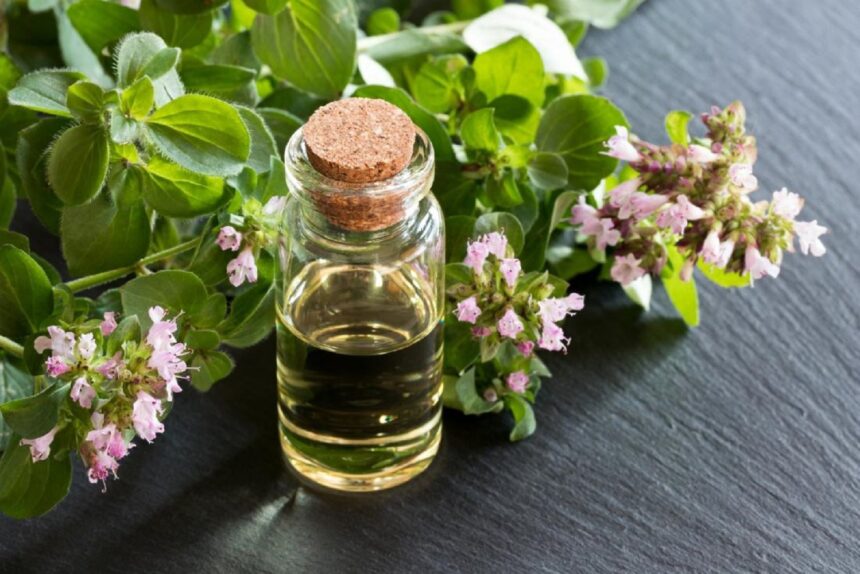

Have you ever heard of a natural remedy that seems to pop up in conversations about everything from sniffles to skin troubles? There’s a good chance people were talking about oil of oregano. This potent plant extract has a long history, dating back to ancient Greece, where it was used for a wide range of purposes. Today, it’s gaining popularity once again as people look for more natural ways to support their health and wellness.
But what exactly is this powerful oil, and does it live up to the hype? This guide will explore everything you need to know. We’ll dive into what oil of oregano is, its potential benefits, how to use it safely, and what to look for when you’re ready to buy a bottle. Let’s uncover the secrets of this ancient herbal powerhouse.
Key Takeaways
- What It Is: True oil of oregano is derived from the Origanum vulgare plant and contains powerful compounds like carvacrol and thymol, which are key to its potential benefits.
- Potential Benefits: It’s widely studied for its antioxidant, antibacterial, and antifungal properties, which may support the immune system and help fight off various pathogens.
- How to Use It: The oil can be taken internally (diluted) or applied topically (diluted). It’s crucial to follow proper dilution guidelines to avoid irritation.
- Choosing a Quality Product: Look for oil derived from wild Mediterranean oregano, with a high carvacrol concentration (at least 70%), and extracted using a safe method like CO2 or cold-pressing.
- Safety First: Oil of oregano is very potent. Always dilute it, perform a patch test before topical use, and consult a healthcare professional before starting, especially if you are pregnant, nursing, or taking medications.
What Exactly Is Oil of Oregano?
When we talk about oil of oregano, it’s important to distinguish it from the common oregano you sprinkle on your pizza. The medicinal oil is typically extracted from the leaves and flowers of Origanum vulgare, a specific species of wild oregano that grows in the mountainous regions of the Mediterranean. This isn’t the same as Origanum majorana, which is sweet marjoram.
The real power of oil of oregano comes from its active compounds. The two most significant are carvacrol and thymol. Carvacrol is the primary component and is largely responsible for the oil’s impressive ability to combat harmful organisms. Thymol, also found in thyme, is another powerful compound that offers antiseptic and antifungal benefits. Together, these and other trace compounds create a synergistic effect that makes this essential oil a staple in natural health circles. The concentration of these compounds, especially carvacrol, is often what determines the quality and potency of the final product.
The Extraction Process: From Plant to Bottle
Getting the potent oil from the oregano plant is a careful process. The leaves and flowers are harvested and then dried. Once dried, the oil is extracted through steam distillation. This method uses steam to vaporize the plant’s volatile compounds, which are then condensed back into a liquid. The oil separates from the water, and what you’re left with is a highly concentrated essential oil.
Some brands may use other methods, like CO2 extraction, which uses pressurized carbon dioxide to pull the oil from the plant material. This technique is known for yielding a pure, high-quality oil without the use of chemical solvents. Regardless of the method, the goal is to create a pure and potent oil of oregano that retains all its beneficial properties. It is then typically diluted with a carrier oil, such as olive oil or coconut oil, to make it safe for consumption and topical use.
The Science-Backed Benefits of Oil of Oregano
While it has been used for centuries in traditional medicine, modern science is now beginning to investigate the claims made about oil of oregano. Researchers are particularly interested in its antimicrobial and antioxidant properties, leading to a growing body of studies that highlight its potential health benefits.
A Natural Antimicrobial Powerhouse
One of the most celebrated attributes of oil of oregano is its ability to fight off a wide range of pathogens. Studies have shown that carvacrol, its main active ingredient, is effective against various types of bacteria, viruses, and fungi.
Fighting Unwanted Bacteria
Research suggests that oil of oregano can inhibit the growth of bacteria like Staphylococcus aureus and Escherichia coli (E. coli). It works by disrupting the bacterial cell membrane, effectively weakening and killing the pathogen. This makes it a subject of interest for addressing bacterial imbalances in the gut and even for topical applications on minor skin infections.
Combating Fungal Issues
The oil has also demonstrated strong antifungal properties. It’s often used to combat Candida albicans, a type of yeast that can cause overgrowth in the gut, mouth (thrush), and other areas. The thymol and carvacrol in oil of oregano work together to interfere with the growth and development of these fungal cells, helping to restore a healthy balance in the body.
A Rich Source of Antioxidants
Antioxidants are substances that protect your cells from damage caused by free radicals, which are unstable molecules that can contribute to aging and chronic diseases. Oil of oregano is packed with powerful antioxidants, including thymol, carvacrol, and rosmarinic acid.
These compounds help neutralize free radicals, reducing oxidative stress throughout your body. By protecting your cells from this damage, the antioxidants in oil of oregano can support overall health and may contribute to a stronger, more resilient immune system. Regular intake of antioxidant-rich foods and supplements is a key strategy for long-term wellness.
Reducing Inflammation Naturally
Inflammation is a natural response by the body to injury or infection. However, chronic inflammation can lead to a host of health problems. The carvacrol in oil of oregano has been studied for its anti-inflammatory effects.
Research indicates that carvacrol may help inhibit the production of inflammatory proteins known as cytokines. By helping to regulate the body’s inflammatory response, oil of oregano could potentially play a role in managing conditions associated with chronic inflammation. More research is needed in this area, but the initial findings are promising.
Supporting a Healthy Gut
Maintaining a healthy gut microbiome is essential for digestion, immune function, and even mental health. The antimicrobial properties of oil of oregano can be beneficial for supporting gut health by helping to eliminate unwanted pathogens.
It may help rebalance the gut flora by reducing the population of “bad” bacteria and yeast while allowing beneficial bacteria to thrive. Some people use it to address symptoms of small intestinal bacterial overgrowth (SIBO) or general digestive discomfort. However, because it is so potent, it should be used carefully and preferably under the guidance of a healthcare practitioner.
How to Use Oil of Oregano Safely and Effectively
Oil of oregano is incredibly concentrated and must be handled with care. Using it incorrectly can lead to irritation or adverse effects. Whether you plan to take it internally or use it on your skin, dilution is absolutely necessary.
Internal Use: For Systemic Support
When taking oil of oregano orally, it’s typically used for short-term immune support or to address internal imbalances.
- Always Dilute: Never take the pure essential oil directly. It can burn your mouth and throat.
- Standard Dilution: Mix 1-3 drops of oil of oregano with a teaspoon of a carrier oil like olive oil or coconut oil.
- Take with Water: Swallow the mixture and immediately follow it with a full glass of water to help wash it down and prevent irritation.
- Use Capsules: For a more convenient and tasteless option, you can buy pre-made capsules or make your own by adding a few drops to an empty veggie capsule and topping it off with olive oil.
Start with the lowest possible dose (1 drop) to see how your body reacts before increasing the amount. It is generally recommended to use it for no more than 10-14 days at a time, followed by a break.
Topical Use: For Skin and Nails
The antifungal and antibacterial properties of oil of oregano make it useful for various skin applications, such as minor skin irritations, fungal nail issues, or athlete’s foot.
- Dilute, Dilute, Dilute: For topical use, the dilution ratio should be about 1 teaspoon of carrier oil (like coconut, jojoba, or almond oil) for every 1 drop of oil of oregano.
- Perform a Patch Test: Before applying it to a larger area, test a small patch of skin (like the inside of your elbow) to check for any redness or irritation. Wait 24 hours to ensure you don’t have a reaction.
- Apply to the Affected Area: Once you know it’s safe for your skin, apply the diluted mixture to the specific area 2-3 times per day. Avoid using it on broken skin or sensitive areas like the face and genitals.
Using Oil of Oregano for Aromatherapy
While not its most common use, you can also diffuse oil of oregano to help purify the air in your home, especially during cold and flu season. Its strong, herbaceous scent can help clear the sinuses. Add a few drops to a diffuser with water and run it for 15-20 minutes. Because of its potency, it’s best to use it in a well-ventilated room and for short periods.
Choosing a High-Quality Oil of Oregano
Not all oil of oregano products are created equal. The market is filled with options, and it’s easy to end up with a low-quality or ineffective product. Here’s what to look for to ensure you’re getting the best.
|
Feature to Look For |
Why It’s Important |
|---|---|
|
Plant Species |
Ensure it is made from Origanum vulgare. This is the species rich in carvacrol. |
|
Carvacrol Content |
Look for a carvacrol concentration of at least 70%. This is a key indicator of potency. |
|
Origin |
Wild-harvested Mediterranean oregano is considered the gold standard for quality and potency. |
|
Extraction Method |
Choose products extracted via steam distillation or CO2 extraction to ensure purity without solvents. |
|
Carrier Oil |
Check that it is pre-diluted in a high-quality carrier oil, such as certified organic olive oil. |
|
Third-Party Testing |
Reputable brands will often have their products tested by a third party to verify purity and potency. |
Reading labels and doing a little brand research can make a huge difference. Investing in a high-quality oil of oregano ensures you get the full spectrum of benefits this powerful plant has to offer. As technology continues to evolve, companies are finding even better ways to ensure product purity, a trend noted by industry watchers like those at https://siliconvalleytime.co.uk/, who often report on innovations in health and wellness tech.
Potential Side Effects and Precautions
While oil of oregano is a natural product, “natural” does not always mean “harmless.” Its potency is what makes it effective, but it’s also why caution is needed.
Possible Side Effects
- Digestive Upset: Taking the oil, even when diluted, can sometimes cause stomach discomfort, nausea, or vomiting. Taking it with food can help minimize this risk.
- Allergic Reactions: Some people may be allergic to oregano or other plants in the Lamiaceae family (like mint, basil, sage, and marjoram). Signs of an allergic reaction can include a skin rash, itching, or, in rare cases, difficulty breathing.
- Skin Irritation: Applying undiluted oil of oregano to the skin will likely cause burning, redness, and irritation. Always dilute it properly.
Who Should Avoid Oil of Oregano?
Certain individuals should exercise extra caution or avoid using oil of oregano altogether:
- Pregnant and Nursing Women: It is generally not recommended for use during pregnancy as it may stimulate blood flow in the uterus. It should also be avoided while breastfeeding.
- Infants and Children: The oil is too potent for young children and should not be used.
- Individuals with Bleeding Disorders: Oil of oregano may slow blood clotting, so anyone with a bleeding disorder or taking blood-thinning medication (like warfarin) should avoid it.
- People with Diabetes: It may lower blood sugar levels, so individuals on diabetes medication should monitor their blood sugar closely and consult their doctor.
- Before Surgery: Due to its effect on blood clotting, you should stop taking oil of oregano at least two weeks before any scheduled surgery.
Always consult with a healthcare professional or a qualified herbalist before adding a potent supplement like oil of oregano to your routine, especially if you have a pre-existing health condition or are taking other medications.
Conclusion: A Powerful Tool for Your Natural Toolkit
Oil of oregano has rightfully earned its reputation as a potent natural remedy. With its powerful antimicrobial, antioxidant, and anti-inflammatory properties, it offers a wide range of potential benefits for supporting your health. From boosting your immune system during seasonal challenges to promoting a healthy gut and clear skin, it’s a versatile and effective tool to have in your wellness arsenal.
However, its power demands respect. Understanding how to use it safely—through proper dilution, starting with low doses, and knowing when to avoid it—is crucial. By choosing a high-quality product and listening to your body, you can harness the incredible benefits of this ancient herbal extract. As with any supplement, it’s a piece of a larger wellness puzzle that includes a balanced diet, regular exercise, and proper medical care.
Frequently Asked Questions (FAQ)
Q1: Can I use the oregano from my spice rack to make oil of oregano?
No, the common cooking oregano is usually Origanum majorana (marjoram) or a different cultivar of oregano that lacks the high carvacrol content needed for medicinal benefits. True oil of oregano is extracted from the wild Origanum vulgare species.
Q2: How is oil of oregano different from oregano essential oil?
The terms are often used interchangeably, but there can be a difference. “Oil of oregano” typically refers to a product that is already diluted with a carrier oil and intended for internal use. “Oregano essential oil” is usually 100% pure, undiluted oil that is extremely potent and should not be ingested or applied to the skin without significant dilution. Always read the label carefully.
Q3: Can I take oil of oregano every day?
It is not recommended to take oil of oregano for long periods. It is best used for short-term support, typically for up to two weeks. Long-term use could potentially disrupt the balance of good bacteria in your gut. Always take breaks between cycles of use.
Q4: Will oil of oregano interfere with my medications?
Yes, it can. Oil of oregano may interact with blood thinners, diabetes medications, and lithium. It’s essential to speak with your doctor or pharmacist before using it if you are taking any prescription medications.
Q5: What does a “hot” oil mean?
When an essential oil is described as “hot,” it means it can cause a warming or burning sensation on the skin. Oil of oregano is a very hot oil, which is why it must always be diluted with a carrier oil before being applied topically to prevent skin irritation.