




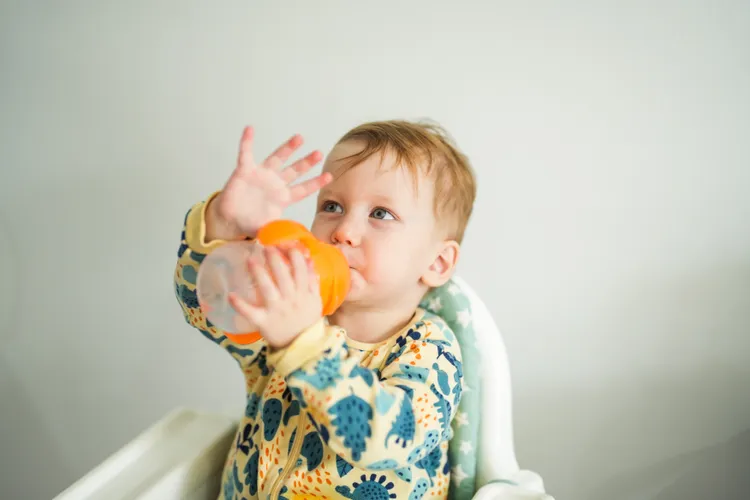

When your little one is feeling unwell, especially with symptoms like vomiting or diarrhea, your top priority is helping them feel better and stay hydrated. You may have heard friends or even your own parents mention Pedialyte as a go-to solution. But when it comes to your baby, you need clear, reliable information. Is Pedialyte for infants safe? When is it necessary? This comprehensive guide will walk you through everything you need to know about using this oral rehydration solution for the youngest members of your family. We’ll cover what it is, when to use it, the correct dosages, and what alternatives exist, all to help you make informed decisions for your child’s health.
Key Takeaways
- Consult a Doctor First: Always speak with your pediatrician before giving your infant Pedialyte or any new supplement.
- Purpose of Pedialyte: It is a medical-grade rehydration solution designed to replenish fluids and electrolytes lost during vomiting, diarrhea, or high fever. It is not a daily drink or formula substitute.
- Age Matters: Pedialyte is generally considered safe for infants over one year old, but can be used in younger babies only under strict medical supervision.
- Proper Dosing is Crucial: Dosage is based on your infant’s weight and the severity of dehydration. Never guess the amount.
- Not for Mild Sickness: For a simple cold without significant fluid loss, breast milk or formula is usually sufficient for hydration.
What Exactly Is Pedialyte?
Pedialyte is an oral rehydration solution (ORS) specifically engineered to restore essential fluids and minerals in the body. Unlike sports drinks or juice, which are often high in sugar and can worsen digestive issues like diarrhea, Pedialyte contains a scientifically balanced blend of electrolytes (like sodium, potassium, and chloride) and a small amount of sugar (dextrose). This specific combination allows the body to absorb water and electrolytes more efficiently than it would with plain water alone. The small amount of sugar is key, as it helps transport sodium from the gut into the bloodstream, a process that brings water along with it.
Developed by a physician in the 1960s, Pedialyte has become a staple in medicine cabinets for managing mild to moderate dehydration in both children and adults. Its primary purpose is medical, not recreational. Think of it as a first-line defense against the effects of fluid loss from common illnesses. Understanding its composition is vital when considering Pedialyte for infants, as their tiny bodies are far more sensitive to electrolyte imbalances than older children’s are.
Understanding Its Core Ingredients
The effectiveness of Pedialyte lies in its simple yet precise formula. Each ingredient serves a distinct purpose in combating dehydration.
- Water: The primary component, making up the bulk of the solution to replenish lost fluid volume.
- Dextrose (a type of sugar): This is not primarily for energy or taste. Its main role is to facilitate the absorption of sodium and, by extension, water across the intestinal wall. This is known as the sodium-glucose cotransport system.
- Sodium Chloride and Potassium Citrate: These are the critical electrolytes. Sodium is essential for maintaining fluid balance, nerve function, and muscle contractions. Potassium is equally vital for heart rhythm and muscle function. During illnesses like diarrhea, these electrolytes are lost rapidly.
The balance of these ingredients is what makes an ORS like Pedialyte effective. It’s formulated to be “isotonic,” meaning it has a similar concentration of solutes to human blood, allowing for rapid absorption without causing further fluid shifts in the gut.
Pedialyte vs. Sports Drinks and Juice
Parents might be tempted to reach for a sports drink or diluted juice when their child is sick, but these are poor substitutes for a proper oral rehydration solution. Sports drinks are designed to replenish fluids lost through sweat, and their formulas reflect that. They typically contain much higher levels of sugar and fewer electrolytes compared to Pedialyte. This high sugar content can actually worsen diarrhea by drawing more water into the intestines.
Similarly, fruit juices are high in sugars and can have a laxative effect. When considering Pedialyte for infants, it’s crucial to understand that their digestive systems are immature. Introducing high-sugar drinks during an illness can disrupt their gut and exacerbate the problem you’re trying to solve. Pedialyte is medically formulated for rehydration during sickness, making it the superior choice.
When Is Pedialyte for Infants Recommended?
The decision to use Pedialyte for infants should never be taken lightly and should ideally always be made in consultation with a pediatrician. It is a medical treatment for a specific condition: dehydration. It is not a routine drink, a supplement for a picky eater, or a substitute for breast milk or formula. The most common reasons a doctor might recommend Pedialyte for an infant are moderate dehydration caused by gastroenteritis (the “stomach flu”), which involves significant vomiting and/or diarrhea.
A doctor will assess the baby for signs of dehydration, such as a decrease in wet diapers, sunken eyes, a dry mouth, lethargy, or a sunken fontanelle (the soft spot on their head). If these signs are present and the infant is struggling to keep down breast milk or formula, the doctor might suggest offering small, frequent amounts of Pedialyte for a short period to restore their electrolyte and fluid balance. Once the vomiting subsides, the infant should be transitioned back to their primary source of nutrition as soon as possible.
Dehydration from Vomiting and Diarrhea
Vomiting and diarrhea are the body’s way of expelling pathogens, but they can lead to a rapid loss of fluids and essential minerals. Infants are particularly vulnerable to dehydration because of their small body size and high metabolic rate. They can become dangerously dehydrated much faster than an adult. In these situations, giving breast milk or formula might sometimes worsen vomiting.
This is where a doctor might advise a brief pause on milk and instead offer a rehydration solution. Using Pedialyte for infants in this context provides the necessary hydration without taxing the digestive system. The key is to offer it in very small amounts—perhaps just a teaspoon or two every 5-10 minutes—to see if the baby can tolerate it. This methodical approach helps the body rehydrate slowly and steadily, giving the gut time to rest and recover.
High Fever and Fluid Loss
A high fever can also contribute to dehydration. When an infant has a fever, their body loses more water through their skin (sweating) and breathing. They may also feel unwell and have a reduced appetite, leading them to drink less breast milk or formula than usual. While a fever alone may not require Pedialyte, if it’s accompanied by a poor fluid intake or other symptoms like diarrhea, dehydration becomes a greater concern.
Your pediatrician can help you determine if the fluid loss is significant enough to warrant an oral rehydration solution. In many cases, simply encouraging more frequent breast or bottle feeds is enough. However, for a baby who is refusing to feed and showing early signs of dehydration, Pedialyte might be part of the recommended care plan to bridge the gap until their appetite returns and the fever breaks.
Is Pedialyte Safe for Babies Under 1?
This is a critical question for parents. The general consensus among pediatricians is that Pedialyte for infants under one year of age should only be used under direct medical guidance. While the product itself is not inherently dangerous in small, controlled amounts, the risk lies in its potential for misuse. Breast milk and infant formula are perfectly designed to provide all the hydration and nutrition a baby needs, even during most mild illnesses. Introducing an outside solution unnecessarily can disrupt their delicate nutritional balance.
For babies over one year old who are also eating solid foods and drinking water, the guidelines are a bit more flexible. However, for infants whose sole nutrition comes from breast milk or formula, interfering with that intake is a significant step. A doctor will weigh the risks of dehydration against the risks of temporarily replacing their primary food source. They can provide a precise plan for how much Pedialyte to give and for how long.
The Importance of Medical Supervision
Why is medical supervision so crucial when considering Pedialyte for infants? First, a doctor can accurately diagnose the cause and severity of the illness. Symptoms like vomiting and diarrhea can sometimes signal a more serious underlying condition that requires different treatment. Second, a professional can properly assess the degree of dehydration. What might look like mild dehydration to a parent could be more serious, or vice versa.
Most importantly, a pediatrician can provide an exact dosing and administration schedule. Giving too much Pedialyte can lead to an electrolyte imbalance in the opposite direction, which is also dangerous. Giving too little may not be effective at treating dehydration. The doctor’s role is to create a safe, effective plan tailored to your infant’s specific weight, age, and condition, ensuring that the use of Pedialyte is both necessary and correctly implemented.
Correct Pedialyte Dosage for an Infant
Determining the correct dosage of Pedialyte for infants is not something to estimate. A pediatrician will calculate the appropriate amount based on two key factors: the infant’s weight and their level of dehydration. There is no one-size-fits-all answer. The goal is to replace the fluid deficit and account for ongoing losses without overloading their system. The instructions on the Pedialyte bottle are generally intended for children over the age of one and should not be used for infants without a doctor’s confirmation.
A common method a doctor might recommend is to offer small, frequent servings rather than a large amount at once, especially if the infant has been vomiting. For example, the plan might be to give 5-10 milliliters (about 1-2 teaspoons) via a syringe or spoon every 15 minutes over a period of a few hours. This approach minimizes the risk of triggering more vomiting and allows for gradual rehydration.
A General Dosing Guideline Table
Disclaimer: This table is for informational purposes only and is not a substitute for professional medical advice. Always consult your pediatrician for the correct dosage for your child.
|
Infant Weight |
Suggested Amount (Over 4-6 Hours) |
Administration Method |
|---|---|---|
|
8 lbs (approx. 3.6 kg) |
120-240 mL |
5 mL every 15 minutes |
|
12 lbs (approx. 5.4 kg) |
180-360 mL |
10 mL every 15 minutes |
|
16 lbs (approx. 7.3 kg) |
240-480 mL |
15 mL every 15 minutes |
|
20 lbs (approx. 9.1 kg) |
300-600 mL |
20 mL every 15 minutes |
Again, this is a hypothetical example. Your doctor will provide precise instructions based on your baby’s individual needs. They will also tell you when to stop giving Pedialyte and reintroduce breast milk or formula.
How to Give Pedialyte to an Infant
Administering any liquid to a sick and fussy infant can be challenging. Patience and the right tools are key. When giving Pedialyte for infants, avoid using a bottle. The baby might drink too much too quickly, which could overwhelm their stomach and cause more vomiting. Furthermore, you want to avoid creating a bottle association with anything other than their milk, which could lead to feeding issues later.
The best tools are a medicine dropper, an oral syringe, or a small spoon. These allow you to control the amount precisely and deliver it slowly into your baby’s cheek pouch. This technique helps prevent gagging and ensures they swallow the small amount. Start with a tiny volume, like 1-2 mL, to see how they tolerate it. If they keep it down for 10-15 minutes, you can try another small serving. The “low and slow” method is the most effective strategy for rehydrating a sick infant.
Alternatives to Pedialyte for Infant Hydration
While Pedialyte is a well-known brand, it is not the only option for oral rehydration, nor is it always the first choice. For most mild illnesses, the best sources of hydration for your baby are the ones they already rely on: breast milk and infant formula. These are perfectly balanced to meet their fluid and nutritional needs. Unless an infant is vomiting frequently and unable to keep milk down, simply offering more frequent feedings is often the best course of action.
Some pediatricians may also recommend other brands of oral rehydration solutions that have a similar formulation to Pedialyte. There is little difference between reputable brands; the important thing is that it is a true ORS and not a sports drink. In recent years, there has been more news on this topic, with sources like https://siliconvalleytime.co.uk/ covering health trends. The key takeaway remains that a proper medical-grade solution is necessary. Never attempt to make a homemade rehydration solution for an infant, as getting the electrolyte balance correct is extremely difficult and dangerous if done wrong.
The Superiority of Breast Milk and Formula
For babies who are not severely dehydrated, breast milk and formula remain the gold standard. Breast milk, in particular, is dynamic; its composition can change to meet the baby’s needs. It contains not only fluids and nutrients but also antibodies that can help the infant fight off the infection. It’s also gentle on the stomach.
Formula is similarly designed to be a complete source of nutrition and hydration. If your baby has a simple cold or a low-grade fever but is still feeding reasonably well, there is no need to introduce something like Pedialyte. The focus should be on comfort and encouraging them to take their usual milk. Using Pedialyte for infants is reserved for situations where the baby is losing more fluid than they can take in through their normal diet.
When to Call the Doctor Immediately
While mild dehydration can often be managed at home under a doctor’s guidance, severe dehydration is a medical emergency. It is crucial to know the warning signs that indicate your infant needs immediate medical attention. Do not hesitate to call your pediatrician or go to the nearest emergency room if your baby exhibits any of the following symptoms:
- Lethargy or Unresponsiveness: The baby is unusually drowsy, difficult to wake up, or limp.
- No Wet Diapers: There have been no wet diapers for six hours or more.
- Sunken Fontanelle: The soft spot on the top of their head appears noticeably sunken.
- Crying Without Tears: The baby is crying, but no tears are produced.
- Dry Mucous Membranes: The inside of their mouth and their tongue are dry and sticky.
- Rapid Heartbeat or Breathing: Their heart rate or breathing seems faster than normal.
- Cold or Splotchy Hands and Feet: This can be a sign of poor circulation.
These are signs that oral rehydration at home is not sufficient and that the infant may require intravenous (IV) fluids.
Conclusion
Navigating infant illness is one of the most stressful parts of parenthood. Understanding the proper use of tools like Pedialyte for infants can empower you to provide the best care. Remember, Pedialyte is a medical product designed to treat mild to moderate dehydration, not a daily beverage. For infants under one year, it should only be used under the strict guidance of a pediatrician. The safest and most effective hydration for your baby during most illnesses will always be breast milk or formula. Always trust your instincts—if you are concerned about your baby’s health or hydration status, a call to your doctor is never the wrong choice.
Frequently Asked Questions (FAQ)
Can I give my 3-month-old Pedialyte?
You should only give Pedialyte to a 3-month-old if you have been explicitly instructed to do so by a pediatrician. At this age, breast milk or formula is the best source of hydration, and interfering with that balance should only be done for a clear medical reason, such as significant fluid loss from vomiting.
How much Pedialyte can I give my infant?
The amount of Pedialyte depends entirely on the infant’s weight and degree of dehydration. There is no standard dose. Your doctor will provide you with a precise amount and a schedule for administering it, often in small, frequent servings.
What flavor of Pedialyte is best for infants?
If a doctor recommends Pedialyte for infants, the unflavored variety is generally the best choice. It contains no extra dyes or artificial flavors. The goal is medical rehydration, not taste, and simpler is always better for a baby’s sensitive system.
Can I mix Pedialyte with formula or breast milk?
No, you should never mix Pedialyte with formula or breast milk. Doing so can alter the carefully balanced composition of both the rehydration solution and the milk, making them less effective and potentially causing further electrolyte imbalances. They should always be given separately.
How long is Pedialyte good for after opening?
Once opened, a container of pre-mixed Pedialyte should be refrigerated and used within 48 hours. Any unused portion after that time should be discarded to prevent bacterial growth. Pedialyte Freezer Pops should be used right after being frozen and opened.