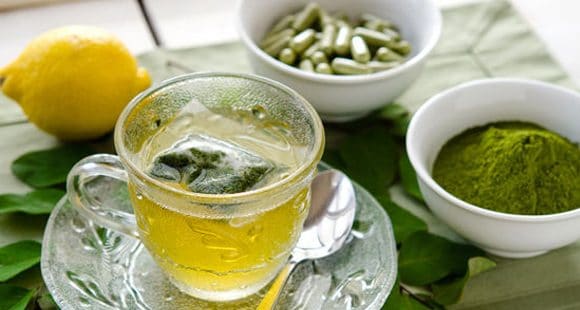

Have you ever heard of a plant so powerful it’s called the “miracle tree”? Meet moringa, a fast-growing, drought-resistant tree native to the Himalayan mountains of northern India. For centuries, ancient cultures have revered this plant for its incredible nutritional profile and wide-ranging benefits. Today, people all over the world, from wellness experts to everyday health-conscious individuals, are rediscovering the power of this amazing superfood. From its leaves to its seeds, nearly every part of the moringa tree is packed with vitamins, minerals, and powerful plant compounds.
This article will explore everything you need to know about the incredible moringa tree. We’ll dive into its rich history, unpack its dense nutritional content, and explore the science-backed benefits that have made it a staple in traditional medicine and a rising star in the modern wellness community. Get ready to learn how this humble plant can support your health in remarkable ways.
Key Takeaways
- Nutritional Powerhouse: Moringa leaves are exceptionally rich in vitamins A, C, and E, as well as calcium, potassium, and protein.
- Rich in Antioxidants: The plant is loaded with antioxidants like quercetin and chlorogenic acid, which help fight cellular damage from free radicals.
- Anti-Inflammatory Properties: Compounds in moringa, such as isothiocyanates, have been shown to possess potent anti-inflammatory effects.
- Versatile and Easy to Use: Moringa is available in various forms, including powder, capsules, tea, and oil, making it simple to add to your daily routine.
- Potential Health Benefits: Research suggests moringa may help lower blood sugar and cholesterol levels, support brain health, and protect the liver.
What Exactly is Moringa?
Moringa oleifera, often simply called moringa, is a plant that has been praised for its health benefits for thousands of years. It belongs to the Moringaceae family and is the most widely cultivated species of its genus. While native to India, it now grows in tropical and subtropical regions across Asia, Africa, and Latin America. Its common names, like “drumstick tree” (referring to its long, slender seed pods) and “horseradish tree” (due to the sharp flavor of its roots), hint at its diverse characteristics and uses.
What makes this tree so special is its resilience and utility. It thrives in arid conditions where other plants might fail, making it a sustainable source of nutrition in many parts of the world. Traditional communities have used moringa for generations, incorporating its leaves into meals, extracting oil from its seeds, and even using its seed cake to purify water. This historical significance laid the groundwork for modern scientific investigation, which continues to validate many of the plant’s long-held benefits. Today, it stands as a prime example of a traditional remedy gaining well-deserved recognition on a global scale.
A Deep Dive into the Nutritional Profile of Moringa
When people call moringa a superfood, they aren’t exaggerating. The leaves are the most nutritious part of the plant, containing a wealth of essential nutrients. Compared gram for gram, fresh moringa leaves are said to contain more vitamin C than oranges, more vitamin A than carrots, more potassium than bananas, and more calcium than milk. This makes it an incredibly efficient way to boost your daily intake of vital vitamins and minerals.
Beyond vitamins and minerals, moringa is a fantastic source of plant-based protein. Its leaves contain all nine essential amino acids, making it a complete protein—a rare quality in the plant kingdom. This is particularly beneficial for vegetarians, vegans, and anyone looking to increase their protein intake without relying on animal products. The plant is also rich in antioxidants, which are crucial for protecting your body against oxidative stress caused by free radicals. This combination of vitamins, minerals, complete protein, and antioxidants is what makes moringa a true nutritional powerhouse.
Comparing Moringa to Other Superfoods
To truly appreciate its value, let’s see how moringa stacks up against other popular superfoods.
|
Nutrient (per 10g dried leaves) |
Moringa |
Kale |
Spinach |
Matcha |
|---|---|---|---|---|
|
Protein |
~2.7 g |
~1.3 g |
~0.9 g |
~3.1 g |
|
Calcium |
~200 mg |
~25 mg |
~30 mg |
~4.2 mg |
|
Iron |
~2.8 mg |
~0.3 mg |
~0.8 mg |
~1.7 mg |
|
Vitamin A |
~750 mcg |
~150 mcg |
~140 mcg |
~290 mcg |
|
Vitamin C |
~5.2 mg |
~9 mg |
~8.4 mg |
~6 mg |
Note: These values are approximate and can vary based on growing conditions and processing methods.
As the table shows, moringa holds its own and often surpasses other well-known greens in key nutrients like protein, calcium, and iron.
The Top Health Benefits of Moringa
The impressive nutritional content of moringa translates into a wide array of potential health benefits. Modern science is beginning to catch up with traditional wisdom, providing evidence for the claims made about this plant for centuries.
1. Packed with Potent Antioxidants
One of the most celebrated benefits of moringa is its high concentration of antioxidants. Antioxidants are compounds that combat free radicals in your body. High levels of free radicals can lead to oxidative stress, which is linked to chronic diseases like heart disease and type 2 diabetes. Moringa leaves are rich in several powerful antioxidants, including:
- Quercetin: This potent antioxidant may help lower blood pressure.
- Chlorogenic Acid: Found in high amounts in coffee as well, this compound may help moderate blood sugar levels after meals.
- Vitamin C and Beta-carotene: These classic antioxidants work to protect your cells from damage.
By incorporating moringa into your diet, you can boost your body’s antioxidant defenses, promoting overall health and resilience against chronic conditions.
2. Powerful Anti-Inflammatory Properties
Inflammation is the body’s natural response to injury or infection. While it’s a necessary protective mechanism, chronic inflammation can become a serious health issue, contributing to conditions like arthritis, heart disease, and cancer. Many plant foods have anti-inflammatory effects, and moringa is among the most potent.
The primary anti-inflammatory compounds in moringa are believed to be isothiocyanates. These are bioactive compounds also found in cruciferous vegetables like broccoli and cauliflower. Studies on animals and in test tubes have shown that moringa leaves, pods, and seeds can significantly reduce inflammatory markers. While more research in humans is needed to confirm these effects, the initial findings are very promising, suggesting moringa could be a valuable natural tool for managing chronic inflammation.
3. May Help Lower Blood Sugar Levels
Sustained high blood sugar is the hallmark of diabetes and can lead to serious health complications over time, including heart disease and organ damage. Several studies suggest that moringa may help lower blood sugar levels. Scientists believe this effect is due to plant compounds like isothiocyanates, which may improve insulin sensitivity.
One small study involving 30 women showed that taking 1.5 teaspoons (7 grams) of moringa leaf powder every day for three months reduced fasting blood sugar levels by an average of 13.5%. Another study in diabetic patients found that adding 50 grams of moringa leaves to a meal reduced the rise in blood sugar by 21%. These results are encouraging, but more extensive, long-term human studies are needed to make firm recommendations.
4. Can Reduce Cholesterol
Having high cholesterol is a major risk factor for heart disease. Fortunately, many plant-based foods, including flaxseeds, oats, and almonds, can effectively reduce cholesterol. Studies on both animals and humans have shown that moringa may have similar cholesterol-lowering effects.
Research indicates that moringa can lower LDL (“bad”) cholesterol while potentially raising HDL (“good”) cholesterol. This dual action is ideal for promoting heart health. The mechanism is thought to involve the plant’s fiber content and antioxidant compounds, which may prevent the oxidation of cholesterol—a key step in the development of artery-clogging plaques. This makes moringa a heart-friendly addition to any diet.
5. Supports Brain Health and Mood
The neuroprotective properties of moringa are an exciting area of research. Its high concentration of antioxidants helps protect the brain from oxidative stress, which is a key factor in cognitive decline and neurodegenerative diseases like Alzheimer’s. In addition, its rich content of vitamins E and C contributes to healthy brain function.
Furthermore, moringa may influence neurotransmitters that regulate mood. It is a natural source of tryptophan, an amino acid precursor to serotonin, the “feel-good” hormone. By supporting healthy serotonin levels, moringa may help normalize mood, memory, and stress response. Some studies even suggest it could play a role in managing anxiety and depression, though more clinical trials are necessary to fully understand this potential.
How to Use Moringa in Your Daily Life
Integrating moringa into your diet is surprisingly simple, thanks to the various forms it comes in. The most common form is a fine, green powder made from dried leaves.
Here are some easy ways to use it:
- Smoothies: Add a teaspoon of moringa powder to your favorite fruit or green smoothie. Its slightly earthy, spinach-like flavor is easily masked by other ingredients.
- Teas: You can buy moringa tea bags or simply stir a half-teaspoon of the powder into hot water with a squeeze of lemon and a little honey.
- Soups and Stews: Stir the powder into savory dishes like soups, stews, or curries just before serving to preserve its nutrients.
- Baked Goods: Mix a small amount into the batter for muffins, bread, or energy bars for a hidden nutritional boost.
- Capsules: For those who don’t enjoy the taste, moringa capsules offer a convenient way to get a concentrated dose.
- Moringa Oil: Extracted from the seeds, this oil can be used for cooking or applied topically to the skin and hair for its moisturizing properties.
It’s best to start with a small amount, like a half or one teaspoon per day, and gradually increase your intake as your body adjusts.
Potential Side Effects and Safety Considerations
For most people, moringa is considered safe when consumed in food-based amounts. The leaves, seeds, and pods have been eaten for centuries without issue. However, there are a few considerations to keep in mind, especially when using concentrated supplements.
- Avoid the Root: The root and its extracts should be avoided. They contain a substance called spirochin, which can be toxic.
- Digestive Issues: Consuming large quantities of moringa, especially on an empty stomach, may cause mild digestive upset, heartburn, or have a laxative effect.
- Pregnancy and Breastfeeding: Pregnant women should exercise caution. While the leaves may be safe, some evidence suggests that other parts of the plant, like the root and bark, could cause uterine contractions. It’s best to consult with a healthcare provider before using moringa if you are pregnant or breastfeeding.
- Medication Interactions: Moringa may interact with certain medications, including thyroid medication, diabetes drugs (as it can lower blood sugar), and drugs that lower blood pressure. Always speak with your doctor before adding a new supplement to your routine, particularly if you have an existing health condition or are taking prescription medication.
Moringa and Sustainable Agriculture
Beyond its health benefits, the moringa tree is a champion of sustainable agriculture and a tool in the fight against malnutrition. Its ability to grow in poor, dry soil with minimal water makes it an invaluable resource in arid regions. Farmers can cultivate it as a source of food, animal fodder, and income. As technology and business practices evolve, so do the opportunities for sustainable cultivation, as noted by resources like Silicon Valley Time, which covers innovations across various sectors.
Programs worldwide are promoting moringa cultivation to empower rural communities. Because it grows so quickly—it can be harvested multiple times a year—it provides a reliable and continuous source of nutrition. Its seed cake, the leftover material after oil extraction, can be used to purify drinking water, addressing another critical need in developing areas. This multifaceted utility makes moringa a truly remarkable plant for both personal health and global well-being.
Conclusion
From its ancient roots in traditional medicine to its modern-day status as a globally recognized superfood, moringa has proven itself to be a plant of incredible value. Its dense nutritional profile, packed with vitamins, minerals, protein, and antioxidants, offers a powerful boost to any diet. The scientific evidence supporting its anti-inflammatory, blood-sugar-lowering, and cholesterol-reducing properties continues to grow, validating what cultures have known for centuries.
Whether you’re looking to enhance your nutrition, manage a specific health concern, or simply explore the benefits of powerful plant foods, moringa is an excellent and versatile choice. Available as a powder, tea, or capsule, it’s easy to incorporate into your daily routine. By adding this “miracle tree” to your wellness toolkit, you can take a simple yet effective step toward better health.
Frequently Asked Questions (FAQ)
Q1: What does moringa taste like?
A: Moringa leaf powder has a distinct, earthy flavor similar to spinach or matcha green tea. It has a slightly bitter and mildly sweet undertone. When mixed into smoothies, sauces, or other foods, its taste is usually not prominent.
Q2: How much moringa should I take daily?
A: There is no official recommended dosage. Most studies use amounts ranging from 1.5 to 7 grams of leaf powder per day (about 1/2 to 1.5 teaspoons). It’s best to start with a smaller dose and see how your body reacts before increasing it. If you are taking capsules, follow the dosage instructions on the product label.
Q3: Can I grow my own moringa tree?
A: Yes! Moringa trees are relatively easy to grow in warm climates (USDA zones 9-11). They can be grown from seeds or cuttings and prefer well-drained, sandy soil and plenty of sunlight. In colder climates, they can be grown in pots and brought indoors during the winter.
Q4: Is moringa powder better than fresh moringa leaves?
A: Both are excellent sources of nutrients. Fresh leaves retain more vitamin C, which can be lost during processing. However, the drying process used to make moringa powder concentrates many other nutrients, such as iron, protein, and calcium, making the powder more nutrient-dense by weight. Powder is also more accessible and has a longer shelf life.
Q5: Will moringa help me lose weight?
A: While moringa is not a magic weight-loss pill, it may support weight management. Its high fiber content can promote a feeling of fullness, and its anti-inflammatory properties and ability to help regulate blood sugar can contribute to a healthier metabolism. It is best used as part of a balanced diet and active lifestyle.